



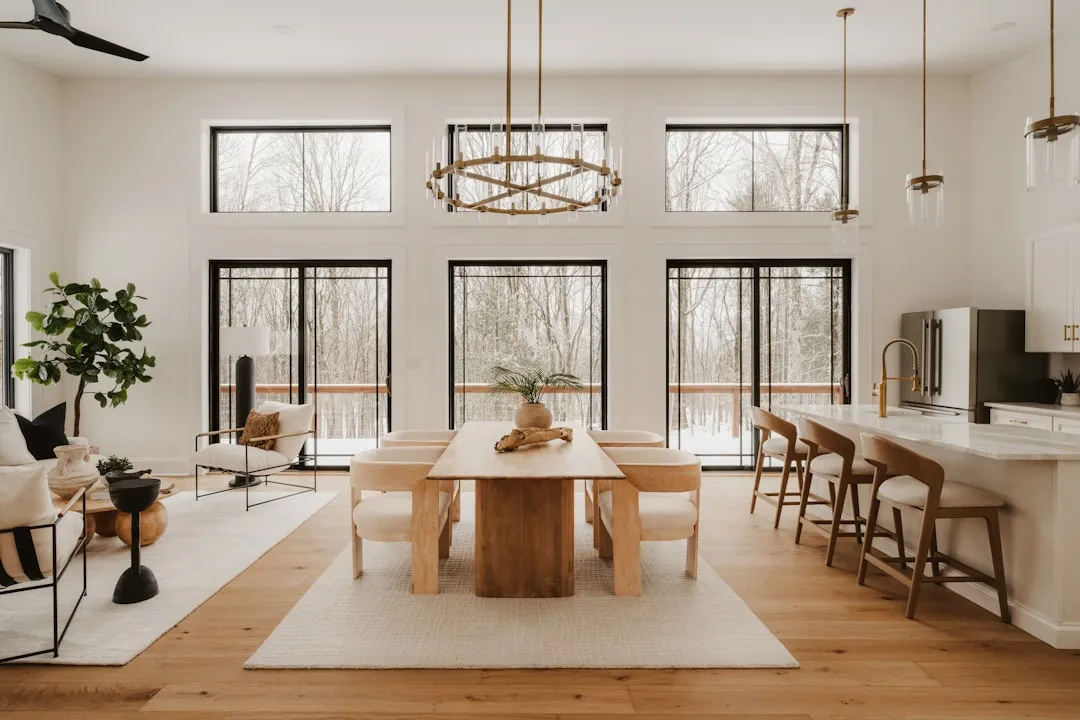
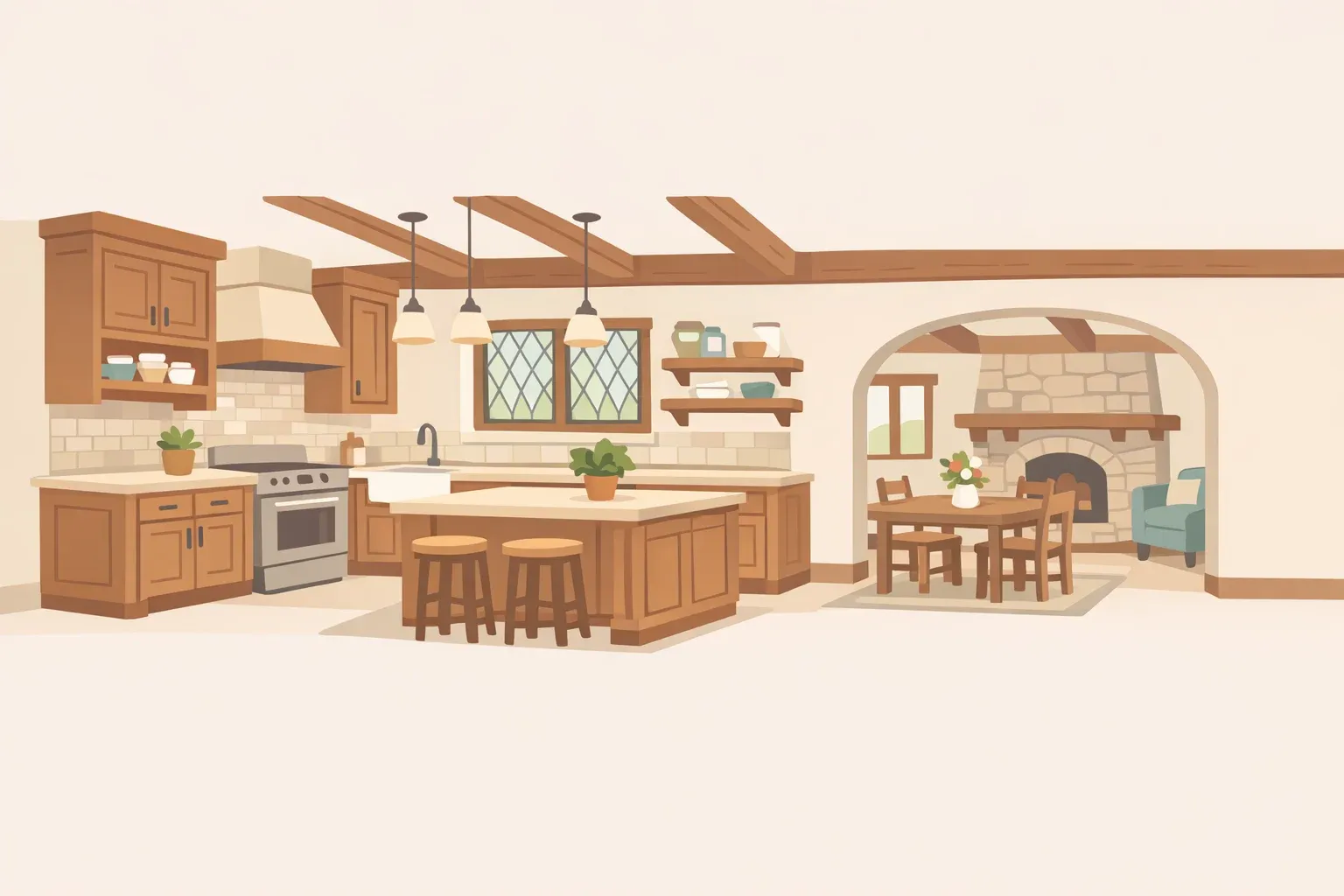
The farmhouse floor plan outsold every competing house plan style by 36% in Q1 2025 on Houseplans.com, a margin that also represents year-over-year growth, according to Builder Online. That number matters because it immediately complicates every headline declaring farmhouse dead. What's actually in decline is the decorating system installed inside those same houses: the shiplap walls, the gray-and-white palette, the matched distressed sets, the sliding barn doors. The floor plan and the formula are two different things. Only one is in trouble. Organic modern interior design is one of the clearest visual languages filling that gap, while the broader data points to warmer, more transitional, and more personalized interiors overall.
Several 2025 design sources point to the same shift. Builder Online reported that Houzz, the National Kitchen and Bath Association, and Apartment Therapy all showed signs of weakening demand for modern farmhouse interiors. Houzz's kitchen data is especially clear: transitional remained the top kitchen style among renovating homeowners, while farmhouse continued to lose ground. Designers quoted by Good Housekeeping described the same problem in plainer terms: the most copied version of farmhouse became too formulaic.
What organic modern design means
Designer Shadia Sabagh describes organic modern as a mix of modern structure and natural softness. Her shorthand is "modern bones, nature layered on top." It rejects the cold gray minimalism of the 2010s and, equally, maximalist clutter. Because Sabagh published the piece in January 2026, her framing reflects the current moment rather than a trend still gathering steam.
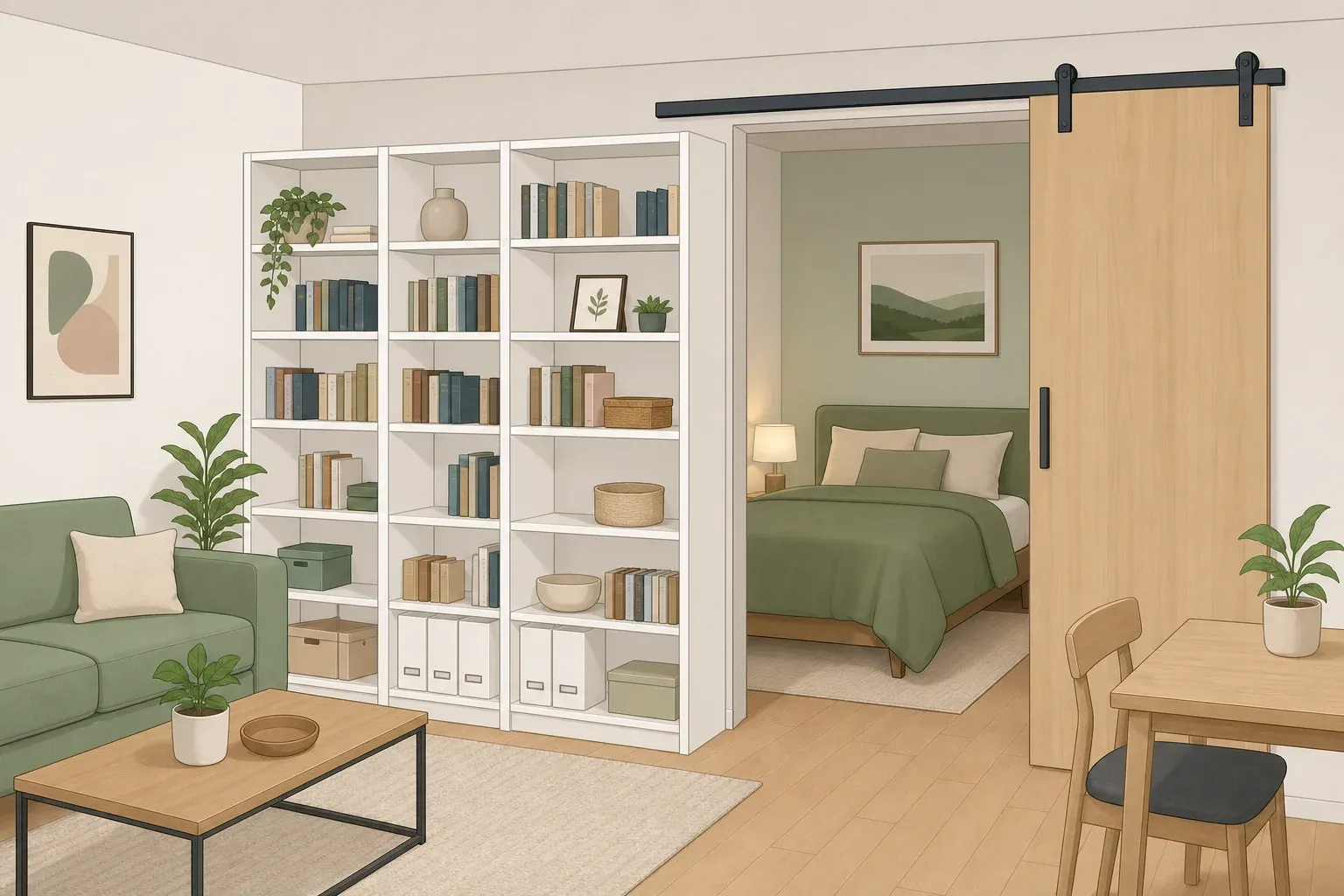
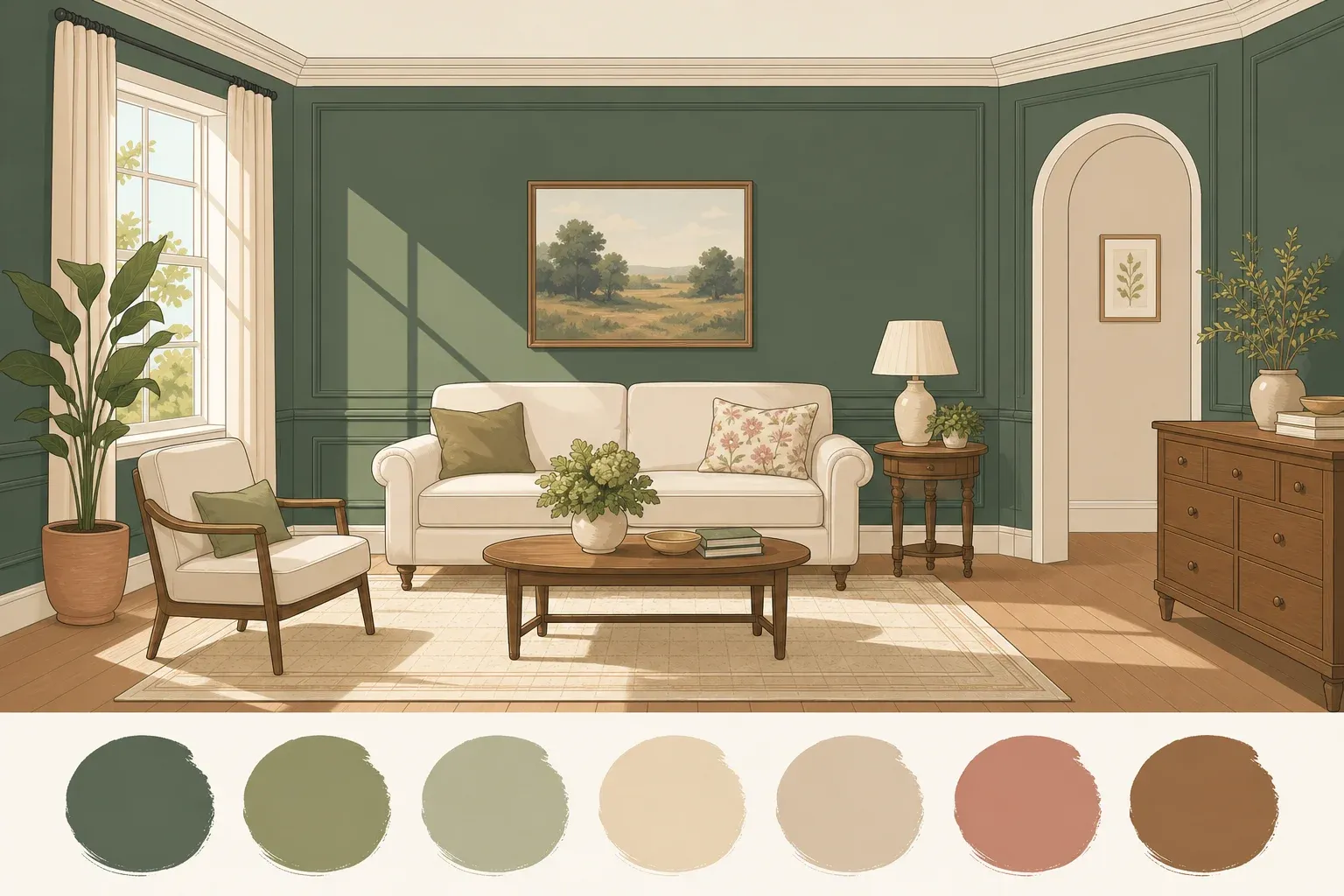
The palette runs to warm neutrals: cream, oatmeal, sand, camel, and mushroom. Texture does much of the work: wool, linen, jute, rattan, clay, and raw wood replace the graphic motifs and matched sets that defined mass-market farmhouse. Curved sofas and sculptural ceramics soften hard architectural lines, creating what Sabagh calls "edited, lived-in minimalism" — fewer, better pieces; more negative space; a home that looks inhabited rather than installed.
One caveat worth carrying through the rest of this piece: organic modern's formal vocabulary comes primarily from designer-authored commentary rather than broad consumer survey data. It's best understood as the clearest current label for a direction many styles are moving toward, not as a fully documented mass-market consensus on its own.
Why farmhouse decor started to feel dated
The diagnosis from working designers is consistent. Jeanne Barber of Camden Grace Interiors told Good Housekeeping the style had been "taken out of context and slapped on everything": black-and-white board-and-batten exteriors applied to urban townhouses and new-construction condos where the rural vernacular carries no contextual logic. Elizabeth Cross-Bear of Palm Henri Interiors added that mass application stripped the original character from the style, leaving only the surface markers, shiplap, barn doors, distressed finishes — with none of the reasoning behind them.
Ruthie Staalesen traced the collapse to television and the retail wave that followed. Farmhouse survived longer than most trends because of its peak-HGTV-era popularity, but that longevity came at a cost: every home decor retailer stocked the same kit of parts, and the result was visual sameness at scale, Good Housekeeping shares. Kristina Lawrence named the endpoint plainly: the endless gray upholstery, painted shiplap, and matched neutral sets had traveled from "cozy chic" to "monochrome blah." That does not mean every farmhouse element is outdated. Real Simple made a similar distinction in 2025: the cookie-cutter version of farmhouse is fading, but warmer, more authentic versions can still work when they are tied to the actual home rather than copied as a theme.
The style did not fail because warmth went out of fashion. It lost force when that warmth became a formula: shiplap, barn doors, gray upholstery, and matching distressed sets.
What the data says is replacing farmhouse
Zillow adds the strongest organic-modern-specific market signal. In March 2025, the company said listing keywords tied to natural materials and statement finishes — including soapstone, onyx, herringbone floors, cork floors, and Venetian plaster — were associated with homes selling for up to 3.5% more than expected, or about $12,500 more on a typical U.S. home. Zillow also described organic modernism as "the new modern farmhouse."
The broader successor is transitional design, especially in kitchen data, where Houzz found transitional remained the leading style while farmhouse continued to decline. Transitional style bridges traditional and contemporary without committing fully to either: polished wood alongside brushed metals, vintage pieces blended with modern forms, warmth created through material contrast rather than matching sets.
Unlike farmhouse, transitional doesn't arrive with a fixed kit of signifiers. Designer Andrea Sinkin identified why this resonates with people moving on from the formula: they still want comfort and belonging, but express it now through "meaningful choices, family heirlooms, or investment pieces" rather than coordinated themes, according to Builder Online.
The Houzz search data makes this concrete. Comparing Q1 2025 to Q1 2024, Houzz found that searches for living rooms with light hardwood floors rose fivefold, while woven wood shades and wood-paneled offices climbed nearly 1.5x each. White oak storage gained particular traction: kitchen cabinet searches up 46%, bathroom vanity searches up 20%. On color, warm schemes rose nearly 2.5x year-over-year, and "color drenching," applying a single hue across walls, trim, and furniture simultaneously — quadrupled. Together, they point to a broader move away from cool-neutral sameness.
The vintage numbers reinforce the same direction. Houzz searches for vintage bathroom vanities quadrupled year-over-year; china cabinets and hutches rose nearly threefold; vintage living rooms and kitchens each roughly doubled. Searches for French country bathrooms rose 54%, French country chandeliers quadrupled, and modern French country kitchens climbed 45%. The common thread is a move away from theme-driven rooms and toward spaces that feel assembled over time.
Pinterest's summer 2025 report, covered by Better Homes & Gardens, complicates the "farmhouse is dead" narrative: "farm cottage aesthetic" searches rose more than 900%, while "thrift decor ideas" rose nearly 700%. That suggests consumers still want farmhouse-adjacent warmth, but they are looking for it through thrifted, vintage, and individual pieces rather than coordinated big-box sets.
Organic modern vs. farmhouse: key differences
Transitional design names the broader direction: personal, layered, and old-meets-new. Organic modern is one practical route into that look.
The palette shift is the most visible difference. Where the farmhouse formula defaulted to stark white and cool gray, organic modern builds warmth through earthier neutrals, natural texture, and softer shapes. The Houzz color-drenching surge fits that larger move away from cool-neutral sameness.
The structural difference is density. Farmhouse assembled warmth through accumulation: gallery walls of signs, clusters of matching accessories, full coordinated sets shipped in one box. Organic modern works the opposite way: fewer pieces, more presence, more negative space. One well-chosen object does more than ten coordinated accessories, says Shadia Sabagh. The Houzz vintage surge connects directly here: a single heirloom piece creates "assembled over time" quality that no new purchase replicates.
A Pennsylvania home profiled by Architectural Digest in 2025 shows the shift in practice. JAM blended farmhouse vernacular, Scandinavian minimalism, and the owners' vintage Scandinavian furniture, then layered art and décor gradually after the family moved in. The useful lesson is not the exact style mix; it is the slower, more personal way the rooms came together.
How to update farmhouse style without a full remodel
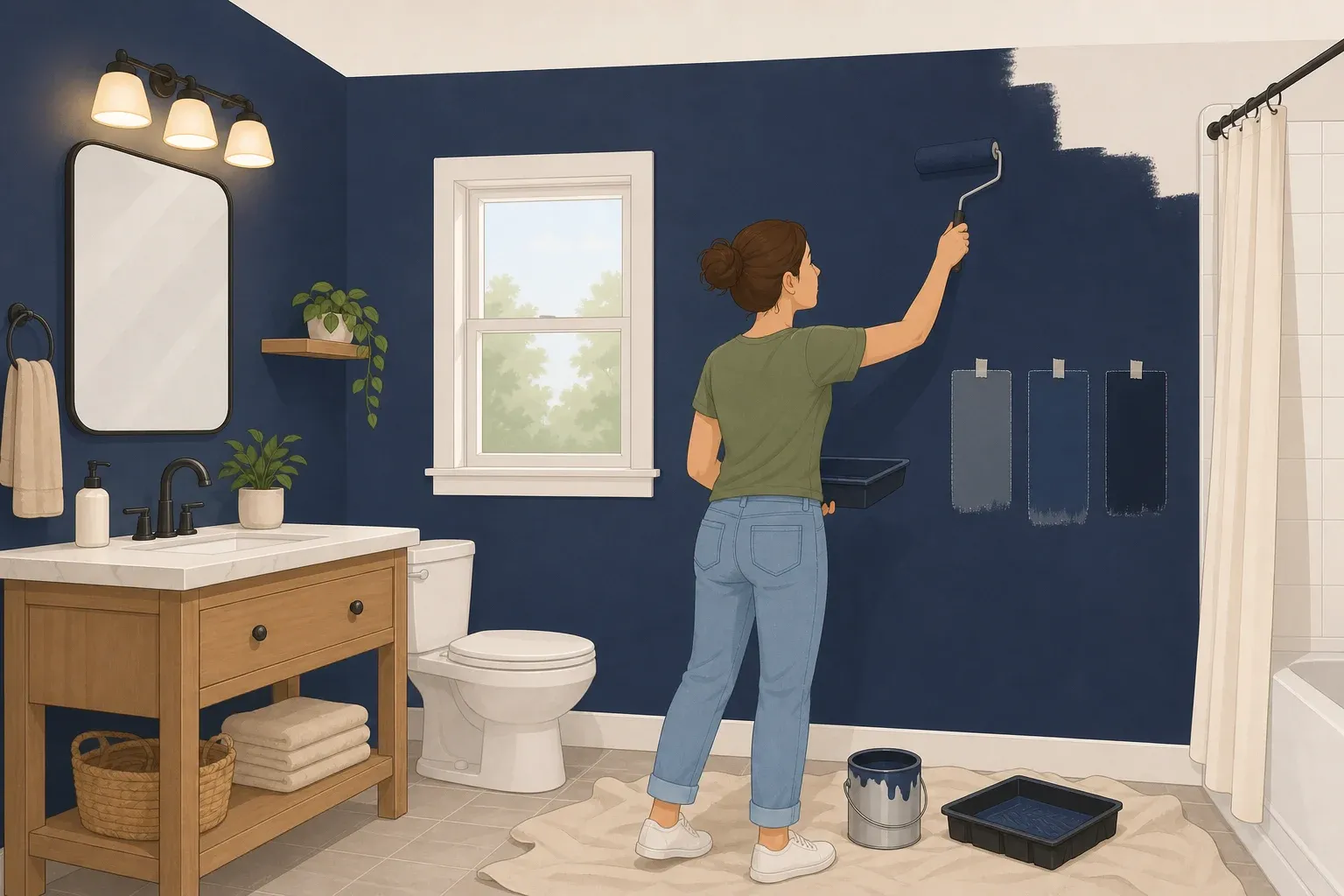
The gray-and-white scheme is the most reversible part of the farmhouse formula and the fastest thing to address. Lawrence's advice, per Good Housekeeping, is direct: add warm color, deeper hues, and more personality. Cream, oatmeal, sand, and warm taupe read differently than cool white on walls. They also make the natural wood already present in most farmhouse homes look intentional rather than leftover.
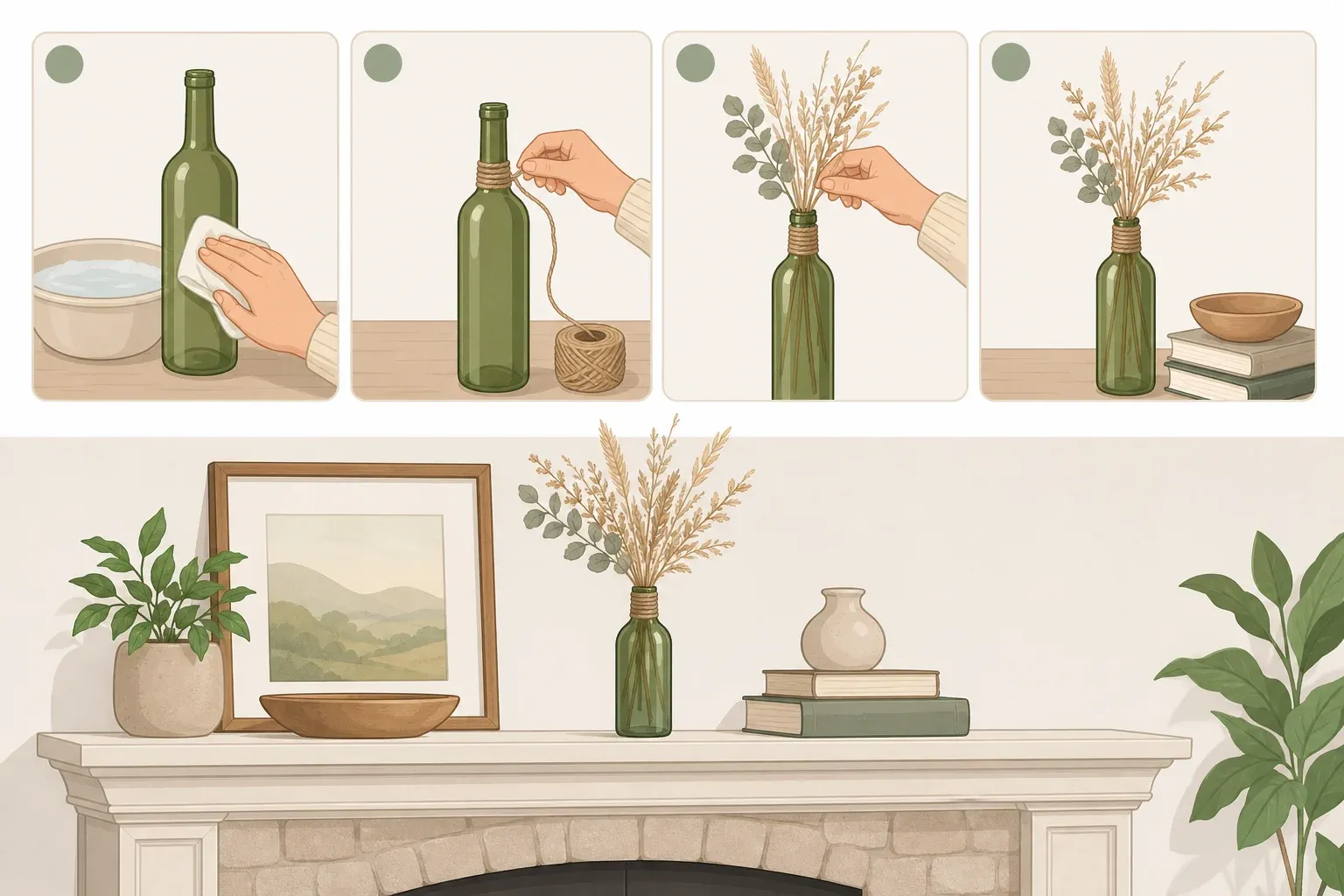
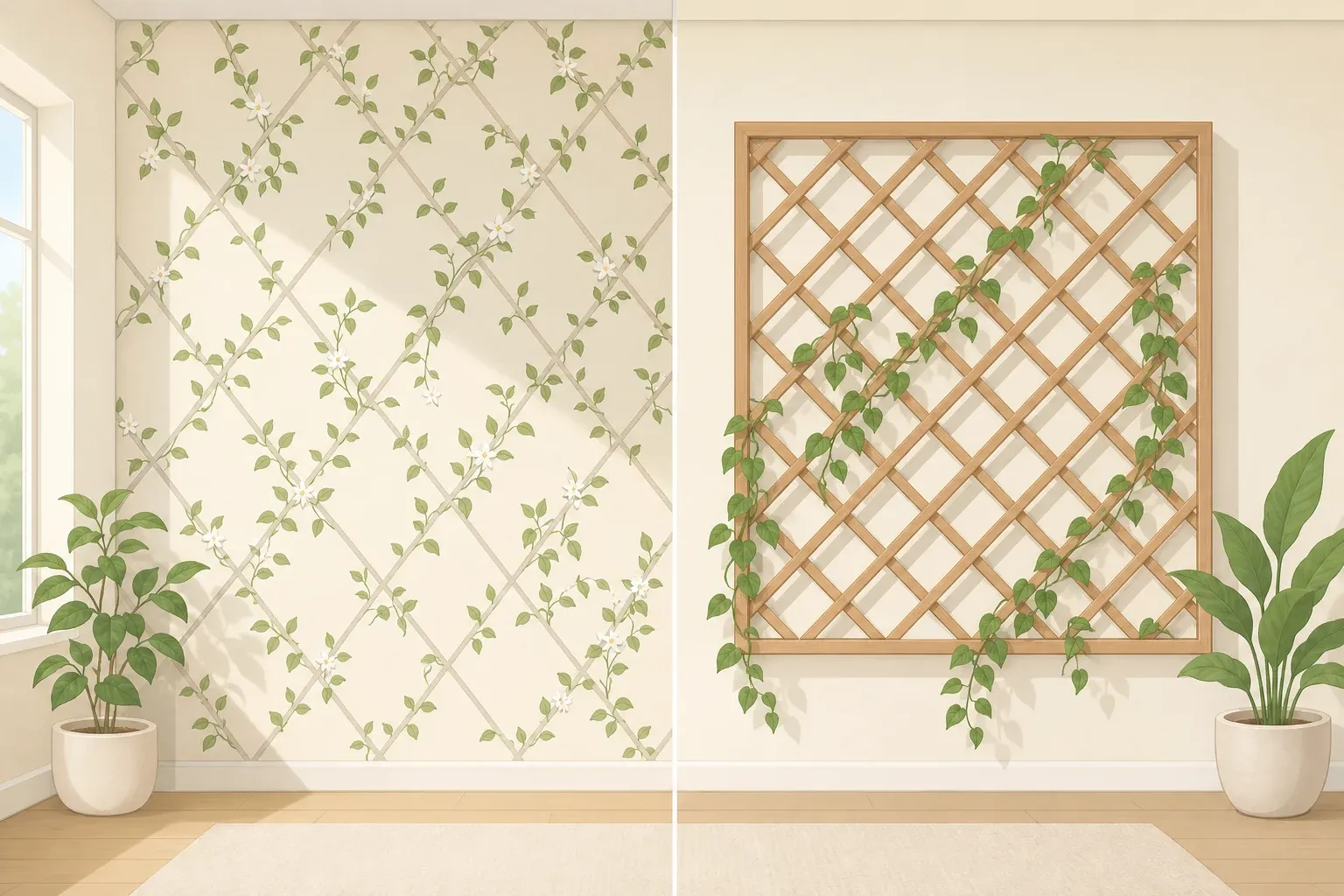
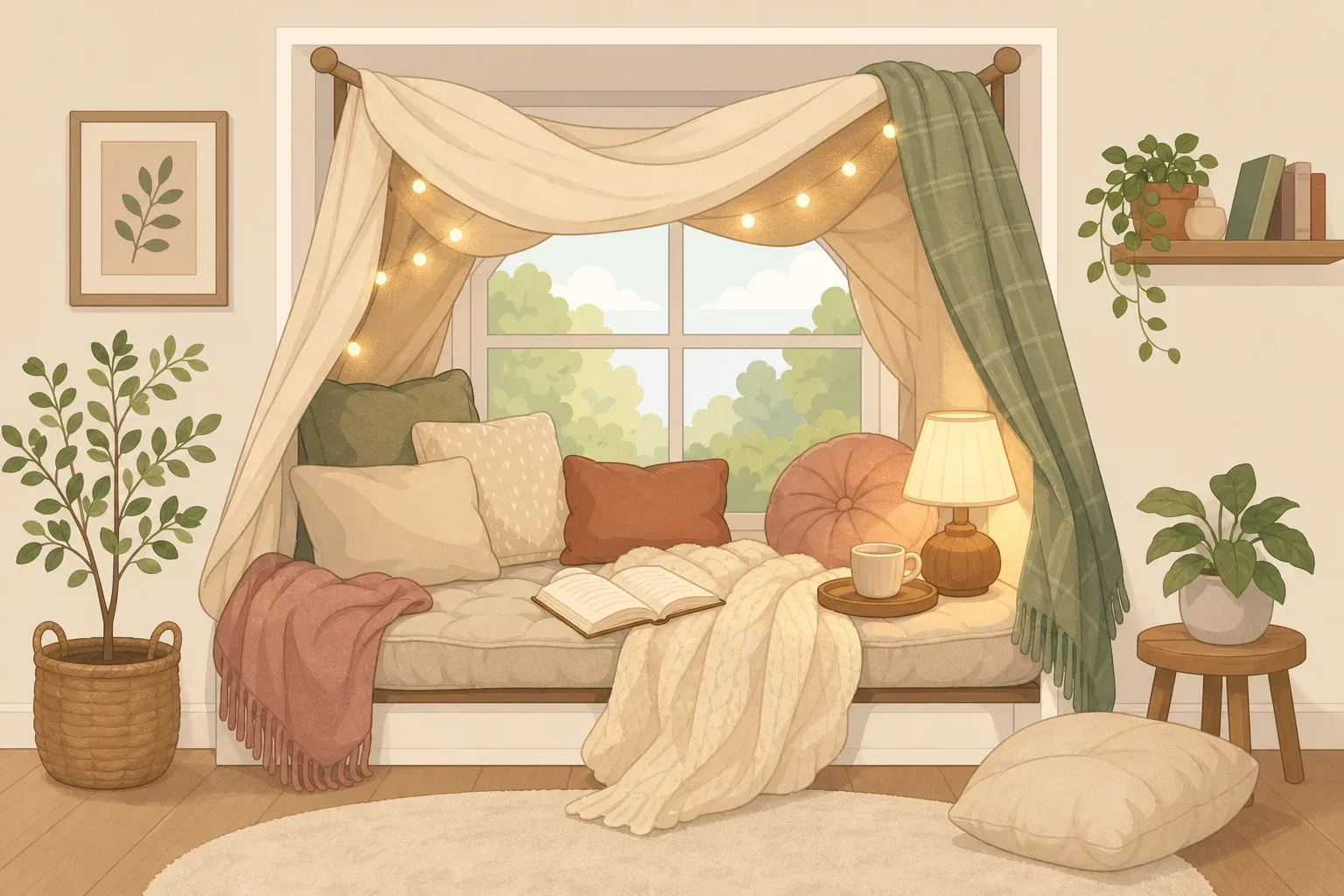
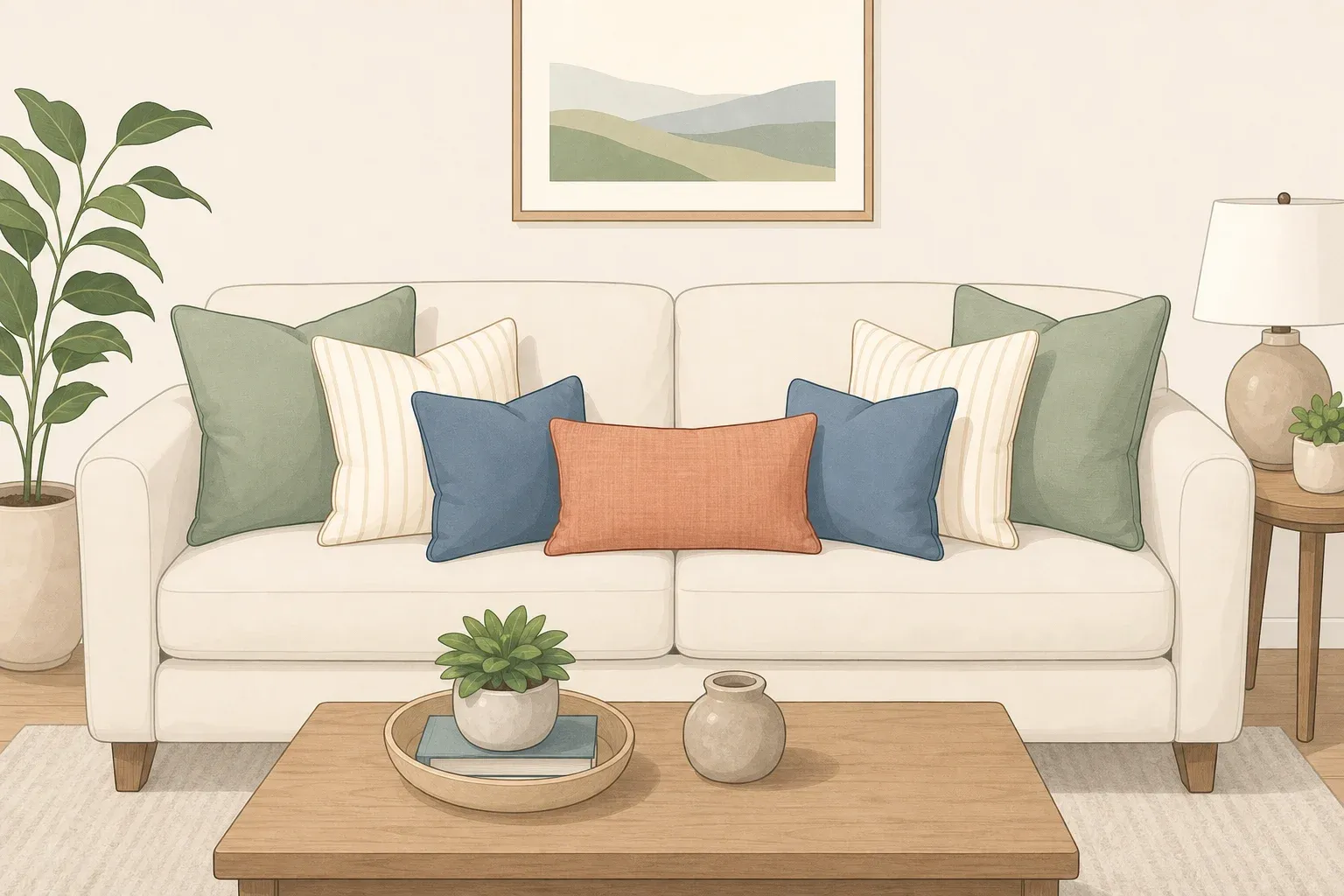
Next: swap pattern for texture. Farmhouse relied on graphic motifs, buffalo check, stenciled signs, matched upholstery sets. Replace them with tactile materials: a wool throw, linen curtains, a jute rug, a ceramic lamp. Anchor the room with one natural focal piece: a wood coffee table with visible grain, a stone bowl, or a handmade ceramic. The goal is to add something tactile, not just decorative.
Third comes the deliberate vintage or individual piece. Houzz's fourfold rise in vintage vanity searches and Pinterest's near-700% jump in "thrift decor ideas," per KBB/Houzz and Better Homes & Gardens, confirm this is already where consumers are heading. One good vintage or heirloom piece creates the quality of a room built over time better than any new purchase. This doesn't require a full furniture replacement. It requires one deliberate addition.
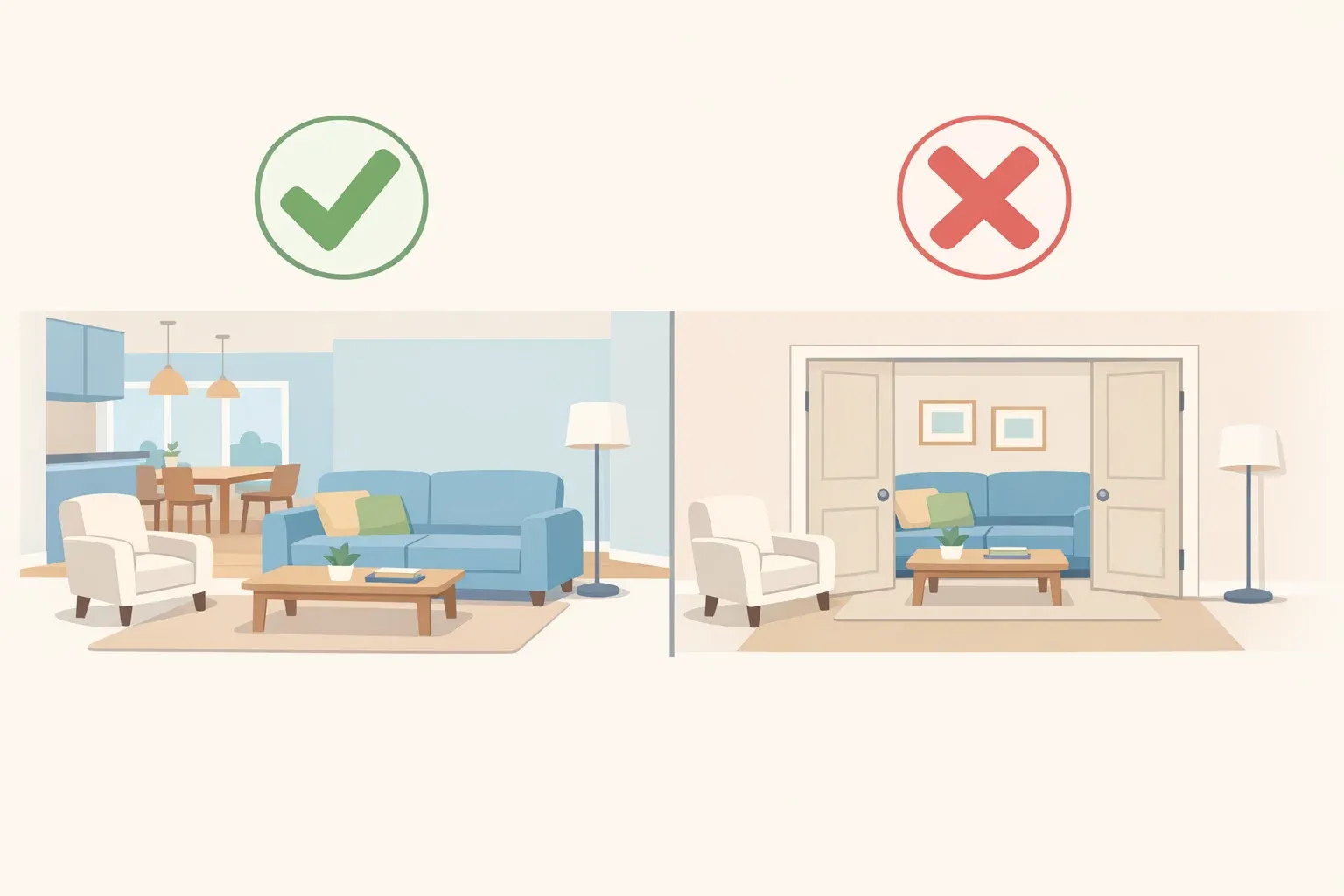
On what to keep and what to retire: natural wood floors, exposed beams, stone surfaces, and warm metals are assets in the new direction, not liabilities. White oak is up 46% in Houzz kitchen cabinet searches, which suggests the material has not aged out — only its pairing with cool grays and stark whites has. The elements worth retiring are the graphic formula markers: white shiplap as a dominant wall treatment, sliding barn doors in non-contextual settings, and matched distressed sets. A barn door can make sense in a true farmhouse or utility space. In many suburban kitchens, though, it reads more like shorthand than substance.
What the shift matters
Sinkin's summary captures what the successor styles share: "Mixing old with new allows you to have longevity, adds to the sustainability factor, and avoids being a one-hit wonder," Builder Online notes. That's not a trend description. It's the alternative to following one.
The practical implication extends to new builds. A farmhouse footprint filled with transitional or organic modern choices will hold its character longer precisely because no single retail moment can replicate it. The vintage surge, thrift spikes, and emphasis on fewer, better pieces point to a behavioral shift as much as an aesthetic one. Buy less, choose more deliberately, and build over time rather than installing a finished look all at once.
The most lasting interiors are not replacing farmhouse with another fixed theme. They are keeping the comfort people liked about farmhouse while swapping the formula for warmer materials, older pieces, and choices that feel specific to the household.
Comments
Be the first, drop a comment!