



Candle Sconce Trend Explained: Roots, Ritual, and Retail Evidence
There's a specific quality of light most people have experienced without ever quite naming it. Warm, low, distributed across a room from multiple sources rather than washing down from a single overhead fixture. You might have encountered it in a roadside inn, a period film, or the dim wood-paneled dining room of a chain restaurant working very hard to feel old. The candle sconce trend is, at its core, a consumer attempt to bring that quality of light home, and by late 2025, a single but telling retail snapshot suggested it had moved well past the mood-board stage.
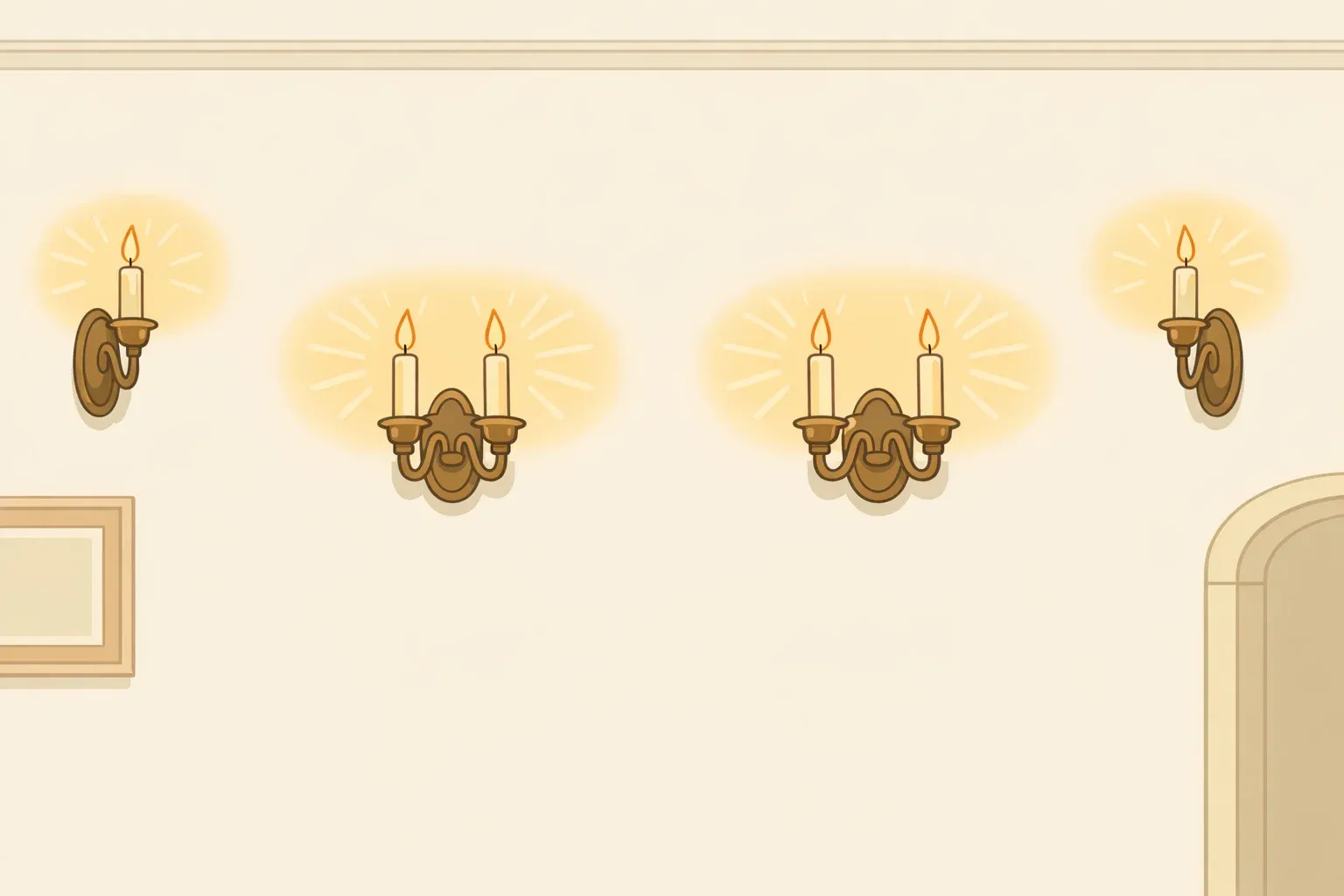
The object category is specific and worth defining clearly. A candle sconce is a wall-mounted fixture designed to hold a taper or pillar candle, with no wiring and no switch. The broader aesthetic, wrought iron candelabras, brass arm sconces, ceramic wall holders, falls under the same umbrella. "Tavern-style lighting" is the shorthand: warm, pre-electric, and deliberately weight-bearing in a room.
A late-2025 retail snapshot documented by Architectural Digest shows decorative wall candle holders available simultaneously from Pottery Barn, Anthropologie, Magnolia, Ferm Living, GreenRow, Lulu and Georgia, and boutique studio Enso, with entry prices starting around $75. That kind of spread across mass-market, design-forward retail, and independent makers suggests the trend had cleared the threshold from editorial wishlist to actual consumer offering, though it says nothing definitive about sales volumes.
The most useful frame for understanding why: nostalgia supplies the aesthetic vocabulary; a specific values shift around ritual and attention explains the timing; and the retail breadth, such as it is, indicates the demand is real enough that brands decided to bet on it.
The aesthetic has roots, and they're specific
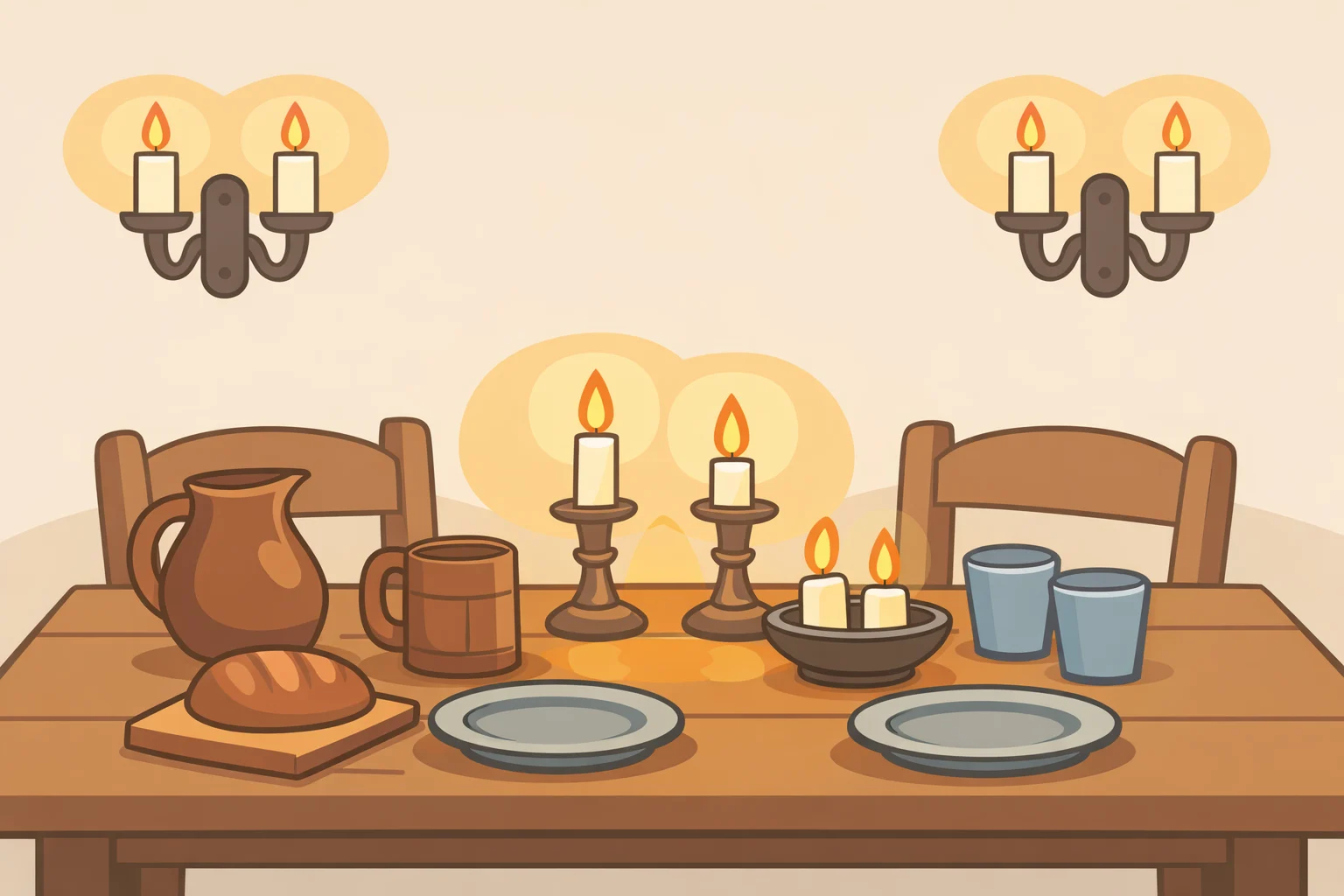
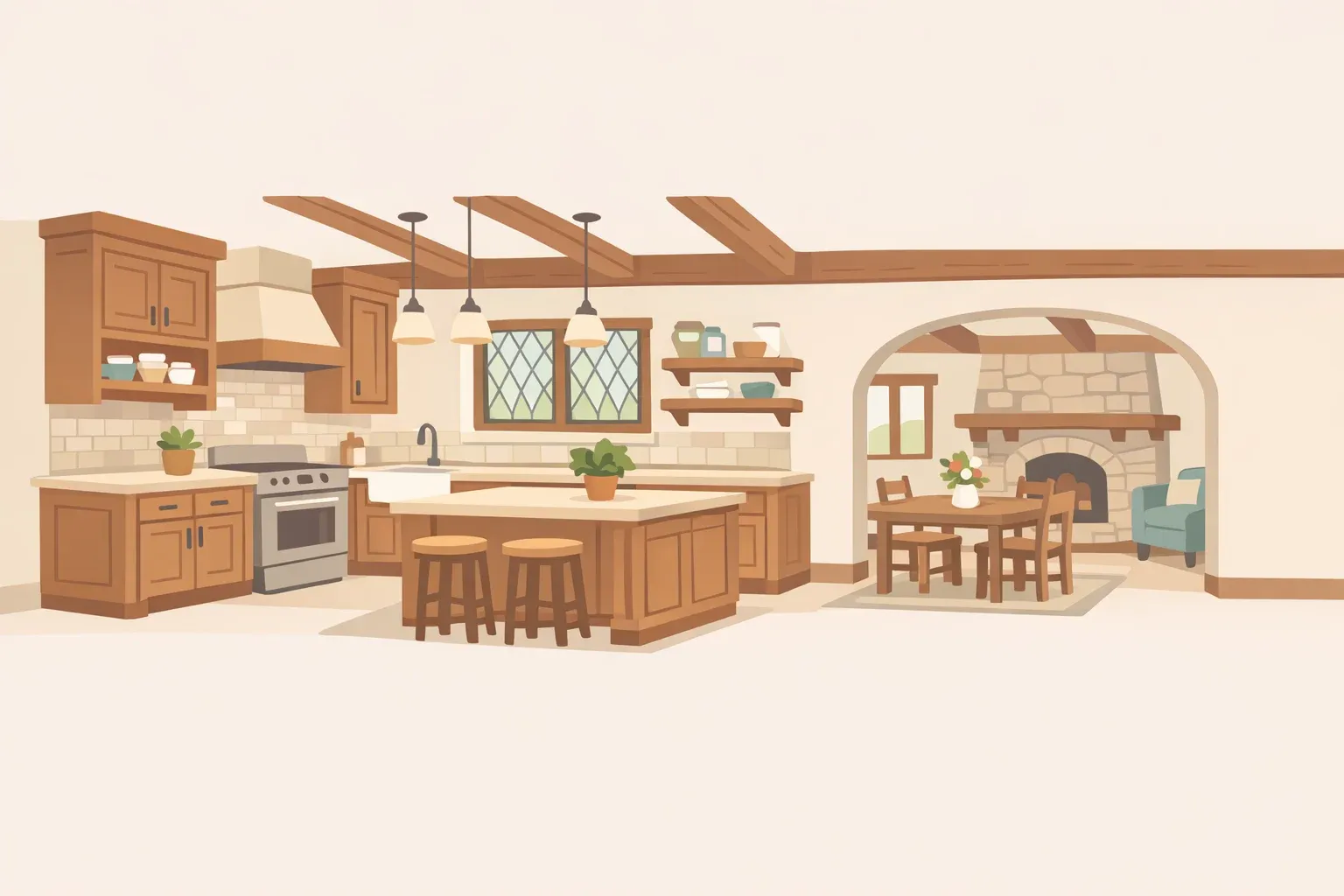
The visual template people recognize isn't primarily drawn from a designer's inspiration board. It's a room with exposed beams, wrought iron hardware, and light arriving from multiple low sources rather than one central fixture overhead. That image lives in collective memory across historic inns, period films, and chain restaurants that built their dining rooms around it. The Pizza Hut of the 1970s and 1980s, with its stained-glass pendant lamps and candlelit tables, was a mass-market attempt at exactly this effect. The image stuck, even if the association has faded.
The contemporary reference point that concentrated design attention in 2025 was Stissing House, a historic tavern in Pine Plains, New York. Wrought iron candelabras hung from its exposed beams; chambersticks lit each white-clothed table, per Architectural Digest. The result was widely cited as the kind of hospitality interior people wanted to reconstruct at home. Stissing House works as a reference not because it invented anything, but because it demonstrated how completely the effect could land in a contemporary setting.
The sconce revival also connected to a broader wave of interest in pre-modern domestic aesthetics. Architectural Digest linked it to renewed enthusiasm for Jane Austen-era interiors, which also brought back canopy beds and other fixtures of an earlier romantic visual vocabulary. This is editorial interpretation, not survey data. But it places the candle sconce inside a wider cultural appetite for domestic objects that carry historical weight, and the retail response suggests that interpretation wasn't wrong.
The aspirational reference points in the same AD coverage illustrate what the translation looks like in practice. Designer Beata Heuman placed oversized wrought iron sconces above a fireplace mantle in her London townhouse. Patrick Janelle used brass candle-bearing sconces at regular wall intervals in his dining room, less decorative than architectural, functioning as a working grid of warm light. Both read as contemporary interpretations of the same historical template, updated in material and proportion rather than concept. Neither looks like a period recreation; both look like rooms where someone made deliberate choices about light.
What the nostalgia is actually for, when you look at these examples, is a quality of light. Warm, distributed, slightly unsteady. The object is the vehicle. What the room gains is something that overhead electric fixtures replaced and that most modern interiors haven't recovered.
Why the candle sconce trend fits today's candlelight interior design mood
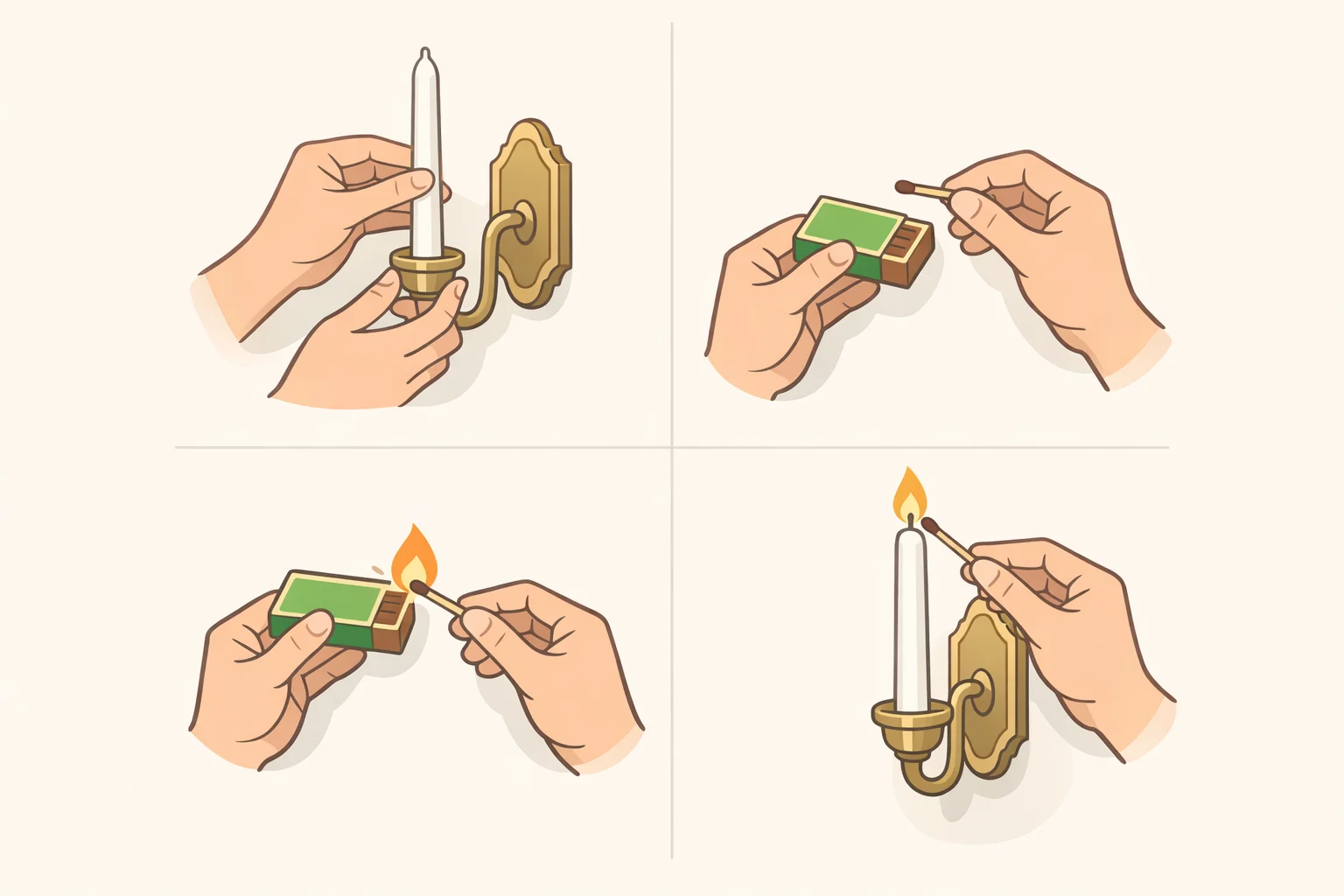
The most substantive explanation for why candle sconces were gaining ground specifically in late 2025 comes from Yuria Kailich, cofounder of Brooklyn-based studio Enso, which produces hand-patinated wall-mounted candle holders. She frames the appeal as a reaction against what she describes as "a culture that moves quickly and adores convenience," per Architectural Digest. The pitch isn't ease. It's the opposite.
Her language is precise and worth quoting directly. "People are craving objects that ask a little more of them, that invite them to pause, to touch, to light, to arrange and rearrange, and to return to the same small gestures over time," as Architectural Digest quoted her. She calls these objects "small anchors," the opposite of passive decor, because they establish a daily micro-ritual between person and object. This is the spine of the trend's appeal, and it's distinct from the nostalgia argument. Nostalgia explains the aesthetic. The ritual argument explains why 2025 specifically, rather than any year before it.
Interior stylist Colin King arrived at a similar conclusion through a different route. Time spent in Copenhagen, where the sun sets at 3:30 p.m. in winter, built a habit of eating by candlelight that he described as carrying "a romance to it that I really got into," per Architectural Digest. He named a mirrored sconce with a taper candle as one of his preferred tools for conjuring warmth during darker months. The Scandinavian context is worth noting: in climates where artificial light is inescapable for months at a time, managing it deliberately with candles reads less like an aesthetic preference and more like a practical adaptation that happens to look good.
Xavier Donnelly, the designer behind the Stissing House interior and creative director at Ash, makes the functional intent explicit. "I put sconces up to be used, not just looked at," as Architectural Digest quoted him. "I include them in any room I want to feel bewitching in the way only candlelight can manage." The sconce, in his practice, is a working tool specified the same way a designer would specify task lighting, not an ornament added after the fact.
The honest counterpoint is that real-flame sconces introduce real friction, and not all of it is desirable. Fire safety, wax drip on walls and floors, adequate ventilation, and incompatibility with rental walls are practical constraints the trend discourse largely glosses over. These aren't hypothetical concerns; they're the difference between the romanticized version and the daily-use reality. LED candle inserts in a wall-mounted holder achieve the visual effect without the risk, and a version of the ritual still exists in the lighting and returning to the fixture each evening. It's a reasonable workaround, even if it does remove some of what Kailich is describing.
Where wrought iron candle sconces work best at home
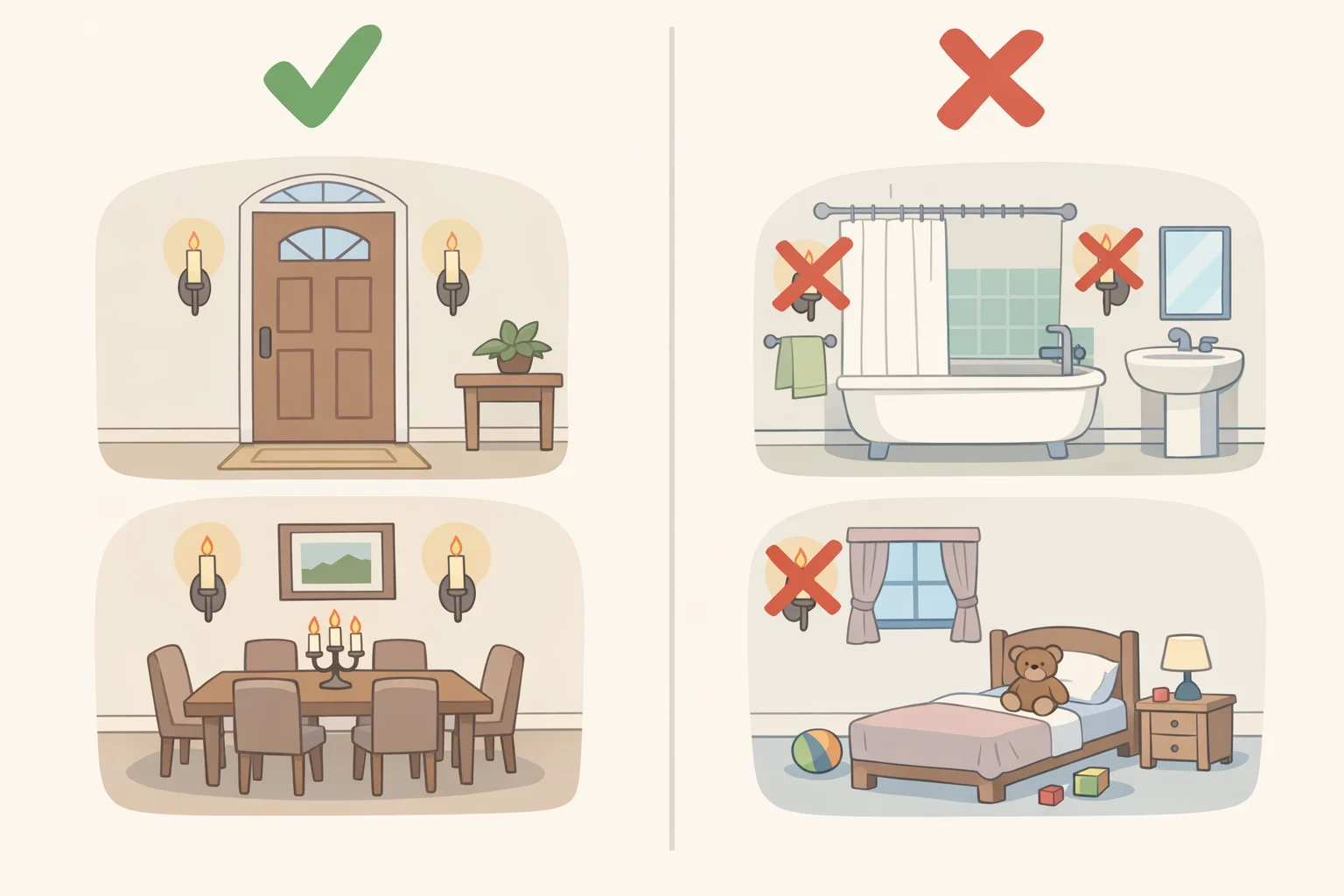
The practical decision is shorter than it looks, but it connects directly to the atmospheric logic behind the trend.
Dining rooms and entryways are the strongest rooms for real-flame sconces. Traffic is lower, there's space for light to distribute across walls and surfaces, and daily movement through both rooms creates natural pauses where a lit sconce actually registers. The effect Donnelly describes, a room that feels genuinely atmospheric rather than just illuminated, depends on having space for the light to do something. A narrow hallway with a single sconce at shoulder height achieves this more reliably than an open-plan kitchen with a sconce tucked between cabinets.
Bedrooms work with adequate ventilation and attentive use, though the practical case for real flame while sleeping is thin. LED inserts are a more sensible solution in that room. Kitchens and bathrooms are harder to justify on safety grounds with open flame; the proximity to materials, water, and activity makes LED the better default.
On materials: wrought iron reads dramatic and historical, well suited to rooms with dark wood, stone, or aged plaster. Brass lands warmer and more adaptable across styles, easier to carry into a room that isn't already committed to a period aesthetic. Ceramic is quieter and more contemporary, closer to sculptural object than lighting fixture. Kailich's observation that "even materials that are often read as cold, like metal, can become part of a warm, meditative experience when they are designed to hold these everyday acts of care and attention," as Architectural Digest reported, applies directly here. The finish should reinforce what the room already carries, not compete with it.
The practical entry point into the category is genuinely low. The Sarah Sherman Samuel Ribbon Candle Sconce for Lulu and Georgia sits at $75; other options from the same retailer reach $98. The Pottery Barn Rio Bronze Wall Mount Candle Holder, the Ferm Living Agapé Candle Sconce, and the GreenRow Joan Wall-Mounted Candle Holder, all documented in the same AD coverage, represent the range from mass-market bronze to design-forward Scandinavian form. One sconce in a dining room or entryway is enough to find out whether the effect lands before committing to multiples.
Reading the retail evidence carefully
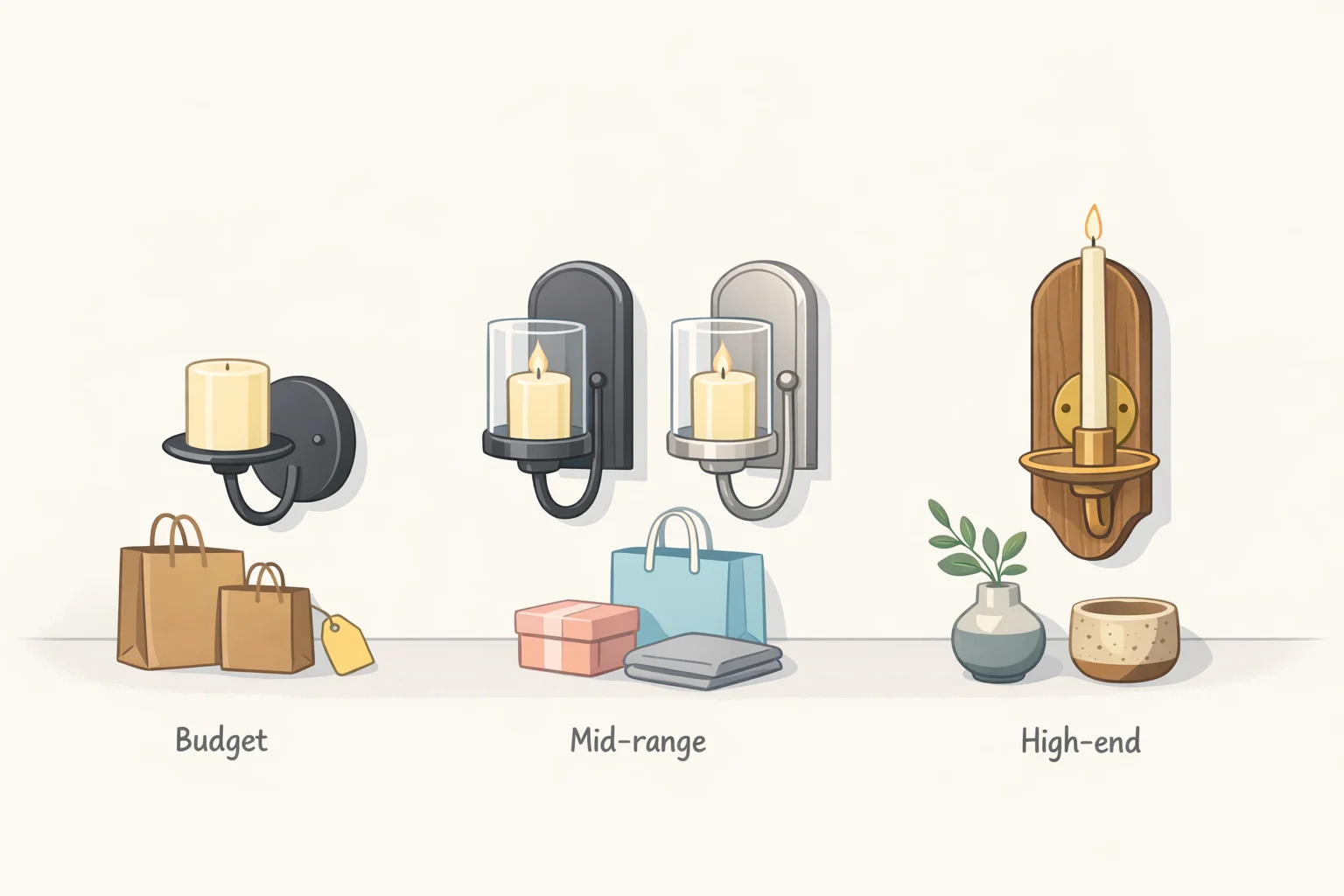
The retail snapshot deserves some scrutiny before being taken as proof of anything larger. What the late-2025 AD coverage actually documents is availability across a range of retail tiers, not sales volume, not repeat purchases, not a measurable shift in how people are spending on home goods. The presence of a category across Pottery Barn, Anthropologie, and a Brooklyn hand-patina studio tells you that buyers across those retail channels saw enough consumer interest to place the bets. It doesn't tell you how those bets paid out.
That distinction matters for reading trend durability. Retail availability can follow editorial enthusiasm rather than consumer demand, particularly in home decor, where a publication like AD carries enough cultural authority to move buyers at mainstream retailers. Whether the sconces stocked in late 2025 sold through at meaningful rates is a question the available evidence can't answer.
What the retail spread does tell you is something about the breadth of the bet. When Anthropologie introduces a Scalloped Candle Wall Sconce and Enso sells a hand-patinated Wall Mounted Candlestick to a different customer at a different price point, they're not competing for the same buyer. They're reaching different audiences with the same underlying object. That kind of independent convergence across retail tiers is more meaningful than a single mass-market launch, because it suggests the appeal is genuinely cross-demographic rather than concentrated in one design-forward niche.
The Sarah Sherman Samuel collaboration for Lulu and Georgia is the most specific signal in the dataset. Designers with established consumer followings take on product collaborations when they believe the category has legs with their particular audience. Samuel's decision to center a dedicated sconce line, specifically the Ribbon Candle Sconce, in that collection is a more deliberate bet than a retailer simply adding a product to an existing category. It's an inference rather than a reported finding, but it's grounded in how product collaborations typically work.
What the evidence actually confirms
The candle sconce trend, viewed from mid-2026 with a late-2025 dataset, is best understood as a trend with sound foundations and incomplete proof. The cultural appetite for a specific quality of light is real and well-documented. The ritual argument Kailich makes is coherent and distinct from the nostalgia argument, which is what gives the trend more analytical weight than a simple aesthetic revival. The retail breadth, while it can't confirm sales, does confirm that multiple buyers across different retail tiers saw the same signal at the same time and acted on it.
What remains genuinely open is durability. The candle sconce requires daily participation, which is exactly its appeal according to everyone cited in the available reporting. But objects that require daily participation are also objects that can be abandoned when the novelty fades or the friction accumulates. Whether the ritual holds, whether people keep lighting the sconce each evening six months in, is a question no retail snapshot can answer.
The $75 entry point makes it a reasonable test. One sconce in a dining room, real flame or LED, is a low enough commitment to find out whether the light does what the coverage says it does. If it does, the argument for adding more is self-evidently there in the room with you.
Comments
Be the first, drop a comment!