



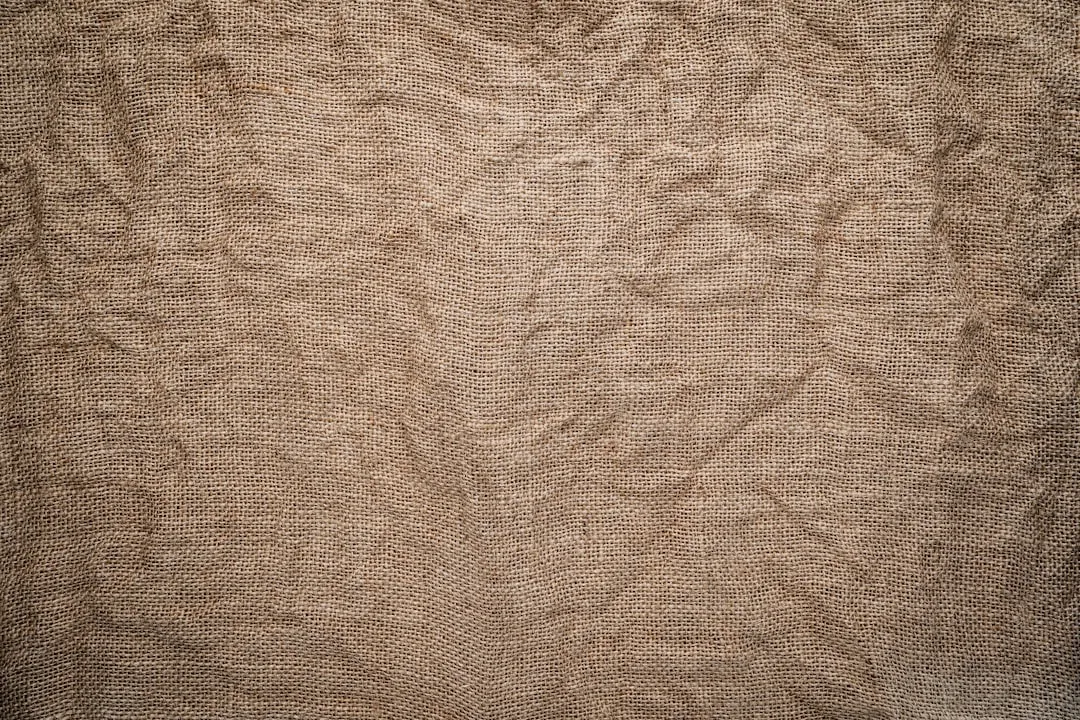
Hobby wall ideas: fabric, frames, and drapery for texture
The flat, white-matted gallery wall that dominated home interiors for the better part of a decade is giving way to something warmer and more hands-on. Silk mats. Velvet bows. Floor-to-ceiling curtain panels covering entire walls with no windows behind them. This shift toward tactile, fabric-forward hobby wall ideas is documented and specific, with real people producing results that look, in their own words, considerably more considered than the materials involved.
"Hobby wall" works as shorthand for two related approaches: fabric-enhanced framing and full-wall drapery. They share the same underlying logic. Walls should feel like something, not just display something.
The evidence base is narrower than the trend coverage implies. Both primary sources are from Apartment Therapy, and the most-quoted expert works at a framing company that sells the exact materials she recommends. That doesn't make the observations wrong. It does mean the scale of adoption beyond design-conscious media audiences is genuinely hard to gauge.
Why texture on walls works
The case for tactile walls is as much about how a room feels to inhabit as how it photographs. That distinction matters, because it explains both the appeal and why the trend appears to be holding.
Kate Twesten, director of merchandising at Framebridge, ties the shift directly to emotional payoff. Textured framing details "add warmth, depth, and personality to your wall," she told Apartment Therapy last summer, and reflect a craving for comfort "especially in our home." The self-conscious neatness of matching white frames and flat mats simply doesn't deliver that. Worth flagging: Twesten's employer stocks the materials she's recommending. The underlying observation still holds against the specific examples in the reporting, but her enthusiasm isn't neutral.
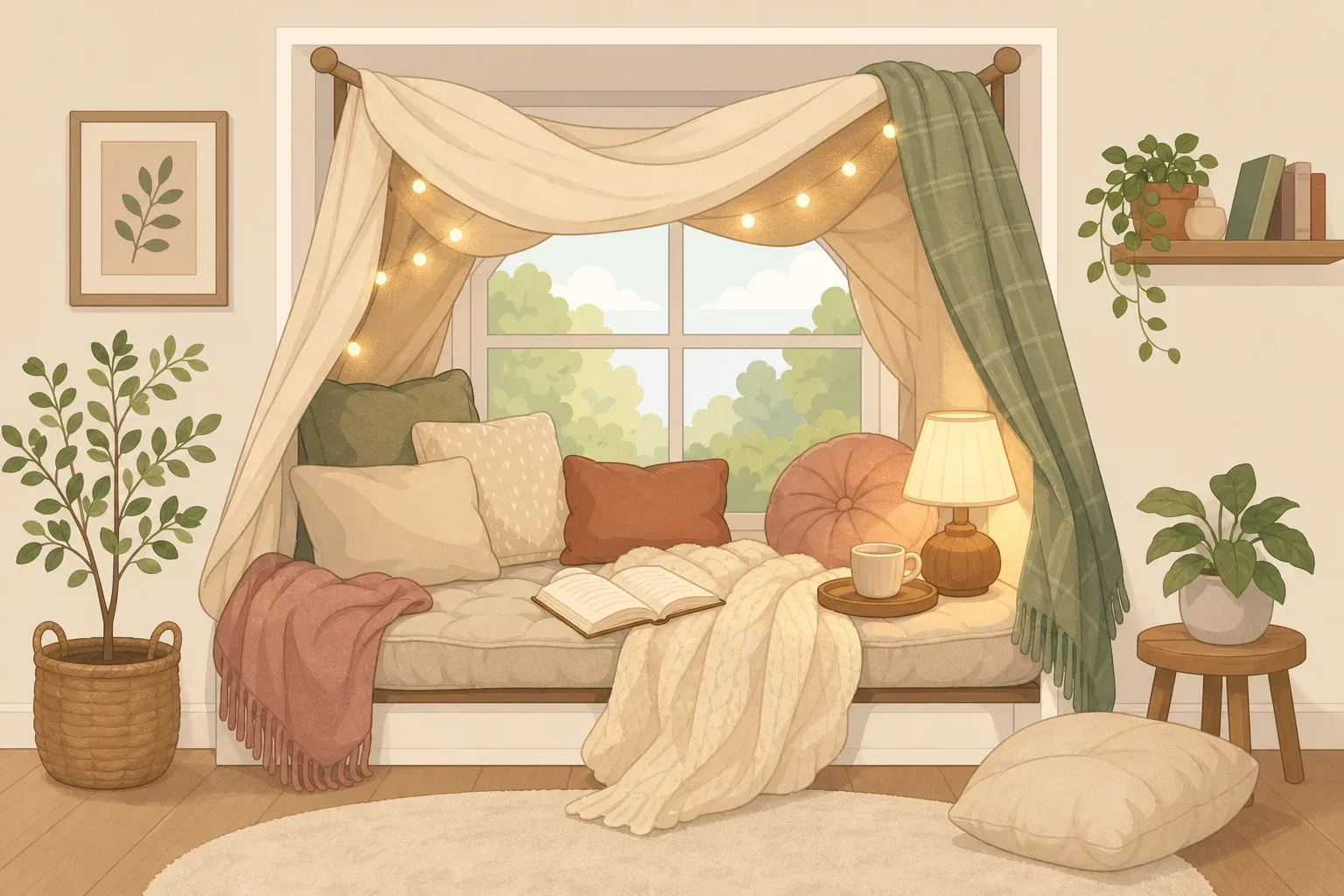
Full-wall fabric treatments make the same argument at a different scale. Curtain panels used to cover an entire wall introduce texture and the interplay of light and shadow through the drape of the pleats, Apartment Therapy reported last spring. In bedrooms specifically, the effect goes further: fabric walls can dampen noise and create what the reporting describes as a "cozy, cocoon-like feeling."
This all arrives after years of minimalist interiors that photographed well but often felt impersonal to live in. Tactile walls read as a correction. Whether that appetite extends broadly across homeowners or remains concentrated among design-engaged readers of home publications, the current reporting doesn't settle.
DIY hobby wall ideas by commitment level
Start small if you want proof before committing to a whole wall. The three approaches below run from a single-frame upgrade costing almost nothing to a full room treatment requiring real planning. Each step is a meaningfully different undertaking; they are not variations on the same casual project.
Level one: Single-frame fabric upgrade
The lowest barrier and best-documented entry point is adding fabric to a single frame. Breaux, a homeowner featured by Apartment Therapy last summer, wrapped fabric around the mat and frame of a personal photo she'd printed at home and mounted in an inexpensive IKEA frame. "Just adding fabric to the mat and frame of the art piece makes the piece seem much more expensive-looking," she said. "Its presence now feels bigger and more imposing." The source describes the approach as achievable "fairly easily and inexpensively," without specifying a dollar figure.
One piece, one afternoon, visible result. For anyone working from a craft stash or with fabric scraps already on hand, the cost approaches zero.
For material guidance, Twesten recommends silk mats for their subtle sheen, noting they pair well with dark hardwood frames like walnut or cherry. Linen reads more understated. Cork, which she describes as "a really versatile material," works across modern and traditional styles and leans slightly playful with brighter color pairings, according to Apartment Therapy. Twesten's employer stocks all of these, so independent sourcing is worth exploring, but the material logic itself holds.
Level two: Textured gallery wall as a room feature
Once one piece works, the natural move is a grouping. A textured gallery wall applies the same fabric-forward logic across multiple pieces arranged together. This is where a single accent becomes a room feature, and where the format starts offering something level one cannot: scale and composition.
Designer Amanda Jacobs of Amanda Jacobs Design describes one particularly useful variation. A small print placed inside an oversized frame with generous velvet matting was "such a striking and unique way to create the impact of a large artwork without needing a big print," she told Apartment Therapy last summer, adding that she plans to incorporate the idea into future projects. Scale through framing, not through buying larger work. For anyone with a limited art budget, that's a genuinely useful reframe.
Ribbon and bow details offer a complementary layer. Renters Zachary Host and Taylor Kidd incorporated silk bows into the guest bedroom gallery wall of their maximalist Houston apartment, citing designer Mario Buatta as inspiration. The silk reflects light and reinforces what Apartment Therapy calls their "3D-ness," adding dimension to what would otherwise be a flat arrangement. Jacobs uses a similar detail in a residential project, hanging a velvet bow above a Swedish oil painting; the source describes it as adding "a pop of interest that's still subtle and doesn't take away from the art."
Choosing level two over level one makes sense when one piece isn't enough wall to work with, or when the goal is a statement rather than an accent. It remains reversible and manageable without specialist installation.
Level three: Full-wall drapery
Wall drapes occupy a genuinely different category of commitment. Curtain panels hung floor-to-ceiling across an entire wall, whether or not windows sit behind them. Where windows are present, the panels cover them completely rather than framing them. Apartment Therapy tracked the treatment appearing in high-end designer spaces, boutique hotels, and ordinary house tours last spring, most often as a backdrop behind a bed or sofa in place of a painted accent wall or gallery display.
They serve double duty. In living rooms, the effect is primarily atmospheric, with panels behind a sofa functioning as a textural backdrop. In spaces with problems to solve, they can do real functional work: concealing exposed sliding closet doors in a Brooklyn apartment, hiding a small window with an unremarkable view, or covering an awkward secondary door that sees little use, Apartment Therapy reported. In bedrooms, the benefits also include noise dampening, which is a different kind of payoff than a gallery wall offers.
Fabric choice drives the style outcome. Solid drapes read as quiet luxury. Velvet suits bedrooms and more dramatic spaces. Printed fabrics work in maximalist or eclectic schemes. "This trend really runs the gamut from minimalist to maximalist, depending on what fabric you choose," Apartment Therapy noted. The fabric is the single biggest decision.
Practically: panels should start at the ceiling and reach the floor, and volume is part of the effect, so multiple panels per wall are typical. Renters can mount using a tension rod with rod-pocket drapery to avoid drilling, and art can still be hung over the fabric using fishing line, Apartment Therapy advises. Ceiling height may require custom sizing, which makes cost harder to predict. That's reason enough not to treat this as an impulse decision.
Three levels compared: choosing what fits your situation
The reporting supports a clear framework for deciding where to start.
Cost. Level one is described as "fairly easily and inexpensively" achievable, with the IKEA-frame example as the clearest proof of concept. Level two adds sourcing time but remains in the same general range. Level three involves multiple panels and potentially custom sizing, making it the least predictable of the three.
Reversibility. All three levels are reversible in principle. Fabric-wrapped frames and ribbon accents require no permanent installation. Drapery panels hung via tension rod can come down without leaving marks, but ceiling-to-floor panels involve more effort to source, install, and adjust, so the practical cost of reversing course is higher.
Visual payoff. Level one produces a noticeable change to a single piece. Level two produces a room feature, using texture and composition to create impact across a full grouping. Level three changes the character of an entire wall, with the most dramatic effect in bedrooms, where the reporting specifically notes functional benefits beyond aesthetics.
Renter suitability. Levels one and two carry essentially no risk for renters. Level three can work without drilling via tension rods and rod-pocket panels, though ceiling height constraints may complicate things.
Maintenance. The reporting focuses on how these treatments look at installation, not over time. Fabric surfaces, by nature, behave differently than smooth painted walls. That's a reasonable planning consideration the trend coverage largely skips over.
What the trend coverage doesn't tell you
The evidence base here is worth being clear about. Both sources are from last year's reporting, the examples are vivid and specific, but "tons of high-end spaces" is a signal, not a measurement. How broadly this is spreading beyond design-conscious media audiences is genuinely unclear.
The practical gap between the three levels is also bigger than trend writing tends to acknowledge. A single-frame fabric upgrade is inexpensive and takes an afternoon. A textured gallery wall adds planning and sourcing but remains straightforward. A full drapery wall involves measuring, sourcing enough panels for adequate volume, and potentially custom sizing for ceiling height. Treating all three as variations on the same accessible weekend project understates what level three actually involves.
For renters and beginners, levels one and two carry the lowest risk and the clearest documented payoff. The Breaux IKEA-frame example is the most thoroughly grounded proof of concept in the available reporting: one piece, minimal cost, a specific person describing a specific result. For bedrooms where atmosphere and noise management are genuine priorities, the drapery wall offers the most impact at the highest cost and planning investment.
Where to go from here
The most accessible and well-documented starting point remains the single-frame fabric upgrade. Breaux's IKEA frame looked more expensive. Jacobs's velvet mat created the visual authority of large-scale art from a small print. Concrete, reproducible outcomes from specific people working with inexpensive materials.
The practical path for most people is one piece before a whole wall. Pick an inexpensive frame, wrap the mat in silk or linen, hang it, and see whether the effect justifies going further. A textured gallery wall is well within reach from there. If a full drapery wall eventually beckons, the planning should go in with a clear picture of what it actually involves.
The instinct behind all three levels is the same: make the walls feel like they belong to someone.



Comments
Be the first, drop a comment!