



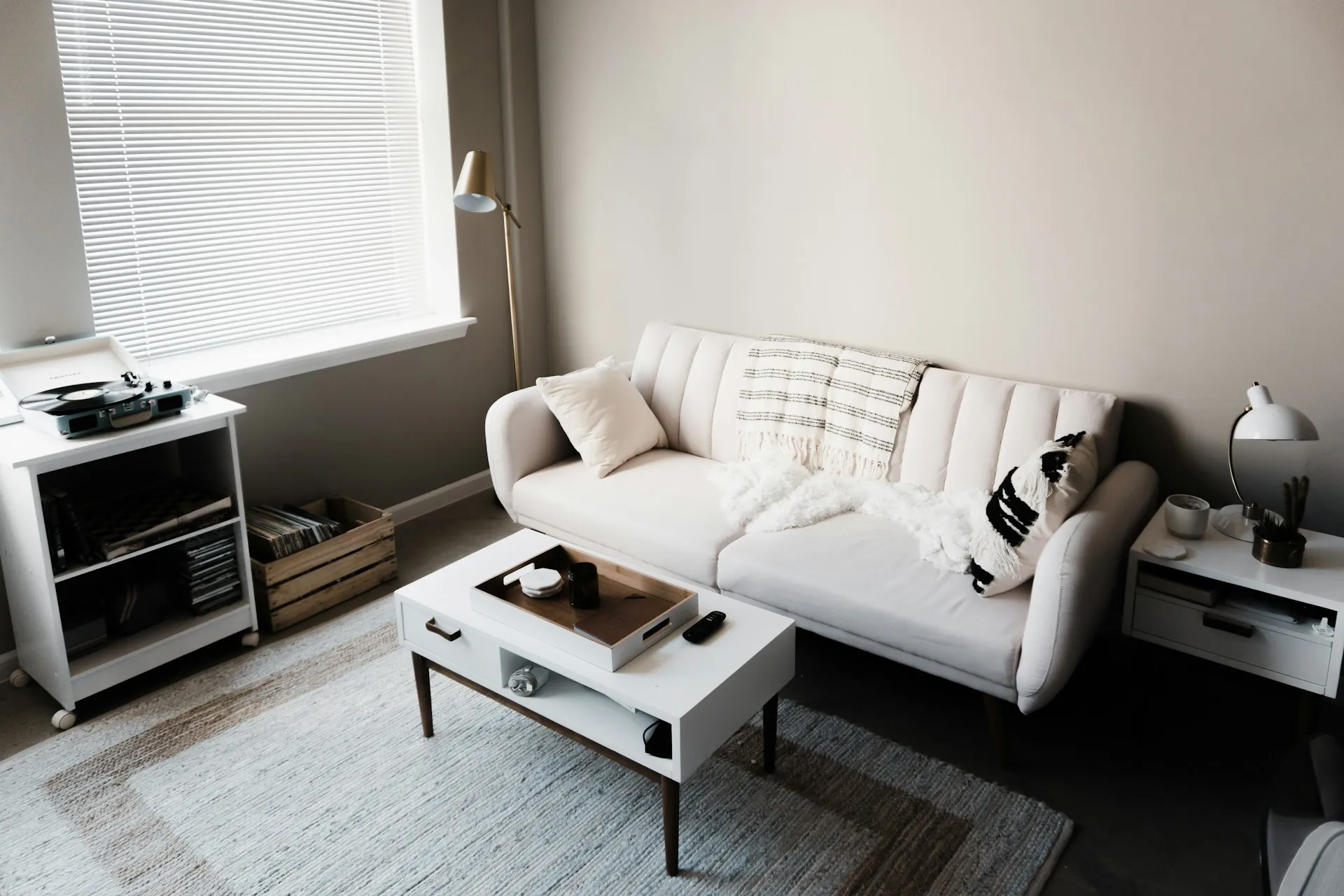
A spare room with a bed nobody sleeps in, a dresser nobody opens, and walls painted a color chosen to offend nobody is not a generous design. It is a daily waste of square footage dressed up as hospitality. Knowing how to host guests without a guest room isn't a consolation prize for people who lack space. It's a smarter approach for nearly everyone who has a spare room and uses it badly.
The numbers make this hard to argue against. A 2025 survey of more than 2,000 U.S. homeowners found that 90% consider rooms that support multiple uses very or moderately important when choosing a home, and 86% said they'd pay a premium for a well-designed one, according to Hippo. The most-wanted flex use, at 52%, was a guest room or convertible bedroom, ahead of a dedicated home office at 46%. Homeowners aren't choosing between daily function and hosting. They want both from the same room.
The single-purpose spare room is swimming against the current of how homes are being built, bought, and lived in.
This piece covers five ordered decisions that turn a reluctant spare room into one with a real daily job, a room that still resets for guests in under 15 minutes. It ends with the argument for why personality is infrastructure, not decoration.
Why "playing it safe" is the more expensive choice
The dedicated guest room has a legitimate use case. Households hosting adult children for extended stretches, families supporting aging parents, anyone running a short-term rental: for those situations, a single-purpose sleeping room earns its floor space. For most homeowners, it doesn't. The honest description of the average spare guest room is a staging area with nicer linens.
The resale logic is shakier than it appears. Among homeowners willing to pay more for a well-designed flex room, the largest tier of new-construction buyers, at 34%, said they'd add $10,000 to $20,000 to a purchase price; only 20% of existing-home owners said the same, per Hippo. A room that visibly serves a daily function is not harder to sell. A furniture-minimal box optimized for the rarest occasion fits less well with what buyers say they want.
Buyers are gravitating toward hybrid rooms, offices that double as workout spaces, utility rooms that pull double duty, as a direct response to housing costs and space pressure. The instinct to keep a room generic "just in case" now has real competition from the instinct to make every square foot justify its existence on a Tuesday.
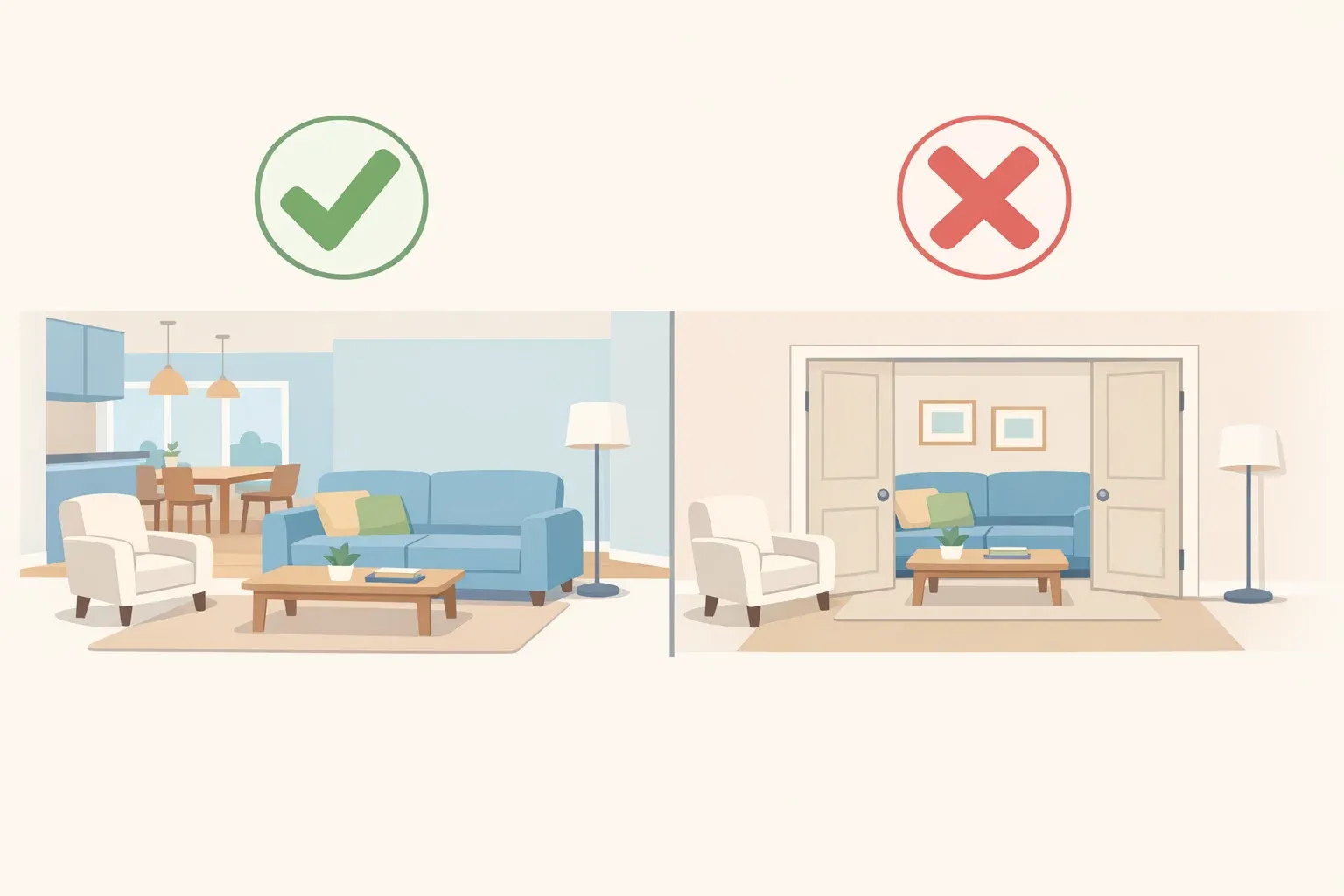
The failure mode is worth naming precisely: designing a room to look finished for guests while making it actively inconvenient for the other 350 days. A bed you can't work near, a desk that has to move every time someone visits, surfaces cleared and restaged before anyone arrives. The traditional guest room doesn't avoid inconvenience; it just schedules it for the people who actually live in the house.
Five decisions, in order
Decision 1: Name the room by its weekday job. A focused home office has different light, storage, and acoustic requirements than a creative studio, a home gym, or a hobby room. Every downstream choice follows from this. Without a clear daily use, every piece of furniture becomes a compromise between two vague purposes. If the room is primarily an office, call it the office. The guest function is the secondary assignment, not the primary one.
Decision 2: Build in the sleeping infrastructure. Murphy beds fold against the wall and read as furniture until a guest arrives, freeing the full floor area for daily use. Trundle beds are the lower-commitment alternative, deploying from beneath a daybed in minutes without consuming vertical space. The practical split: Murphy beds suit rooms where floor area matters most during daily use; trundles work when ceiling clearance is limited, or the budget is tighter. Neither solution is niche. Convertible furniture of this kind is a stated priority for 35% of new-construction homeowners and 25% of those in existing homes, according to Hippo. These are the Murphy bed and trundle bed guest room ideas that deserve serious consideration before any conventional bed frame does.
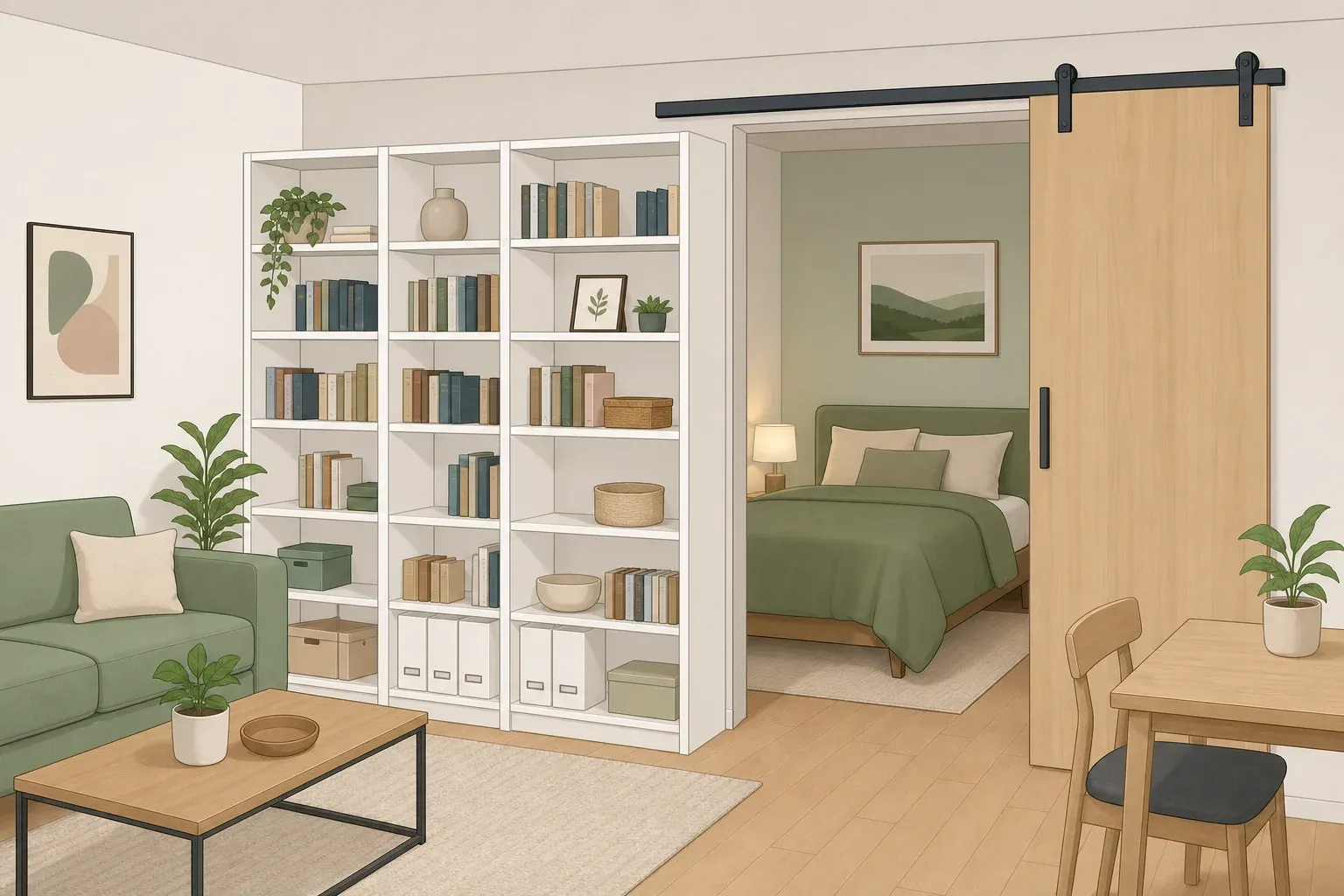
Decision 3: Solve for privacy. A folding screen or room divider provides a sense of enclosure without a nail in the wall, which works well when the guest simply needs visual separation. A sliding barn door or pocket door is the permanent answer when the room shares an open layout or sits adjacent to a noisy space. Privacy features of this kind are valued by 43% of homeowners across both new-construction and existing-home categories, per Hippo. The only real essential for hosting is making space, and any inconveniences for a guest are temporary by definition.
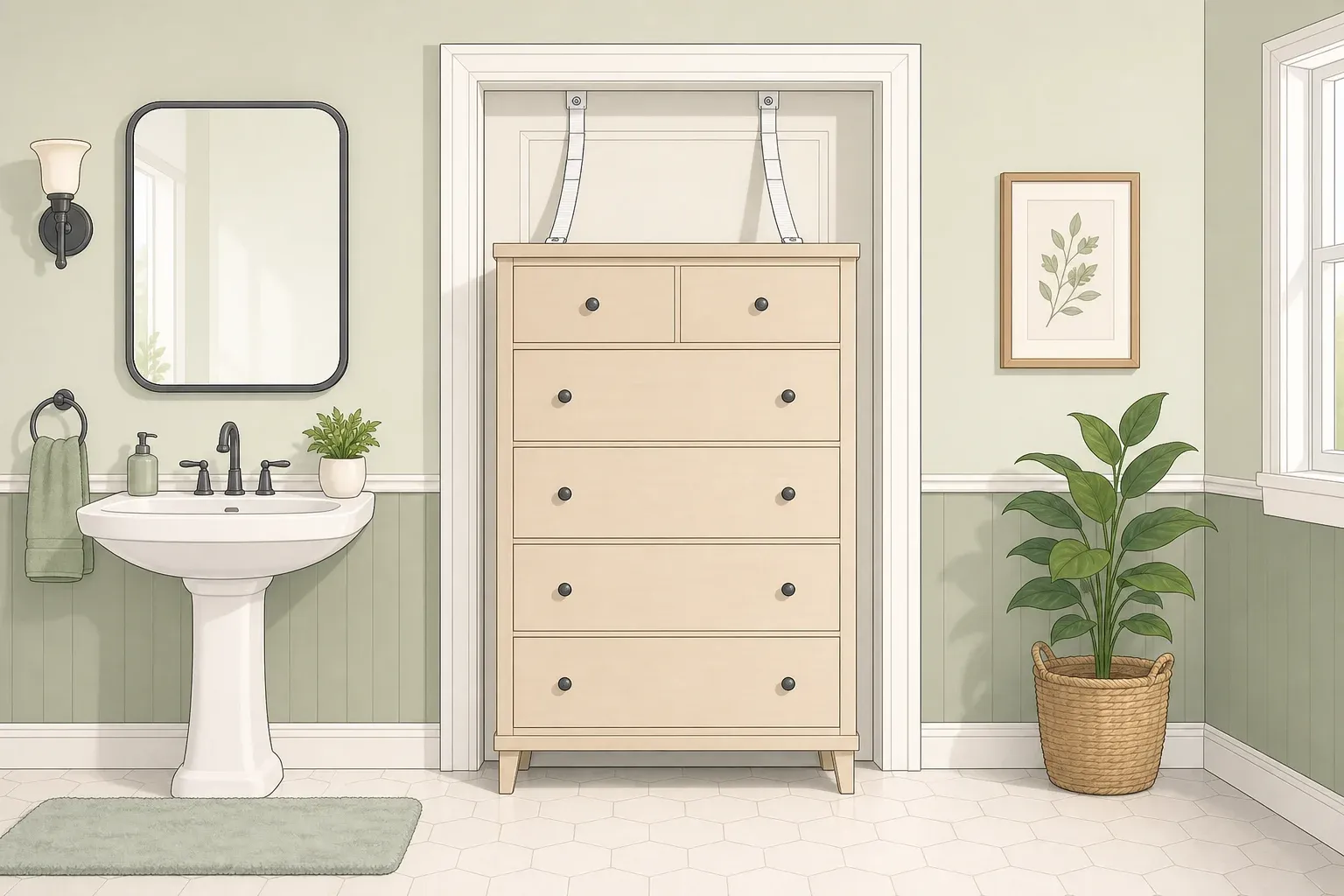
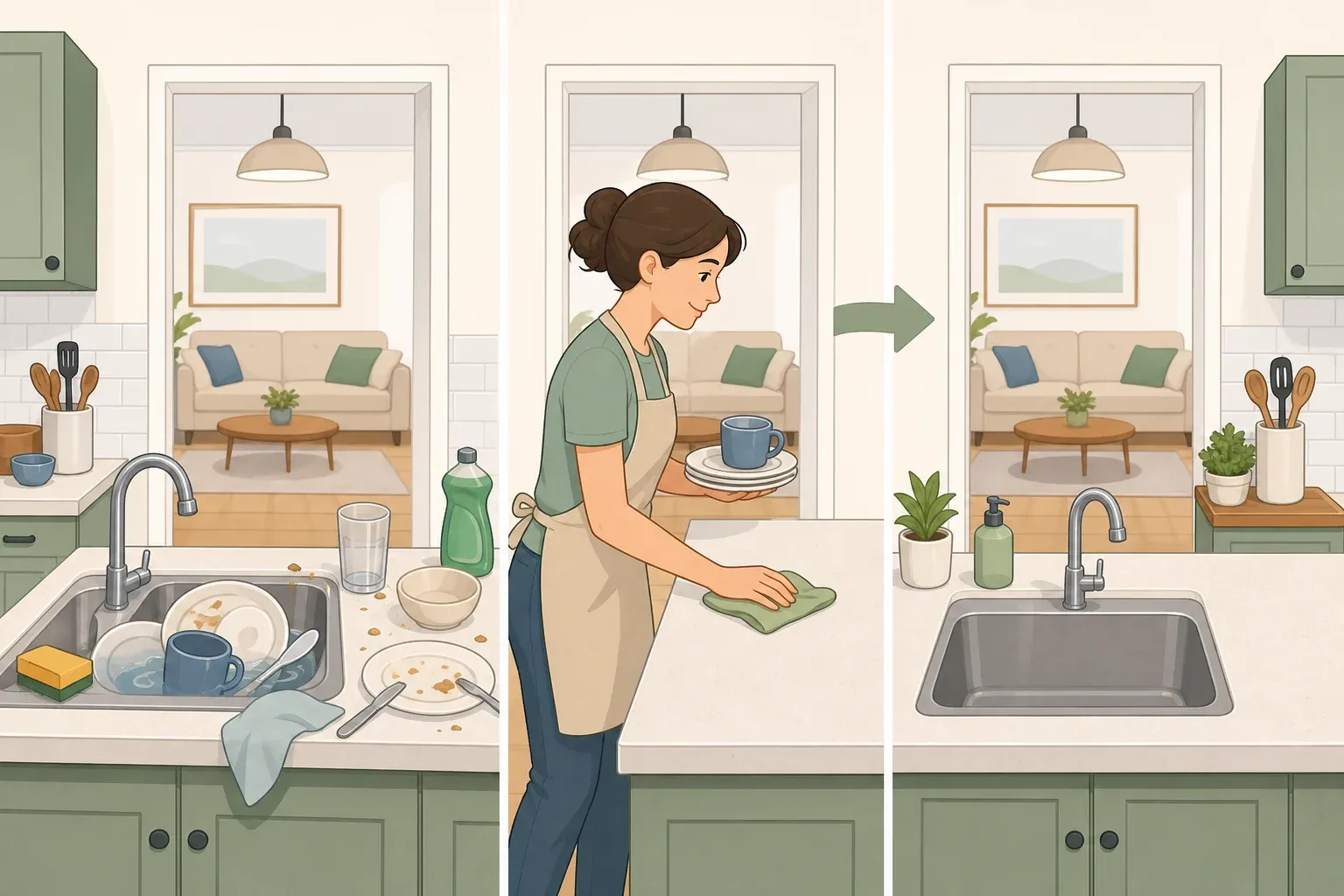
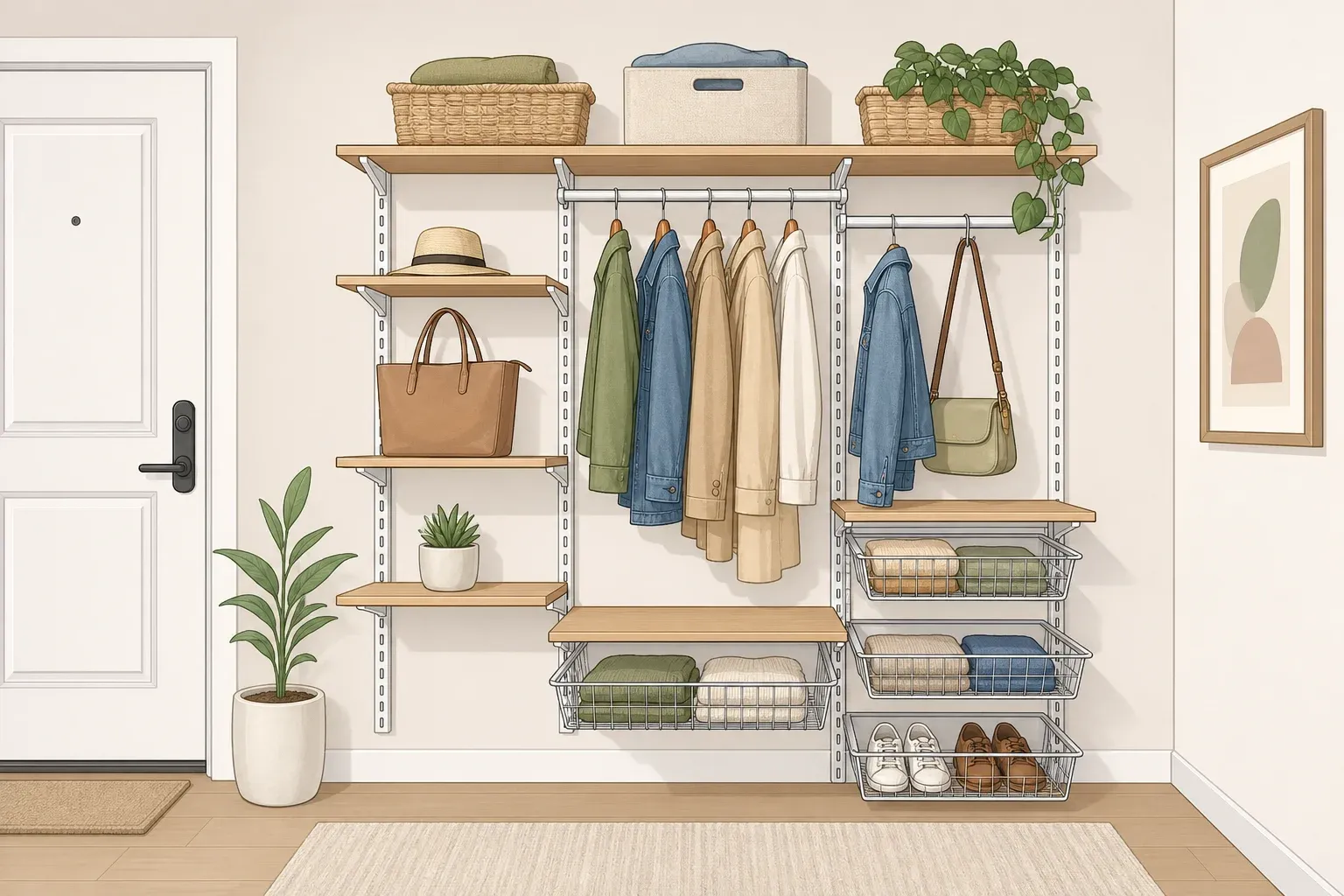
Decision 4: Handle storage and acoustics before choosing furniture. Built-in or hidden storage is a top flex-room priority for 56% of existing-home owners and 40% of new-construction homeowners, Hippo found. Closed storage is what makes a 15-minute reset realistic: when the room's daily contents are properly housed, there's nothing to clear or restage before a guest arrives. On acoustics: soundproofing is a stated priority for 31% of new-construction homeowners and 26% of those in existing homes, per the same survey. A guest who can hear a 7 a.m. video call through the wall will not feel well hosted, regardless of the thread count. Soft materials can help blunt echo and sound bleed, though they won't replace true acoustic treatment. Start with a proper declutter: getting the room's daily contents genuinely housed is a prerequisite before any furniture decision is real.
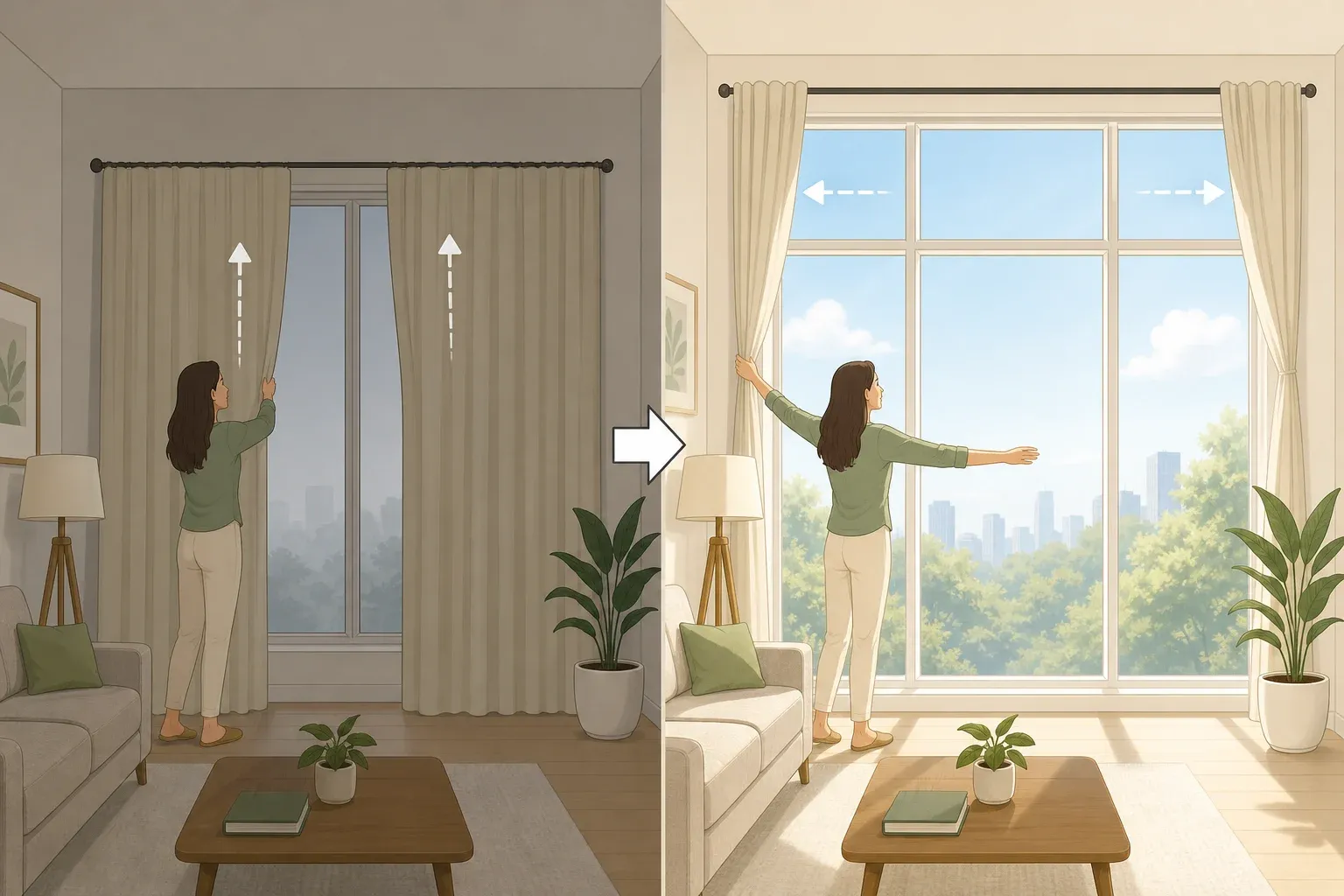
Decision 5: Run the conversion test before calling the room finished. Across all respondents in the Hippo survey, natural light was the most valued flex-room design feature at 50%. The breakdown shows 45% of new-construction homeowners and 54% of existing-home owners prioritizing it, per Hippo. If you're choosing between rooms for this conversion, pick the one with windows. Then run the actual test: with a guest arriving in 15 minutes, can the room reset without moving furniture or hunting for linens? Easy reconfigurability is a stated priority for 33% of new-construction homeowners and 24% of those in existing homes, per Hippo. If the reset takes longer than 15 minutes, the room isn't finished. Something in the storage or furniture plan still needs solving.
Once the room works mechanically, the next question is whether it actually feels like somewhere a person would want to be.
Guest room alternatives when you don't have a spare room at all
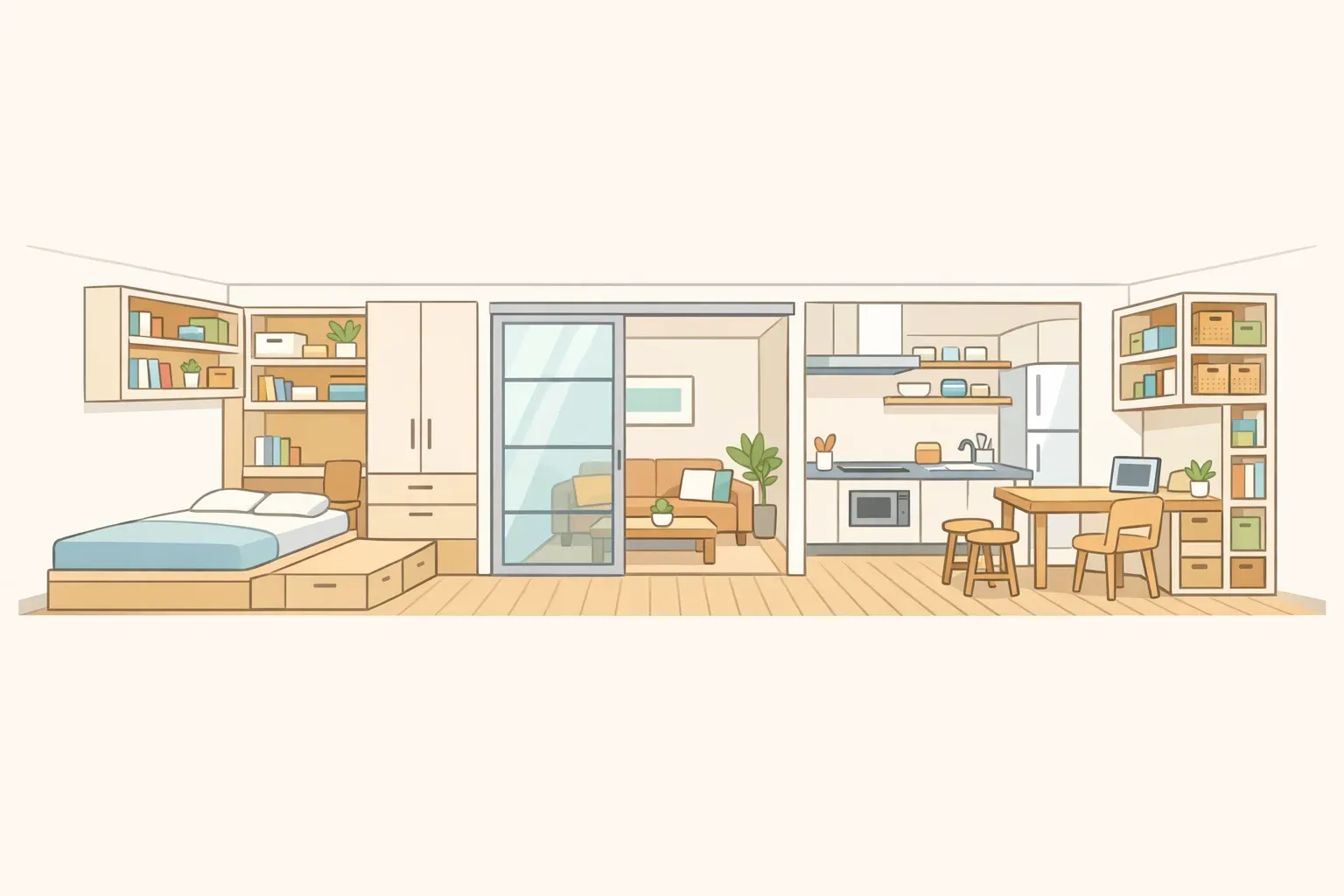
Not every home has a room to repurpose. For anyone working with a living room, a studio layout, or a one-bedroom apartment, small space guest sleeping ideas follow the same logic as the five decisions above, compressed into whatever square footage is available.
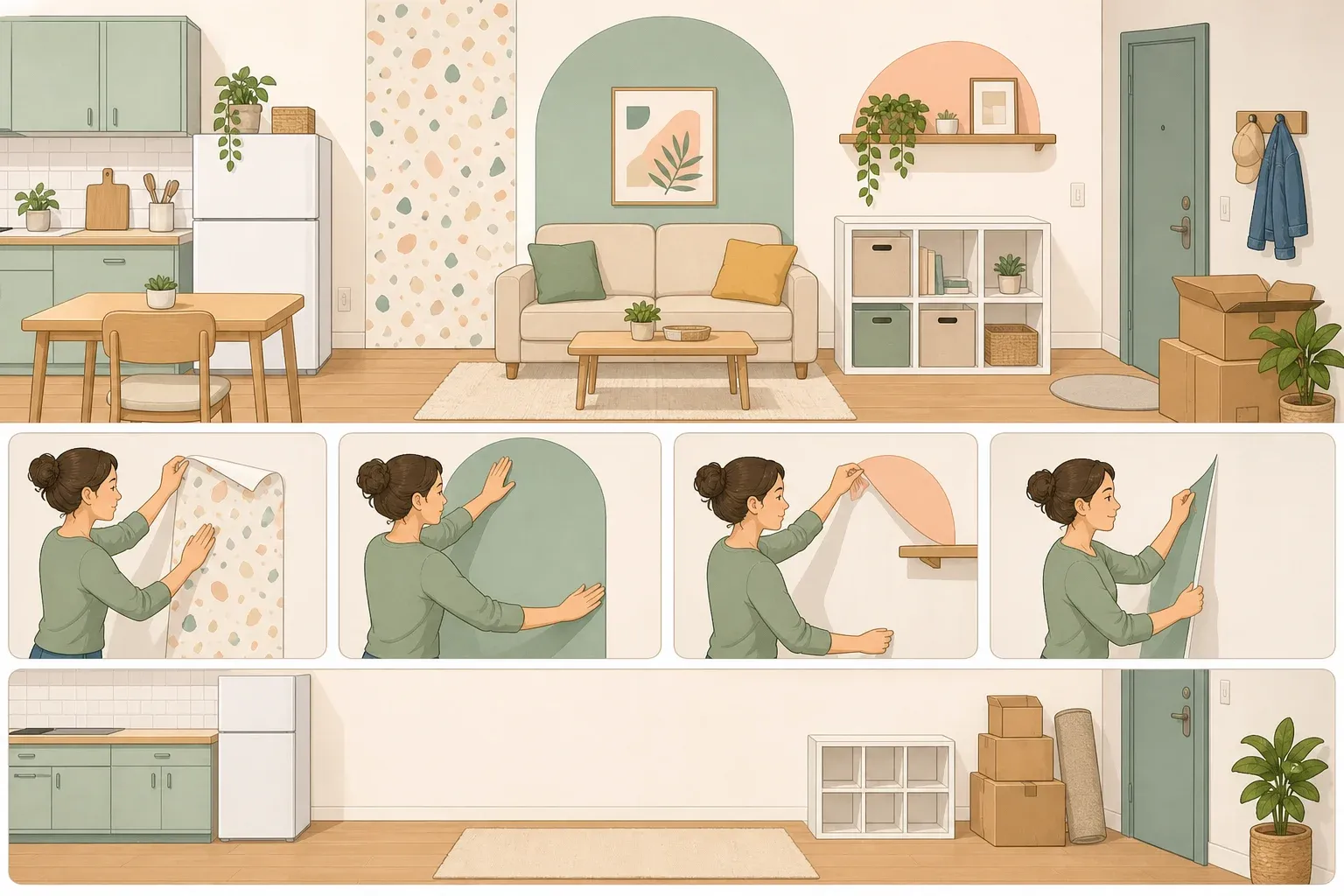
The convertible furniture principles apply here more forcefully, not less. A daybed with a trundle in the living room handles overnight guests without consuming the space permanently. A well-dressed sofa with quality sheets and layered blankets can genuinely evoke the ease of a hotel room. A beautifully made bed, wherever it happens to be, does most of the hospitality work. The room around it matters less than people assume.
Privacy becomes more creative without a dedicated door. A folding screen positioned around a daybed creates enough visual separation to make a guest feel like they have their own space rather than a corner. When the room doubles as a living room and a guest room on the same night, the question to ask is the same one that applies to a full spare room: does the arrangement work for the person who lives here every day? If moving to the bedroom while a guest sleeps in the living room is a reasonable trade, the setup works. If it makes the house feel like a hotel with one inconvenienced staff member, something needs changing.
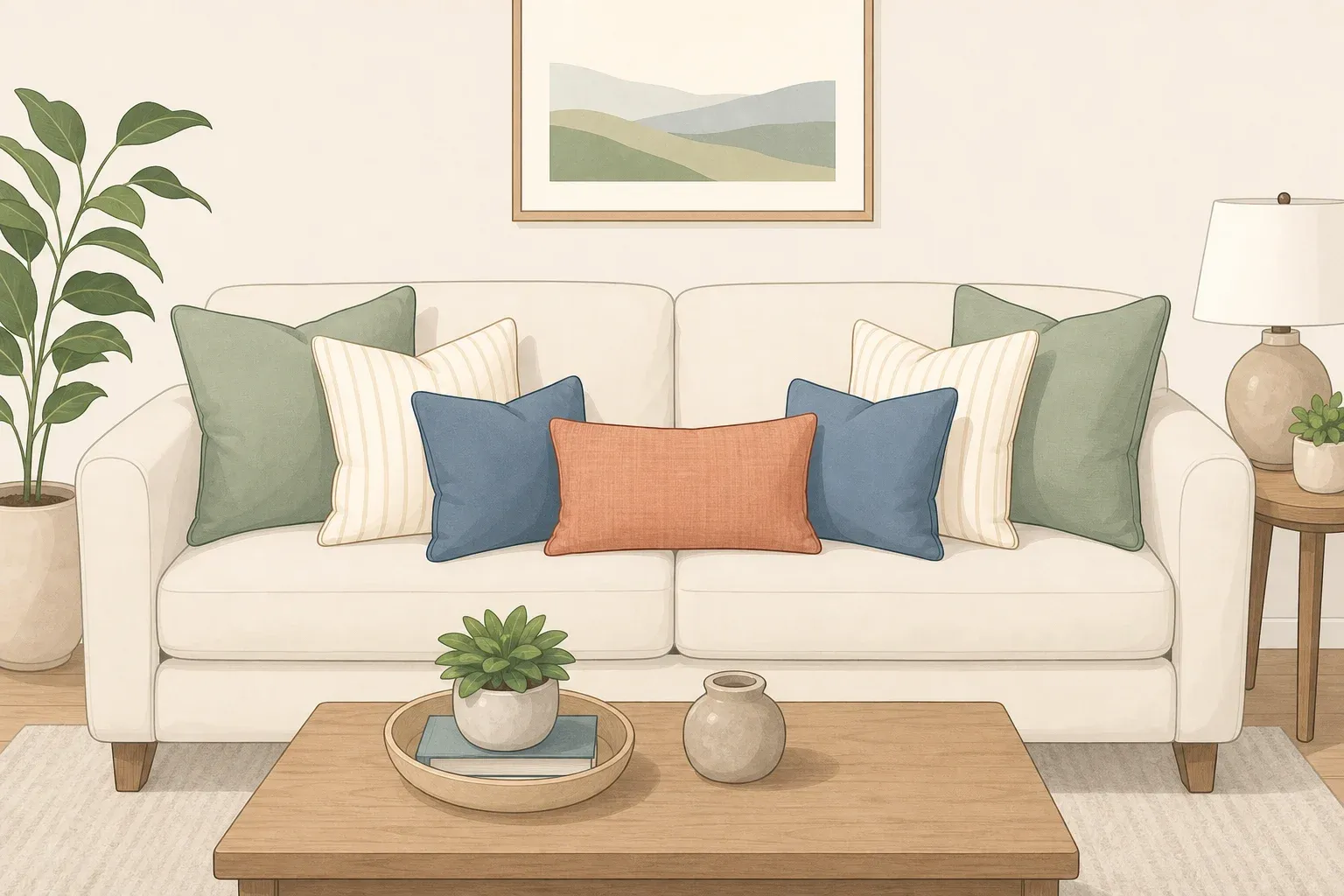
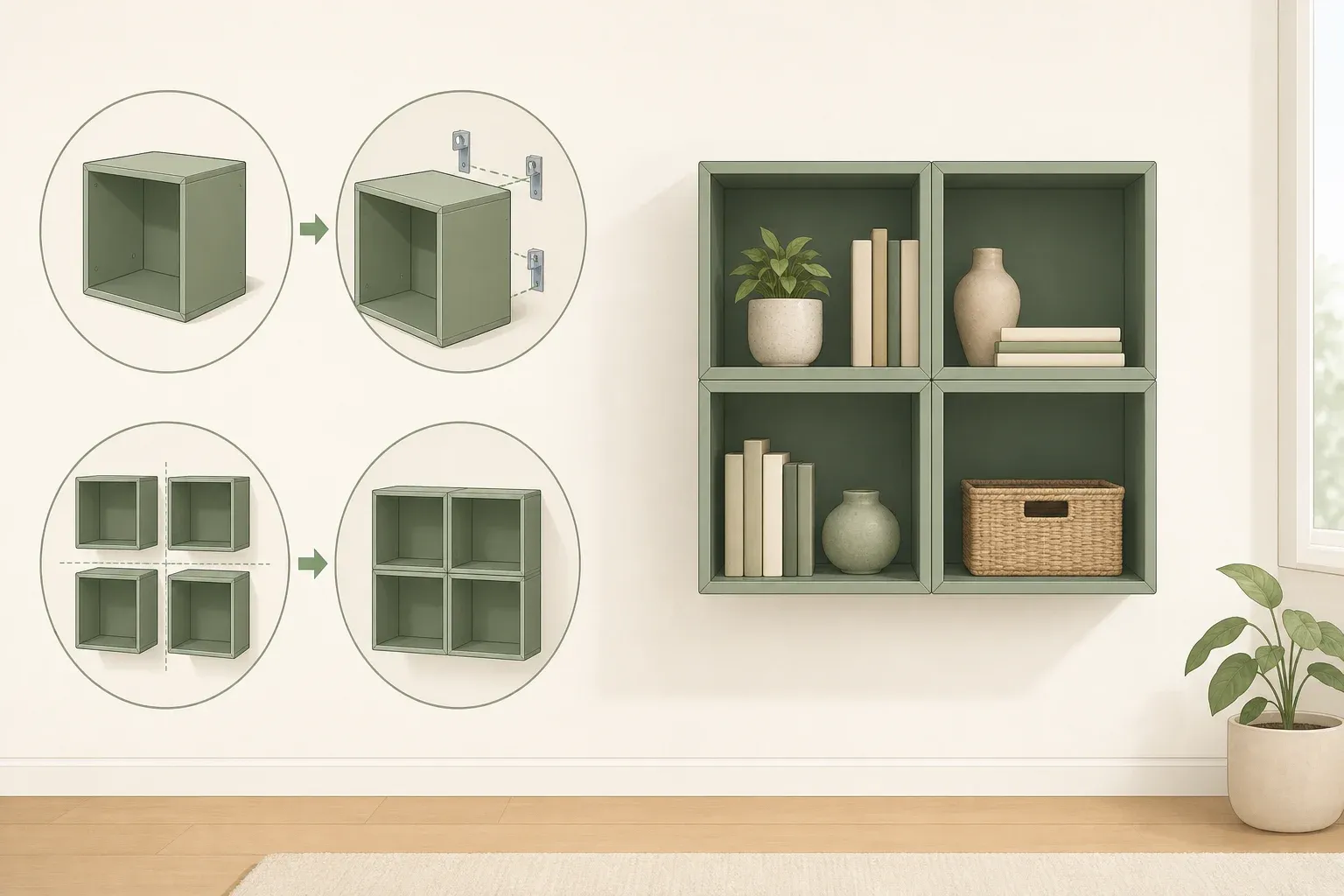
How to make a living room guest room comes down to three things: a sleeping surface that doesn't read as a bed when no one's using it, enough closed storage to keep a guest's belongings out of the main flow of the room, and one gesture toward comfort, good linens, a real pillow, a small lamp, that signals the space was prepared with intention.
Personality makes the room work better, not just look better
This is where the case against neutral, noncommittal design closes.
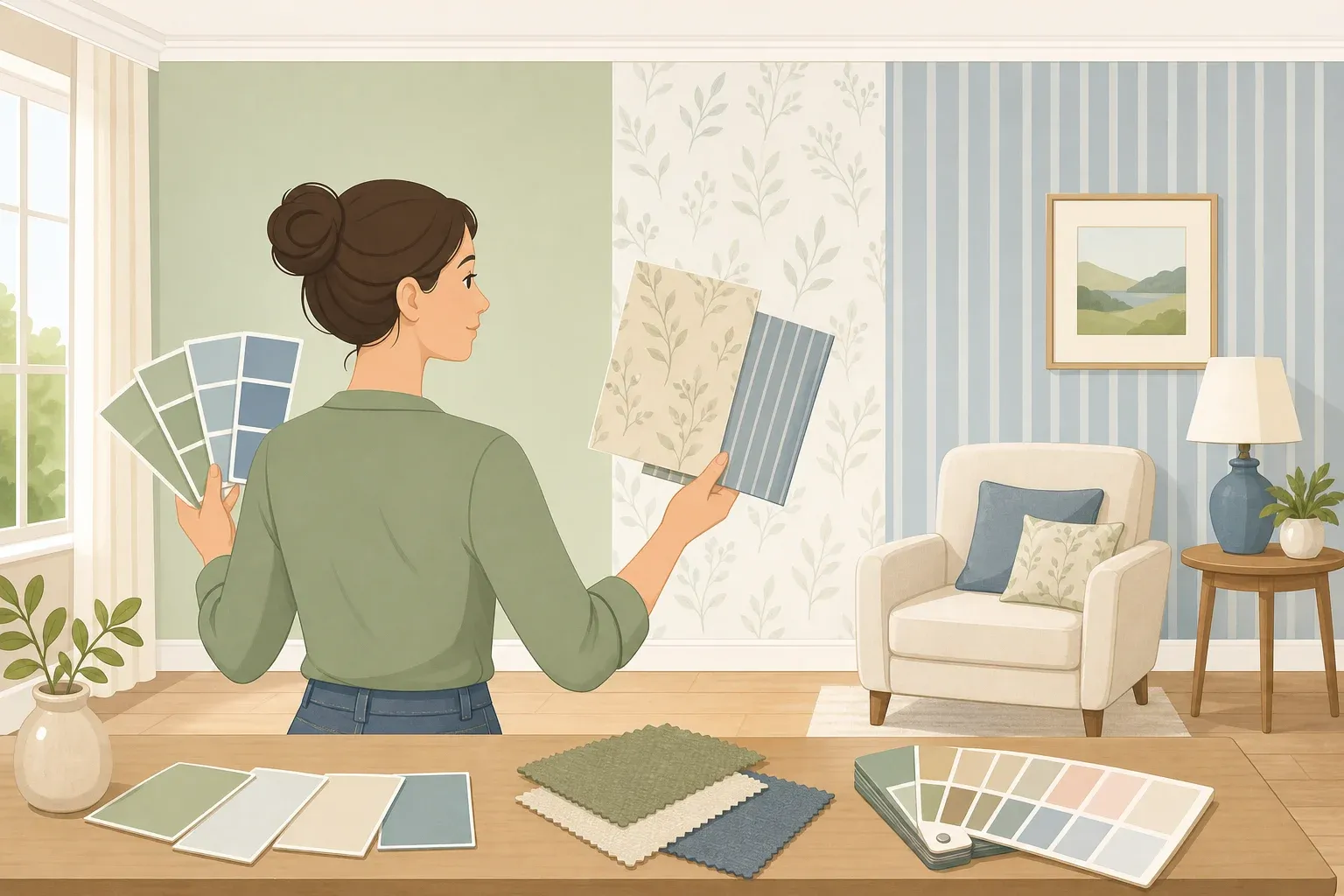
A room with personality makes guests feel welcomed into a home. A room optimized to offend no one makes them feel parked. The bed is the hospitality. But a room that is interesting and comfortable to inhabit every day will be more comfortable to sleep in than one designed to be inoffensive.
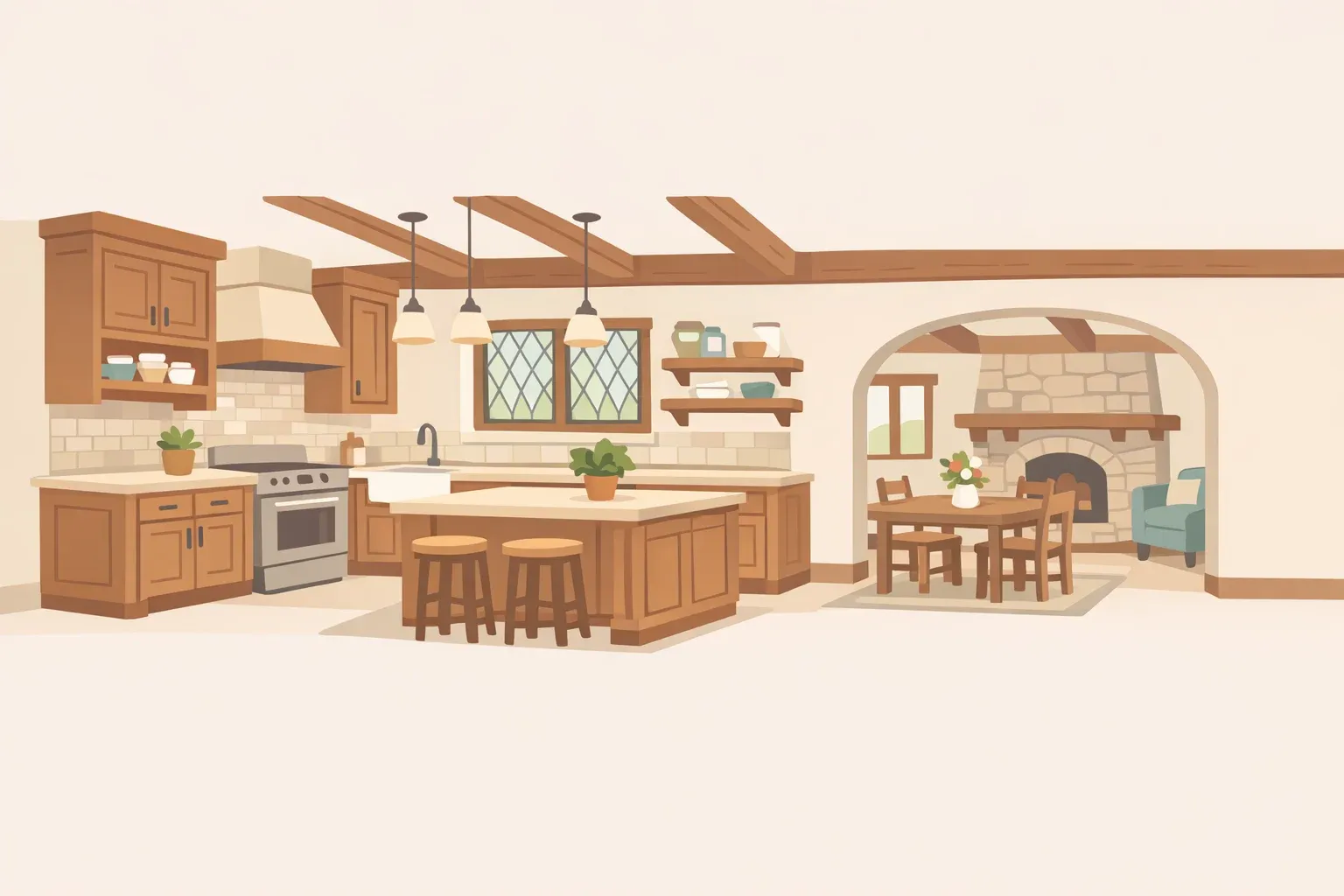
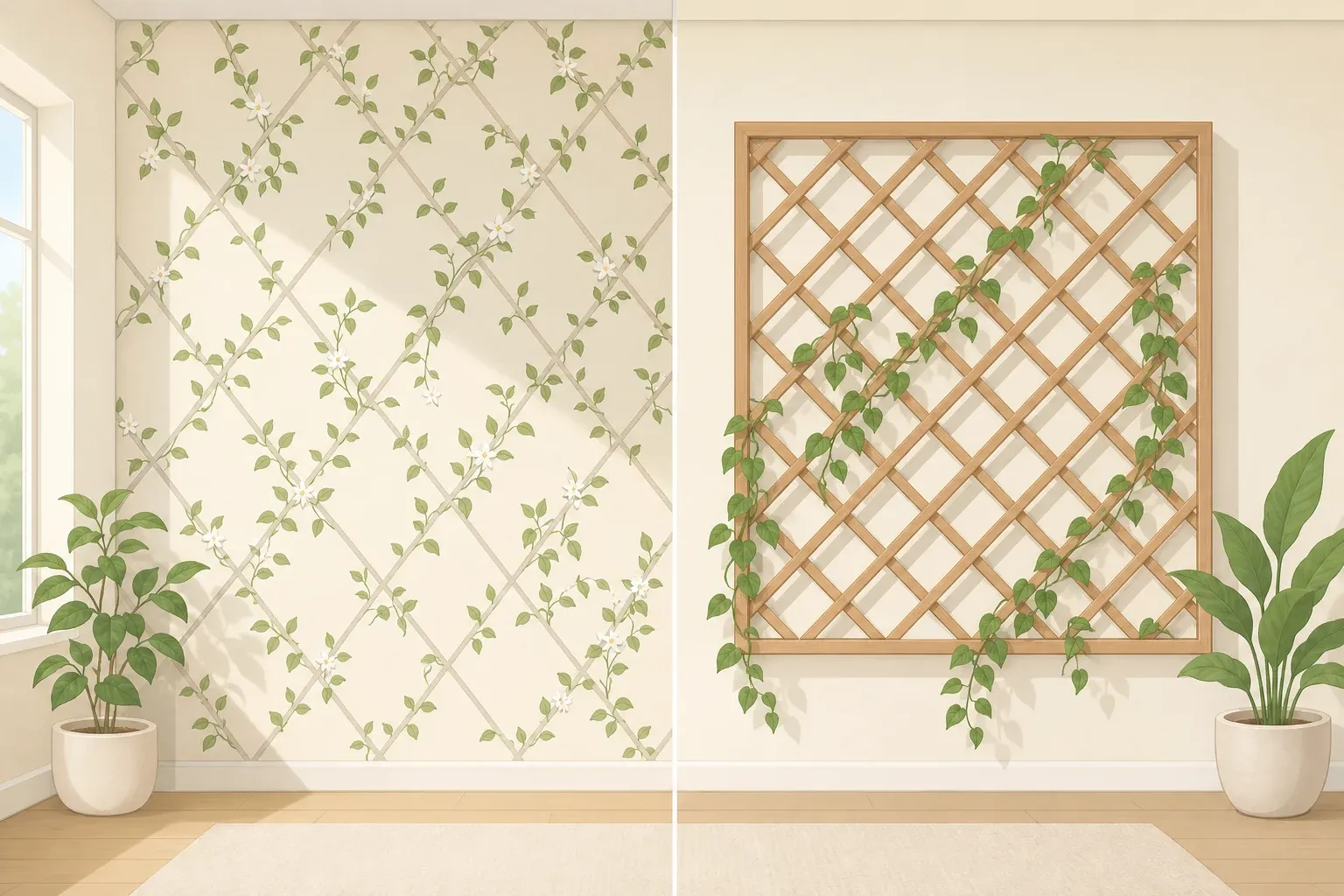
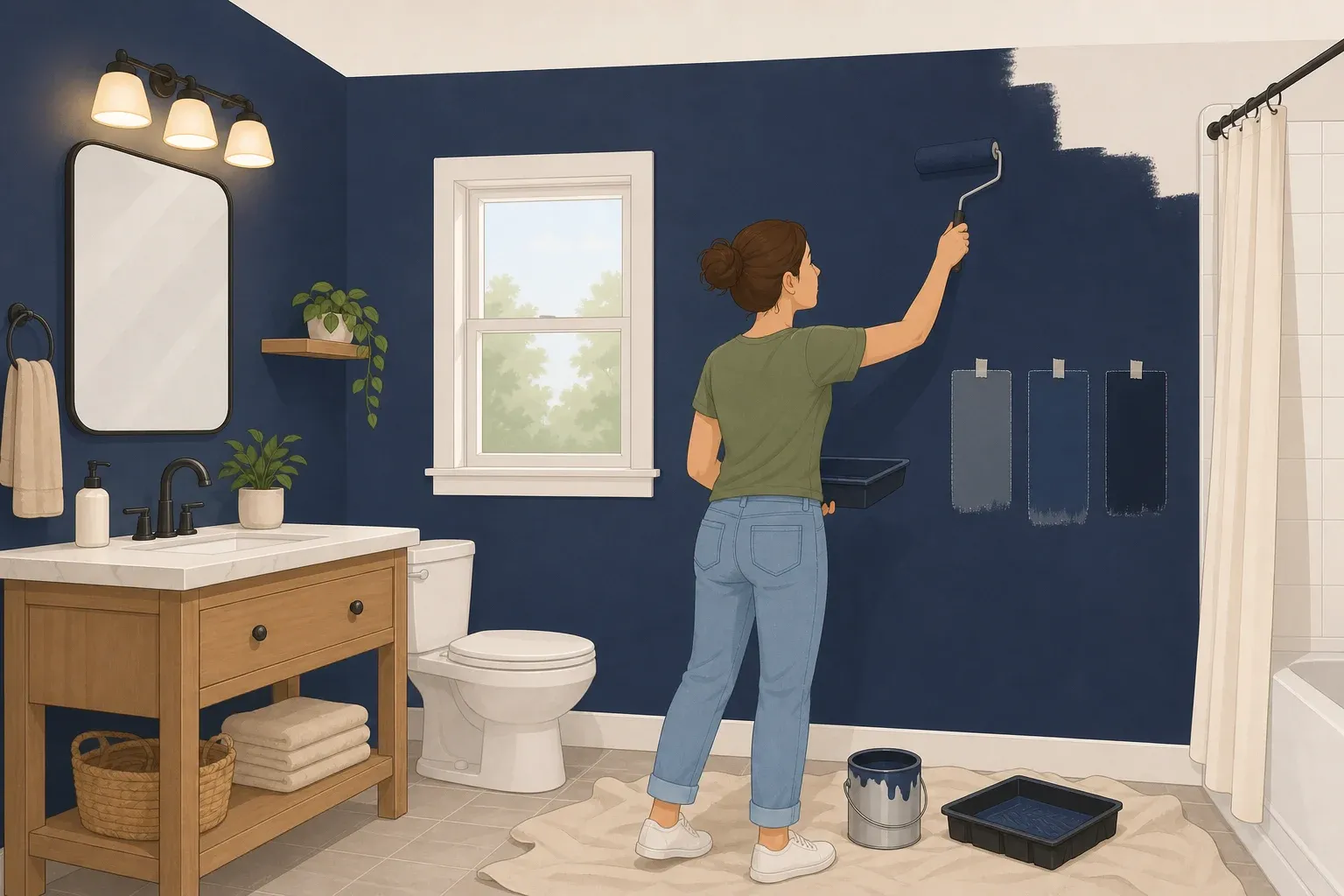
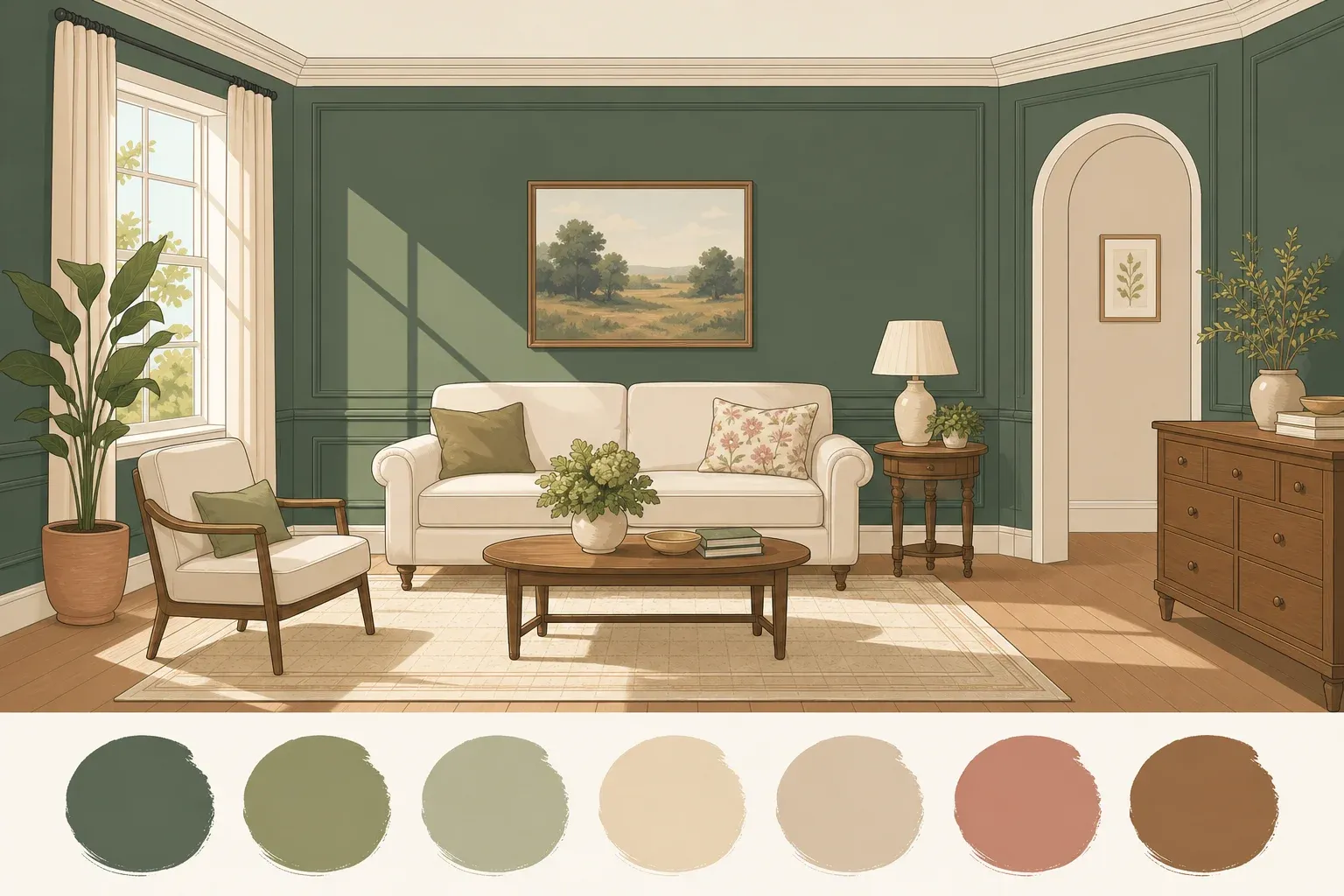
PulteGroup's 2025 trend direction makes the same argument from the builder side: mixed-era blending, bolder color palettes, and statement lighting are how homeowners are pulling their spaces out of generic neutral territory. Statement lighting, which Angela Nuessle of PulteGroup describes as "the jewelry of a room," is now accessible from plug-in sconces to pendant fixtures across a wide range of price points. It requires no structural work and improves the room for both daily use and overnight hosting at the same time.
None of those choices conflict with a guest-ready room. The opposite is true.
Build for Tuesday. Test for Friday.
One question, asked before any furniture or finish decision: does this work for the version of the week when no one is visiting? If the answer is no, it's solving for the wrong use case.
The three things that make a flex room actually function, in order: closed storage that doesn't need clearing before guests arrive; sleeping infrastructure that deploys in minutes and disappears when it's not needed; and a daily function specific enough to drive every other decision. Personality, finish, lighting, and color are what transform the room from a system that works into a place worth being.
As housing costs keep pressure on square footage, a room that can't justify its existence on a regular weekday will fit less and less well with what buyers say they want and what residents actually need. The spare room with a real job, and a bed in the wall, is not a compromise. It is a better room than the one it replaced.
The only thing "playing it safe" actually protects is the habit of not deciding.


Comments
Be the first, drop a comment!