



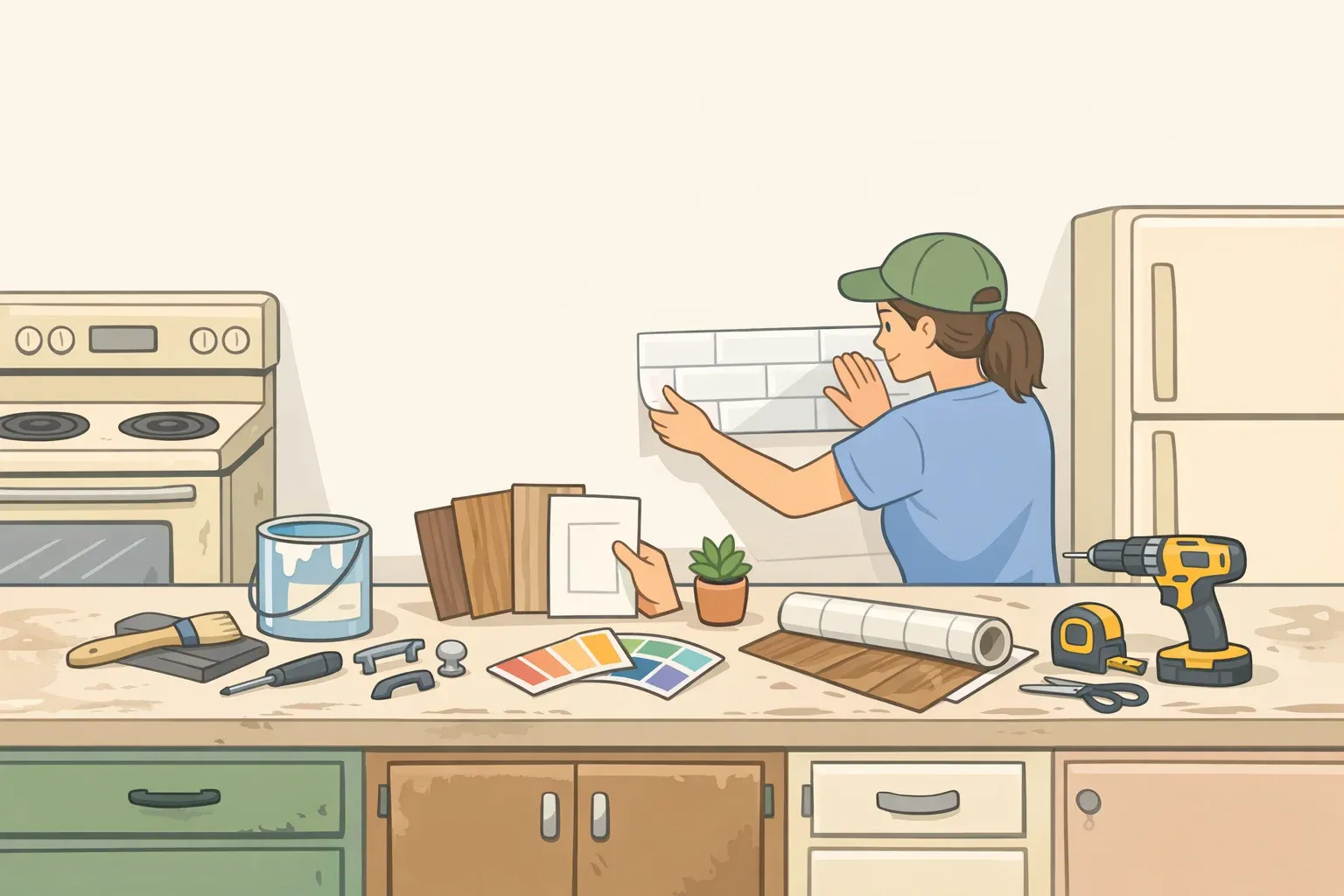
Kitchens remain the room homeowners renovate more than any other, according to industry trackers Houzz and Fixr in Architectural Digest. Yet the same piece makes an uncomfortable argument: many of today's most popular upgrades chase showpiece appeal over daily usability. A lot of the signs your kitchen is outdated have nothing to do with skipping a trend and everything to do with a room that no longer matches how people actually live in it.
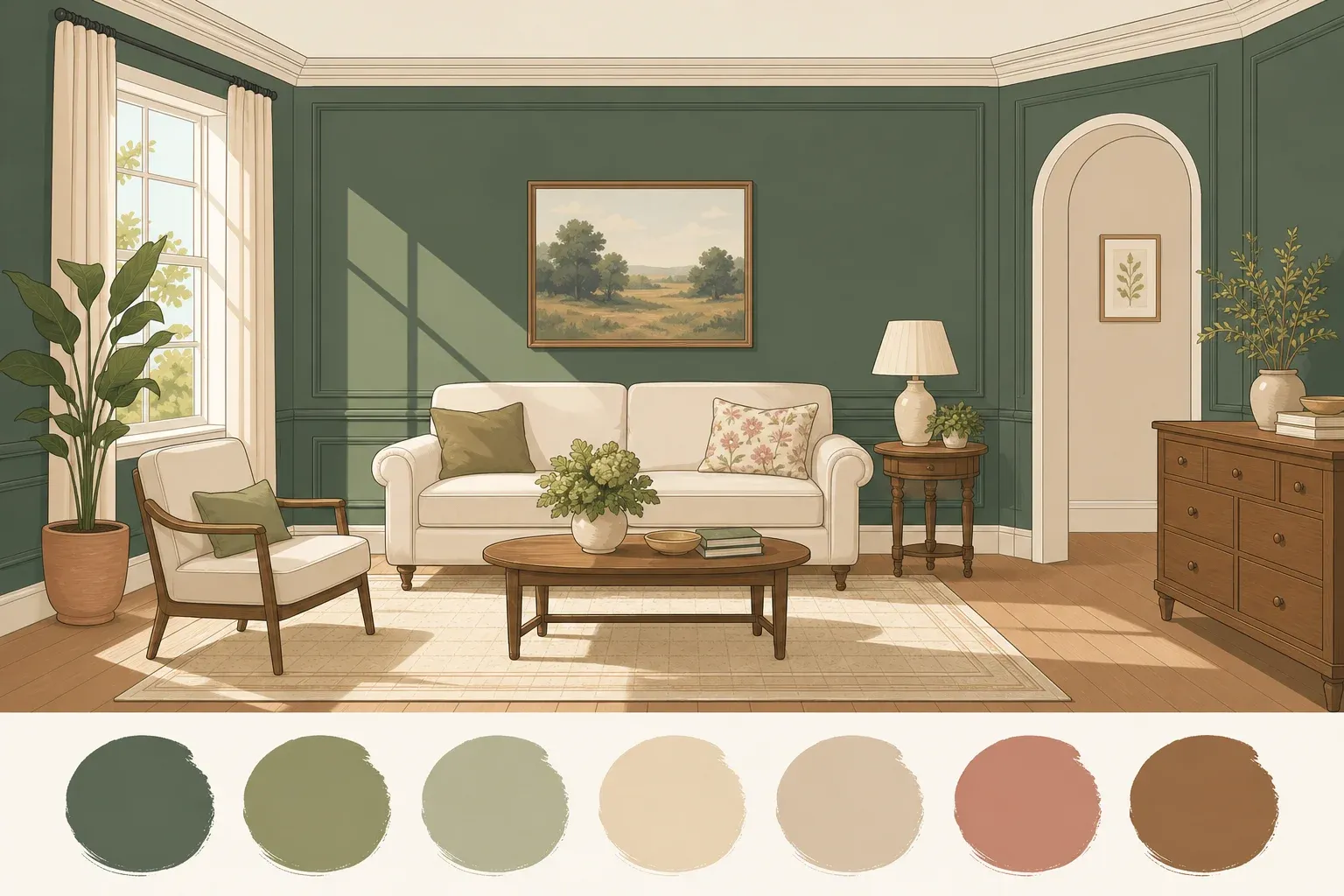
The NKBA's 2025 Kitchen Trends Report, based on interviews with 523 North American design professionals, organizes its findings around three themes: function, well-being, and aesthetics. It does name favorites: green as the top color for the second year running (76%), and white oak as the preferred cabinet finish (59%).
Even so, those numbers don't add up to one verdict on what a modern kitchen has to look like; the overlap across all three themes has less to do with palette than with how well a kitchen adapts to daily use.
A kitchen reads as dated less because it missed a trend cycle and more because its layout, storage, upkeep demands, or seating no longer fit the household using it. This guide sorts 22 observable signs into three groups: functional problems, high-maintenance finishes, and visible age markers, each paired with a realistic fix. Where the "problem" is really a matter of taste, there's a keep-or-change test instead of a verdict.
Spend a week doing something more useful than reading a checklist: note where you physically get stuck or backtrack while cooking, what keeps reappearing on the counter no matter how often you clear it, and any task that takes more steps than it should.
That list, not this one, is the real starting point for how to update an old kitchen. Work through Section 1 before Section 2, and Section 2 before Section 3: functional problems are the most expensive to leave broken, maintenance issues are usually reversible, and cosmetic age markers can wait for budget.
Four fix categories recur throughout:
Quick fix: no trade required, a weekend project.
Cosmetic pro update: needs a skilled tradesperson (painter, refinisher, upholsterer) but no electrical, plumbing, or structural work.
Systems-level pro update: requires a licensed electrician, plumber, or tile setter, but no layout change.
Renovation-only: demolition, replumbing, rewiring, or moved walls, realistically bundled into a larger remodel.
One caveat on the data: NKBA's numbers describe what design professionals expect homeowners to want next, not a verdict that a kitchen lacking those features is broken. The real test is whether a sign creates a recurring problem in your kitchen, not whether it matches a national survey.
Signs your kitchen is outdated: functional problems to fix first
These are the highest-stakes signs, where designer commentary and NKBA's professional data actually agree, and where fixing them pays off before anything cosmetic does.
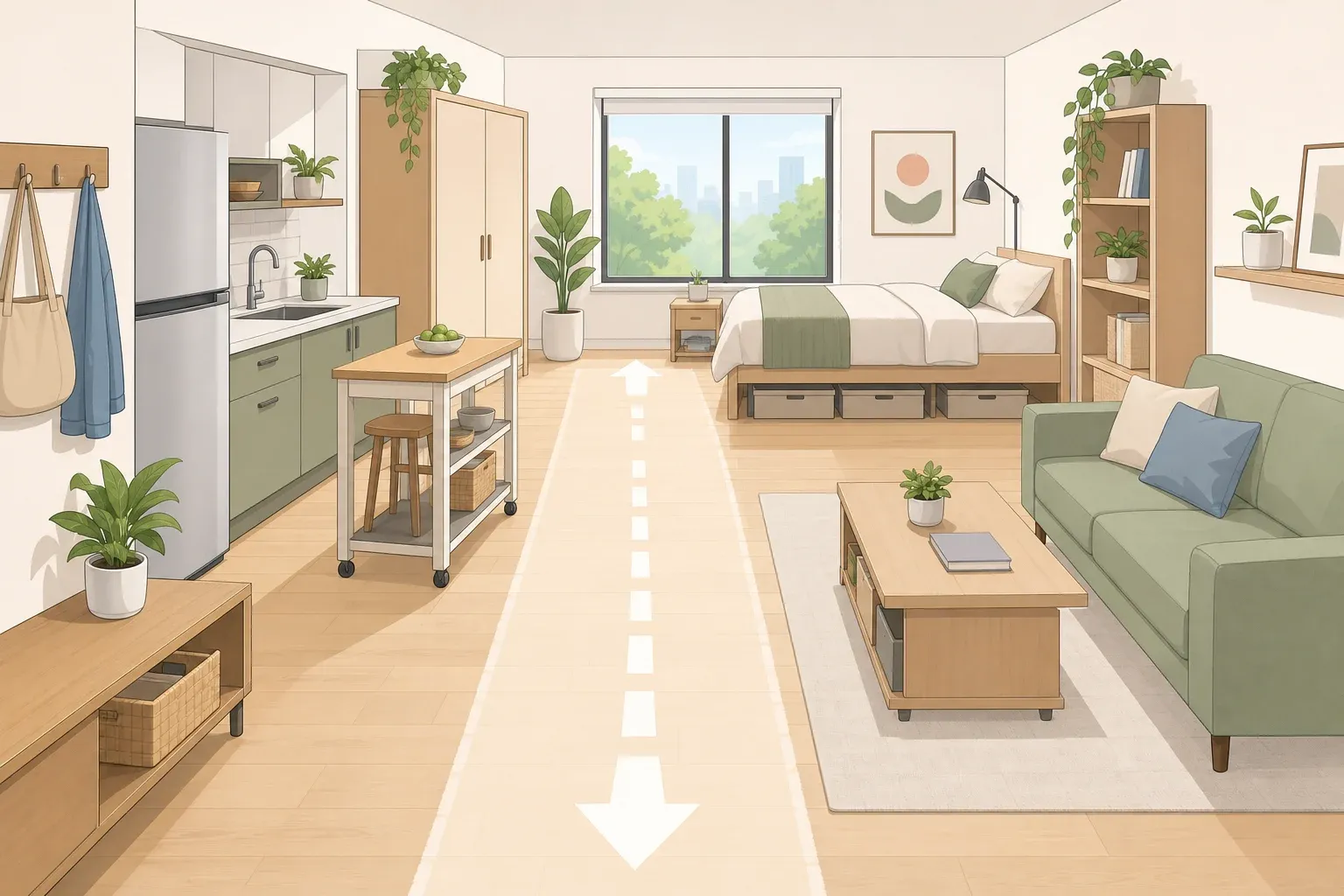
1. You maneuver around obstacles just to cook. Designer Bethany Adams describes navigating two islands during cooking or serving as "ludicrous" extra footwork, questioning why a kitchen large enough for two islands wouldn't also have a dining room. Quick fix if clutter is narrowing the path; renovation-only if a fixed island is the obstacle.
2. Storage never matches how you actually cook. NKBA's survey names clutter reduction among the industry's current priorities alongside personalized design. Cosmetic pro update: drawer inserts, a small-appliance cabinet, or a pantry reorganized around what you actually keep.
3. Prep, cooking, and cleanup constantly interrupt each other. Designers interviewed by Veranda say defined activity zones stop one task from disturbing another as household needs shift. Quick fix if it's about relocating small appliances; renovation-only if the sink, range, or fridge sit in the wrong place entirely.
4. You need a step stool for everyday items. Cabinets pushed toward the ceiling force a ladder for routine access, which Adams links to added food waste since forgotten items go unseen. Renovation-only: lower the upper cabinet run. A step stool is a stopgap, not a fix.
5. Countertops work in their own shadow. NKBA reports lighting quality among the top current considerations in kitchen design, with 88% of professionals saying lighting is used to shift mood through the day. Systems-level pro update: under-cabinet task lighting on its own switch, installed by an electrician.
6. Nobody actually sits at the island. Interior stylist Kiva Brent rejects sculptural low-back or backless stools for a specific reason: they're uncomfortable enough that people avoid sitting there to eat. Quick fix: swap for stools with backs and full seat depth.
7. A specialty feature you already have sits mostly idle. Designer Maggie Griesbeck of MNG Design says an extra prep or vegetable-wash sink often goes unused once a kitchen is finished, since the counter space it would have taken turns out to be more valuable; the Brownstone Boys make the same point about a second oven, useful "a few times a year" unless the household cooks at catering scale. NKBA, meanwhile, logs rising professional interest in both: 52% for second islands, 83% for prep or serving sinks. Keep-or-change test: track actual use for a month before converting either into ordinary storage or counter space. Renovation-only.
8. The kitchen can't flex to double as a workspace. NKBA finds 90% of professionals report homeowners remodeling partly to accommodate at-home work and study needs. Only act on this if it's a recurring friction, not a hypothetical one. Cosmetic pro update: a dedicated counter segment with its own outlet and task lighting.
Finishes and materials that create constant upkeep
None of this is about function or taste; it's about how much of the week a finish claims. A kitchen can look flawless in photos and still cost real time every single day; this section is exactly where modern kitchen updates without a full remodel do the most good, since a refinish, a reseal, or a relocated tile choice needs no permit at all.
9. Open shelving or open lower cabinets are always on display. KB Home's Gena Kirk says open shelves demand constant dusting and must look "photo-ready," while designer Antares Yee notes open lower cabinetry exposes drawer contents to grease and water splatter. Keep-or-change test: fine if you enjoy the upkeep; a problem if it's a daily source of stress. Cosmetic pro update: add doors.
10. Glossy cabinets show every fingerprint and grease splash. Brent estimates roughly 15 minutes of extra cleanup after routine cooking on high-gloss finishes. Cosmetic pro update: refinish or reface in matte or satin.
11. Stone counters stain or etch despite sealing. White marble and porous limestone need regular sealing, or they mark; Brent notes etching happens regardless of care, while Kirk recommends marble-look quartz for a similar look with more stain resistance and a lower price. Designers featured by Veranda push back, treating a honed marble patina as a feature rather than a flaw, so this is really a maintenance-tolerance decision. Quick fix: reseal periodically. Renovation-only: replace the slab.
12. Grout is stained, and the surface wobbles your glassware. Sarah Latham of Latham Interiors notes grout stains and harbors bacteria regardless of sealing, and an uneven tile surface complicates basic tasks like rolling dough. Designer Pearce suggests reserving expressive tile for the backsplash, an island wrap, or a range hood instead. Renovation-only for the counter; cosmetic pro update to relocate the idea.
13. A pot rack over the workspace collects dust and grease. The Brownstone Boys note hanging pots above a workspace "means two things: dust and grease," and warn it can shorten the life of cookware worth keeping. Quick fix: move cookware into a cabinet or drawer.
Visible age markers: details that look frozen in a decade
This last group is about style, not function or upkeep, which makes it the lowest-stakes of the three and the easiest to defer. A few of these dated kitchen features carry enough weight to call out individually; the rest are outdated kitchen design trends to avoid stacking up, since no single one sinks a kitchen but several together read as neglect rather than a deliberate choice.
14. The appliances "timestamp" the room, though not every outdated-looking appliance is the same problem. Designer Phillip Thomas recalls harvest-gold appliances as the single detail that dated his childhood kitchen to the 1970s, even though the rest of the space aged well for 25 years. That's a color problem, and freestanding ranges, refrigerators, and dishwashers can usually be swapped on their own without touching cabinetry: a quick fix or cosmetic pro update, not a renovation. The calculus changes for panel-ready or built-in appliances, which are harder to repair or replace because they're custom, and which mean redoing the appliances along with everything else at the next renovation or move. Renovation-only applies to that integrated case specifically, not to appliance replacement in general.
15. Cabinet color reads as an inherited trend, not a choice. Thomas keeps cabinets neutral so the space stays a "canvas" for personality, noting that trends "used to have a longevity of years if not decades" but now last months. NKBA finds 52% of respondents expect 1970s tones and 47% expect 1950s aesthetics to resurface within three years. Keep-or-change test: an intentional retro choice isn't a problem; a color nobody actually chose usually is. Cosmetic pro update: paint or reface.
16. The backsplash is the one surface still stuck in an old palette. NKBA identifies backsplashes as a primary place professionals introduce statement color, with 67% citing mix-and-match backsplashes as a way to add a unique touch. Leave it alone if the color still feels like a choice you'd make again; it's a smaller, more contained swap than a full counter or cabinet run when it doesn't. Cosmetic pro update.
The last six are smaller stuff. No single one makes or breaks a kitchen, but a room carrying several of them starts to feel neglected rather than dated on purpose.
17. Mixed metal hardware across cabinets and fixtures can read, as one designer put it, like "too much makeup." Leave it alone if the mixing was a deliberate pairing, brass fixtures against black hardware chosen together; it's a problem when the finishes accumulated one purchase at a time and never got reconciled. Quick fix: standardize on one or two finishes.
18. Art or books sit next to the range, risking grease damage and fire hazard. Leave it alone if the pieces are already washable and sit clear of the direct heat plume; move them if a grease film is visible or they're within splatter range of the burners. Quick fix: relocate away from heat and splatter zones.
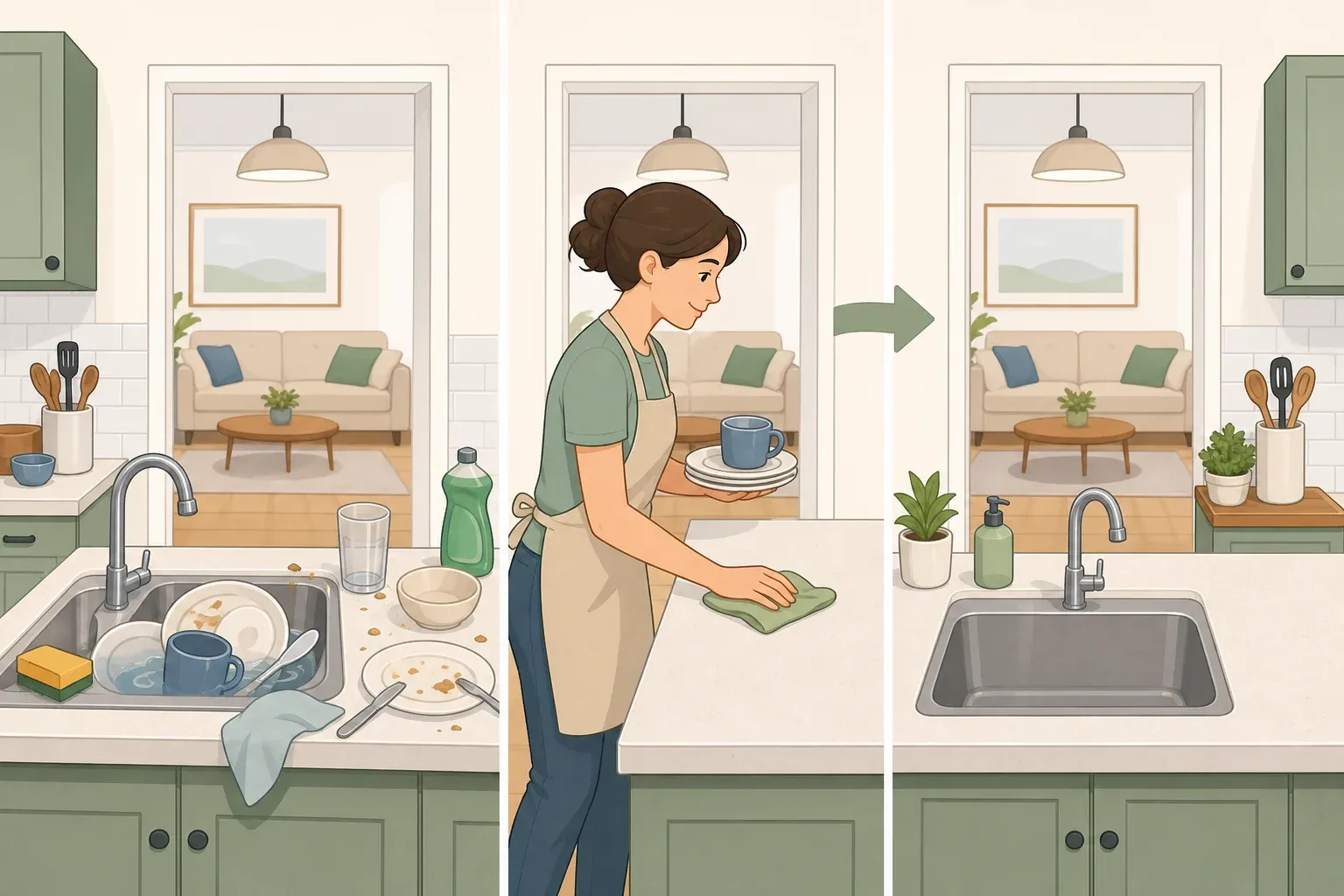
19. Small appliances permanently crowd the counter, the flip side of NKBA's clutter-reduction findings, where 91% of professionals cite multifunctional appliances as popular. Leave it alone if everything on the counter earns its keep weekly; fix it when there's no longer room to actually prep food. Quick fix: consolidate to fewer, multi-use appliances stored when not in use.
20. A built-in novelty feature sits unused, like a dedicated pet-feeding station. One designer notes these often don't add value to a home, since a future buyer would likely prefer an ordinary drawer. Cosmetic pro update: convert to standard storage.
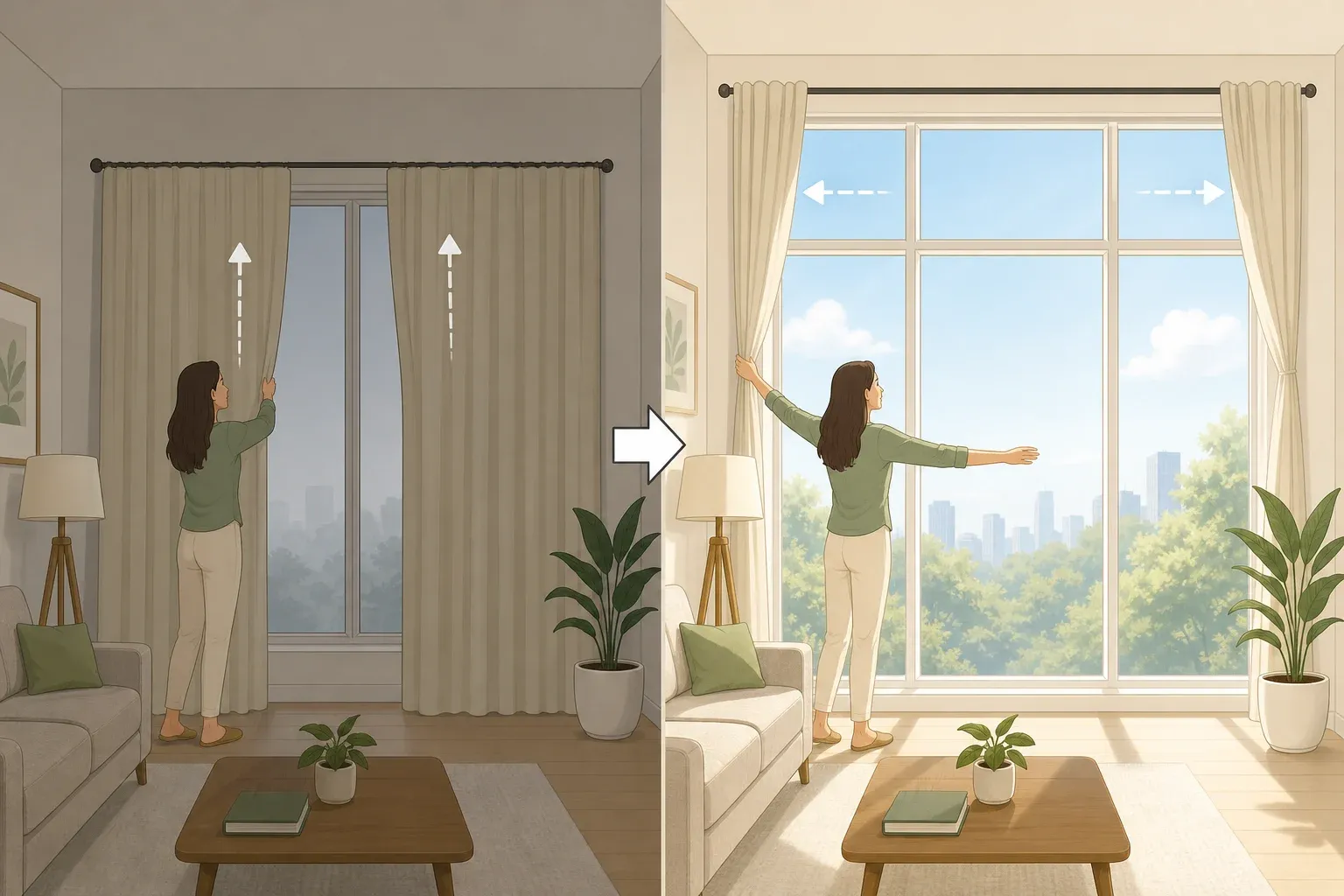
21. Daylight is available but blocked by window treatments or sightline clutter. Worth checking before assuming you need larger windows, since NKBA's daylight findings (67% citing large windows as popular) describe professional design direction, not a defect in every kitchen. Quick fix: clear the sill and simplify treatments.
22. Cooking odors and grease film linger well after cooking, which usually points to underpowered ventilation rather than anything wrong with the cooking itself. That's a practical read, not a sourced diagnosis: NKBA's research confirms air quality ranks among today's top wellness considerations in kitchen design generally, with 62% of professionals citing it, but the specific fix is ordinary HVAC troubleshooting. Systems-level pro update: have an electrician or HVAC technician check the range hood's airflow rating against the stove's output and upgrade the fan if it's undersized.
Before you add it: not a sign, a decision
The items below aren't diagnoses of what's already in your kitchen. They're prospective additions, and before installing any of them, it's worth running three questions: what recurring task does this actually solve, what space will it permanently take up, and what happens when it needs repair in ten years?
A second island or prep sink. Already covered above (#7): before adding one, name the specific weekly task it solves, or skip it.
A pot filler. Designer Bethany Adams calls it an expensive trend that "won't save you more than a couple seconds," since water still has to be carried to a sink to drain, and the plumbing has to be planned into the renovation from day one.
Panel-ready appliances or a hidden pantry. NKBA finds 87% of professionals report rising demand for concealed pantries, but one designer dismisses the appeal outright, calling hidden pantries "a solution in search of a problem". Choose concealment only where it solves a clutter problem you actually have.
"Premium" appliance labels. Designer Mattye Dewhirst notes that expensive labels don't reliably correlate with a longer lifespan, adding that "five years is a good run" according to some manufacturer service lines. Price against warranty terms, not brand prestige.
Conclusion
No feature is inherently outdated or future-proof. Its fit with how your household actually cooks, gathers, and cleans up decides whether it belongs, which is why the same second island or hidden pantry can be a smart addition in one kitchen and dead weight in another. That's the real answer to how to make an outdated kitchen look modern without a full remodel: match the room to your habits before you match it to a palette.
NKBA leadership points to more than 20 million U.S. homes entering their prime remodeling years alongside record home equity, with sustainability, wellness, and lighting design set to guide kitchens over the next three years. Household habits shift too, more slowly than a finish trend, but they do shift, which is the strongest argument for building any update around layout and function first. Get those right, and the room can absorb a decade of changing taste without ever feeling like it's chasing one.



Comments
Be the first, drop a comment!