



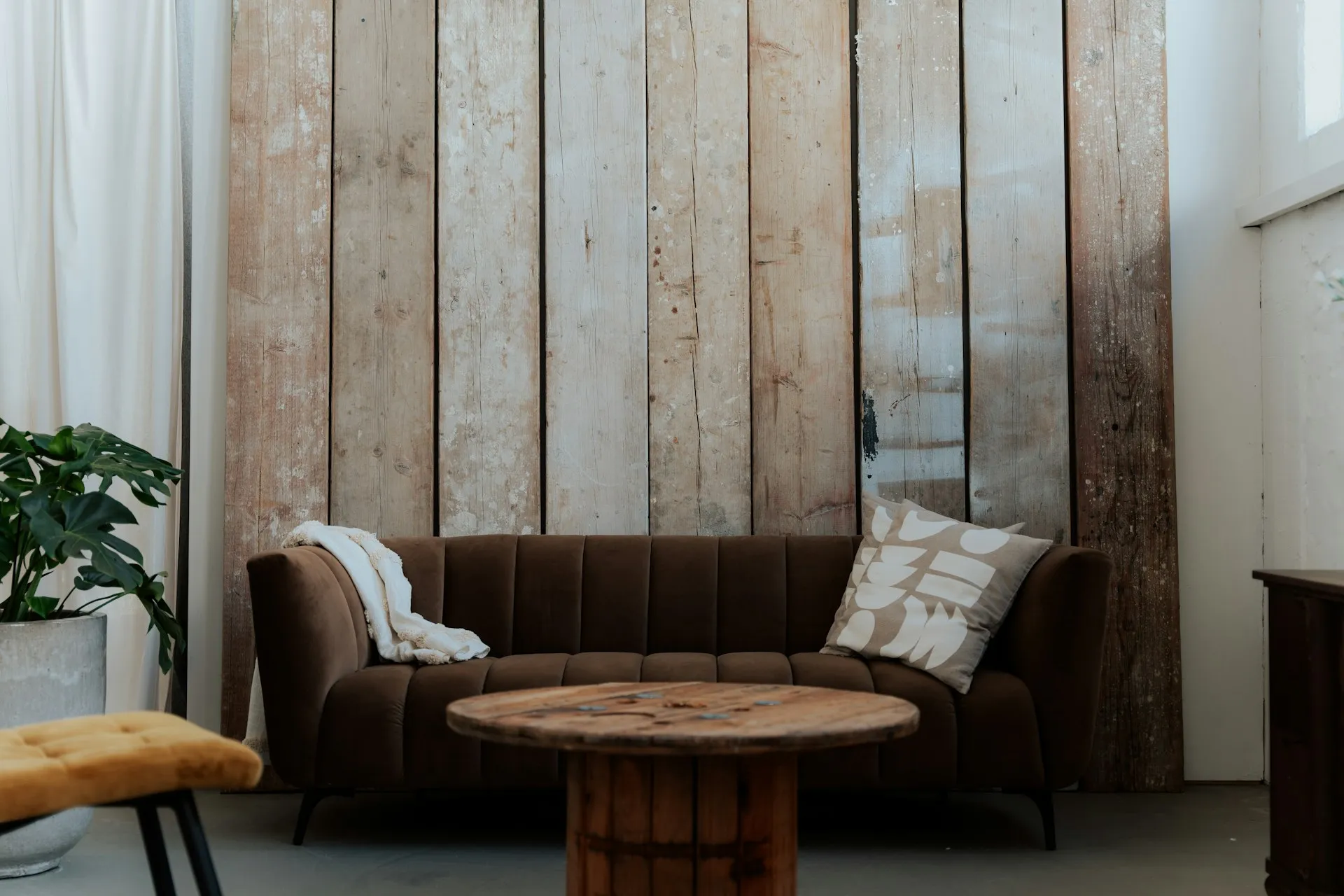
Texture layering can transform any room into something unforgettable—but here's the thing most people get wrong: they either play it too safe with everything matching, or they throw materials together without any strategy. The real magic happens when you understand how different surfaces work together to create depth and visual interest that makes spaces feel intentionally designed rather than accidentally assembled.
You might be thinking this sounds complicated, but it's actually more approachable than you'd expect. Professional designers have developed proven techniques for mixing textures that create sophisticated spaces without the guesswork. The key lies in understanding which materials enhance each other and building complexity gradually.
Texture work is exciting because it aligns with current design trends. Designers suggest focusing on materials that improve with age rather than degrade, leaning into authentic, handcrafted elements over mass-produced pieces. This shift means your texture choices can actually develop more character over time while creating the kind of sensory-rich environments we're all craving in our homes.
Why texture layering actually transforms spaces
Without proper texture mixing, expensive furniture can still leave a room feeling flat and uninspiring. Layered textures give rooms depth, warmth, and personality, which makes the difference between a space that looks decorated versus one that feels truly designed. Think of texture as the secret ingredient that makes everything else in your room work together harmoniously.
The science behind why this works reveals how different materials create dynamic visual experiences. Texture also influences how materials interact with light, with glossy and matte finishes creating different effects. Some surfaces absorb light while others reflect it, and this interplay creates the highlights and shadows that give spaces their living, breathing quality throughout the day as natural light changes.
Professional designers also recognize that texture serves both visual and emotional purposes. Rooms with too many similar textures often appear flat and lack visual interest, but thoughtfully contrasting materials automatically draw people in and make them want to linger. We're naturally attracted to spaces that offer both visual complexity and the promise of tactile comfort.
This approach has become even more important as design evolves. Interior designers are moving toward richly textured, tactile surfaces like carved cork and woven materials that invite touch as much as visual appreciation. The goal is to create authentic, multisensory experiences in our homes, especially as we seek spaces that feel grounding and real.
Building your foundation: the neutral base strategy
Every successful texture-layering project starts with establishing a solid foundation that won't compete with your more adventurous choices. Designers treat the base as non-negotiable, including elements like rugs, wall colors, or architectural features that set the tone for everything that follows. This foundation typically involves neutral colors and simpler textures on your largest surfaces—walls, floors, and major furniture pieces.
Starting with neutrals isn't about playing it safe; it's about creating a strategic backdrop that allows other textures to shine. Starting with neutral foundations like soft grays, beiges, or warm whites gives you permission to experiment with bolder textural choices in accessories and accent pieces without overwhelming your space. Think beige linen sofas, warm gray walls, or natural wood flooring that provide calm consistency.
This approach also provides incredible flexibility for evolution and seasonal changes. Neutral-colored base elements allow for layering more adventurous textures through swappable elements like throws, pillows, or smaller furniture pieces. When your expensive foundational pieces remain neutral, you can refresh your space's entire personality by changing out textured accessories, making this strategy both practical and budget-friendly over time.
The key is choosing neutral foundational materials that have a subtle texture of their own—like linen upholstery instead of smooth cotton, or natural wood with visible grain rather than painted surfaces. This gives you texture layering credits from the start while maintaining the calm base you need.
The art of contrast: mixing hard and soft elements
Here's where texture layering gets really interesting—and where most people either nail it or completely miss the mark. The key to compelling texture combinations lies in understanding how to balance contrasting elements effectively. Hard and soft materials balance each other and create visual depth, with each type serving a specific purpose in your overall design scheme.
Hard materials like wood, metal, glass, and stone provide structure and sophistication to a space. They give your room its bones and create those crisp, defined lines that make everything feel intentional. Soft materials like fabric, fur, and woven elements add the warmth and comfort that make spaces feel livable rather than museum-like. The magic happens when you pair these contrasting elements thoughtfully.
Combining materials with intention, such as stone, metal, wood, glass, and textiles, creates tension and interest that keeps spaces engaging rather than predictable. For example, placing a sleek wooden coffee table against a plush wool rug creates an appealing contrast that highlights the best qualities of both materials. The smooth, structured surface makes the rug feel more luxurious, while the soft rug makes the table feel more welcoming.
The light-play factor amplifies these contrasts beautifully. When you pair reflective surfaces like polished metals or glass with matte fabrics, you create dynamic visual interest that literally changes throughout the day. Morning sunlight might catch your brass lamp and cast warm reflections on your linen curtains, while evening light creates entirely different shadow patterns and highlights.
Fabric layering techniques that actually work
Textiles offer the most accessible and affordable way to experiment with texture layering—perfect if you're just getting started or working with a limited budget. Textiles provide an affordable way to play with texture and can be swapped seasonally or adjusted for mood, making them ideal for beginners who want to practice without major commitments or long-term consequences.
Start with rug layering to create foundation interest. Layering a jute rug with a smaller patterned textile rug creates depth while helping define different areas within the same room. Begin with a larger, neutral base rug in a natural material like jute or sisal, then add a smaller, more interesting one on top. This technique works particularly well in open-concept spaces where you need to create visual zones without walls, and it's completely reversible if you want to try different combinations.
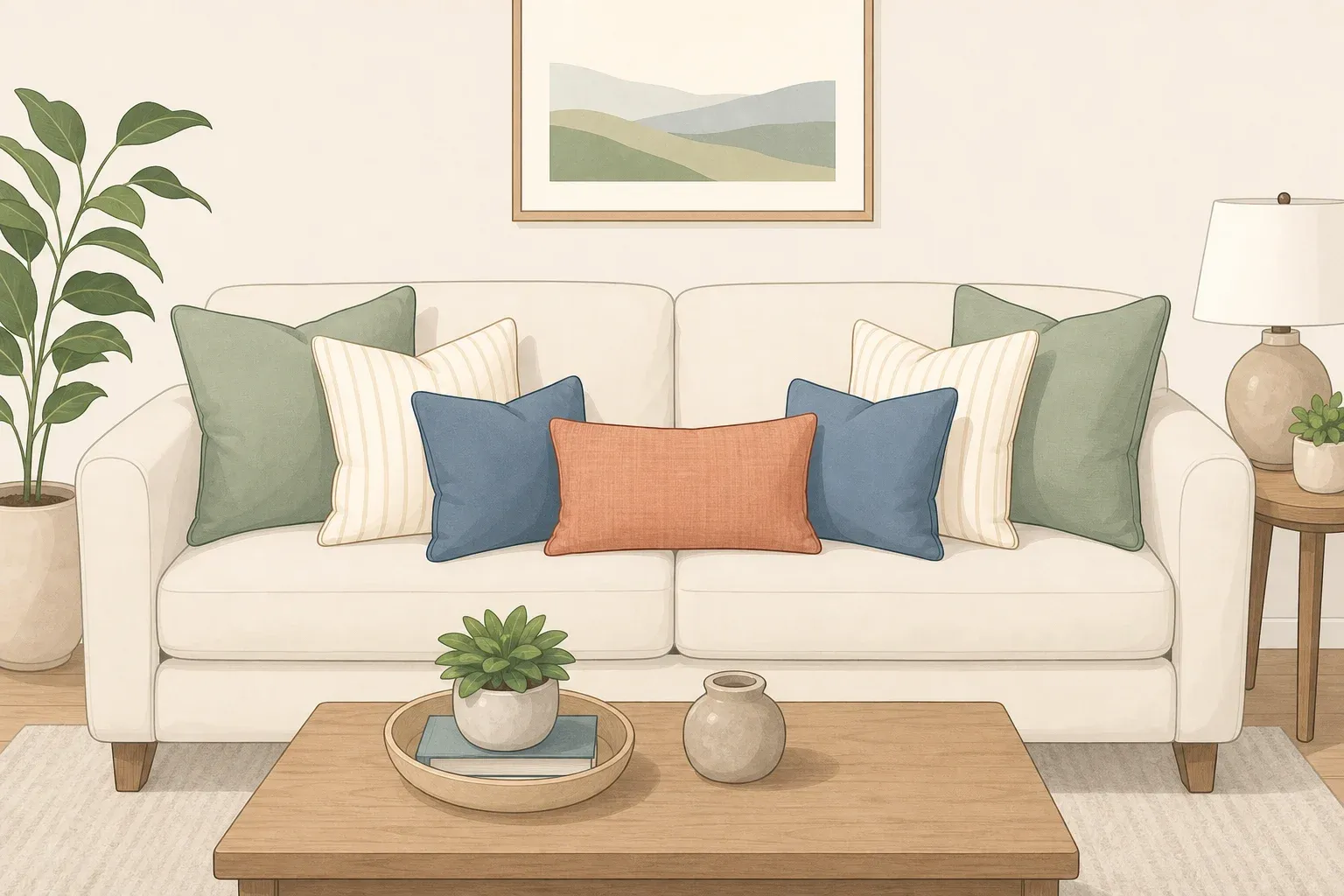
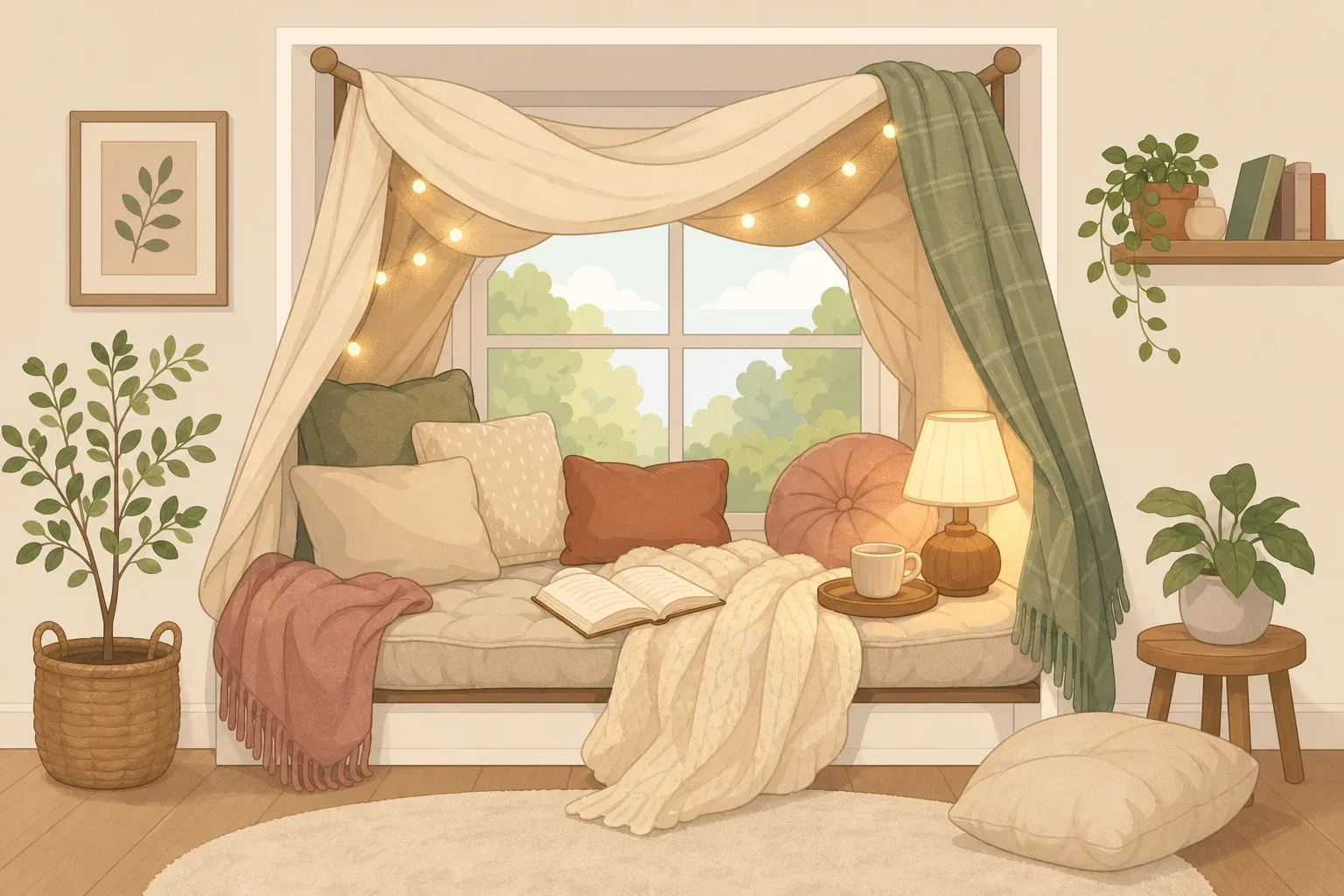
Move on to pillow and throw combinations for your next layer of experimentation. Mixing knitted blankets with faux fur or linen provides variety, while combining different pillow shapes and sizes adds visual interest. The trick involves mixing different fabric weights and weaves—pair heavy velvet cushions with lightweight linen ones, or combine smooth silk pillows with nubby boucle throws. Aim for three different fabric textures maximum to avoid overwhelming the eye.
Don't forget about vertical surfaces when planning your fabric strategy. Layered window treatments and textured wall hangings like macrame or woven art help distribute textural interest throughout the room's height rather than concentrating everything at the furniture level. This creates a more immersive, fully developed textural environment.
Common mistakes that kill your texture game
Texture mixing can always go sideways when you ignore some fundamental principles. A common issue is the risk of overwhelming a space with too many competing textures, which creates visual chaos rather than sophisticated layering. The solution involves limiting yourself to two or three dominant textures with subtle accent pieces rather than trying to showcase every interesting material you encounter. Think quality over quantity—fewer textures executed well always beat many textures fighting for attention.
Another frequent mistake involves ignoring the practical aspects of your texture choices. Delicate fabrics like silk aren't meant for high-traffic spaces, while heavy fabrics work better on substantial furniture pieces than as accent elements. Always consider both the visual and functional aspects of your material choices. That gorgeous but high-maintenance texture will quickly become a source of frustration rather than joy if it doesn't match your lifestyle needs.
Scale and proportion errors can also derail your texture-layering efforts completely. Materials vary in thickness, and when mixing textures, be mindful of certain weights as they shape a room's mood. Pairing multiple heavy, plush textures can make a room feel suffocating, while using only lightweight materials might leave the space feeling insubstantial. For example, if you have a heavy velvet sofa and a thick wool rug, balance them with lighter textures like cotton curtains or smooth ceramic accessories.
The biggest mistake is forgetting that successful texture layering requires a clear hierarchy. Without an intentional plan, your beautiful individual pieces end up competing with each other instead of working together to create a cohesive, layered story.
Making it work: your step-by-step action plan
Successfully implementing texture layering requires a thoughtful approach that builds complexity gradually rather than all at once. Layering textures requires balance, mixing two to three dominant textures with subtle accents, and maintaining a consistent color palette. Start by identifying your room's primary function and choosing foundational textures that support that purpose—soft, durable materials for family spaces, or sleek, easy-to-clean surfaces for work areas.
Begin with your largest elements and work toward smaller accent pieces systematically. Designers recommend starting with foundational pieces and progressively layering in complementary textures. Choose your sofa upholstery, area rug, and window treatments first since these anchor your space. Then add pillows, throws, and decorative objects that complement rather than compete with these larger pieces. This prevents the common mistake of buying individual items that don't work together.
Test your combinations before committing to expensive purchases or permanent installations. You can conduct small trials before committing to specific combinations of textures by gathering samples and viewing them together in your actual lighting conditions throughout different times of day. Place fabric swatches next to your existing furniture, hold material samples up to your walls, and live with small test combinations for a few days. This approach prevents costly mistakes and helps you understand how different materials actually interact in your specific space.
Create a timeline that allows your textural story to develop naturally. Start with one or two new textural elements per month rather than trying to complete everything immediately. This gives you time to see how each addition affects the room's overall balance and ensures that every textural choice genuinely enhances your space rather than just filling it up.

Comments
Be the first, drop a comment!