



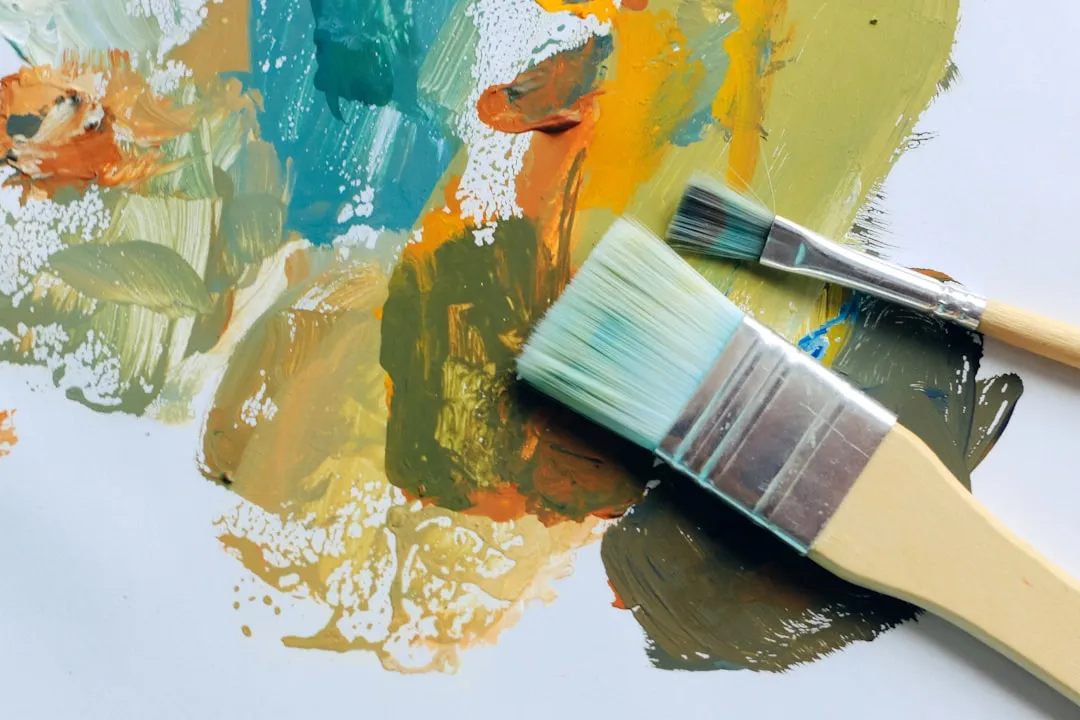
Ever tried tackling a paint job only to end up with streaky walls, paint drips everywhere, and the nagging feeling that something's just not quite right? Here's the thing—most DIY painting disasters aren't about lack of skill. They're about using the wrong tools for the job. Professional painters use specialized equipment that can make a dramatic difference in both quality and efficiency, and the good news is you don't need a contractor's license to get your hands on these game-changers.
The right tools solve specific problems that plague DIY painters: streaks happen when brushes don't hold enough paint, drips occur when you can't control flow properly, and uneven coverage results from mismatched roller naps. Professional-grade equipment addresses each of these issues systematically. Whether you're refreshing a single accent wall or painting your entire house, understanding which tools solve which problems can transform what feels like an overwhelming chore into a satisfying weekend project with results you'll actually be proud to show off.
Essential brushes that make all the difference
The foundation of any professional-looking paint job starts with understanding that different brush types solve specific application challenges, and the pros are extremely particular about their selections.
Bristle type directly impacts paint performance. Synthetic brushes made from nylon and polyester work best for latex paints, which covers most interior painting projects. These brushes maintain their shape and don't absorb water-based paints, allowing for better paint release and coverage. For oil-based applications, natural China bristle brushes excel with oil-based coatings for superior flow and leveling, creating that smooth, professional finish you see on high-end trim work.
Angled sash brushes represent a quantum leap in precision capability. These brushes have bristles precisely trimmed at an angle for comfortable handling while painting trim and corners. The angled design lets you cut clean lines along ceiling edges and around trim work with remarkable accuracy—what typically takes multiple careful passes with a flat brush happens in one smooth stroke.
Professional sizing follows a systematic approach to maximize efficiency. Brushes ranging from 1-2 inches work best for detail work and tight spaces, while 2.5-3 inch brushes handle trim and corner work efficiently. Moving up to 4-5 inch brushes covers more ground without sacrificing control for larger flat surfaces where rolling isn't practical.
One standout innovation worth mentioning: brushes with Chinex bristles. Chinex-filament brushes are formulated to perform well with many water- and oil-based coatings; follow the manufacturer's guidance for best results, eliminating the need to maintain separate brush sets. This versatility means you can invest in one high-quality set that handles any paint type your project demands, rather than building separate collections.
Roller systems that speed up coverage
When efficiency is your goal, understanding how roller capacity works with surface texture matching creates a multiplicative effect on both speed and quality that separates amateur from professional results.
The capacity advantage compounds throughout your project. High-capacity roller covers keep more paint in the nap, allowing you to complete jobs much quicker than standard rollers. But here's where it gets interesting—when you pair high capacity with proper nap selection, you're not just working faster, you're working smarter. Smooth surfaces like drywall need naps as short as 3/16 inch, while rough surfaces like brick or stucco typically require naps of about 3/4 inch to 1 inch (specialty covers can go up to 1½ inches for extremely rough surfaces). This precision matching means your high-capacity roller delivers the right amount of paint for optimal coverage without waste or rework.
Frame quality impacts every stroke you make. The Wooster roller frame features internal bearings and a quick-release retaining spring to prevent roller slippage that hold roller covers firmly in place, preventing the wobbling and slipping that can create uneven textures. A quality frame also distributes pressure evenly across the roller width, eliminating the edge marks and center gaps that scream "DIY project."
For ultra-smooth finishes where texture is your enemy, foam roller covers work best with primer, enamel, or gloss paints. These specialized covers eliminate even the subtle texture that short-nap fabric rollers leave behind, delivering that factory-perfect finish on cabinets, furniture, and anywhere you want a completely smooth surface that reflects light evenly.
Paint sprayers for maximum efficiency
Paint sprayers represent the biggest efficiency leap available to DIY painters, but understanding their time-saving potential requires looking beyond just coverage speed to overall project workflow.
The engineering behind modern sprayers delivers consistent results that would be nearly impossible to achieve manually. These tools use specialized nozzles that transform liquid paint into fine spray, covering large surface areas in seconds. More importantly, motorized pumps provide even, consistent output as you work, which means you get uniform coverage without the slight variations in pressure and paint load that occur with brush and roller application. This consistency makes sprayers particularly effective for complex surfaces like cabinetry, fencing, and furniture, where multiple angles and contours would normally require extensive brush work.
The learning curve pays dividends quickly. While sprayers require more of a learning curve than traditional rollers, the time investment becomes worthwhile when you consider that spraying can significantly reduce application time on large, open surfaces — many pros report cutting application time substantially, though actual savings depend on prep, masking and operator experience once you've mastered the technique.
Setup simplicity eliminates the intimidation factor. Many quality sprayers require virtually no assembly—just attach the spray hose and you're ready to start. The best units include detailed quick-start guides that walk you through setup, operation, cleaning, and storage, making the learning process straightforward even for first-time users.
Professional features make a difference in real-world use. A 25-foot hose offers excellent flexibility, and quality units deliver smooth, consistent coats with proper output ratings. This extended reach means you can position your sprayer centrally and work around entire rooms without constantly moving equipment or dealing with extension cords.
Specialty tools that solve common problems
Beyond basic application tools, professional painters organize their specialty tools by workflow stage, ensuring they have the right solution for each phase of the painting process.
Precision Application Tools tackle accuracy challenges head-on. Paint edgers eliminate the tedious taping process while delivering superior results. These tools create straight lines and professional finishes around doors, window trim, and molding, and advanced models feature LED lights that illuminate dark corners and edges where it's difficult to see your work line clearly.
Reach and Access Solutions address the physical challenges of painting. Extension poles do more than just extend your reach. Quality extension poles feature quick-connect systems and hexagon shapes to prevent spinning, with adjustable lengths that adapt to different ceiling heights and project needs. This eliminates the constant ladder repositioning that eats up so much project time.
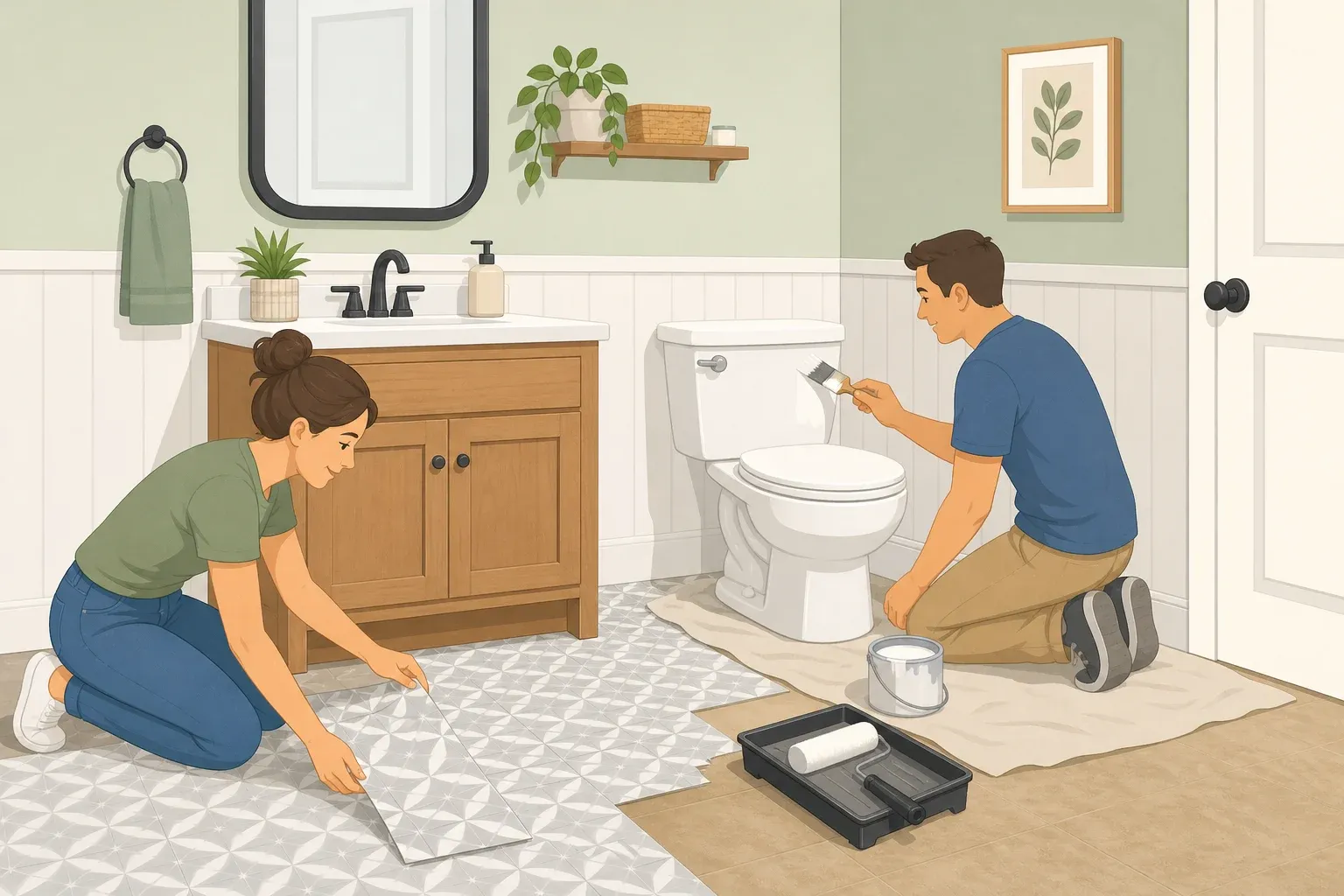
For impossible-access areas, long, flat paintbrush tools make it easy to paint areas behind toilets, radiators, and water heaters without making a mess. These specialty brushes come with their own paint trays, creating a complete system for tight-space painting without requiring multiple trips back to your main paint setup.
Maintenance and Touch-up Tools keep your work looking fresh over time. Paint pens filled with your wall color work better than brushes for small touch-ups on walls or furniture, while stain markers handle quick touch-ups on hardwood floors, furniture, cabinets, and doors. Having dedicated touch-up tools means you can maintain that fresh-painted look without setting up full painting equipment for minor repairs.
Time-saving prep and cleanup gear
Professional results depend heavily on preparation efficiency, and the right prep tools can cut your setup time in half while significantly improving your finished quality.
Surface Protection Systems that actually stay put make all the difference. Canvas drop cloths outperform plastic versions because they're less slippery and actually absorb paint spills rather than letting them spread around your workspace. The tacky surface of quality canvas keeps it in place on wood, tile, concrete, or carpet, eliminating the constant readjustment that interrupts your painting flow and creates safety hazards.
Precision Masking Tools transform the most tedious part of prep work. Painter's tape applicators hold the dispenser against surfaces and slide along walls, automatically slicing tape at the end of each run. This eliminates the fumbling and uneven application that leads to paint bleed-through, while dramatically speeding up the masking process for large rooms.
Efficient Cleanup Systems save significant time at project's end. Brush and roller spinners reduce cleaning time significantly by quickly removing excess paint and cleaning solution. When paired with practical accessories like paint can openers that prevent nail damage and paint spouts that snap onto gallon cans for mess-free pouring, you create a workflow that minimizes both waste and cleanup time.
Multi-Function Tools reduce the hunting and gathering that interrupts project flow. Professional painters rely on multi-tools that serve as scrapers, tape cutters, can openers, and roller cleaners. Having one tool that handles multiple tasks means less time searching for different implements and more time making actual progress on your project.
Getting professional results at home
With these 15 essential tools in your arsenal, you're equipped to tackle painting projects with the kind of confidence and efficiency that comes from understanding how professional-grade equipment solves common painting challenges. The transformation from amateur to professional-looking results comes from recognizing that better tools bring better results, not just in quality but in the overall experience of completing your project.
The foundation principle remains constant: proper surface preparation accounts for about 85% of any successful painting project. This means investing in quality prep tools isn't just helpful—it's essential for achieving results that last. Quality brushes and efficient roller systems handle the application phase, while specialty tools for edging, reach, and touch-ups address the details that separate good work from exceptional results.
Build your toolkit strategically, starting with the fundamentals—invest in good brushes and rollers that match your most common projects, then add specialty tools as you tackle more ambitious work or discover specific challenges you want to solve more efficiently. Paint sprayers make sense when you're ready to take on larger projects or do multiple rooms, while precision tools like edgers and extension equipment pay for themselves in time savings on any project larger than a single accent wall.
Whether you're refreshing one room or planning a whole-house transformation, having professional-grade tools transforms the entire experience from a chore you endure into a project you can tackle with confidence—and be genuinely proud of when it's finished.








Comments
Be the first, drop a comment!