



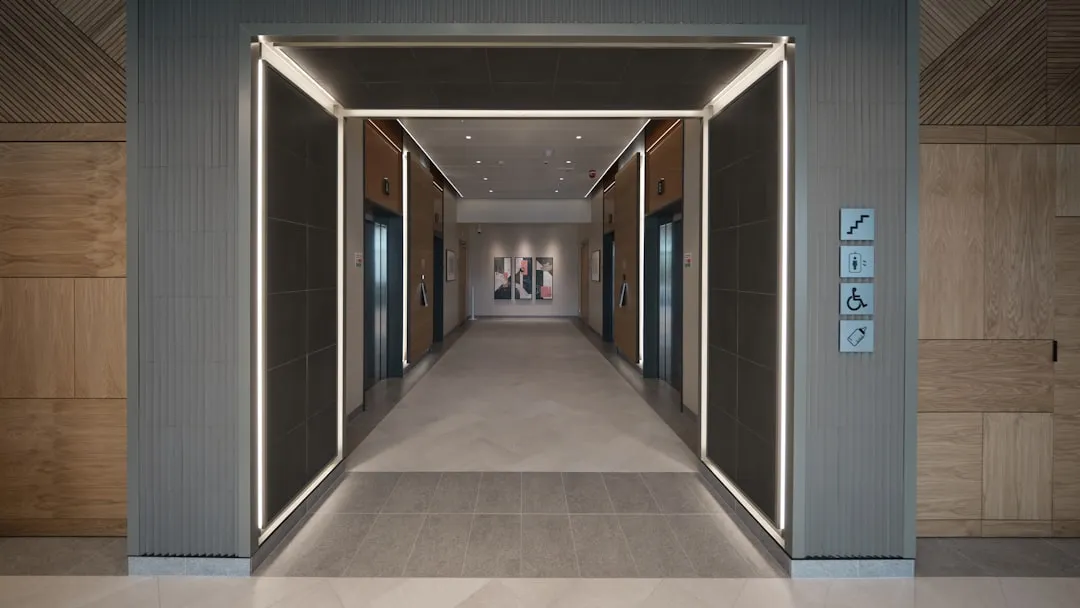
Transform Your Boring Hallway Into a Showstopper for Just $650
Difficulty: Moderate
Time: 2 weeks (working weekends)
Cost: ~$650
Why You'll Like This
Got a dull hallway that feels more like a forgotten afterthought than part of your home? You're definitely not alone. Hallways often become those neglected spaces we rush through without a second glance, but they don't have to stay that way. Crystal Woods proved that transforming a lackluster corridor into a bright, welcoming space is totally doable, and surprisingly affordable too.
This DIYer tackled her uninspiring hallway with strategic updates that cost just $650, completing the entire makeover in just two weeks. She wanted the area to feel more vibrant since it's a space walked through several times daily. Her transformation included molding installation, fresh paint, and carefully chosen accessories that gave the corridor what she described as "old-school charm".
What You'll Need
Materials
- Box molding strips (quantity depends on wall measurements)
- Benjamin Moore White Dove paint (1 gallon covers ~350 sq ft)
- Wood filler and sandpaper (120-grit)
- Brad nails (1.25 in/32mm length)
- Capiz shell light fixtures ($29 each)
- 3x12 ft (0.9x3.7m) hallway runner
Tools
- Level (4 ft/1.2m minimum recommended)
- Brad nailer
- Miter saw or miter box
- Measuring tape
- Pencil for marking
- Non-contact voltage tester
Safety First
- Always wear safety glasses when using a brad nailer or miter saw
- Power off at breaker and verify with non-contact tester before electrical work
- Ensure proper ventilation when painting
- Test paint color in different lighting conditions before committing
Steps
Phase 1: Box Molding Installation
-
Plan your molding layout. Measure wall sections and sketch rectangle patterns, keeping proportions roughly 2:3 height to width ratios for visual appeal.
- Tip: Use painter's tape to mock up your pattern before cutting any wood.
-
Cut molding pieces with miter saw. Crystal installed box molding using a level and brad nailer, marking her first attempt at this particular DIY technique.
- If measurements are off: Adjust spacing slightly rather than recutting—small variations won't be noticeable.
-
Install horizontal pieces first, then verticals. Use level constantly to ensure straight lines—crooked molding will be glaringly obvious.
- Why this sequence works: Horizontal pieces establish your baseline, while verticals fill in the framework.
Phase 2: Surface Prep and Painting
-
Prep walls thoroughly. Fix all holes in the walls and old damage before painting. Fill nail holes, sand smooth, and prime if needed.
-
Apply Benjamin Moore White Dove paint. Crystal chose this warm white for the walls because it brightens without feeling stark—crucial for making dark or narrow hallways feel brighter and more open.
- Technique tip: Use a small brush for molding details, roller for large wall areas.
Phase 3: Lighting and Final Details
-
Swap out light fixtures. Crystal replaced fixtures with capiz shell versions costing $29 each—a huge savings considering similar styles retail from $200 to $800.
- Safety reminder: Always verify power is off before touching any wires.
-
Add runner for warmth and definition. Her 3x12 runner cost about $175 but transforms the space by adding texture and protecting flooring.
Why it works: Box molding creates shadow lines that add architectural depth, while the warm white paint reflects available light more effectively than darker shades. The combination makes narrow spaces feel larger and more intentional.
Cleanup & Disposal
- Store leftover paint properly labeled for touch-ups
- Dispose of wood scraps at local recycling center
- Clean brad nailer and store safely
- Vacuum thoroughly to remove all dust and debris
Troubleshooting
Problem: Molding joints don't line up perfectly → Fix: Use wood filler in gaps, sand smooth when dry, then paint over
Problem: Paint looks different than expected → Fix: Lighting affects color perception—add warmer bulbs if paint feels too cool
Problem: Runner slides around → Fix: Add rug grippers underneath for stability
Variations & Upgrades
- Budget option: Use pre-primed MDF molding strips instead of hardwood
- Renter-friendly: Create removable molding frames using command strips for lightweight pieces
- Style upgrade: Paint molding in contrasting color (like soft gray) for more dramatic definition
- Advanced technique: Add LED strip lighting behind crown molding for subtle uplighting
Why Box Molding Delivers Such Impact
Adding architectural details completely changes a hallway's personality, and box molding delivers serious visual punch for the effort involved. This wall treatment works because it creates interest on otherwise plain surfaces—breaking up large wall expanses with geometric patterns that add perceived depth and sophistication.
Experts note that adding architectural details like crown moulding, architrave, picture frame moulding, or dado rails can add interest and sophistication to hallway spaces. The key is that these shadow-casting elements make walls appear more dimensional rather than flat, creating the illusion that there's more architectural integrity than actually exists.
Why beginners succeed: The installation process is forgiving—small measurement variations blend into the overall pattern, and brad nailers create clean joints that require minimal touch-up work.
Smart Lighting Strategy
The fixture swap demonstrates how replacing outdated fixtures with modern lighting can instantly brighten up a hallway. But Crystal's choice was strategic beyond just style—capiz shells naturally diffuse light, creating a warmer glow than harsh direct lighting.
For maximum hallway lighting effectiveness, consider layered lighting including overhead fixtures, wall sconces, and under-stair lighting to ensure every corner is well lit. The goal is eliminating dark pockets that make spaces feel smaller and less welcoming.
Light color temperature matters: Choose bulbs in the 2700K-3000K range for warm, inviting ambiance rather than cool daylight bulbs that can feel institutional in residential hallways.
Finishing Touches That Complete the Look
Crystal's total investment of approximately $650 proves significant transformations don't require massive budgets. Her approach prioritized high-impact changes: architectural interest through molding, proper color selection, updated lighting, and thoughtful accessories.
The runner addition was particularly smart—it defines the pathway while adding warmth underfoot and visual texture. This shows how each element builds on the others: the white paint makes molding shadows more dramatic, updated lighting reveals the paint's warmth, and the runner grounds everything with rich texture.
Evolution insight: Her previous update had been an ombré paint job in 2020, showing how spaces can evolve as tastes change. Sometimes you outgrow a look—and that's perfectly fine.
FAQ
Can I use different molding profiles? Yes—chair rail, picture frame, or even simple rectangular strips work. The key is maintaining consistent spacing and proportions.
Will this work in rental properties? Check with your landlord first. Consider removable alternatives like peel-and-stick molding or temporary wall panels for renter-friendly options.
How do I choose runner size? Leave 6-8 inches (15-20cm) of bare floor on each side. The runner should extend most of the hallway length but not wall-to-wall.
Your hallway's transformation potential is waiting. With strategic planning, basic DIY skills, and Crystal's proven $650 approach, you can turn your forgotten corridor into a space that enhances rather than detracts from your daily routine. Start by assessing what your hallway needs most—visual interest, proper lighting, or better connection to your home's overall style. Even small changes make dramatic differences in spaces we pass through multiple times each day.
Comments
Be the first, drop a comment!