



Reviewed by: Y. Garcia
Difficulty: Beginner
Time: 30 minutes to 3 hours per project
Cost: $3-20 per piece
You know that thrill when you spot a forgotten treasure tucked away on a thrift store shelf? That moment when your eyes lock onto something with incredible potential, and your mind immediately starts racing with makeover possibilities? Thrift stores are absolute goldmines for home decorating, offering unique pieces at unbeatable prices that you can transform into stunning statement pieces without breaking the bank.
The real magic happens when you realize these budget finds are actually superior to expensive new items for DIY projects. Low costs mean you can experiment with bold techniques or color choices you might not risk on pricier pieces. This freedom to explore builds your skills progressively — start with a simple $3 vase makeover, master basic painting techniques, then confidently tackle that $15 vintage dresser. Each success teaches you to spot potential where others see problems, turning every thrift store visit into a treasure hunt for your next designer-quality creation.
What makes thrift store finds perfect for DIY projects?
Thrift stores can be a treasure trove filled with amazing and unique items, from rustic wooden cutting boards to vintage casserole stands perfect for displaying coffee table books. What sets these secondhand discoveries apart isn't just their fascinating histories — it's how they're perfectly positioned for transformation success.
The strategic advantage of thrift store pieces lies in their imperfections. Smart shoppers actually look for damaged pieces since they'll be cheaper, and you can quickly repair problem areas during your makeover process. That scratch or chip that makes other shoppers pass by becomes your opportunity for both savings and skill-building. You'll learn repair techniques alongside decorative ones, developing the confidence to tackle increasingly complex restoration projects.
This low-risk environment builds expertise systematically. Start with accessories where mistakes teach technique without major investment, then progress to furniture where your developed skills ensure better results. The $5 lamp teaches you spray painting basics; the $15 side table lets you practice those skills on a larger scale with confidence.
Lighting transformations that shine
Lamps offer the most dramatic transformation potential because they combine multiple makeover techniques in one satisfying project. When someone spotted a bold red lamp for just $4, their mind immediately started racing with possibilities. Using joint compound and paint, they transformed this forgotten find into a one-of-a-kind statement piece.
Lamp makeovers are particularly beginner-friendly because they work with manageable surface areas and forgiving shapes. Apply 2 light coats of matte black spray paint, letting each coat dry fully in between. For texture development, pour a small amount of your light-colored acrylic paint onto a plate, dip your dry brush lightly, then wipe off most of it on a paper towel before applying with light, dabbing motions.
The progression possibilities are endless. Begin with simple spray paint updates, advance to texture techniques, then tackle vintage brass lamps missing their shades, where you'll learn custom pleated fabric lampshade construction. Each project builds on previous skills while creating functional art pieces that transform entire room atmospheres.
Safety First: Verify all electrical components before starting. Replace frayed cords and use lower-wattage bulbs with fabric modifications to prevent overheating.
Furniture flips that maximize function and style
Furniture pieces provide the biggest impact potential, but success requires understanding the hierarchy of complexity. Start with small tables like drop-leaf styles that provide wonderful flexibility — they're perfect for learning surface preparation and paint application on manageable pieces before tackling larger items.
Paint is the miracle of furniture upcycling, but knowing when to use it versus other approaches separates amateur from professional results. For immediate visual impact without commitment, simply changing handles, knobs, and other hardware modernizes pieces instantly. This technique works perfectly when testing color schemes or when the existing finish has good bones.
The progression strategy: hardware updates teach you about proportion and style compatibility, then paint projects develop surface preparation and application skills. Solid wood furniture like chairs, tables, and dressers responds beautifully to these techniques and often looks high-end with sanding and paint, especially when you've mastered the foundational skills from smaller projects.
Safety First: Work in well-ventilated areas when sanding or painting. Wear dust masks and eye protection. Test for lead paint on vintage pieces before sanding.
Creative art and mirror makeovers
Picture frames and mirrors serve as perfect intermediate projects, bridging accessory and furniture complexity while offering dramatic visual results. One creative approach involves using painter's tape and spray paint to create striking striped patterns — a technique that costs just $17 total, including the frame, and teaches precise masking skills applicable to larger projects.
The systematic approach builds complexity beautifully. Master basic spray painting techniques, then advance to beaded mirror makeovers using split wood beads. This project takes about an hour to complete and demonstrates how a $4 mirror transforms into a $9 designer-look piece through dimensional elements and distressing techniques.
These skills transfer directly to larger furniture projects. The precision required for clean tape lines translates to cabinet door panels; the adhesive techniques used for beading apply to furniture appliqués. Frame depth considerations teach you about visual weight and proportion — crucial knowledge for successful furniture arrangement and room design.
Simple updates can breathe new life into vintage prints as well, often requiring just fresh matting or complementary frame treatments that honor the artwork while integrating with modern decor schemes.
Decorative accessories with designer appeal
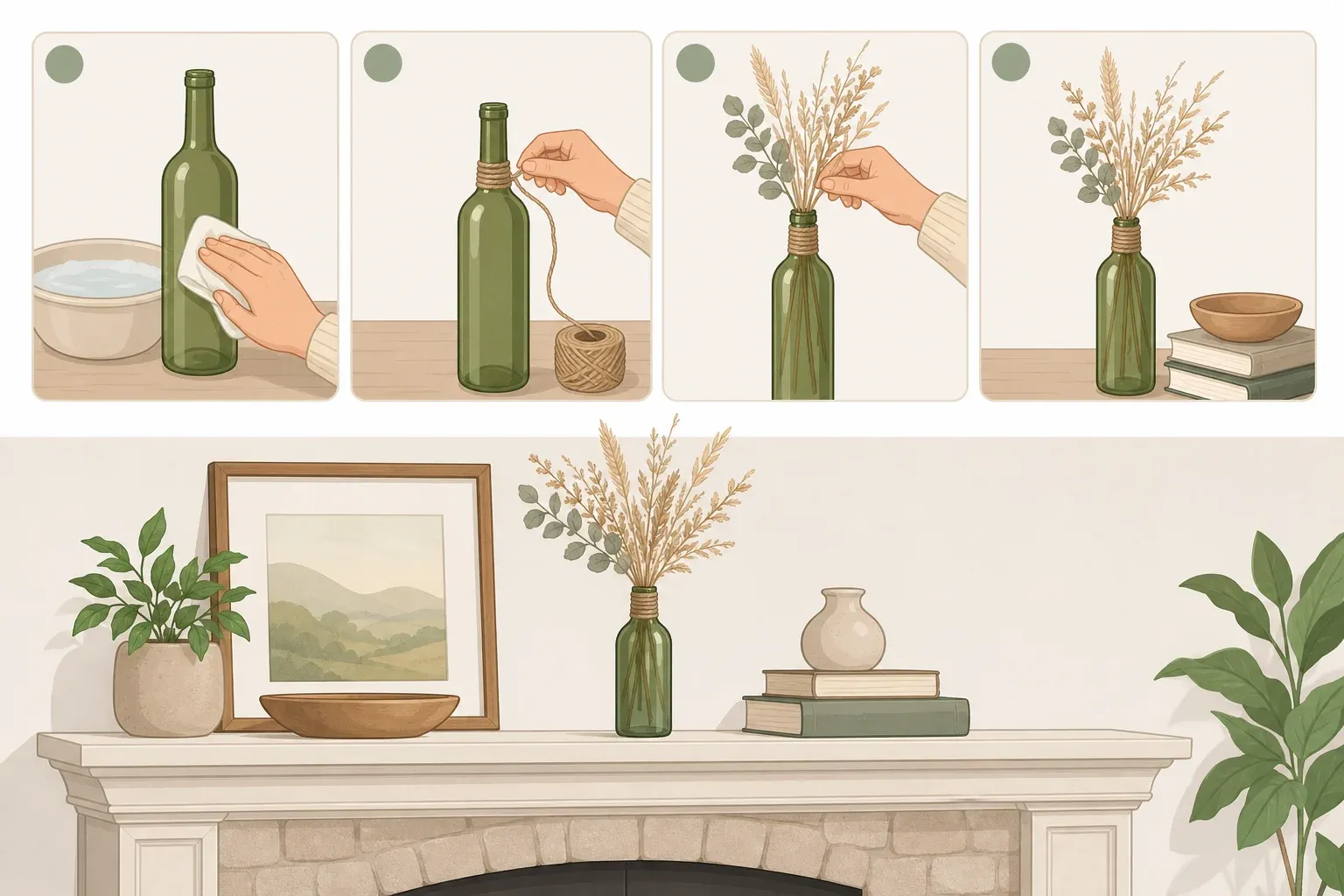
Accessories provide the ideal starting point for building transformation skills because they're low-investment opportunities to master fundamental techniques. Thrifted vases are perfect candidates since they're inexpensive and come in various shapes, and many have minor imperfections, making them ideal for transformation.
The vase makeover process demonstrates professional-level technique development. Begin with thorough cleaning and primer application for proper paint adhesion. Spackling is applied to make the vase look like high-end pottery by adding texture. Once dried and lightly sanded, different paint colors are layered on the textured vase using horizontal strokes, creating depth and visual interest that rivals expensive artisan pottery.
This foundational technique set — surface preparation, texture creation, and layered color application — transfers seamlessly to larger projects. Glass bowls can become planters or jewelry trays, while vintage casserole stands work beautifully for displaying coffee table books. Even unusual finds like French horns can be repurposed into unique seasonal decorations, demonstrating how mastered techniques enable creative problem-solving for any shaped object.
Smart shopping strategies for maximum success
Strategic shopping amplifies your project success rate by connecting store timing, item evaluation, and skill level matching. One of the best ways to find thrift store lamps is to frequent local thrift stores regularly, especially in the mornings when fresh inventory gets positioned by staff who understand their best pieces.
Develop systematic browsing patterns for efficiency. Most thrift stores group all of the furniture together in one area, making it easier to assess larger project options quickly. But expand your search strategically — the kitchen/baking section contains vintage measuring cups, old wooden spoons, stoneware mixing bowls and breadboards, while dinnerware areas often hold treasures perfect for advanced technique practice.
The strategic damage assessment approach becomes more sophisticated as your skills develop. Look specifically for damaged items since they'll be cheaper, but learn to evaluate repair complexity against your current skill level. Beginners should seek surface scratches and minor chips; advanced DIYers can tackle structural repairs and missing components, turning significant damage into major savings opportunities.
Essential safety and preparation steps
Proper preparation varies by project complexity, but consistent safety protocols ensure successful outcomes across all skill levels. Thrift store finds require thorough decontamination before transformation begins. Vintage glassware should be washed by hand using hot water and a 1:1 ratio of dish soap to vinegar for deep cleaning that removes years of accumulated residue.
Project-specific preparation builds complexity appropriately. For wood furniture, use a 1:3 vinegar and water solution to remove odors, always testing in inconspicuous areas first. When advancing to paint projects, clean surfaces with a TSP-based cleaner to ensure proper paint adhesion — this step distinguishes amateur from professional-quality results.
Electrical safety requires special attention with vintage lighting. Inspect all wiring carefully and consider professional evaluation for complex repairs. For fabric lamp modifications, use lower-wattage bulbs to prevent overheating that could cause fire hazards.
Disposal: Save cleaning solution containers for project paint disposal. Many communities have hazardous household waste collection events for proper chemical disposal.
Building your transformation skills progressively
The real transformation happens in your growing ability to see potential and execute increasingly sophisticated projects. Sometimes all it takes is a bit of imagination and a willingness to give something a second chance — but that imagination develops through successful project completion that builds technical confidence alongside creative vision.
Start with the progression path that ensures continued success: $3-5 accessories teach basic techniques and color theory, $8-12 lighting projects add complexity and electrical basics, $15-25 furniture pieces combine multiple skills for major visual impact. The joy of transforming a thrifted piece is truly unmatched — not only do you save money, but you bring new life to something that may have otherwise been forgotten.
The options are limitless for what you can create as your skills develop. Each completed project becomes a stepping stone to more ambitious transformations. Soon you'll confidently evaluate structural repairs, plan multi-step finishing processes, and envision how unusual pieces can solve specific room design challenges. Your home becomes filled with meaningful pieces that tell the story of your developing artistry — all while maintaining a budget that allows for continued creative exploration.
Comments
Be the first, drop a comment!