



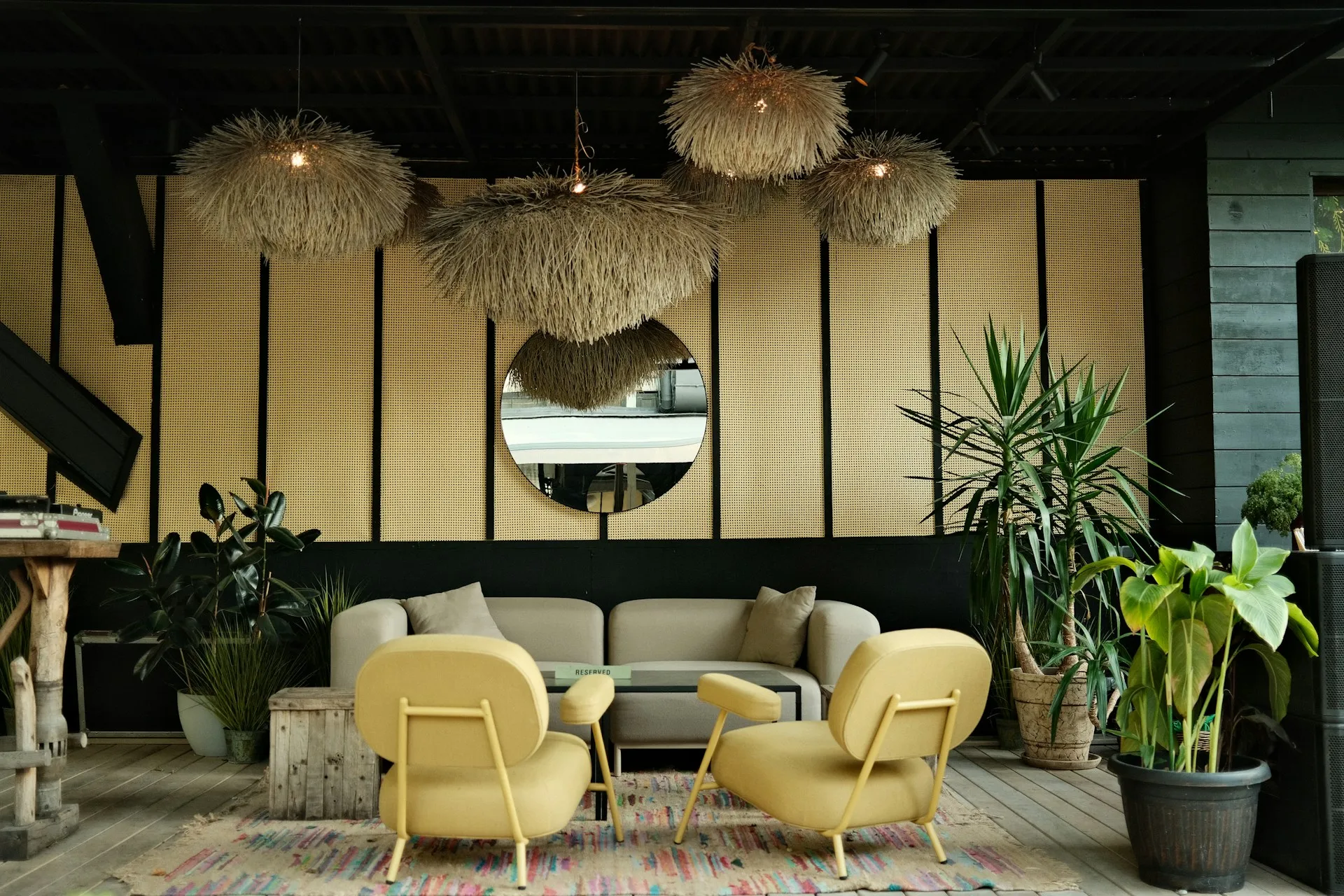
The first clue something's off with your room design usually hits you the moment you walk through the door. Maybe the colors feel random, or everything looks like it was placed without much thought. You're not imagining it – there's actually a tried-and-true technique that can fix this, and it comes from somewhere you might not expect: your closet.
Picture your best-dressed friend – you know, the one who always looks put-together without seeming to try too hard. Chances are, they're using something called the Sandwich Method without even realizing it. This fashion trick has crossed over into interior design, and once you understand it, you'll start seeing it everywhere. The concept is simple: match elements at the top and bottom of your space while contrasting the middle, creating that polished, intentional look that makes rooms feel like they were designed by a pro.
Difficulty: Novice
Time: 30 minutes to 2 hours (depending on scope)
Cost: Free to $50 (using existing items or adding paint)
What exactly is the Sandwich Method?
Think about the last time you put together an outfit that just worked. Let's say you wore a navy blazer with white jeans and navy shoes – notice how those matching navy pieces "bookend" the white? That's the Sandwich Method in action. In fashion, this approach involves coordinating your top half with your bottom half while placing contrasting elements between them. These coordinating pieces function as the "bread" while contrasting items become the "filling," creating visual balance and proportion.
Now here's where it gets interesting – the same fundamental principle translates beautifully to interior spaces. Instead of jackets and shoes, you're working with ceilings and baseboards, or top shelves and bottom drawers. The matching elements create what designers call visual "bookends" that frame everything in between, making your design choices feel deliberate rather than accidental.
What makes this technique so effective is that it mimics how our eyes naturally want to move through a space. We tend to scan from top to bottom, and when we see that repetition of color, material, or style, our brains register it as "this was planned" rather than "this just happened."
How to apply color sandwiching in your rooms
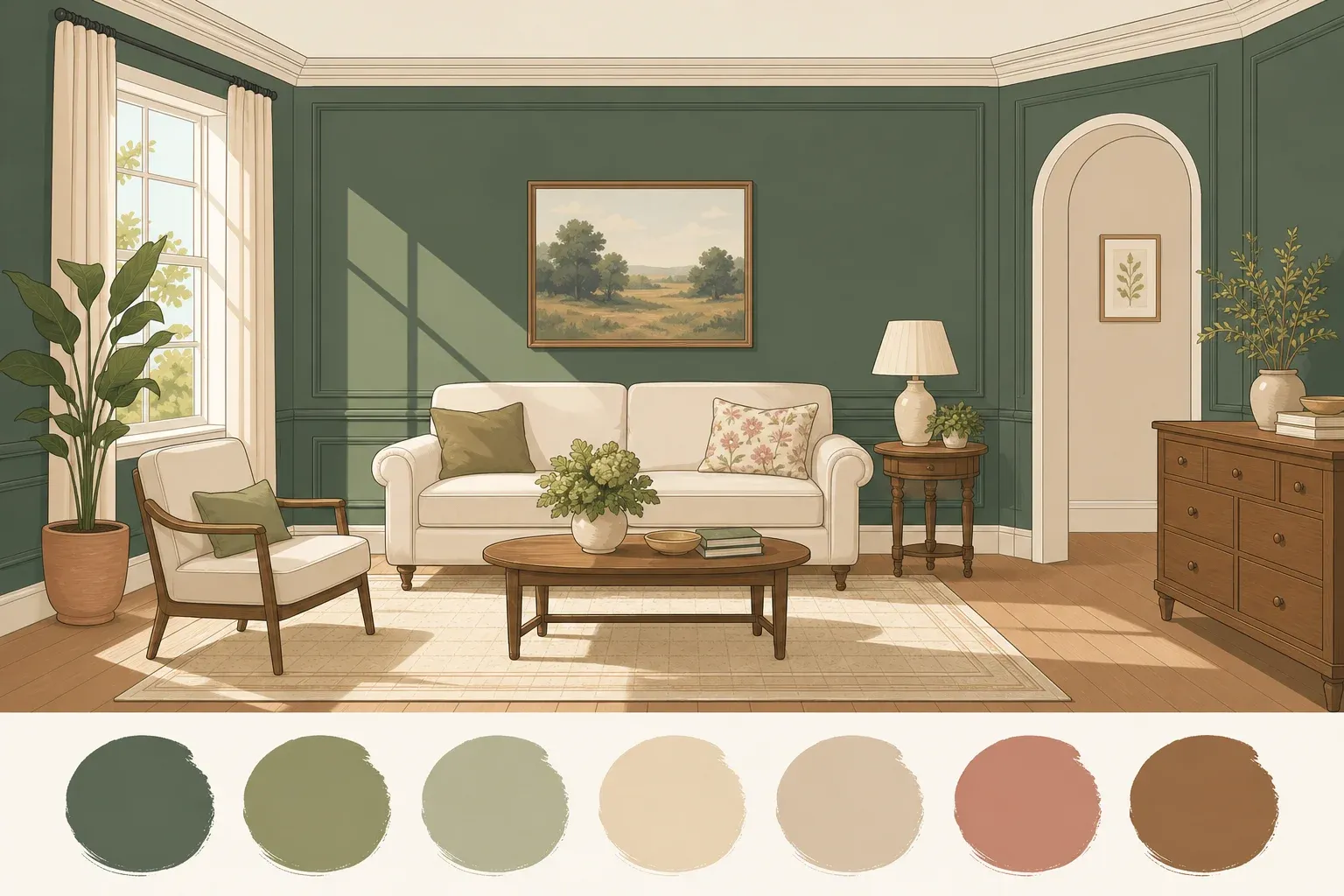
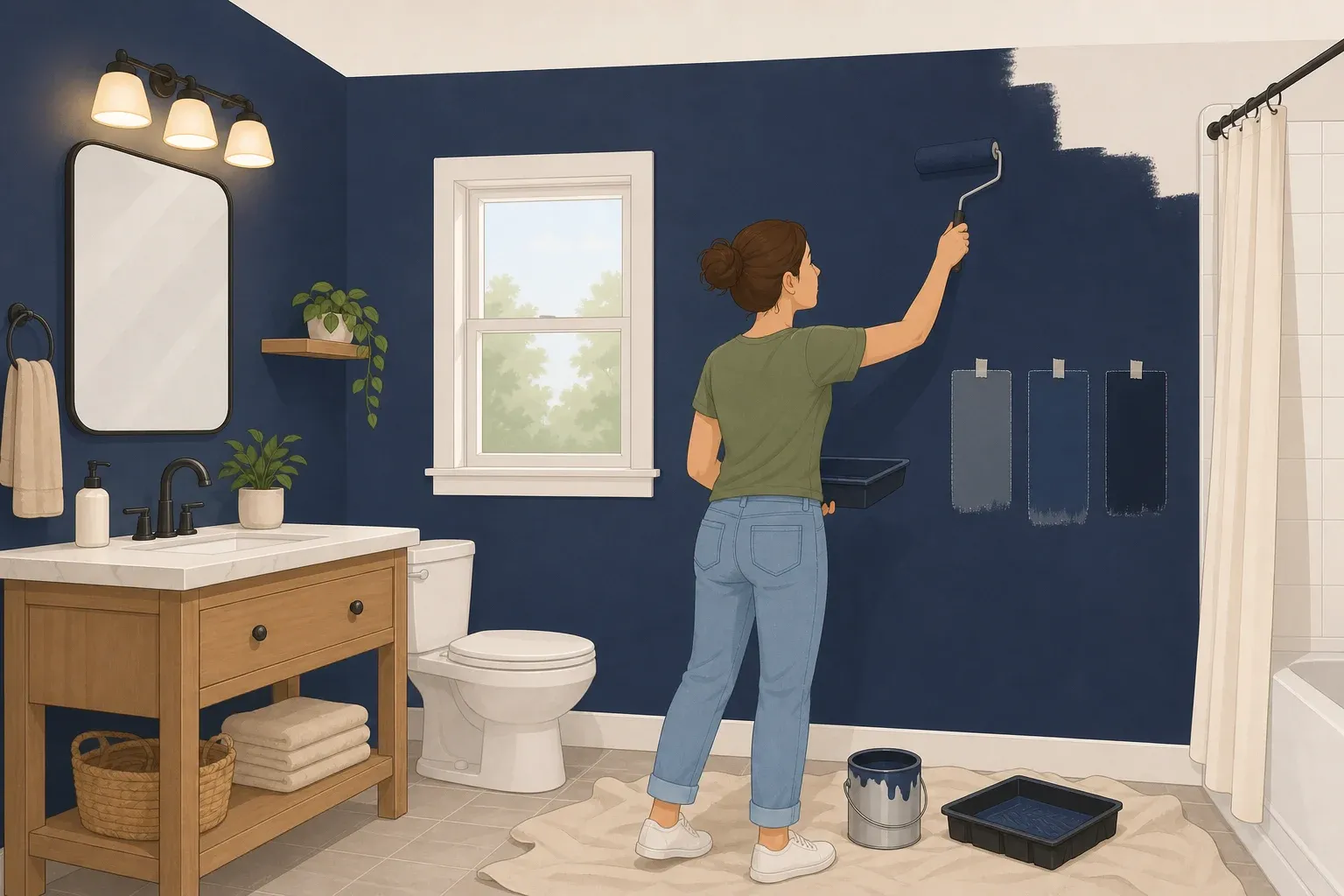
The easiest place to start experimenting with this method is with paint, specifically your room's vertical elements. The concept is that the color used on top – in the case of interiors, the ceiling – matches that on the bottom, i.e., the skirting boards, to 'sandwich' the main wall color. The effect is cozy and cocooning, making spaces feel more intentional and balanced.
If you're just starting out, opting for a neutral hue on the skirtings and ceiling is a great place to start. Try matching white or cream on your ceiling and trim, then experiment with bolder wall colors as your confidence grows. This approach has a practical bonus too – you can easily change the wall color as your style evolves, while keeping the ceiling and skirting color the same.
The beauty of this method is how it instantly makes any color choice feel more deliberate. Even if you go bold with something like deep teal walls, having that matching white ceiling and baseboard creates a framework that says "I meant to do this" rather than "I ran out of paint halfway through."
Tip: Start with one accent wall before committing to a whole room – this lets you test how the colors feel in your lighting throughout the day.
Creating visual sandwiches with furniture and decor
Once you've got the hang of color sandwiching, you can apply the same thinking to furniture arrangement and styling. The key is using matching elements at different heights throughout your room. Picture a living room where you have identical table lamps on side tables flanking a contrasting sofa – that's your sandwich right there.
Material mixing creates compelling visual sandwiches when you combine similar finishes at top and bottom levels while introducing contrasting textures in between. Chrome and wood combinations work particularly well, where polished metal elements can bookend natural wood pieces. Think chrome picture frames on a mantel with wooden candlesticks in between, or metal bookends holding a collection of leather-bound books.
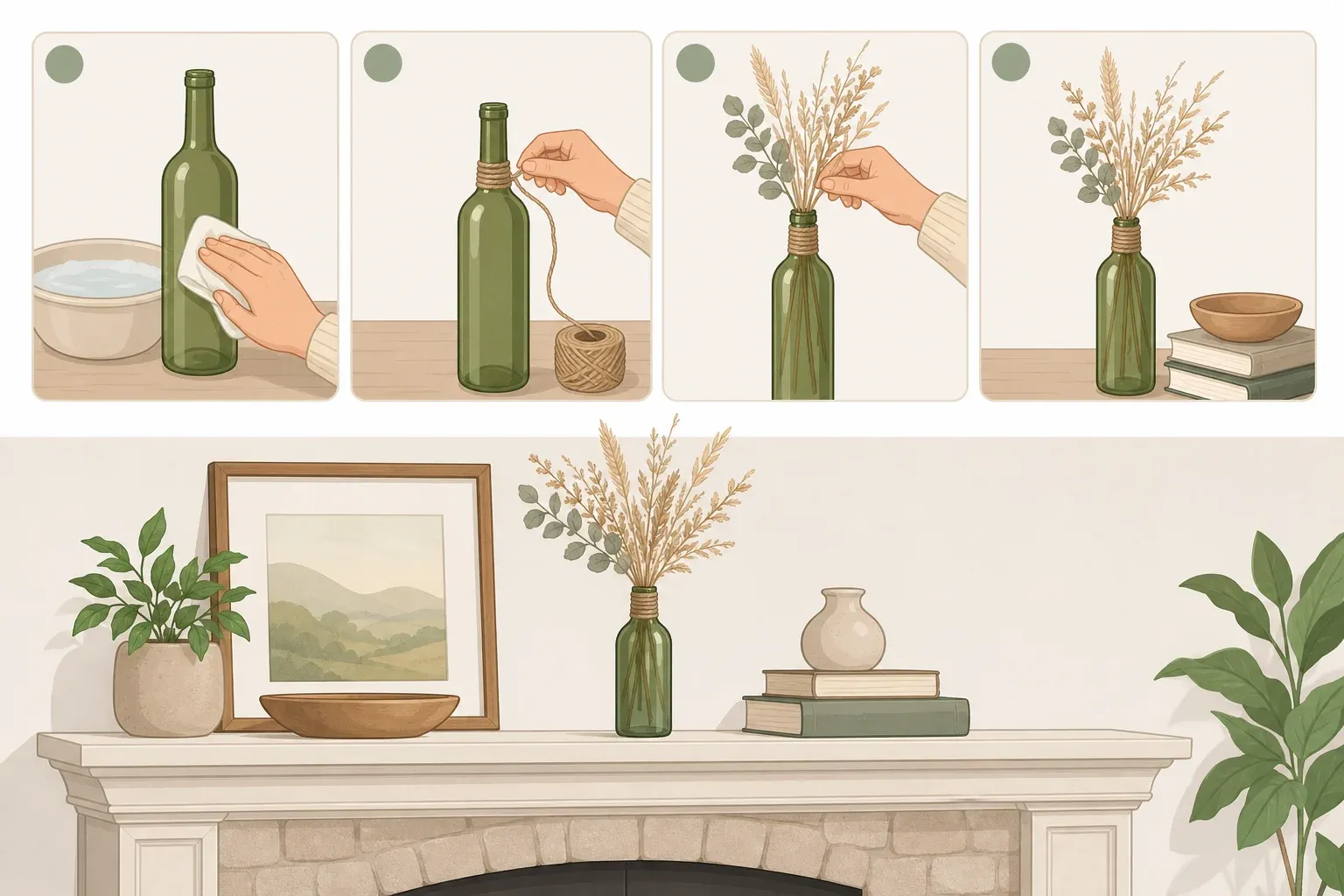
Even your smallest vignettes benefit from this approach. Try placing matching candlesticks on either end of a coffee table while varying the objects displayed between them – maybe a stack of books, a small plant, and a decorative bowl. The candlesticks create that visual framework, while everything in the middle gets to be more eclectic and personal.
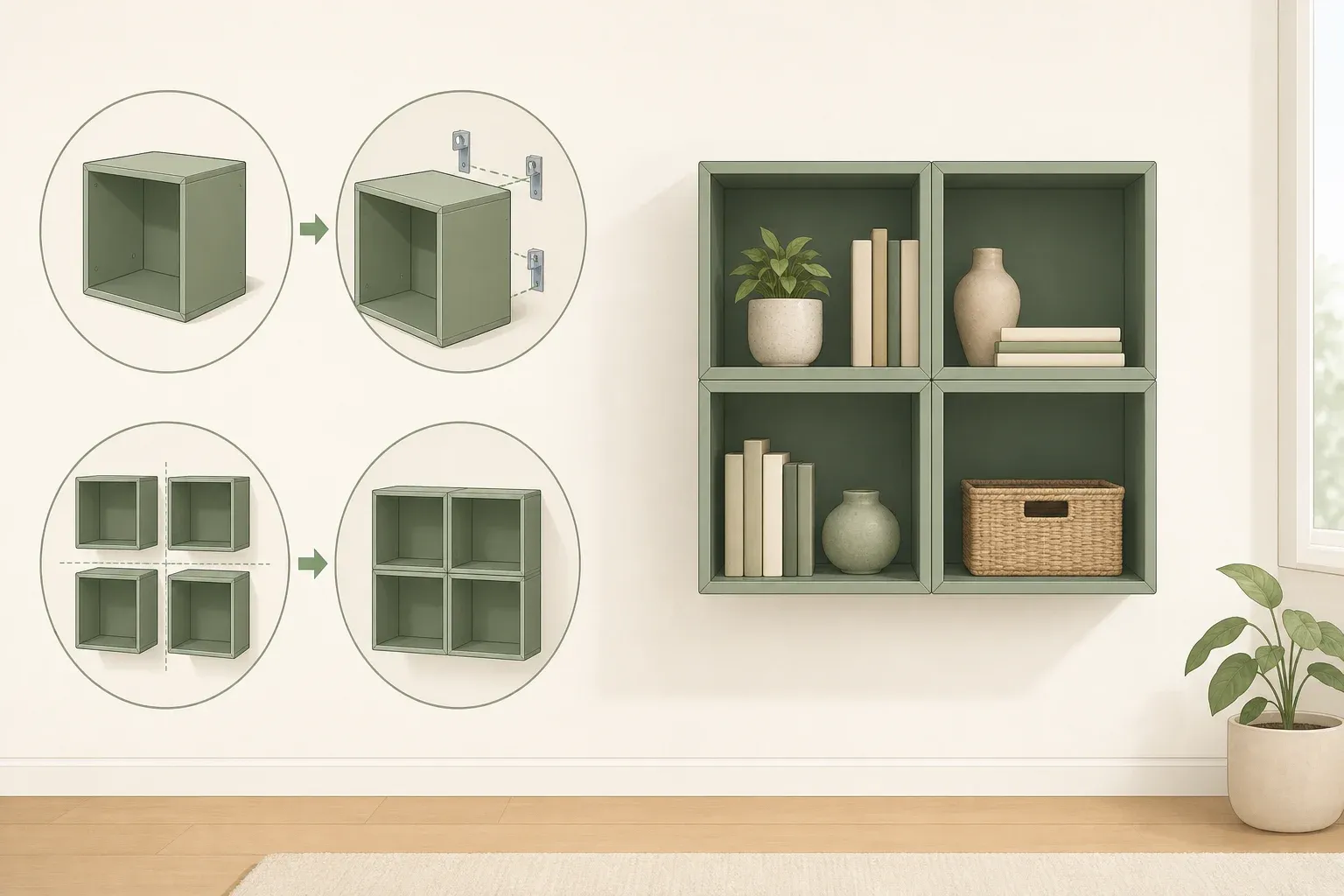
The rule works vertically, too. If you have floating shelves, consider putting similar objects on the top and bottom shelves – maybe white ceramic pieces – while letting the middle shelves showcase your more colorful or varied collections.
Why chrome and wood work so well: The warm-cool contrast creates visual tension that's pleasing to the eye, while the different textures (smooth metal vs. organic grain) add depth without competing for attention.
Organizing storage spaces with the sandwich technique
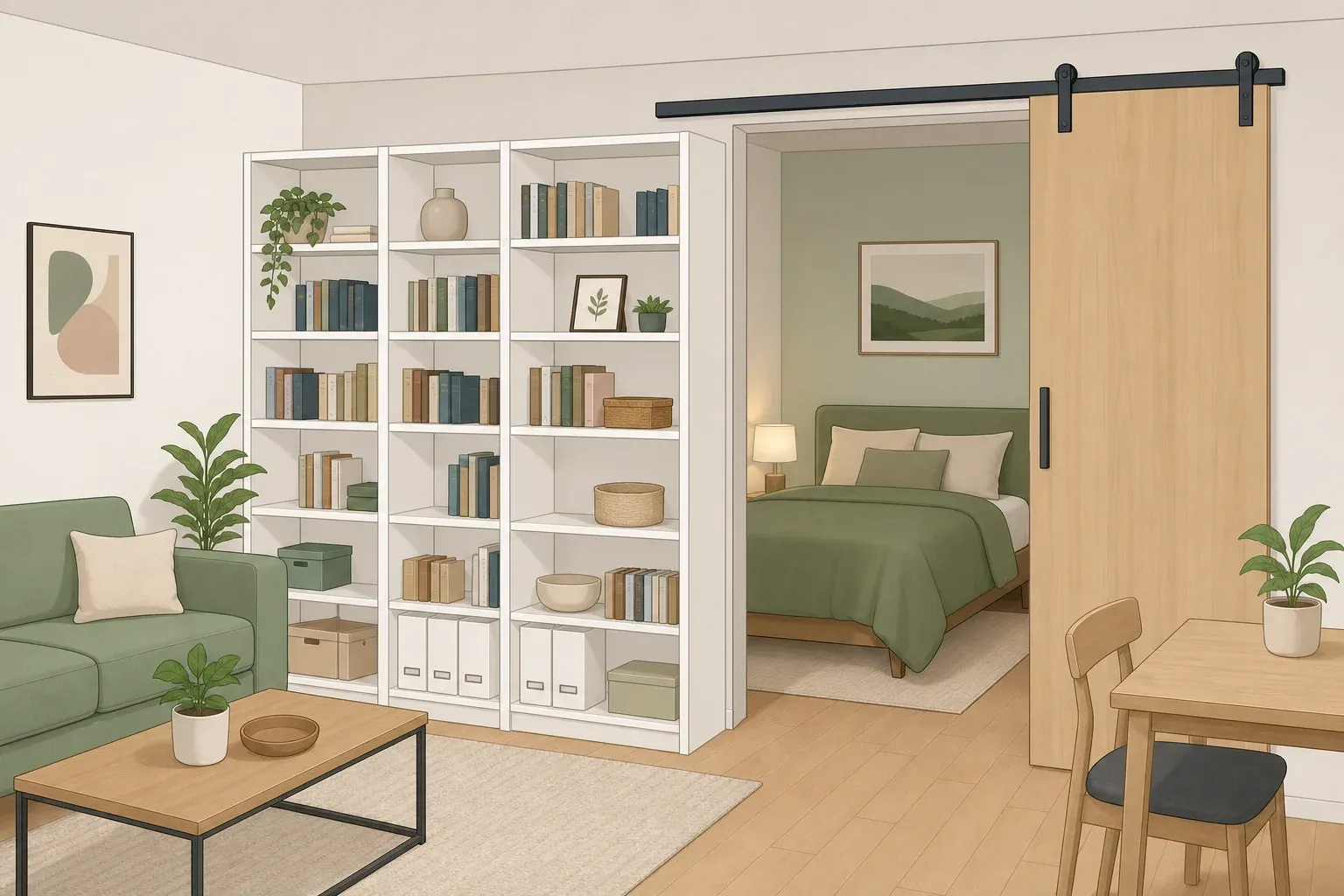
Your behind-the-scenes storage areas might seem like unlikely candidates for design techniques, but the Sandwich Method can transform how your closets, shelves, and cabinets look and function. The sandwich method for storage is a practical and easy home organization strategy where you layer items by frequency of use.
Here's how it works in practice: When picking the 'bread' for this method, you'd use items that don't come across as clutter at first glance. Place your most visually appealing, uniform items on the top and bottom shelves – think matching storage boxes, coordinated dishware, or neatly folded linens. The filling in the sandwich method is any bits of unintentional clutter that need concealing.
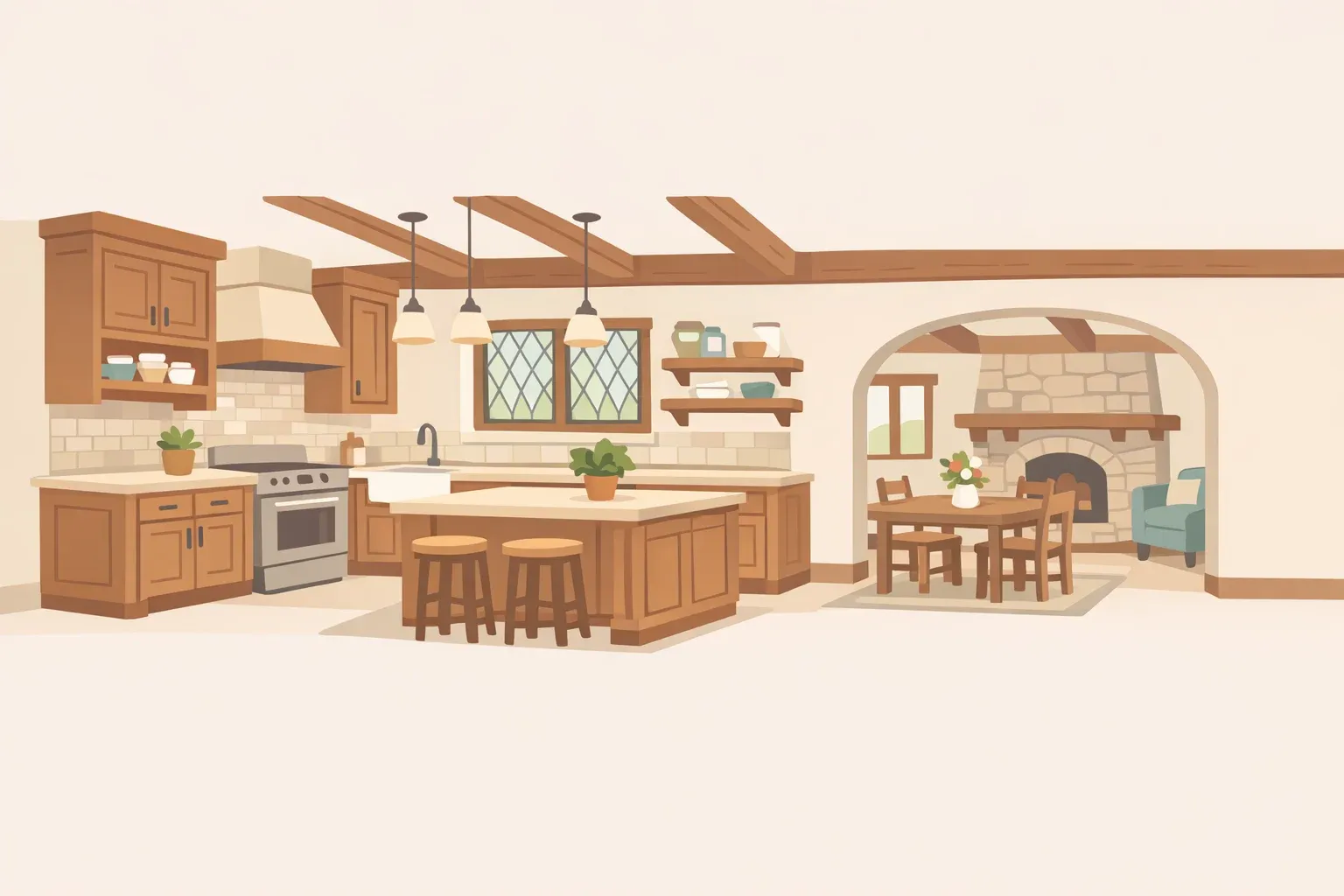
In kitchen cabinets, this translates to displaying your matching dinner plates and serving bowls on the outer shelves while tucking away mismatched containers and random kitchen gadgets in the center areas. This method keeps your daily essentials, like plates, cups, and pantry staples, right where you need them, and it saves time and reduces stress because you're not constantly digging through clutter.
This approach reduces visual clutter, creating the impression of a less-busy and, in turn, tidier space while keeping your most-used items at the most accessible heights.
Troubleshooting common sandwich method mistakes
Like any design technique, the Sandwich Method can go sideways if you're not careful. Here are the issues I see most often:
Problem: Your colors feel too matchy-matchy, like you got carried away with a paint chip → Fix: Vary the shades slightly or introduce subtle pattern differences while staying in the same color family. Maybe your ceiling is bright white while your baseboards are warm white, or one element has a subtle texture while the other is smooth.
Problem: The contrast between your "bread" and "filling" feels jarring → Fix: Add transitional elements that bridge the gap. If you've got white bookends with bright orange books between them, try adding some cream or coral elements to ease the visual jump.
Problem: Small rooms feel cramped with the sandwich treatment → Fix: Stick to lighter colors for your matching elements and make sure you have adequate lighting. Dark "bread" colors can make low ceilings feel oppressive, so save those dramatic dark ceiling-and-baseboard combinations for rooms with good height and natural light.
Remember, this isn't about creating perfect symmetry or following rules so strictly that your space loses personality. The goal is to create visual flow and design choices that feel intentional to your eye.
Why this simple rule transforms any space
What makes the Sandwich Method so effective comes down to how our brains process visual information. Layering in interiors is about creating depth, not simply adding more elements, and this technique gives you a framework for doing exactly that. When you repeat elements at different levels, you're creating what designers call visual rhythm – your eye has places to rest and a path to follow around the room.
This approach helps establish focal points while preventing spaces from feeling chaotic or unfinished, giving you that collected-over-time look that makes a room feel like someone actually lives there (rather than like it was decorated in a single shopping trip). The technique works because it mirrors patterns we see in nature and well-designed compositions – think of a landscape where the sky and ground frame the horizon, or how a beautiful photograph uses similar elements to create balance.
Unlike complex design rules that require extensive training or a hefty budget, the Sandwich Method offers an intuitive framework that works regardless of your experience level or how much you have to spend. You can apply it with paint colors, thrift store finds, or items you already own – the technique itself creates the transformation.
Start small if you're feeling uncertain. Try it on a single bookshelf or mantel first, then expand to a whole wall, and eventually to entire rooms as you see how much difference this simple approach makes. Once you start noticing sandwich compositions in well-designed spaces, you'll have a whole new appreciation for why some rooms just feel "right" from the moment you step inside.






Comments
Be the first, drop a comment!