



Transform Your Rental Hallway into Custom-Look Storage in One Weekend
Difficulty: Moderate
Time: 6-8 hours over one weekend
Cost: $180-220 (cabinets $140, hardware $25, materials $35-55)
Size: Creates 84 inches of seamless storage, approximately 11.75 inches deep
Why You'll Love This Rental-Friendly Fix
If you've ever walked into a rental property and felt that familiar sinking feeling about the hallway, you know exactly what we're talking about. Rental hallways often showcase the best of "landlord special" design choices—questionable flooring decisions, mysterious holes in baseboards, and that general sense that nothing quite matches or makes sense.
This IKEA hack transforms your rental nightmare hallway into functional storage that looks like expensive built-ins, all while covering up those eyesore imperfections that come with rental living. The secret? Two GULLABERG shoe cabinets, some strategic modifications, and finishing touches that fool everyone into thinking you spent thousands on custom cabinetry.
What You'll Need
Materials
2 IKEA GULLABERG shoe cabinets (white or stain to preference)
1 custom top piece: live-edge board, stained wood, or painted MDF (84" x 11" x 1")
Wood filler (Bondo or similar paintable filler)
Matching paint (1 quart, color-matched at hardware store)
4-6 cabinet knobs/pulls (brushed gold, matte black, or match existing fixtures)
Wall anchors rated for 50+ lbs each (drywall or appropriate for your wall type)
Tools
Drill with bits
Level (24" minimum)
Stud finder
Sandpaper (120 and 220 grit)
Paint brushes/small roller
Measuring tape
Pencil
Safety glasses
Alternative Materials
Budget option: Use included GULLABERG tops, patch seam ($15 less)
Upgrade option: Add crown molding for ultra-custom look (+$25)
Safety First
Eye protection required when drilling and sanding
Adult supervision required for power tool use
Power off at breaker when locating studs near electrical outlets; verify with non-contact tester
Test wall anchors with 75 lbs before mounting cabinets
Ensure proper ventilation when painting and using wood filler
Steps
Assemble cabinets leaving connection space. Build the left GULLABERG normally. For the right cabinet, skip installing the left front leg—this creates space for seamless connection.
Tip: Keep all hardware organized in small bowls during assembly.
Mark and drill connection holes. Position cabinets side by side, mark where holes need to transfer from left cabinet to right cabinet's side panel. Use painter's tape on drill bit to mark depth and prevent drilling through.
If holes don't align perfectly: Enlarge holes slightly with sandpaper for hardware adjustment.
Connect cabinets securely. Join both units with provided IKEA hardware, ensuring fronts are perfectly flush. Check alignment with level before final tightening.
Tip: Have a helper hold pieces while you secure—this prevents shifting during connection.
Install or create custom top. For included tops: place side by side, secure from underneath, fill seam with wood filler. For custom top: cut to 84" length, secure with screws from cabinet interior.
Perfect the seam with wood filler. Apply wood filler to any gaps between cabinets or where top meets wall. Sand smooth when dry (follow manufacturer's drying time).
Why this matters: Visible seams immediately identify DIY projects—perfect seams look professionally installed.
Paint-match and finish. Take cabinet sample to home improvement store for color matching. Apply primer if raw wood is exposed, then paint filled areas to match existing finish.
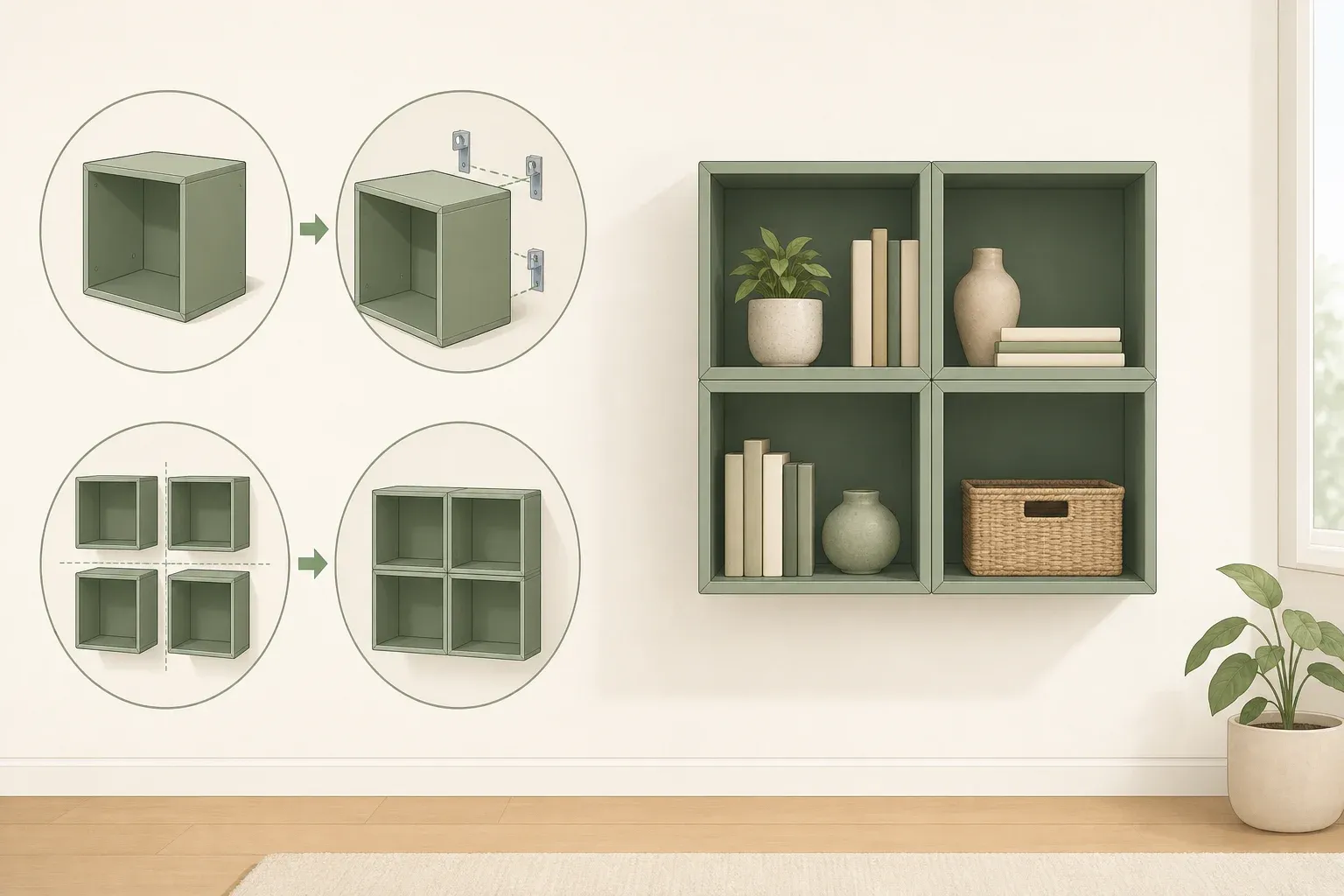
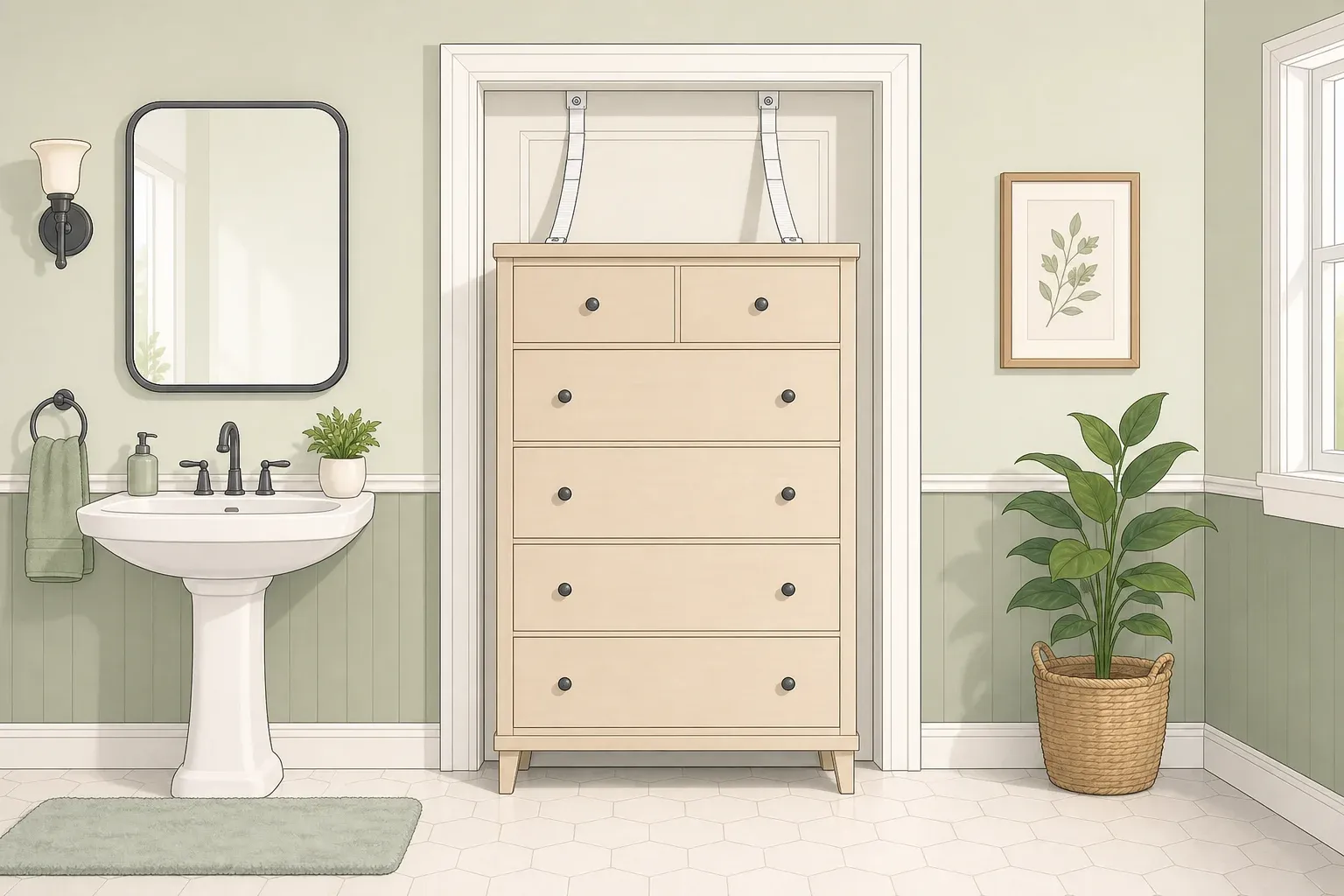
Mount to wall securely. Locate studs, mark mounting points, install appropriate wall anchors. These cabinets are approximately 11.75 inches deep and wall-mounted, making proper anchoring crucial for safety.
Upgrade hardware for custom look. Replace standard gray IKEA knobs with quality hardware in finish that matches your home's other fixtures. Brushed gold accents elevate the entire piece from budget furniture to custom cabinetry.
Why it works: Installing two cabinets side by side creates a seamless look that would cost thousands if you hired a custom carpenter, while the shallow depth preserves hallway flow.
Cleanup & Disposal
Store leftover wood filler tightly sealed for touch-ups
Dispose of paint brushes and rollers according to local regulations
Sand dust should be collected and disposed in regular trash
Save paint sample chip for future touch-ups
Clean tools immediately with appropriate solvents
Troubleshooting
Problem: Visible seam after wood filler → Fix: Sand completely smooth, apply second coat of filler, re-sand before painting
Problem: Cabinets aren't level → Fix: Use shims behind mounting points, recheck with level
Problem: Hardware holes don't align → Fix: Fill original holes with wood filler, re-drill in correct position
Problem: Paint color doesn't match → Fix: Return to store with larger sample for re-matching
Styling for Maximum Impact
A gallery wall with family photos, an oversized faux pottery vase, candlesticks, and a basket tray catchall transforms the cabinet top into a styled console surface. The key is treating this as intentional furniture, not just storage.
Mix personal photos with decorative objects in varying heights to create visual interest without overwhelming narrow hallways. The gallery wall draws eyes upward, making small spaces feel taller and more spacious.
Variations & Upgrades
Renter-friendly: Use heavy-duty Command strips instead of wall mounting (check weight limits)
Budget stretch: Add crown molding and baseboards for true built-in appearance (+$25, advanced skill)
Different widths: Use three cabinets for longer walls, or single cabinet for smaller spaces
Custom interior: Add LED strip lighting underneath for premium feel (+$30)
Why This Beats Expensive Alternatives
IKEA hacks allow people to transform affordable, functional furniture into something unique and high-end without the hefty price tag. Traditional built-in hallway storage would require a carpenter, potentially weeks of work, and thousands of dollars. This approach delivers similar visual impact in a weekend project at under $220.
The beauty lies in solving multiple problems simultaneously. Rather than separately fixing wall imperfections, adding storage, and creating a landing zone for daily items, this single project handles all three while looking like it was always meant to be there. The transformation makes tiny dark hallways more functional and stylish while eliminating holes in flooring and baseboards.
For renters, it's completely reversible—you can uninstall and take it with you when you move. When friends ask about your "custom built-ins," you can smile and share your clever secret while enjoying a hallway that actually works for your daily routine.





Comments
Be the first, drop a comment!