



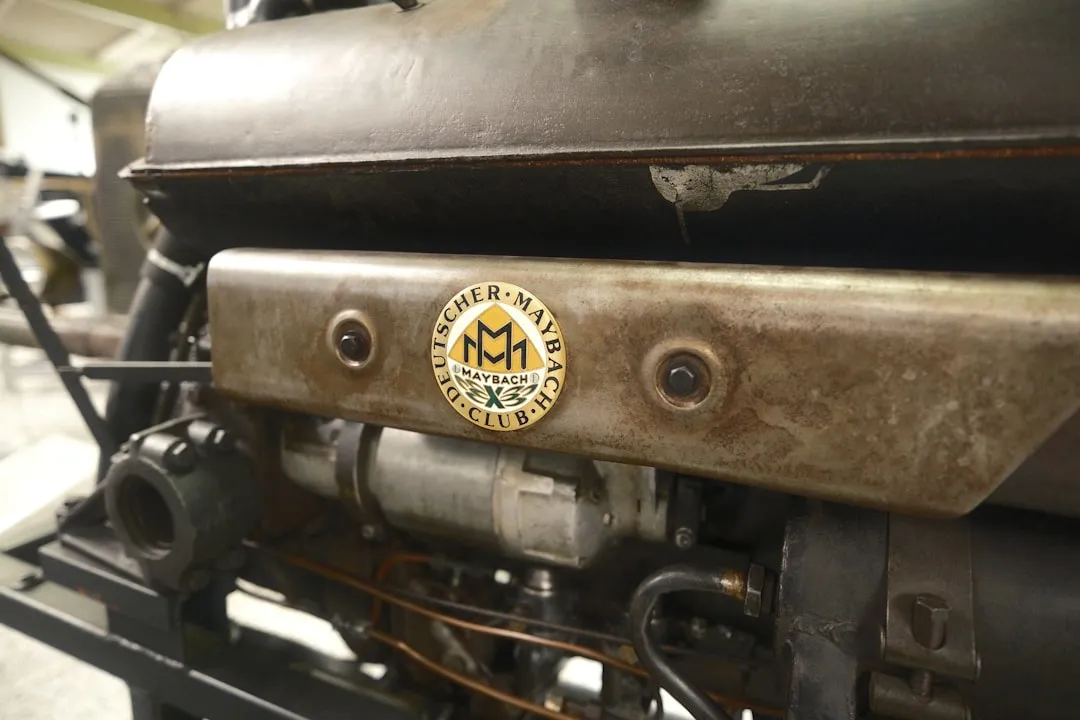
Build a Custom Range Hood with Brass Gallery Rail
Difficulty: Expert
Time: 2-3 days (with drying time)
Cost: ~$125-175
Why You'll Like This
Transform your basic range hood into a stunning kitchen centerpiece that rivals expensive custom installations. This project combines functional ventilation with elegant storage space and a gorgeous brass tipping rail that prevents items from sliding off while adding that coveted European kitchen charm. You're creating something that removes heat, moisture and cooking odors while creating an attractive focal point above your stove—form meeting function in the best possible way. Professional-grade custom hoods typically take about 4–10 weeks for delivery, making this DIY approach both faster and more economical while delivering results you'd normally wait months for.
What You'll Need
Materials
1×4 pine lumber (8-10 linear feet, depending on hood size)
3/4-inch plywood (2×2 feet minimum)
Range hood unit with controls positioned on the bottom surface
Two 12-inch brass rods, one center post, and two end posts (for 27-inch shelf)
Wood glue
2.5-inch wood screws
1.25-inch wood screws
Wood filler
Primer and paint to match cabinets
Paintable caulk
Tools
Circular saw or miter saw
Drill/driver with bits
Level (2-foot minimum)
Measuring tape
Stud finder
Orbital sander
120-grit and 220-grit sandpaper
Non-contact voltage tester
Safety First
Power OFF at breaker; verify with a non-contact tester before any electrical work
Wear safety glasses when cutting and drilling
Use dust mask when sanding
Ensure proper ventilation when priming and painting
Check local building codes—custom range hoods may not be code compliant unless approved by local building officials
Maintain 30 inches between the cooking surface and hood minimum clearance
Steps
Remove existing cabinet components. Take off the cabinet doors and remove the bottom of the cabinet to create your workspace. This lets you see exactly what you're working with.
Measure and plan your frame dimensions. Measure the width of your cabinets in the front and back, then decide how far you want the hood to project out. Cut support beams to match your cabinet width and desired projection length.
Build the box frame. Attach the supports together, creating a box frame using wood glue and 2.5-inch screws. Float in the two side supports, level them carefully, and attach to adjacent cabinets using screws into studs.
Create the mounting surface. Cut 3/4-inch plywood to the overall width and length of the finished box frame. Set the vent on top of the plywood and draw an outline before cutting the opening—this guarantees a perfect fit.
Install the ventilation unit. Attach the plywood to the bottom of the box frame, then secure the whole assembly to your cabinet structure. Attach the vent to the supports and complete electrical connections (power OFF at breaker).
Add decorative face fronts. Add a front face to the bottom support, roughly 1/2 inch longer than the support, with mitered ends. Cut matching side face fronts and attach a thinner face front to the cabinet frame top.
Install side panels. Measure the open area from outside edge to outside edge and cut plywood panels to close the sides. Use a cardboard template to determine angles for a professional tapered look.
Prepare the brass gallery rail system. For a 27-inch shelf, you'll need two 12-inch rods, one center post, and two end posts, creating a finished rail length of approximately 25 inches. The basis involves using lamp parts, specifically unlacquered brass components designed for lighting fixtures.
Tip: Account for threaded rod lengths and flange widths, allowing some adjustment room in your calculations.
Install the brass tipping rail. Mark your rail placement on the shelf front edge. Posts often come with dual attachment options: wood screws for pilot holes or machine-threaded screws with backing plates. Drill pilot holes and attach end posts first, then center post, and finally slide rods into position.
Complete finishing work. Sand the entire range hood with 120-grit, then 220-grit sandpaper. Caulk seams, fill nail holes, and apply primer followed by paint to match your cabinets—colors like Edgecomb Grey by Benjamin Moore integrate beautifully with painted kitchen cabinets.
Why it works: Gallery rails are thin metal rods that prevent plates and dishes from sliding forward while adding significant visual appeal. Unlacquered brass develops natural patina over time and never goes out of style.
Cleanup & Disposal
Clean brass components with dry cloth only—avoid chemical cleaners that affect patina development
Store leftover paint properly labeled for touch-ups
Dispose of sanding dust and wood scraps according to local regulations
Clean tools immediately after use, especially sanders and brushes
Troubleshooting
Problem: Hood doesn't sit level → Fix: Adjust mounting screws and check cabinet structure with level
Problem: Brass rail posts won't align → Fix: Mark all holes before drilling; use adjustable posts if available
Problem: Paint finish looks uneven → Fix: Sand lightly with 220-grit and apply thin second coat
Problem: Rail rods don't slide smoothly → Fix: Check post alignment and ensure rods aren't bent during installation
Variations & Upgrades
Budget option: Use basic construction without brass rail for under $50 total cost
Alternative rail system: Create your own using hollow brass tubes with pipe mount brackets and S-hooks for significant cost savings
Renter-friendly approach: Focus on removable elements and avoid permanent modifications
Enhanced style: Add crown molding or decorative brackets for more elaborate European styling
FAQ
Can I use a different rail material instead of brass? Yes, but unlacquered brass offers the most authentic look and develops beautiful patina. Stainless steel or powder-coated options won't have the same aging characteristics.
Will this work with any range hood? You need a range hood with controls positioned on the bottom surface to maintain access to functions. Top-control units won't work for this modification.
How much weight can the shelf hold? With proper construction and mounting to studs, expect 15-20 pounds capacity. The brass rail is decorative—don't rely on it for structural support.
Your custom range hood with brass tipping rail creates a stunning focal point that bridges function and style in your kitchen. This project demonstrates how DIY solutions can deliver results that rival expensive custom installations while adding decorative molding that elevates the entire kitchen's appearance. Consider extending this design language to other areas with matching brass hardware or additional gallery rails on open shelving. With proper planning and attention to safety requirements, you've created a centerpiece that will serve your kitchen beautifully for years to come.


Comments
Be the first, drop a comment!