



Reviewed by: Y. Garcia
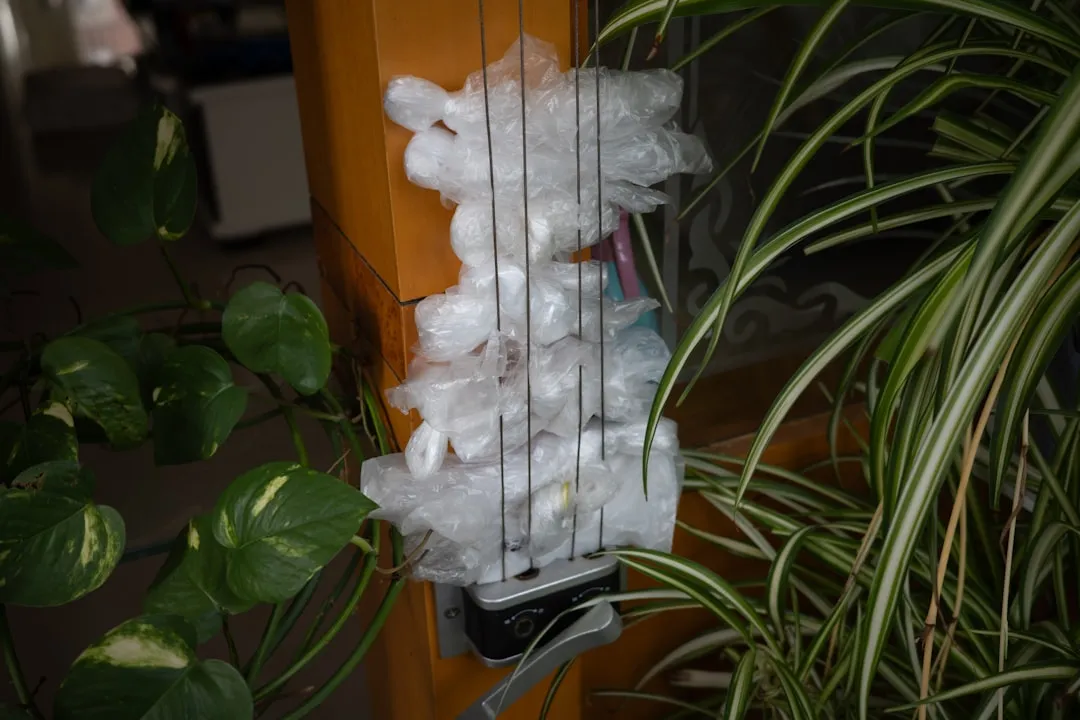
If you're like most people, you've got a chaotic collection of plastic bags stuffed in a drawer or cabinet somewhere, creating that familiar "bag avalanche" every time you open it. While we work toward reducing plastic bag use, the ones we already have deserve better than chaotic cabinet takeovers. The good news? There's a brilliant storage solution hiding in your recycling bin that transforms this organizational nightmare into a sleek, functional system.
Difficulty: Novice
Time: 15 minutes
Cost: Free (using household containers)
Yield: One organized bag dispenser that holds 20-50 bags
Why You'll Like This
Instead of wrestling with an unruly pile of bags every time you need one, you'll create a neat dispensing system using containers you already have. This method eliminates the chaos of bags spilling everywhere while giving you controlled, one-at-a-time access. Plus, it frees up valuable storage space and makes reusing bags actually convenient — no more avoiding the "bag cabinet" because you know it's a mess.
What You'll Need
Materials
Collection of plastic grocery bags
Empty container with lid (coffee can, oatmeal container, large yogurt tub, or tissue box)
Alternative: Empty baby wipes container or tissue box (already has dispensing opening)
Tools
Sharp knife or scissors (for creating dispensing hole)
Ruler or measuring tape (optional, for precise opening)
Safety First
Ensure your chosen container is completely clean and dry before use to prevent mold and odors
Use caution when cutting openings in container lids
Keep bags away from small children to prevent suffocation hazards
Why your current storage creates more problems
Here's what happens when you stuff bags into whatever space you can find: wide openings create spillage because bags lack structure — they compress and expand unpredictably, making controlled access impossible. You end up pulling out five bags when you only need one, then struggling to stuff the extras back in.
Most people choose convenience over organization initially, but poor systems create more work long-term. The solution isn't just containing the bags — it's creating a dispensing mechanism that prevents the spillage cascade while keeping everything accessible.
Steps
Choose your dispenser container. Baby wipes containers and tissue boxes work perfectly since they already have built-in openings for dispensing bags. For other containers like coffee cans or oatmeal containers, carefully cut an X-shape into the lid about 1-2 inches wide.
Tip: Start with a small X and expand if needed — you can always make it bigger, but you can't make it smaller.
Prepare your bags using the connection method. Start by smoothing one bag flat and folding it in half vertically. Place a second bag on top, overlapping the handles slightly.
Why this works: This overlapping technique creates a chain reaction — pulling one bag automatically positions the next handle at the opening, eliminating digging and searching.
Begin rolling to create the connection chain. Roll tightly from the top of the first bag until you almost reach the bottom of the second bag. The key is stopping before you roll past the second bag's handles — this maintains the connection point.
Experience note: After testing various rolling tensions, I've found that firm rolling prevents bags from separating while loose rolling makes dispensing smoother.
Continue building the chain. Add a third bag and continue rolling, maintaining the same technique of stopping before you pass each new bag's handle area.
If the roll gets too bulky: Stop and place what you have in the container, then start a second roll. Most containers handle 15-20 bags per roll optimally.
Load your dispenser for perfect access. Place the entire roll into your container and pull the first bag's handle through the opening.
Tip: Position the handle so it's easily grabbable but not so far out that the bag falls back into the container — about 2 inches of exposure works perfectly.
Cleanup & Disposal
Store your new dispenser in a convenient location like under the kitchen sink or in a pantry. When you accumulate more bags than your system can handle, many grocery stores have recycling drop-off bins near customer service for proper disposal. These materials can damage recycling machinery if mixed with regular recyclables, making store drop-offs essential for responsible disposal.
Smart placement for maximum usage
Location psychology plays a huge role in whether you'll maintain this system or revert to old habits. Installing wire baskets inside cabinet doors keeps dispensers accessible but hidden, while eye-level pantry storage increases usage significantly compared to floor-level placement.
Many commercial dispensers feature generous top openings for easy loading and smaller bottom slits for controlled dispensing. If you want to upgrade from your DIY version, consider divided trash bag dispensers where you can store kitchen bags on one side and plastic bags on the other using the same rolling method.
Troubleshooting
Problem: Bags getting stuck in the opening → Fix: Enlarge the X-cut slightly or ensure bags aren't overly wrinkled when rolling
Problem: Multiple bags coming out at once → Fix: Make sure bags are rolled tightly and the opening isn't too large; check that your overlap technique creates proper connections
Problem: Last few bags falling back into container → Fix: Don't overfill the container; leave some space at the top for easy access and maintain proper handle positioning
Variations & Upgrades
Budget option: Use empty tissue boxes — they're free and already have the perfect opening size
Wall-mounted version: Install a sleek stainless steel dispenser in your pantry for a more permanent, professional look
Dual-purpose setup: Use divided trash bag dispensers to store both kitchen trash bags and plastic grocery bags in the same unit, maximizing organizational efficiency
Beyond storage: maximizing your organized collection
With bags now organized and accessible, you'll actually use them for practical applications instead of letting them pile up unused. Plastic bags work perfectly as liners for small trash cans in bathrooms and offices, eliminating the need for specialized small trash bags.
They provide excellent shape retention when stuffed into purses, shoes, and boots during storage. For moving and shipping projects, wrap fragile items in bags when you don't have bubble wrap available — the easy access from your dispenser makes this practical rather than frustrating.
Paint projects become more manageable when you can quickly grab bags to wrap brushes between sessions and line paint trays for easy cleanup.
Making your system sustainable long-term
The most effective organization systems include maintenance habits that prevent backsliding. Refill your dispenser when you can see the bottom of the container — waiting until empty breaks the dispensing chain and forces you to rebuild the entire system.
When your dispenser overflows, resist the urge to cram more bags in, as this breaks the controlled access mechanism. Instead, use excess bags for immediate household projects or take them to store recycling drop-offs.
Resources like Earth911 and Trex help locate nearby recycling locations if your local grocery store doesn't offer bag recycling. This same container-and-opening principle works for organizing other flexible materials like fabric scraps, craft ribbons, or even gift bags — once you understand the dispensing mechanism, you can apply it throughout your home.
That's it — clean, organized, and accessible. You've transformed a storage nightmare into a functional system that makes reusing bags genuinely convenient. Your future self (and your cabinets) will thank you every time you grab exactly one bag without triggering an avalanche.










Comments
Be the first, drop a comment!