



Reviewed by: Y. Garcia
Difficulty: Moderate
Time: 1-2 days (depending on room size)
Cost: $30-80 for average bedroom
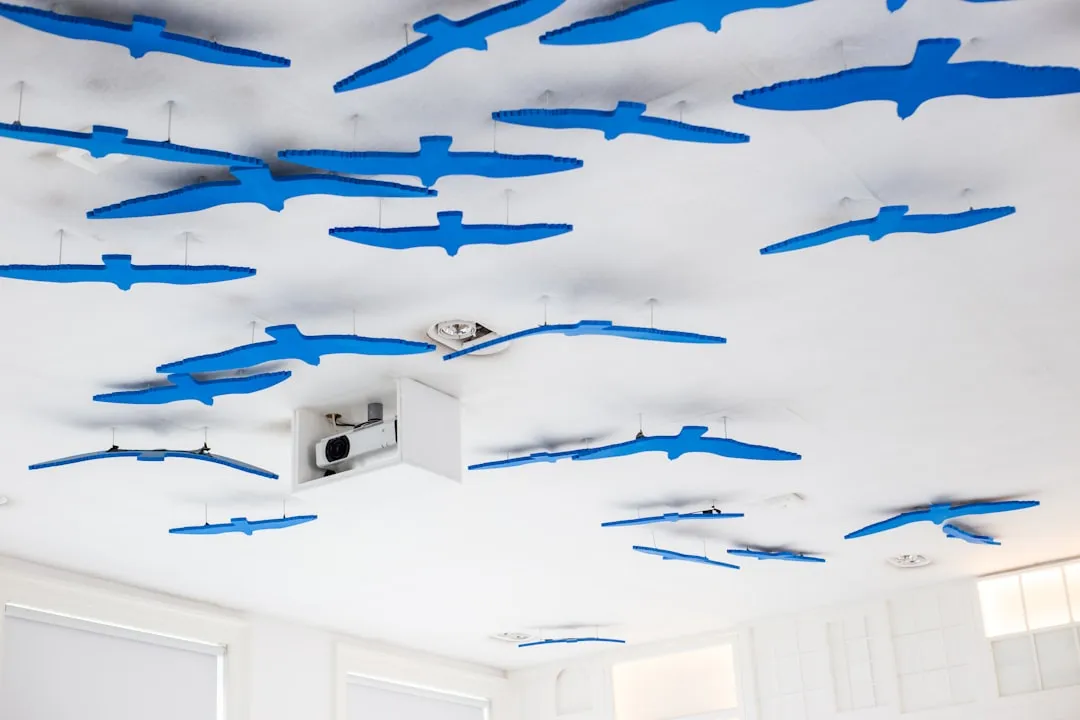
Looking up for inspiration might just be the smartest move you'll make this year. Most homeowners focus on wall colors, furniture placement, or decorative touches when refreshing their space, but there's one unexpected area that delivers maximum impact with minimal effort — your ceiling. Designers are embracing a powerful technique called color capping, which uses the ceiling (and often the upper wall) in a deeper tonal shade to 'cap' the space. This approach creates drama and makes rooms feel larger by extending bold colors from walls onto ceilings.
What makes this particularly timely is that current 2026 trends favor warm, nature-inspired tones that help homes feel calm and lived-in. Instead of chasing fleeting design fads, ceiling color offers a lasting transformation that works with your existing style while creating that designer sophistication we all crave. I recently helped a client in a cramped downtown apartment add deep navy to just the ceiling — the result was stunning. What had been a forgettable bedroom became a cozy retreat that felt twice as spacious.
Why the ceiling is your secret weapon for instant impact
Here's something most people never consider — when you walk into a room, your eye naturally scans the entire space, including what's above. Yet the ceiling remains the most neglected surface in home design. Color capping utilizes the ceiling as part of the room's overall color story, but more than that, it creates visual continuity that makes spaces feel intentionally curated rather than thrown together.
Unlike accent walls that can sometimes feel forced or disconnected, ceiling color creates what I like to call "sophisticated surprise." Designers love this approach for its ability to make rooms feel larger by "capping" the space. The technique works because our brains process the color flow as creating a cocooning effect — intimate yet expansive at the same time. Think of it as architectural jewelry that defines your space from above.
There's actual psychology behind th,is too. Fresh paint affects mood, light, and the sense of space, and ceiling color amplifies that impact by engaging our peripheral vision. When done thoughtfully, it can make a cramped bedroom feel spacious or a cavernous living room feel cozy and welcoming. One client described the transformation as "like having a completely new room without changing a single piece of furniture."
Safety tip: Always use a sturdy ladder with someone spotting you, and consider scaffolding for large rooms. Neck strain is real when working overhead, so take frequent breaks.
Choosing your ceiling color like a pro
The secret to successful ceiling color isn't just picking something you like — it's understanding how different shades interact with your existing space, natural light, and daily rhythms. For those ready to make a statement, deep purple, inspired by eggplant, adds drama and luxury while still feeling cozy. This works beautifully in dining rooms where you want that intimate dinner party vibe, or bedrooms where you're creating a restful retreat that feels like a boutique hotel.
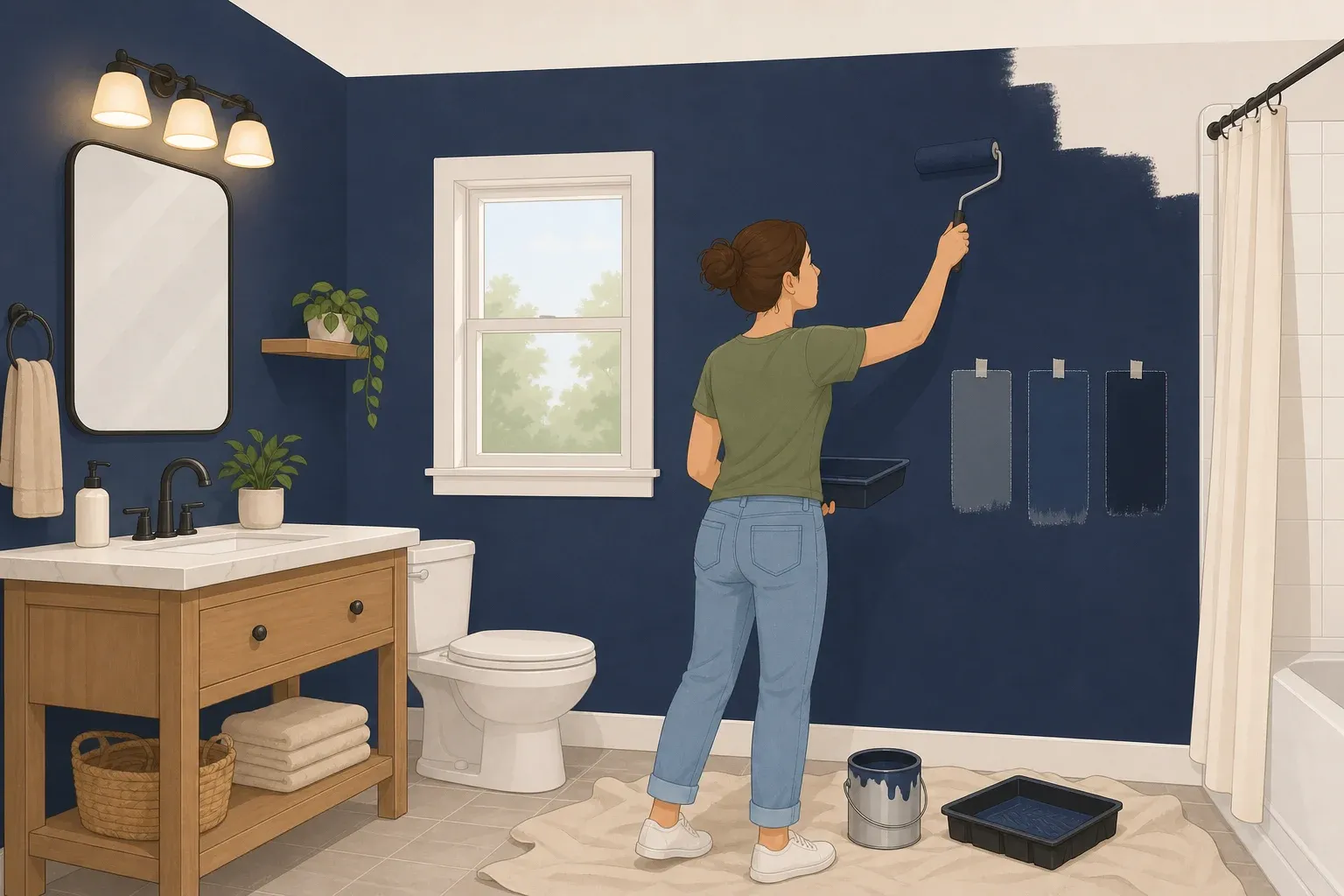
If purple feels too bold, consider the versatility of blues. Dark inky blues like deep indigos and rich navy tones are predicted to be big this year. Navy ceilings work particularly well in home offices (they help with focus and make video calls look more professional) or living rooms where you want sophistication without overwhelming conversations.
When planning your color scheme, remember this crucial design principle: the light color should appear at the bottom near the floor, while the darker shade goes on top and the ceiling. This creates natural visual flow that feels grounded rather than upside-down — mimicking how we see color gradients in nature. Most importantly, color capping can be done in any color, but stick to one color family per room for the most cohesive results that won't feel busy or chaotic.
Tip: Test your chosen color in different lighting throughout the day. Morning light, afternoon sun, and evening artificial light can dramatically change how colors appear. What looks perfect at noon might feel completely different at dinnertime — I always recommend living with sample patches for at least 48 hours.
The step-by-step ceiling transformation process
What You'll Need
Materials
1 gallon ceiling paint (matte or eggshell finish)
Primer (if changing from white to dark color)
2-inch painter's tape
Canvas drop cloths
Paint tray liner
Tools
Extension pole for roller (saves your neck and reduces fatigue)
9-inch roller with ½-inch nap sleeve
2-inch angled brush for cutting in
Paint tray
Sturdy step ladder
Safety First
Use sturdy ladder with spotter present — never work alone overhead
Wear safety glasses to prevent paint drips in eyes
Ensure adequate ventilation, especially with darker colors that require more coats
Take breaks every 30 minutes to prevent neck strain and maintain steady hands
Keep a damp cloth handy for immediate drip cleanup
Steps
Prep the space completely. Remove all furniture or cover thoroughly with drop cloths. Clean the ceiling with a damp cloth to remove dust, cobwebs, and any loose paint chips that could create texture problems.
Tip: Use a long-handled duster to reach corners safely before you even set up your ladder — this prevents debris from falling into wet paint.
Tape off edges with precision. Apply painter's tape along the wall-ceiling junction, pressing edges down firmly to prevent bleeding. This step makes or breaks your final result, so take your time here.
If working with crown molding: Extend the darker ceiling shade down onto ornate crown molding for traditional spaces, or keep it ceiling-only for modern looks that maintain clean architectural lines.
Prime if going dark. When transitioning from light to dark colors, apply primer first and let dry completely (2-4 hours minimum). Don't skip this step — your final color will look muddy and require extra coats without a proper primer base.
Cut in edges first. Use your angled brush to paint a 3-inch border around the entire ceiling perimeter. Work in sections to maintain a wet edge and avoid visible brush marks.
Why this works: Cutting in first ensures clean lines and makes the rolling process much smoother and faster, reducing the time you spend on the ladder.
Roll in manageable sections. Work in 4x4-foot sections, maintaining a wet edge to avoid lap marks. Use the extension pole to minimize ladder time and reduce fatigue while maintaining better control.
If paint starts dripping: You're loading too much paint on the roller. Less is more when working overhead—multiple thin coats look better than one thick, drippy application.
Apply second coat if needed. Dark colors typically require two coats for even coverage. Wait 2-4 hours between coats and inspect in different lighting before declaring the job finished.
Making it work with your existing style
The beauty of ceiling color lies in its adaptability across different design aesthetics without requiring you to overhaul your existing decor. In modern spaces, leaving color only on the ceiling may be the best choice, creating clean lines that complement minimalist furniture and simple color palettes. This approach feels fresh and intentional without competing with sleek furnishings or disrupting carefully curated simplicity.
For traditional homes with existing architectural details, extending color down onto decorative molding creates rich, sophisticated layers that enhance rather than hide beautiful craftsmanship. Think of it as highlighting the room's architectural bones in the most flattering way possible — like makeup that brings out your best features rather than masking them.
Consider how your ceiling color creates flow throughout your home. Wrapping accent color around corners or across ceiling walls adds drama and follows current 2025 trends while creating intentional sight lines. This technique works especially well in open-plan spaces where painting connecting walls creates visual flow between the kitchen, dining, and living areas without requiring major architectural changes.
For those in rental situations, remember that compared to renovations, painting delivers a massive impact at a far more affordable cost while remaining completely reversible. Most landlords appreciate tasteful improvements that increase property value, and ceiling color rarely crosses into "too personal" territory the way bold wall colors might.
Note: Always check your lease agreement before painting, and consider keeping leftover paint for touch-ups when you eventually move out.
Troubleshooting and variations
Problem: Paint dripping while working overhead → Fix: Use less paint on roller and work in smaller sections. Better to do more coats than deal with cleanup and texture issues from drips.
Problem: Uneven coverage showing through → Fix: Apply second coat after first is completely dry. Dark colors especially need even coverage for professional results that won't show patchy areas in different lighting.
Problem: Tape pulled off fresh paint → Fix: Remove tape while paint is still slightly tacky, not fully dry. Pull at a 45-degree angle for the cleanest lines and minimal paint peeling.
Upgrade Options
Subtle approach: Use the same color as walls but in different finish — matte ceiling with eggshell walls creates depth without drama while maintaining color continuity
Bold statement: Try soft sky blues in bedrooms or pale pinks in nurseries for personality without overwhelming small spaces or disrupting rest
Texture addition: Consider limewash finish on ceiling for organic, European-inspired texture that changes beautifully throughout the day as light shifts
Room-Specific Applications
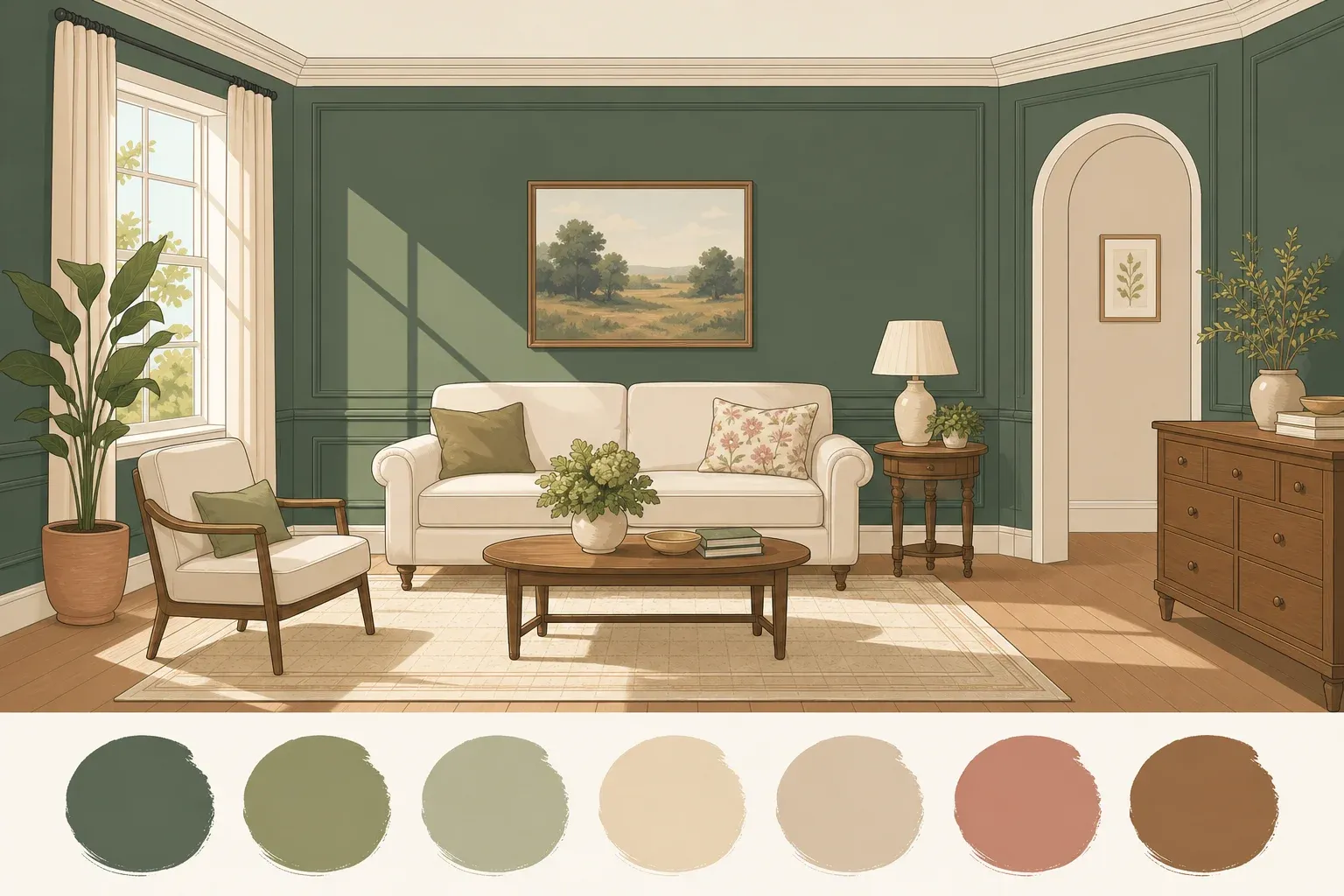
Different rooms call for different approaches to ceiling color based on their function and how you use them throughout the day. Living rooms benefit from warm greys or earthy greens that create welcoming spaces for gathering and relaxation. These colors work with both natural and artificial lighting to maintain comfort while adding visual interest that doesn't compete with conversations or entertainment.
For rest spaces, bedrooms work beautifully with soft blues or calming lavenders that promote better sleep by creating a sense of tranquility. These cooler tones help signal to your brain that it's time to wind down, especially when paired with warm white lighting and blackout capabilities for optimal rest conditions.
Work areas deserve special consideration for both aesthetics and functionality. Home offices benefit from deep navy or forest green that help with focus and productivity while looking professional during video calls. These colors feel sophisticated while adding personality that makes working from home more enjoyable and less sterile than stark white environments.
Your fresh start begins above
Ceiling color represents one of the most underutilized tools in home design, offering dramatic transformation with relatively simple execution and materials most people already understand. Color capping is done thoughtfully and with intention, significantly impacting how rooms look and feel in ways that surprise even experienced decorators. Whether you choose warm, nature-inspired tones that create effortless comfort or bold statements that reflect your unique personality, this technique delivers professional results within weekend timeframes.
What makes this approach so appealing is its flexibility and forgiving nature. You can start conservatively with a subtle color shift that barely registers consciously but dramatically improves how a room feels, or dive in with a dramatic transformation that completely changes your room's personality and makes it feel custom-designed. Interior painting remains one of the simplest yet most powerful ways to transform your space, and ceiling color takes that impact to heights most people never consider exploring.
Ready to look up and transform down? Start with one room, test your chosen color thoroughly in different lighting conditions, and prepare to be amazed at how this unexpected approach can completely refresh your home for the new year. Sometimes the biggest changes come from the most overlooked places — and your ceiling might just be the most important wall you'll ever paint.









Comments
Be the first, drop a comment!