



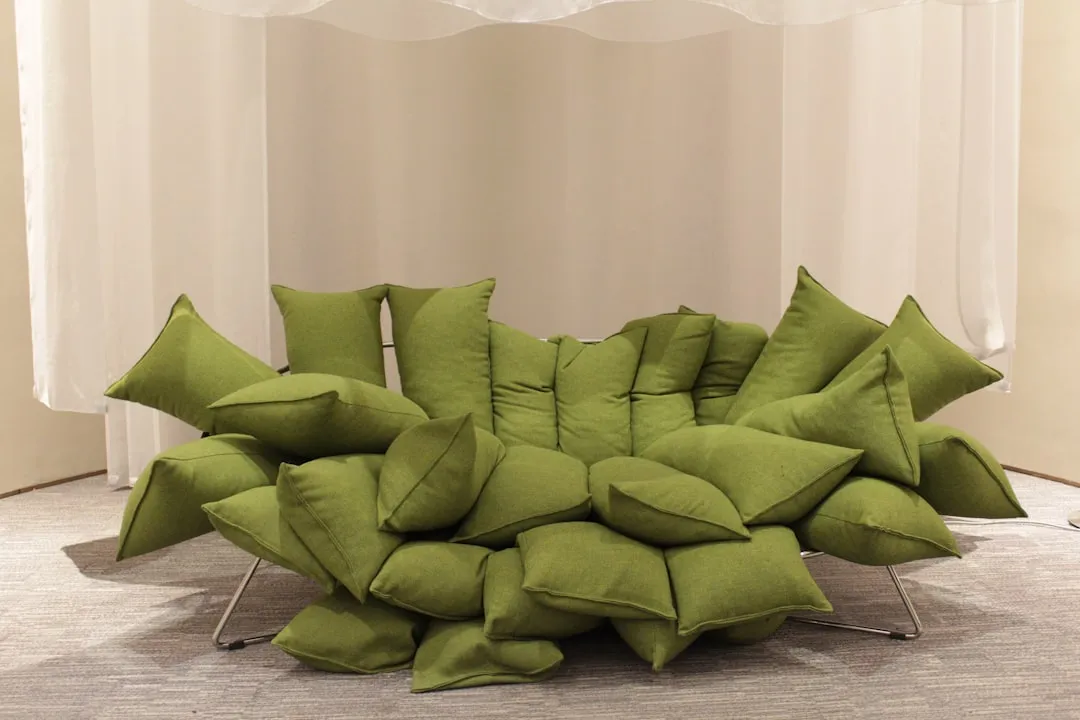
Scroll any home decor feed and the same sofa keeps appearing: low-slung, cream-colored, deeply cushioned, curved at the edges. It shows up in apartment tours, renovation reveals, and influencer living rooms with such regularity that it has stopped functioning as a design choice and started functioning as a default. This is the cloud sofa, and it is the most overrated sofa design on the market right now, not because it's ugly, but because it was built for the feed, not the room.
That's a specific claim, and it's worth making plainly. Two designers, working independently at separate studios, named the same sofa archetype when asked by Good Housekeeping this week to identify the most overrated piece of furniture. Unprompted agreement between professionals who don't share clients is worth noting, even if one article isn't a formal survey. Designer Lesley Myrick put the problem directly: buyers are spending serious money on a piece that photographs better than it functions, which is the opposite of what a sofa should do.
That inversion is what the rest of this article unpacks.
How the overrated cloud sofa fails once it's actually in your home
The practical failure starts with ergonomics. Myrick describes the type precisely: low-slung, marshmallowy, no defined arms, looks gorgeous in every Instagram shot. What she means is that the seat is typically too deep to sit upright comfortably without propping yourself on additional pillows. Once you add them, the sofa stops looking like it did in the product photo. Remove them, and you're basically committed to reclining fine for watching television, but limited in practice for conversation or laptop time.
Space efficiency is the next problem. Myrick notes that the curved cream sofa trend produces pieces that take up a lot of room while not actually providing much seating. That trade-off is invisible in a wide-angle product shot and becomes obvious the first week the sofa is in your living room.
Then there's the upholstery. The white and cream fabrics standard to this look show dirt fast, and no sealant spray changes that fundamental reality. Designer Emily Shaw told Martha Stewart last fall that a white sofa will always look dirty and will always provide stress, particularly if made from a material that flattens and loses shape over time. The relaxed, lived-in aesthetic these sofas supposedly sell is undermined by the maintenance routine required to keep them presentable.
Logistics compounds the problem. Designer Dusti Jones, owner and principal at Dusti J Design, points out that the sheer scale of a low-slung modular sofa creates real delivery obstacles: doorways, condo stairwells, and older building elevators. These are problems that never appear in the feed that inspired the purchase, and they're not minor inconveniences. Some buyers discover them only after the sofa has already shipped.
The final failure is longevity. Because the silhouette is so specific, exaggerated curves, uniform puffiness, and no structural definition, it carries a built-in expiration date. Myrick is direct about the consequence: once the trend fades, the sofa will date the entire living room, not just itself. A piece with that much floor presence doesn't age quietly.
Why the cloud sofa became the most overrated sofa design on social media
That would be one thing if the style had emerged from comfort-first design. It didn't. Jones explains that buying a major furniture piece is genuinely overwhelming, so buyers default to whatever is highly visible and highly rated, with recognition standing in for genuine preference. Myrick identifies the same dynamic more plainly: people stop choosing things because they love them and start choosing them because they recognize them.
The style's distinctive silhouette reinforced that loop. Myrick argues that the shape's mass-market availability helped make it a recognizable, searchable form that is easy to manufacture and easy to sell. What makes a shape commercially efficient, though, is often what makes it domestically risky. A very specific look ages very specifically.
The same mechanism shows up in other categories, which confirms it's a pattern rather than a cloud-sofa-specific problem. Designer Lauren Lerner noted that the overly styled coffee table stacked with art books, a single candle, and a coordinated tray looks appealing in photos but "rarely feels authentic" in the actual room.
Designer Bilal Rehman identified the structural problem more directly: interiors built around a social media micro-aesthetic "will feel outdated as soon as the algorithm moves on," he told Martha Stewart last fall. The cloud sofa is the most expensive version of that problem, because it anchors the room.
There is a real counterargument here. For media rooms, large open-concept spaces, and households that genuinely prioritize horizontal lounging above everything else, the deep seat is a feature rather than a flaw. The criticism isn't aimed at every owner. It's aimed at the reflexive, recognition-driven purchase made without asking whether the sofa fits the room, the lifestyle, or the decade.
What to look for instead: concrete criteria, not just principles
If the cloud sofa is the case study in what goes wrong, the corrective is straightforward: buy for use, not for the frame.
Seat depth comes first. A sofa that allows most adults to sit upright with feet on the floor, without additional support, is a sofa that will actually serve the room. Myrick recommends looking for actual structure defined arms, a back with presence. Jones adds the construction specifics worth checking: sprung frames, quality foam, and down or alternative-down fill, materials that maintain shape and support over time rather than compressing after a few years of use.
Silhouette matters more than most buyers realize. Myrick's standard is simple: pick a color, texture, or silhouette you'll still want after the trend cycle moves on, and invest in something built well. A good sofa, she says, should outlast at least two living rooms. That framing reframes the purchase entirely — this isn't a three-year commitment, it's closer to ten.
On fabric, designer Elizabeth Vergara was pointed when The Spruce covered designer sofa trends to avoid: bouclé is hard to maintain, easy to ruin, and doesn't hold up with extended use. She envisions linen as a replacement — more sustainable, easier to clean, and with an earthy warmth that doesn't depend on novelty to work.
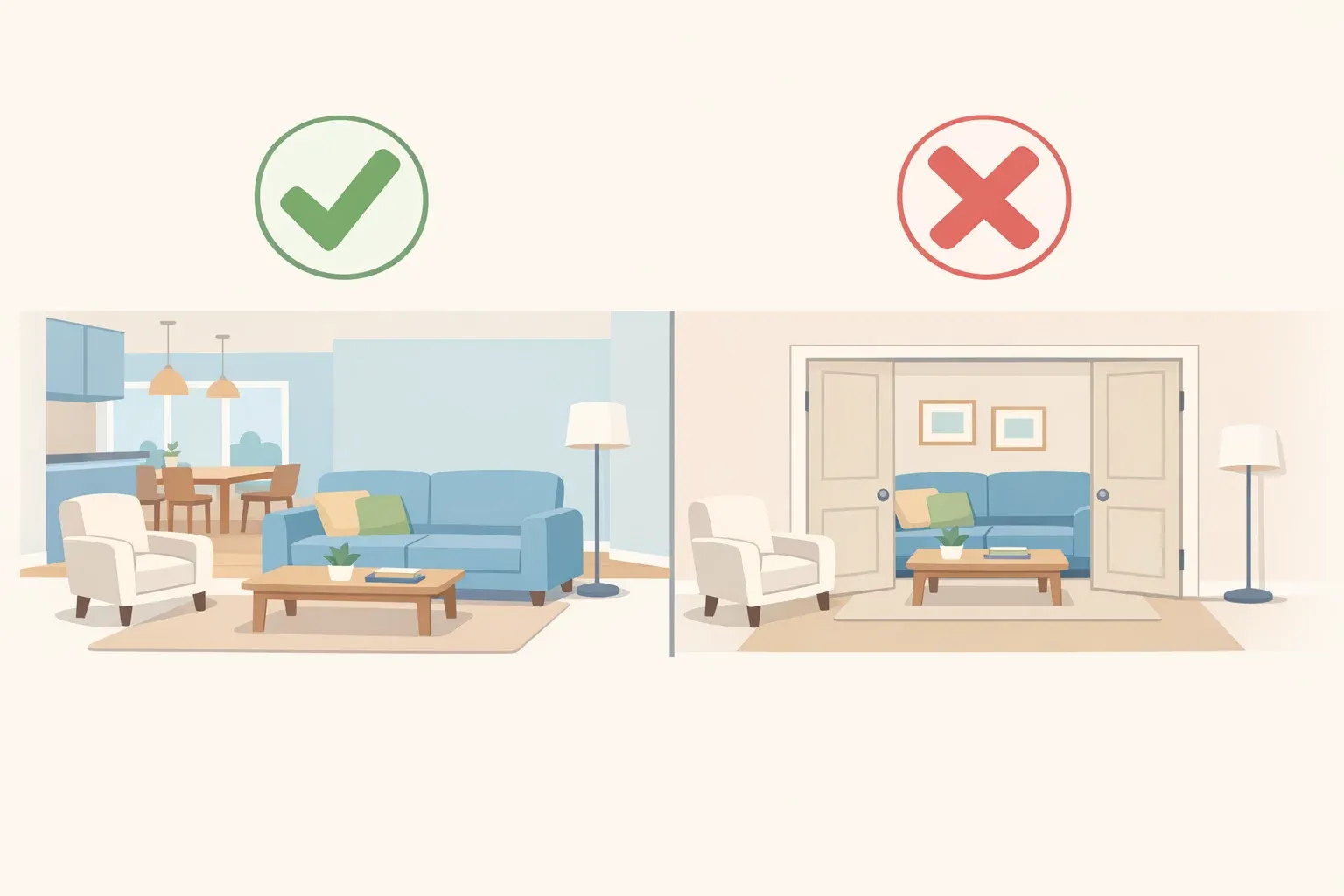
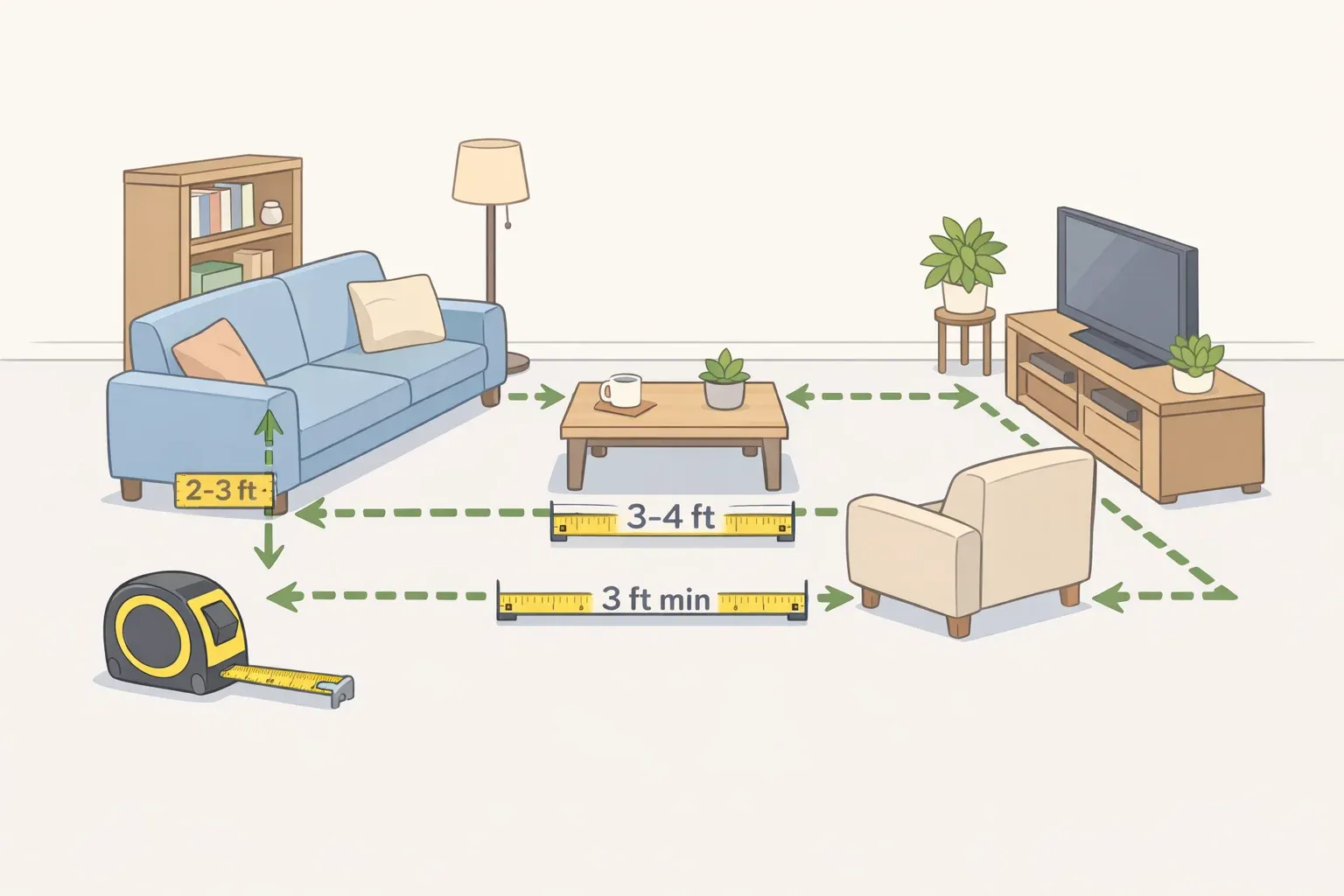
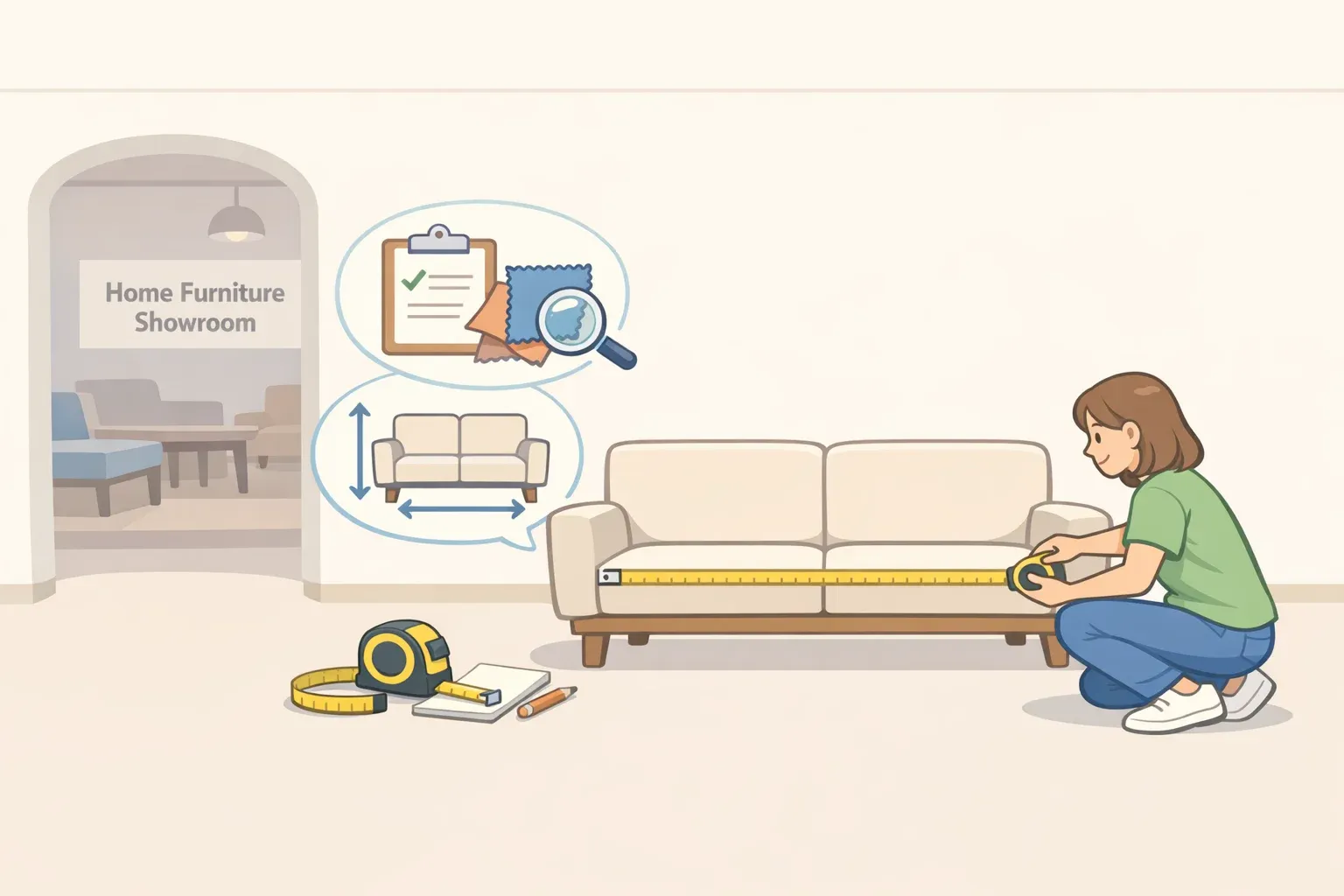
Room fit deserves its own step in the process. Measure doorways, hallways, and elevator dimensions before ordering a modular sectional. Scale the sofa to the room's actual proportions, not to what fills the frame of a wide-angle product photo. The cloud sofa's delivery problems are predictable; the only surprise is how often buyers encounter them anyway.
The sofa question is really a buying-habits question
The cloud sofa will likely fade not because it's suddenly ugly, but because the market that made it ubiquitous is, slowly, getting more skeptical. Vergara's read on the shift is that trends are moving toward pieces that are both beautiful and functional, with materials that stand up to everyday use. That's not a return to plain furniture. It's a higher standard.
The practical implication for buyers is straightforward. Expensive furniture is where algorithm-driven taste does the most financial damage. A throw pillow bought because it was everywhere on the feed is a cheap mistake. A sofa bought for the same reason is a several-year problem that anchors the room and resists easy correction.
Myrick's advice holds: buy structure, choose a silhouette you'll still want when the trend has moved on, and build in quality from the start. A sofa that meets those criteria isn't a compromise. It's just the right sofa.








Comments
Be the first, drop a comment!