



Interior designer Jessa Myer calls the first week of August something close to sacred: mornings feel quieter, evenings finally cool enough to justify a lit candle or an open window, and yet nothing on the calendar has officially declared fall.
Working out how to transition home decor from summer to fall during this stretch means resisting the pull toward gourds and instead making small, reversible changes that shift a room's mood without committing to a season that hasn't technically started.
Myer's own shop, Heirloom, deliberately delays its full fall reveal every year. "We want to let August be August," she writes, describing a habit of shopping slow rather than rushing the seasonal reset. Designer Mimi Meacham, quoted in a 2023 BHG guide to fall decorating, makes a related case for patience, though her focus is narrower: live pumpkins specifically belong to a later stage, not an August one.
Neither designer treats this as a fixed rule for every household. This guide lives in the late summer to early fall home decor window in between, the stretch where a house can feel more settled without a single harvest symbol in sight.
What follows are 10 subtle fall decor ideas without pumpkins, organized room by room: what to remove, what to add, where it goes, and why it works. The guiding idea, borrowed loosely from Myer's approach, is to favor pieces worth keeping around past a single season rather than single-purpose fall decor, and to keep the palette earthy and restrained instead of reaching for orange and black.
Living room: Early fall decorating ideas for texture and light (tips 1-3)
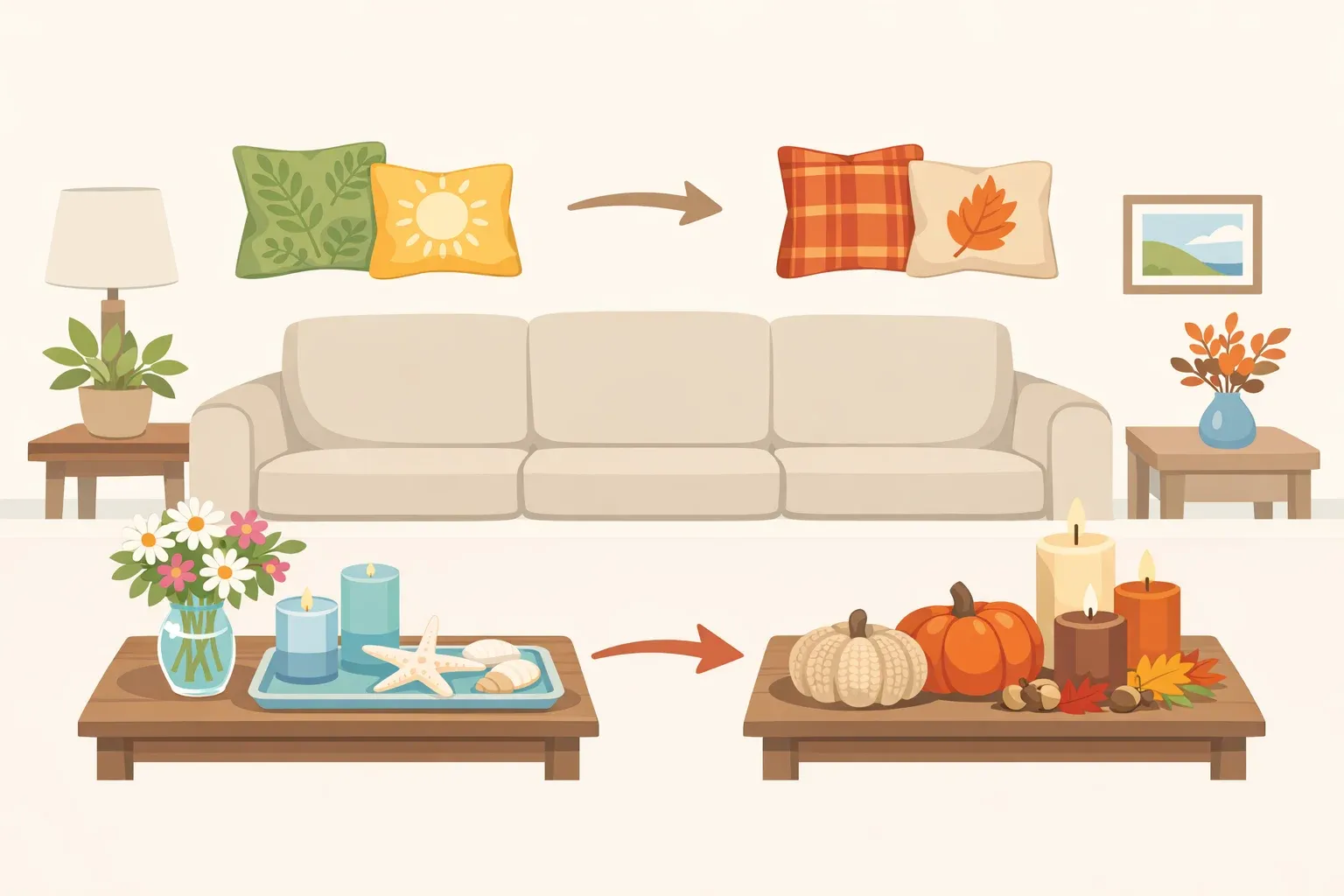
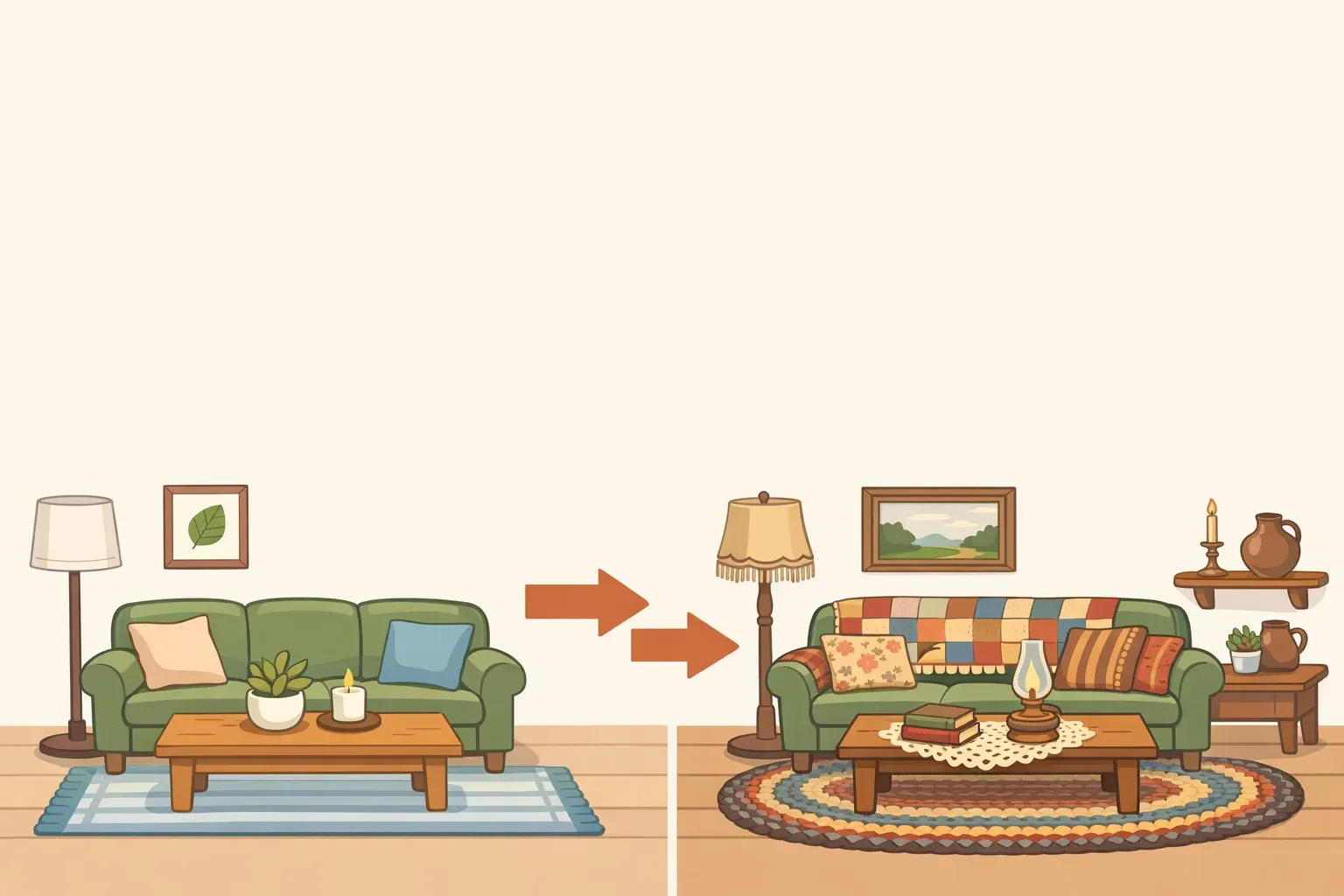
1. Swap throw pillow covers for warmer, muted tones. Pull the bright florals or crisp whites off the sofa and swap in covers in subdued red, rust, or gold, the palette designer McKay recommends for the early stretch of fall. Put them on the sofa and any accent chairs where they'll get seen daily. There's a no-cost version of this move too: rotate covers already sitting in a guest room or closet instead of buying new ones.
2. Add one heavier knit throw. McKay also points to heavier neutral knit blankets, cushions, and ethically sourced sheepskins as an easy way to build a cozier feel as summer fades. Fold one in a chunky oatmeal or charcoal knit over the arm of the sofa or across an ottoman. This is Myer's "layer lightly" idea in practice: one textile change instead of a full room overhaul.
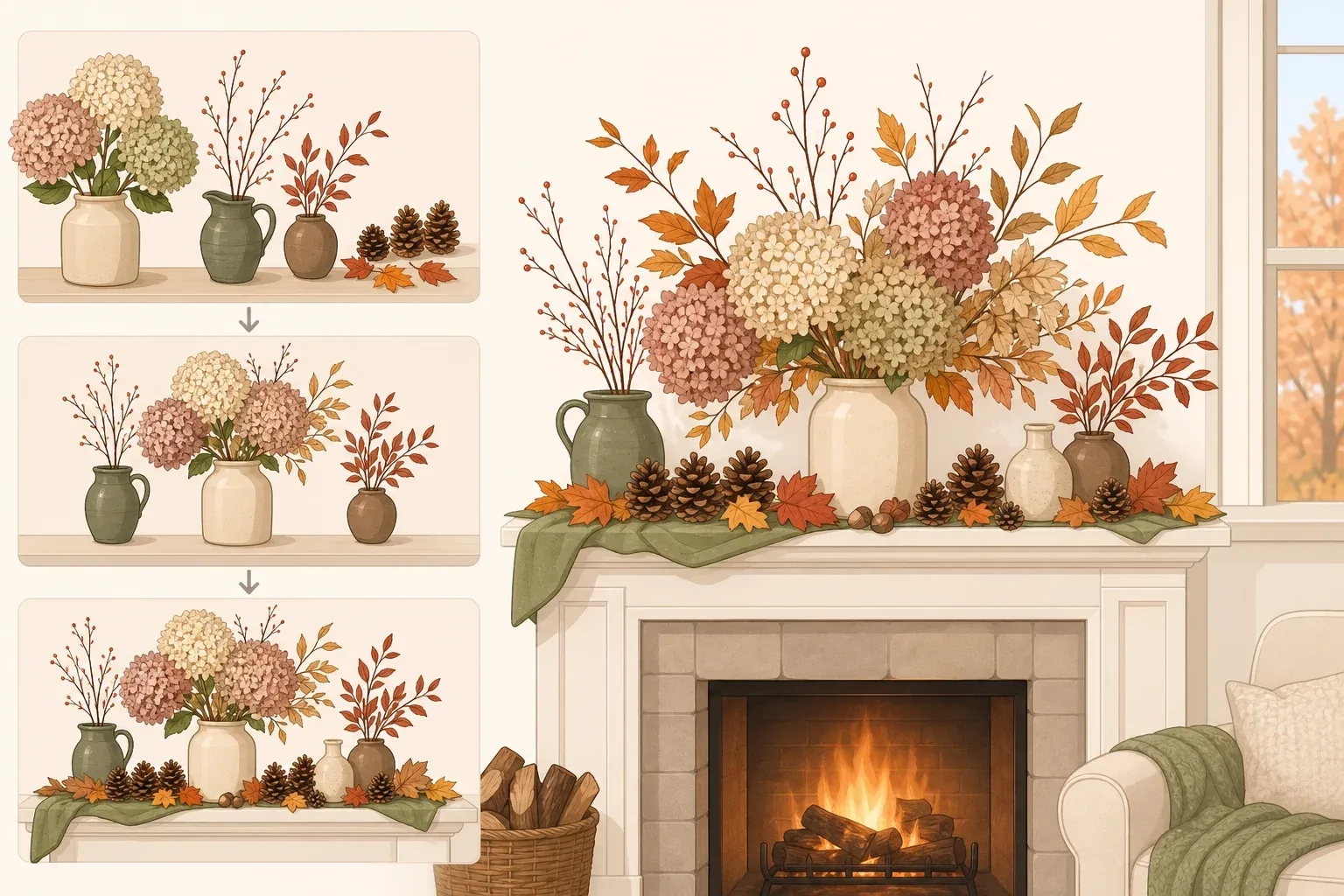
3. Light a candle at dusk. Set a candle on the coffee table or mantle and light it each evening as the light starts to fade. Myer lists this among the season's grounding rituals, alongside a designated spot for keys and a fresh stack of nightstand books. Nothing to remove or store here. It's a habit, not a purchase.
None of this introduces a new category of object into the room. It just reads warmer at a glance.
Dining table: Refresh without reaching for gourds (tips 4-5)
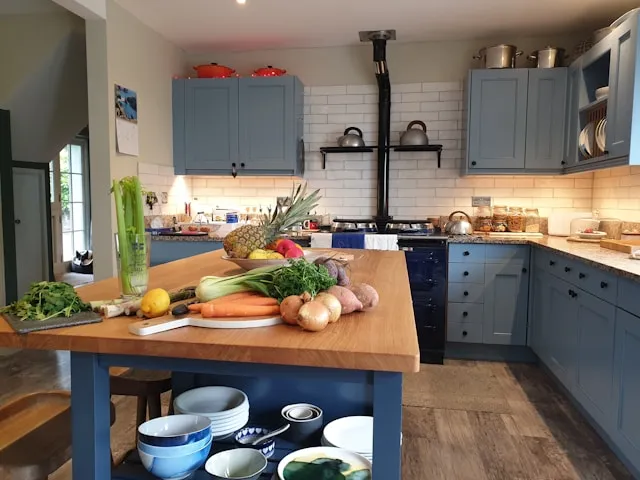
4. Replace a tropical fruit bowl with muted-tone fruit or bare branches. Clear out any mangoes, pineapple, or other summer fruit sitting in the centerpiece bowl. Designer Perez O'Boyle calls the tabletop the easiest place to start a seasonal refresh without spending much, though her own suggestion is to swap in gourds and pumpkins. Hold off on those for now; that's a later-stage move this guide is deliberately skipping. Pears, figs, or a handful of bare dried branches in the same ceramic bowl accomplish a similar visual reset without tipping into harvest territory.
5. Switch to a heavier-weight table linen in an earthy tone. McKay's broader advice is to trade summer textiles for warmer tones and cozier fabrics as the weather turns. A linen runner in olive, rust, or espresso does the job a themed centerpiece would otherwise be asked to do. Lay it under or alongside the fruit bowl so the table reads as one cohesive update instead of two disconnected swaps.
The table ends up looking intentional and current without a single fall icon anywhere on it.
Entryway and bedroom: Build in new routines (tips 6-8)
6. Set up a landing zone with a vintage bowl or basket. Clear whatever clutter has settled onto the entryway console or table. Myer specifically names a vintage bowl or a woven basket as the kind of small, functional piece that grounds a space during this transition. Put it wherever the household actually drops things on the way in the door. The point is daily use, not a display piece nobody touches.
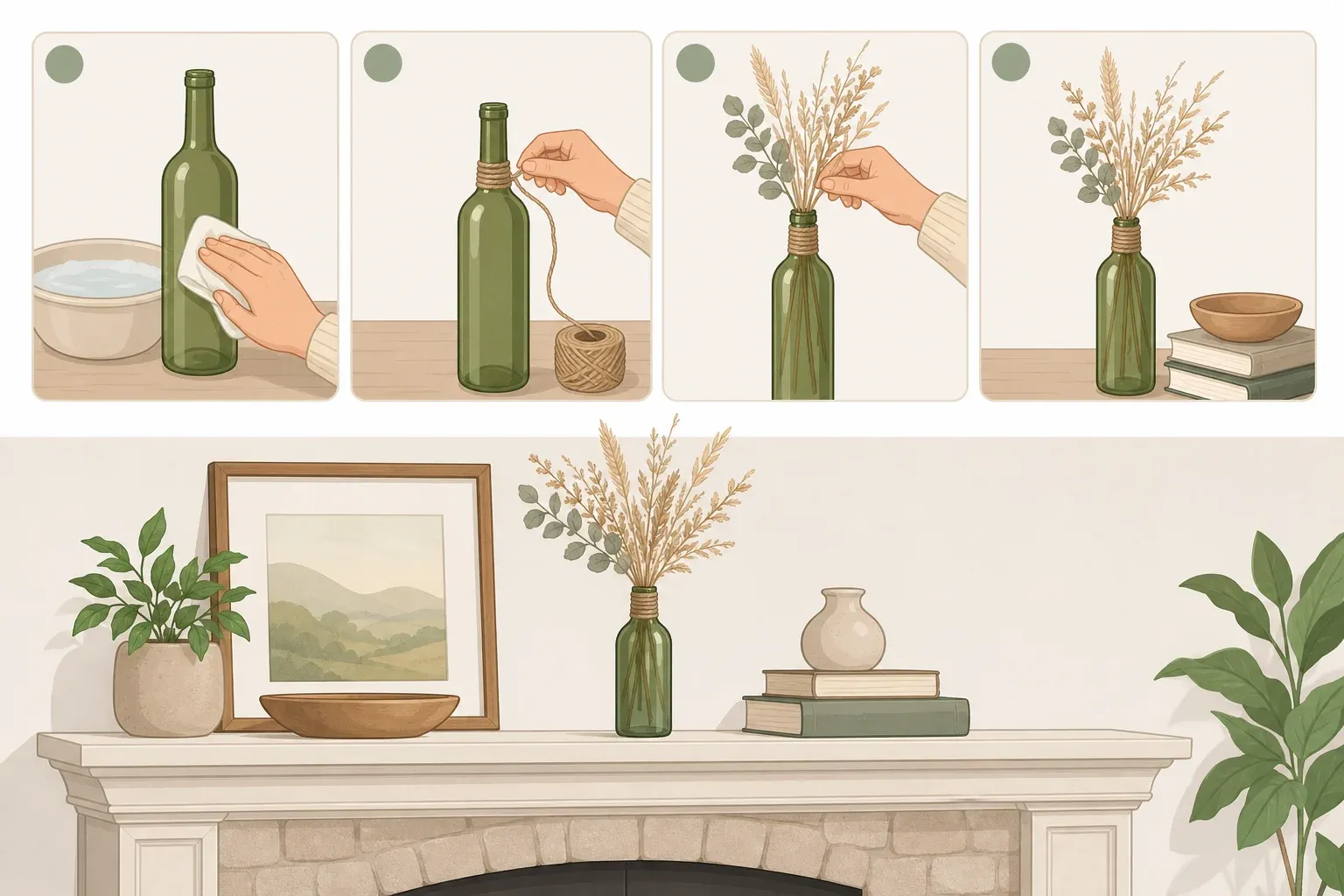
7. Add a restrained, texture-based wreath. A wreath and a pillow swap are among the first low-effort fall signals in BHG's guidance, well ahead of pumpkins or anything more overt. Choose dried wheat, eucalyptus, or plain greenery for the door instead of anything harvest-themed, so the entryway matches the rest of the house rather than jumping ahead of it.
8. Refresh the nightstand with a new stack of books. Swap out whatever's been sitting there since June for three or four books that suit slower, darker evenings. Myer lists this alongside candles and a keys-and-bags landing spot as one of the season's grounding routines. It costs nothing and touches a room that otherwise sees no visible decor change at all.
None of these three moves reads as a decor change exactly, but together they shift how the house runs day to day.
Bathroom and porch: Small zones, same rules (tips 9-10)
9. Move towels into a woven basket. Pull folded towels off the open shelf or counter and into a basket instead. McKay's woven-pieces recommendation and Myer's own mention of a "woven basket to house your towels" point at the same idea from different directions. Set it on the floor beside the tub or on the open shelf where the towels used to sit folded flat. It adds texture to a room most fall guides skip entirely.
10. Swap porch cushions and tidy the beds. Trade bright outdoor cushions for something in the same earthy family as the indoor swaps, and clear out spent annuals or vegetable plants while the weather still allows for yard work. BHG pairs an outdoor textile swap with tidying garden beds as the season turns, and suggests choosing potted or in-ground plants that hold up through fall and winter as well as summer, rather than ones that peak once and fade. This one is about matching the porch to whatever's already happening indoors, not announcing a holiday early.
Small as they are, these two updates keep the outside of the house in step with what's already changed inside it.
How to decorate for fall before pumpkins arrive
These 10 swaps work because they change texture, color, and light rather than adding literal fall symbols, which is close to what Myer means by shifting a palette "without going full pumpkin spice." Most of the pieces involved (a knit throw, a woven basket, a linen runner) are useful well past any single season, so none of it has to be undone once October actually shows up.
Pumpkins can come later, and the two designers who address the question directly in BHG's guide differ slightly on how much later. Meacham suggests waiting until October 1 for live pumpkins specifically, since they hold up better in cooler weather and otherwise risk rotting before Halloween even gets close.
Designer Henderson takes a looser view, arguing that decorating should happen on whatever schedule suits the household, and that artificial pumpkins carry no such deadline since they can go out as early as anyone likes.
Either way, the swaps above are built to absorb pumpkins later rather than compete with them. A rust-toned linen runner and a wreath of dried wheat won't clash with whatever gets added in a few weeks, painted or plain, live or artificial. The house eases into the season instead of lurching into it, which is really the whole argument for treating early August as its own in-between phase rather than a countdown to October.


Comments
Be the first, drop a comment!