



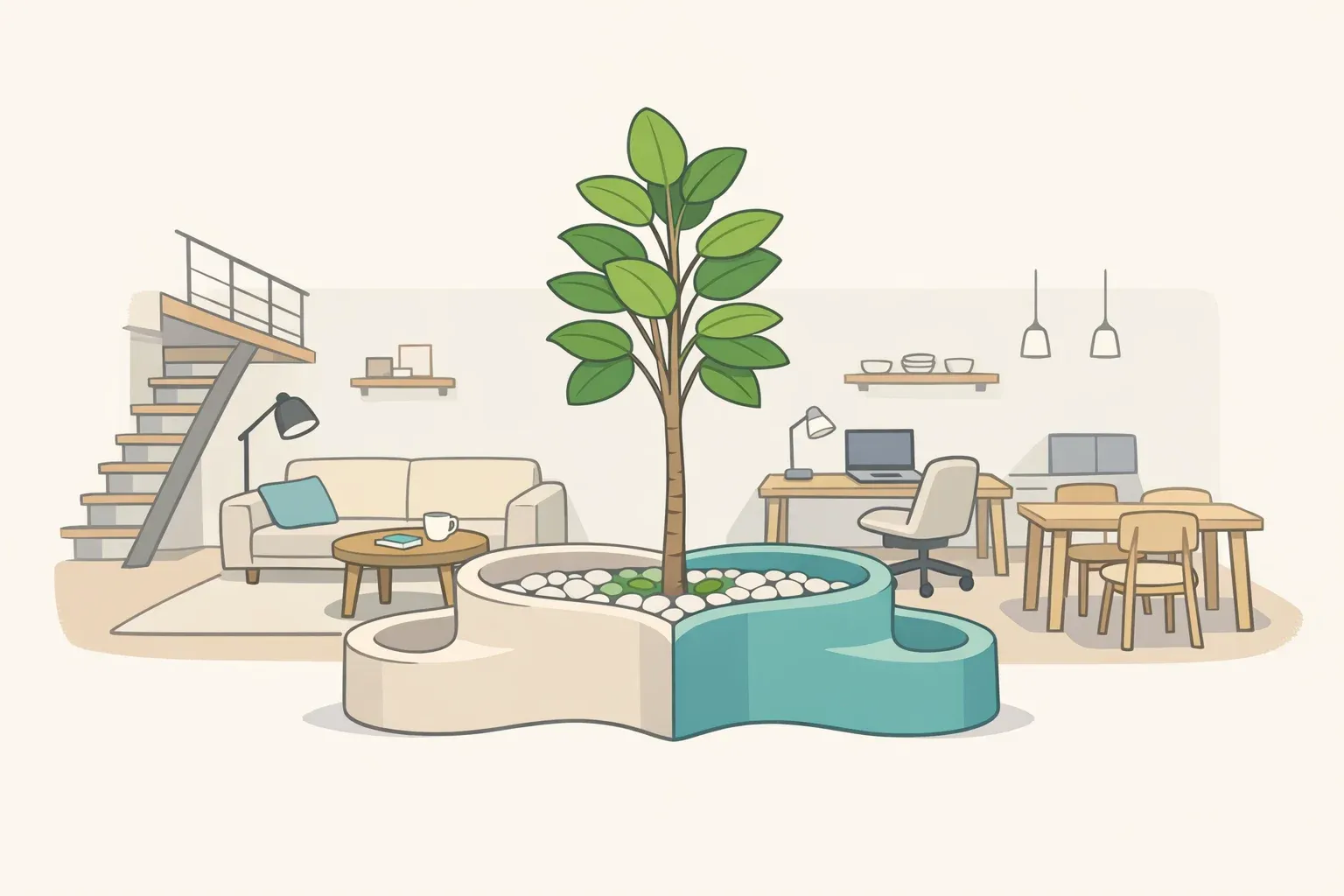
A single large plant, positioned right, can do a version of what a wall does: mark where one zone ends and another begins. It won't match a wall's privacy or sound control, since a wall physically blocks both, and a large planter room divider only signals a boundary rather than sealing one. What it does avoid is the construction cost and permanence of a built partition.
How much light it blocks along the way is a design choice, not a given; that comes down to density, height, and placement, which is what the rest of this guide walks through. This is about using a large planter room divider deliberately, not decoratively.
The example here is not a planter divider, but it illustrates the value of one restrained, sculptural boundary. In an Architectural Digest feature published in 2023, architect Isern Serra described tearing out a Barcelona loft's original partitions and dropped ceiling at a client's request for a completely open, 750-square-foot space, then using exactly one sculptural object, a half-circle archway, as the only division in the entire apartment besides the bathroom door. The useful lesson here is restraint: one bold object, placed once, can organize a whole floor plan.
Figure out what a planter divider can and can't do, test the exact spot before buying anything, size the vessel to match the light actually available, then run the water, weight, and mobility checks that keep a good idea from turning into a maintenance problem.
What large indoor planters for privacy can and can't do
A large planter is a visual and spatial cue, not a substitute for a wall. Sigma Planters, a planter retailer, framed tall planters as a way to create separation "without blocking light." It describes a softened boundary rather than a sound barrier or full visual privacy.
Whether a plant fully blocks a line of sight depends on how dense and tall it grows, but placement, viewing angle, and pot height matter just as much, worth confirming with a nursery before assuming any single specimen will do the job.
Start with a simple decision framework based on what the boundary actually needs to accomplish. A tall planter can work as a room divider when the goal is visual, not acoustic:
Mark a visual shift between two open zones (such as a living and dining area): Place one tall specimen along the sightline.
Signal a work or reading nook without enclosing it: Use a lower, wider arrangement at desk height.
Screen more of a view than a single plant can: Create a staggered, layered arrangement of planters.
Block sound or guarantee privacy (such as in a bedroom or call nook): Skip the planter and use a wall, curtain, or sliding partition.
If the zone being divided needs real acoustic privacy, a phone booth for calls, a bedroom, anywhere sound or full visual coverage matters, a planter is the wrong tool no matter how large it is. Skip it, and use a curtain, sliding panel, or built partition instead of asking a plant to do a job it was never going to do well.
How to test a large planter room divider before you buy
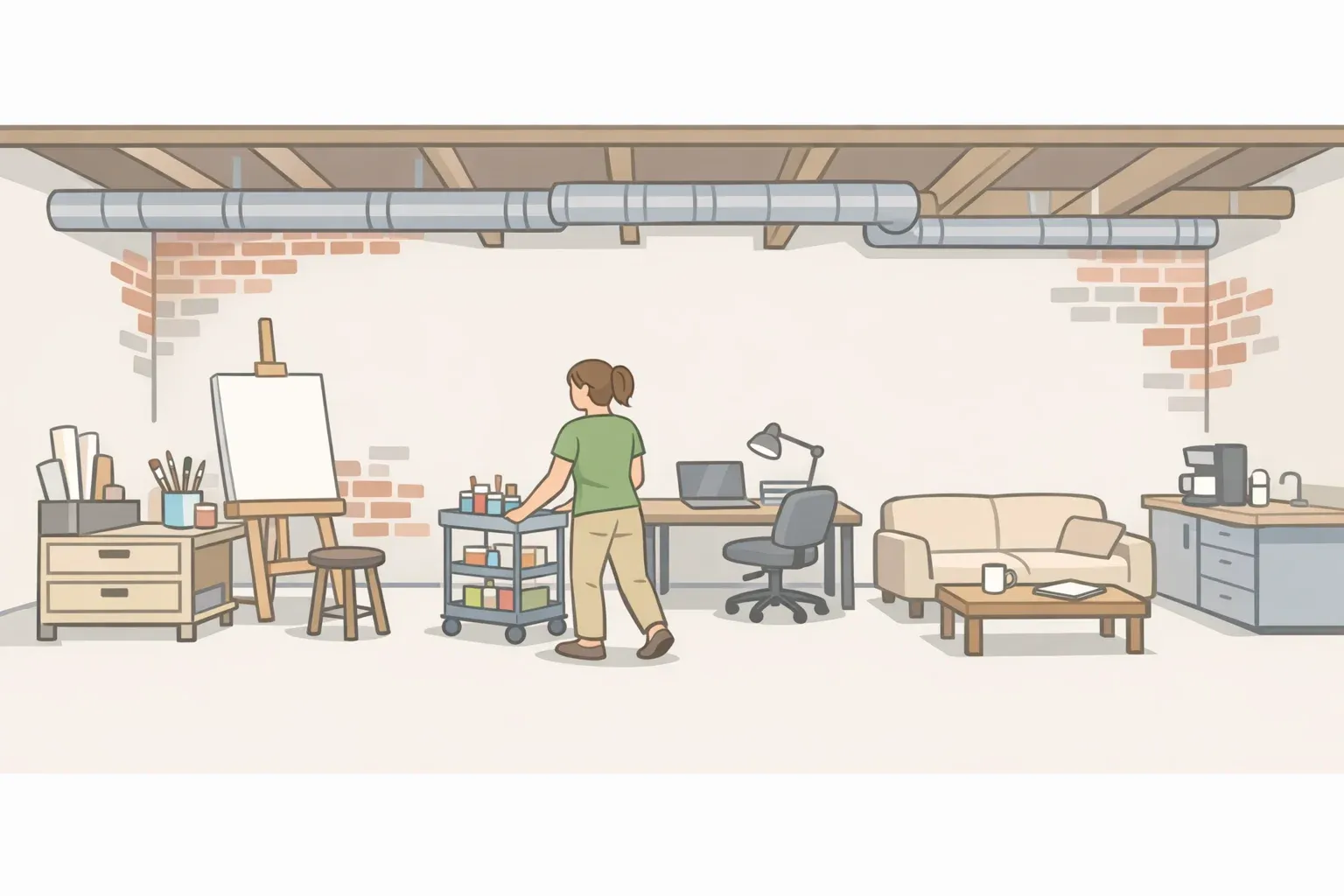
Pick one threshold. Walk the loft and find the single point where one activity genuinely ends and another begins: the kitchen turning into a dining area, or the living space turning into a home office corner.
A plant divider for an open-plan loft works best placed at exactly one break, not scattered at every point the floor plan could theoretically use one. A planter at every zone break reads as clutter. One at the break that actually matters reads as intentional.
Before spending anything, run a reversible trial that tests three things at once:
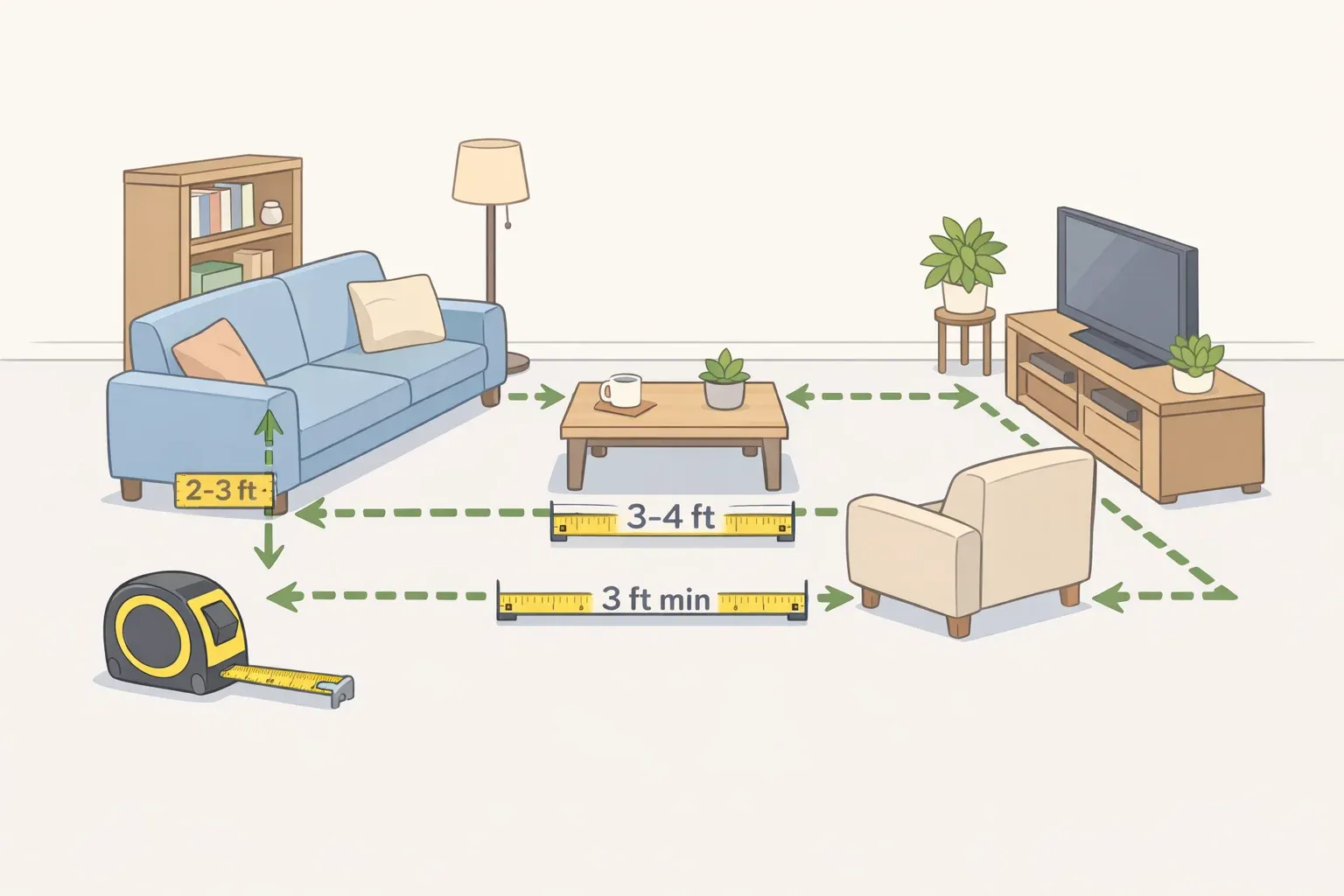
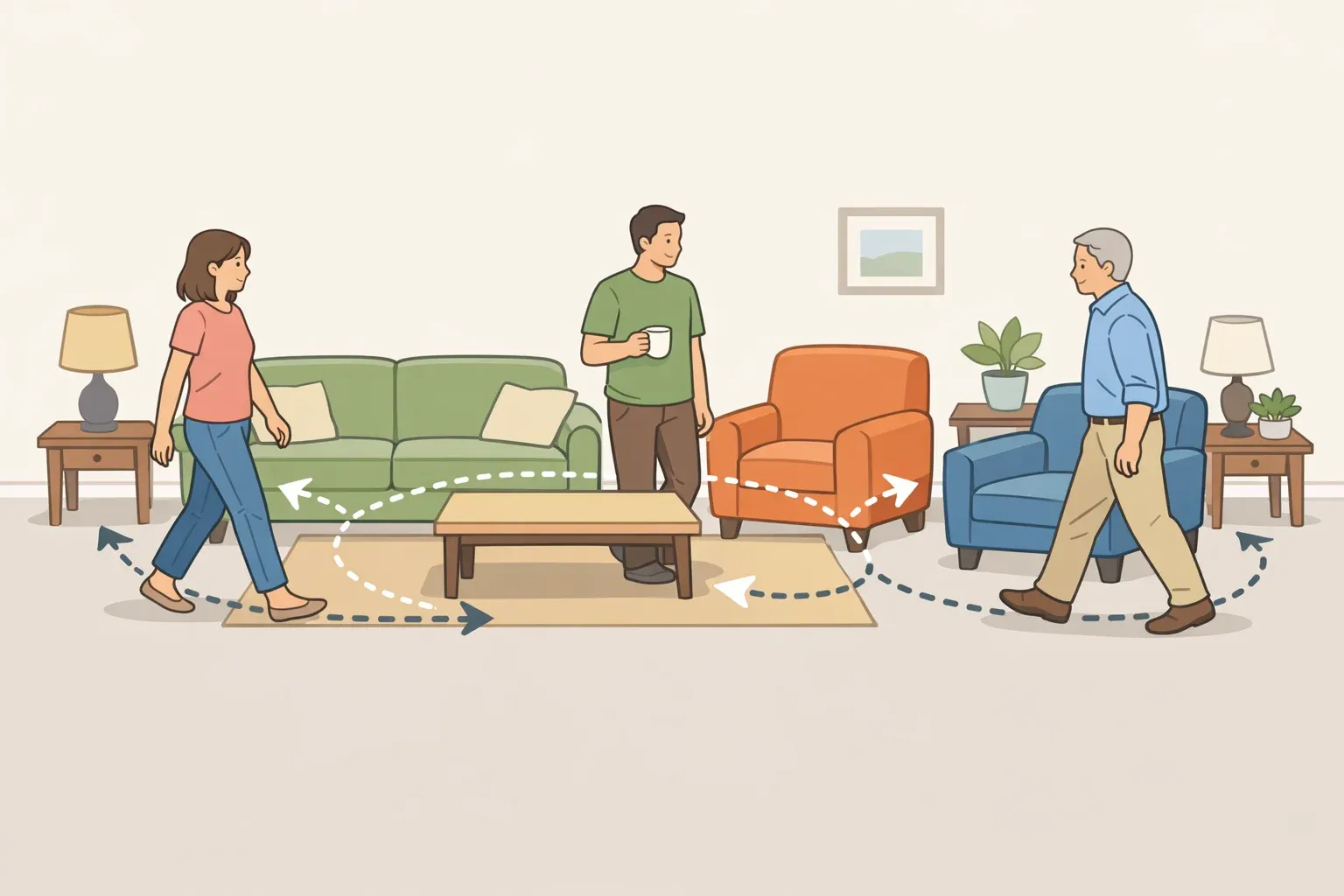
Footprint. Mark the full base width plus expected foliage spread on the floor with painter's tape, then check what's left for foot traffic. If two people need to pass each other at that spot, or it sits on the route to a door, leave enough room for that to happen without anyone turning sideways or brushing leaves aside.
Height. Stand a broom, ladder, or stack of boxes at the height under consideration, and check it against the view meant to be interrupted, both seated and standing. A divider that only breaks a standing view still leaves a room feeling wide open once everyone sits down at a table, so decide which vantage point matters before locking in height.
Light. Track how many hours of direct or bright indirect light hit that exact spot over a full day, not the room average. Direct light means the sun physically reaches the spot; bright indirect means the spot sits near a window but out of the sun's actual path. A window wall and a corner set back from it can land in very different categories.
If one plant can't screen enough of the view on its own, that's the point to consider a staggered arrangement of planters at different heights instead of sizing up a single pot to compensate. That staggered approach is one of the simplest planter room divider ideas to test before committing to a single large specimen. A two-planter cluster is easy to mock up before you buy.
Live with the mock-up before committing to anything, long enough to notice real friction rather than just a passing glance. If the footprint blocks a doorway, if the height doesn't interrupt the view as expected, or if the spot barely gets light, adjust position or scale now, before the pot and plant are already sitting in the room.
Size the vessel and match the plant to your light
Use the trial run's numbers, not a rule of thumb, to set the two dimensions that matter: the total height needed to interrupt the specific view, and the footprint the space can spare. Both come straight out of the testing step above. Those two numbers, not a generic size chart, determine whether an indoor planter partition needs one large specimen or a wider, lower arrangement.
None of the research behind this guide tests individual plant species, so treat the table below as questions to bring to a nursery, covering mature height, mature width, tolerance for the light already measured, watering needs, and whether the plant can be safely moved once established, not a shopping list to buy from blind:
Full, bright light (direct sun for part of the day or several hours of strong indirect light)
Ask the nursery about: Dense, bushy plants suited to bright rooms, including their mature height, width, and watering frequency.
Typical screening role: Can block a meaningful portion of the view once fully grown.
Upkeep: Faster growth generally requires more frequent pruning and repotting.
Moderate indirect light (near a window but out of direct sun)
Ask the nursery about: Upright plants that hold their shape without full sun, including their mature width.
Typical screening role: Clearly defines a boundary but rarely grows densely enough to block the view completely.
Upkeep: Slower, steadier growth typically means less frequent repotting.
Low light (an interior corner without a nearby window)
Ask the nursery about: Species specifically suited to low light and whether they can be moved after becoming established.
Typical screening role: Works better as a visual marker than a full screen.
Upkeep: Watch for leggy growth as the plant stretches toward the nearest light source.
No usable light or no safe way to water the plant
Ask the nursery about: A small-footprint, low-light species—or consider a nonliving screen instead.
Typical screening role: A marker at best; skip the live plant if the conditions cannot support it.
Upkeep: None if you choose a nonliving alternative.
Ask a nursery to confirm all of this against the specific hours of light logged in the earlier test. Plant health shouldn't be an afterthought to the design goal.
Once you've chosen the plant and pot, consider how the planter will shape the space. A large planter can define zones, guide foot traffic, or serve as a visual anchor, much like a piece of furniture.
A single echoing accent nearby, a rug or light fixture that picks up the planter's footprint or height, reinforces the one move being made. Add more than one accent and the room starts competing with itself instead of following the planter's lead.
Before you commit: water, weight, and mobility
This is a short practical checklist, not a technical manual. None of the sourced research here covers structural or irrigation specifics, so treat what follows as common-sense checkpoints, not engineering guidance, and get a professional opinion wherever it's called for.
Water. If a nursery pot sits inside a decorative outer pot, water the nursery pot, let it drain, then set it back inside the outer pot rather than pouring water directly into a container with nowhere for it to go. Check the outer pot's base for pooled water every so often; a folded paper towel or turkey baster clears it without lifting a heavy planter, and a furniture pad or tray underneath catches a spill before it reaches the floor. A waterproof liner or a saucer sized to the full base works as extra backup, and it's easiest checked by lifting the liner's edge rather than moving the whole planter. A leak in the open middle of a loft is far more visible and more damaging than one tucked against a wall, where a rug or baseboard would hide it.
Weight. A large planter concentrates real weight — vessel, wet soil, and root mass — into one spot on the floor. Ask a contractor or structural engineer what that specific floor can carry before committing to size, especially in an older building, one converted from industrial use, or anywhere the load isn't obvious. That's a professional judgment call, not a guess to make from a floor plan.
Mobility. A caster base, or a lightweight interior liner that lifts out and swaps easily, keeps a divider that looks permanent actually easy to move if the zoning doesn't work as expected once living with it.
Budget time as well as money. Ask the nursery how often the chosen plant will need rotating for even light and repotting as roots fill the container, then plan for both instead of being surprised later.
Start here, not at the shop
Skip the pot for now. Confirm the threshold, run the footprint, height, and light trial from earlier, then take two more numbers to the nursery: how wide the plant spreads at full maturity, not just at purchase size, and whether the filled planter can still be lifted or rolled once it holds soil and water. Get those two answers right, and the planter ends up being furniture that happens to be alive, rather than a maintenance problem created by choosing the wrong spot.

Comments
Be the first, drop a comment!