



Reviewed by: Y. Garcia
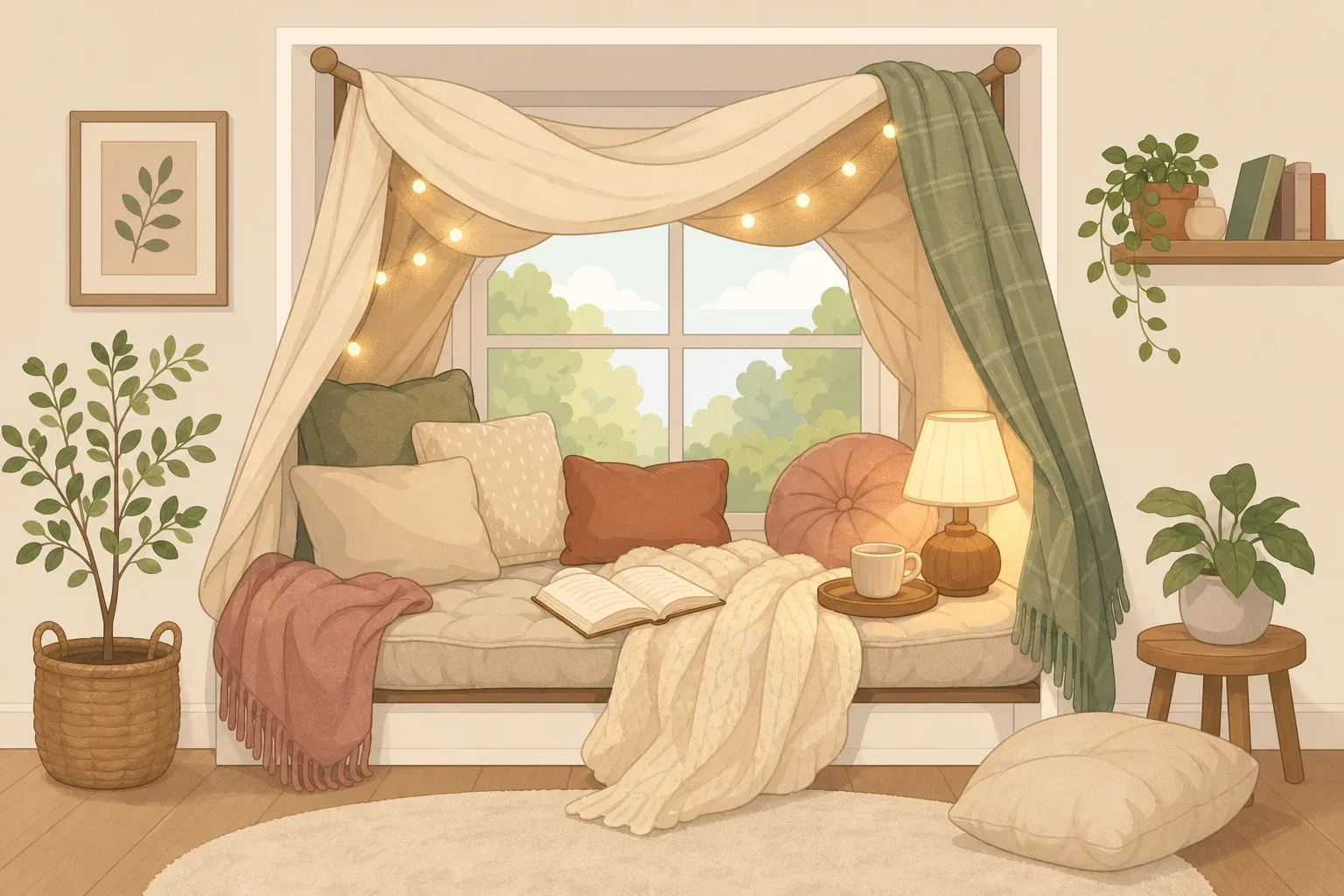
Ever found yourself gravitating toward that one corner of a coffee shop or that built-in window seat at a friend's house? You're responding to "Covecore" — 2026's hottest design trend that's all about creating intimate, enclosed spaces that wrap around you like a warm hug.
Here's the genius part: alcoves have been essential to interior design since Roman times, so we're talking about design principles with serious staying power. What makes modern Covecore exciting is its flexibility — today's interpretations include everything from archways and stylish nooks to window seats and specially designed furniture. Best of all? Many Covecore elements require no major renovation at all, making this perfect for renters and DIYers working with existing spaces.
Why Covecore works so well right now
There's solid science behind why these enclosed spaces feel so appealing when temperatures drop. Alcoves naturally trap body heat, creating warmer microclimates — these enclosed corners can feel noticeably warmer because airflow is reduced, though the temperature difference varies by layout and drafts. Smart homeowners amplify this effect by adding curtains to these spaces to block drafts and retain even more heat.
Why it works: Enclosed spaces create microclimates through reduced air circulation and heat reflection off nearby surfaces. Add thermal-backed curtains (around $20-40 per panel), and you're essentially creating a personal climate zone.
Beyond energy savings, there's a psychological comfort factor that's hard to ignore. The trend specifically encourages carving out dedicated comfort zones during the coldest months — giving your brain permission to truly relax in a space that feels protected and intentional.
Where Covecore shines room by room
Bedrooms: Making small spaces feel luxurious
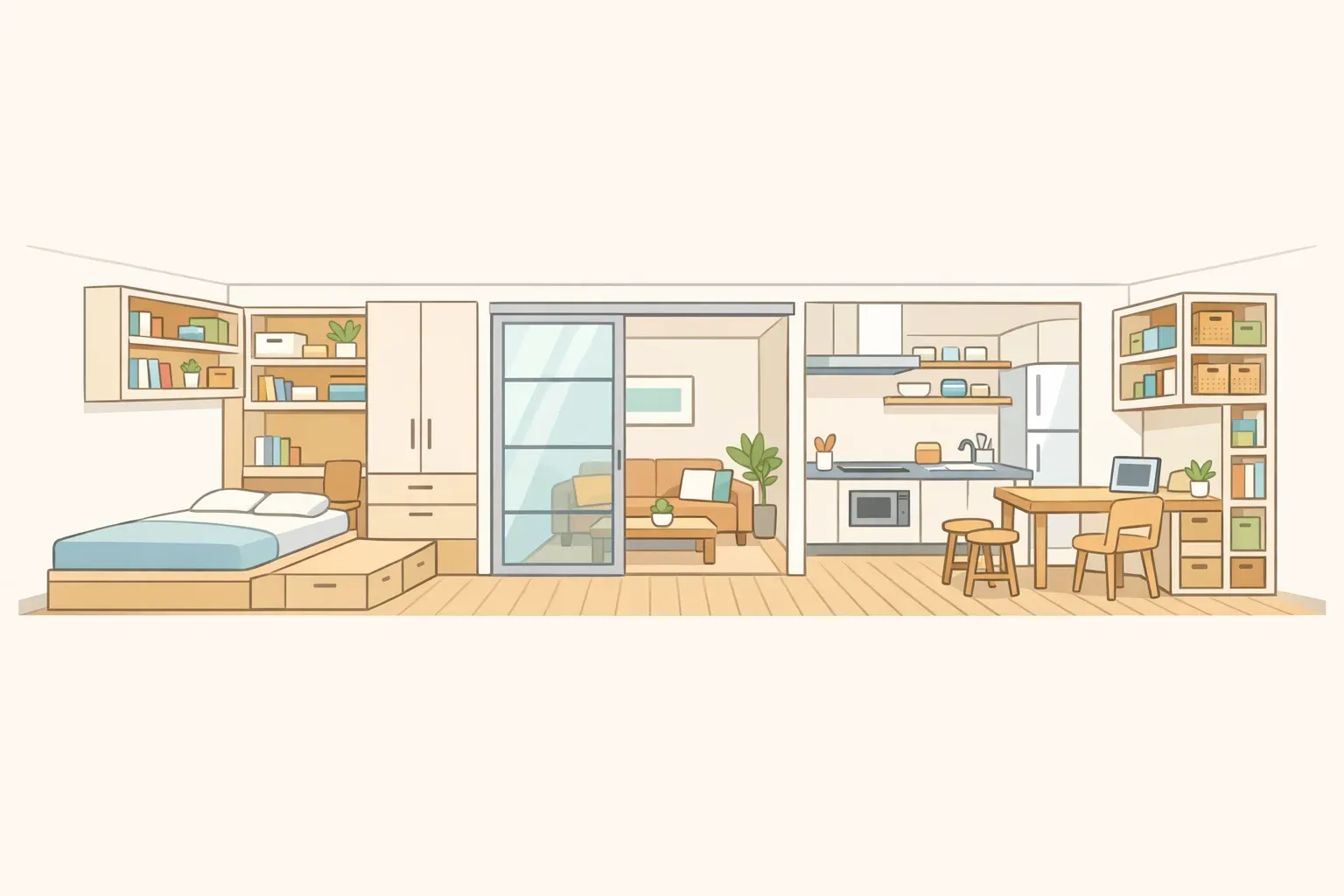
Here's a space-saving trick with built-in Covecore benefits: Murphy beds. These classic space solutions have been helping homes work harder for decades, but here's the Covecore angle most people miss. The lowered bed creates an instant built-in recess with walls on three sides. Instead of feeling cramped, that 8-10 inch recess creates an intentionally cozy sleeping sanctuary.
Tip: If installing a Murphy bed isn't in the cards, position your regular bed in a corner and add a ceiling-mounted curtain rod 12-18 inches from the wall to create the same enclosed feeling.
Kitchens: Turn utilitarian into luxurious
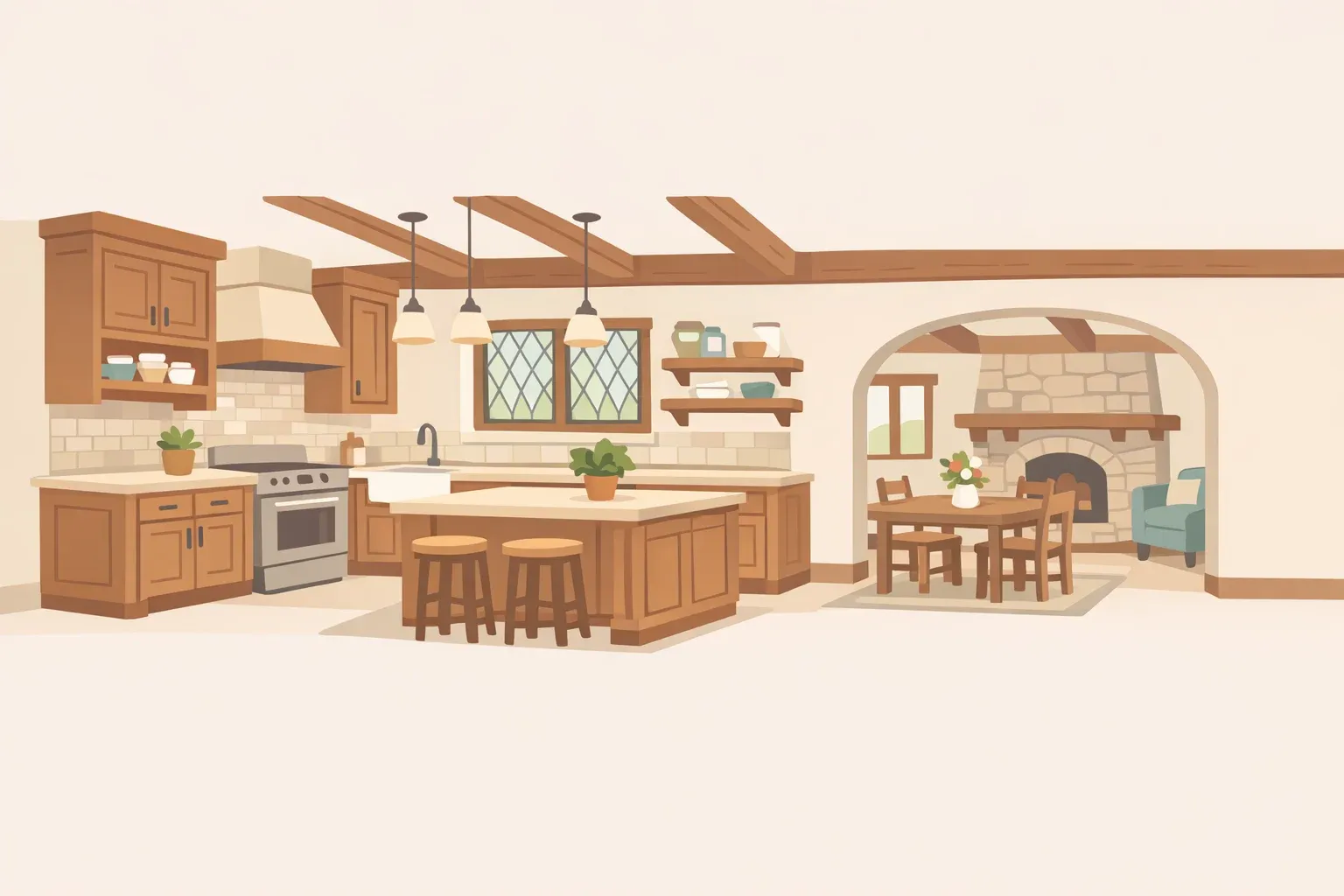
Your stove area is prime real estate for Covecore upgrades. Kitchen alcoves are becoming luxury focal points that add both personality and warmth to what's often the most practical space in your home. Designers are transforming these cooking zones with distinctive tile work, natural stone, archways, and custom details.
The practical bonus? Alcoves turn range hoods from eyesores into integrated design elements. For entertaining upgrades, these recessed areas work perfectly for incorporating dry bars, wet bars, and butler's pantries without disrupting your main workflow.
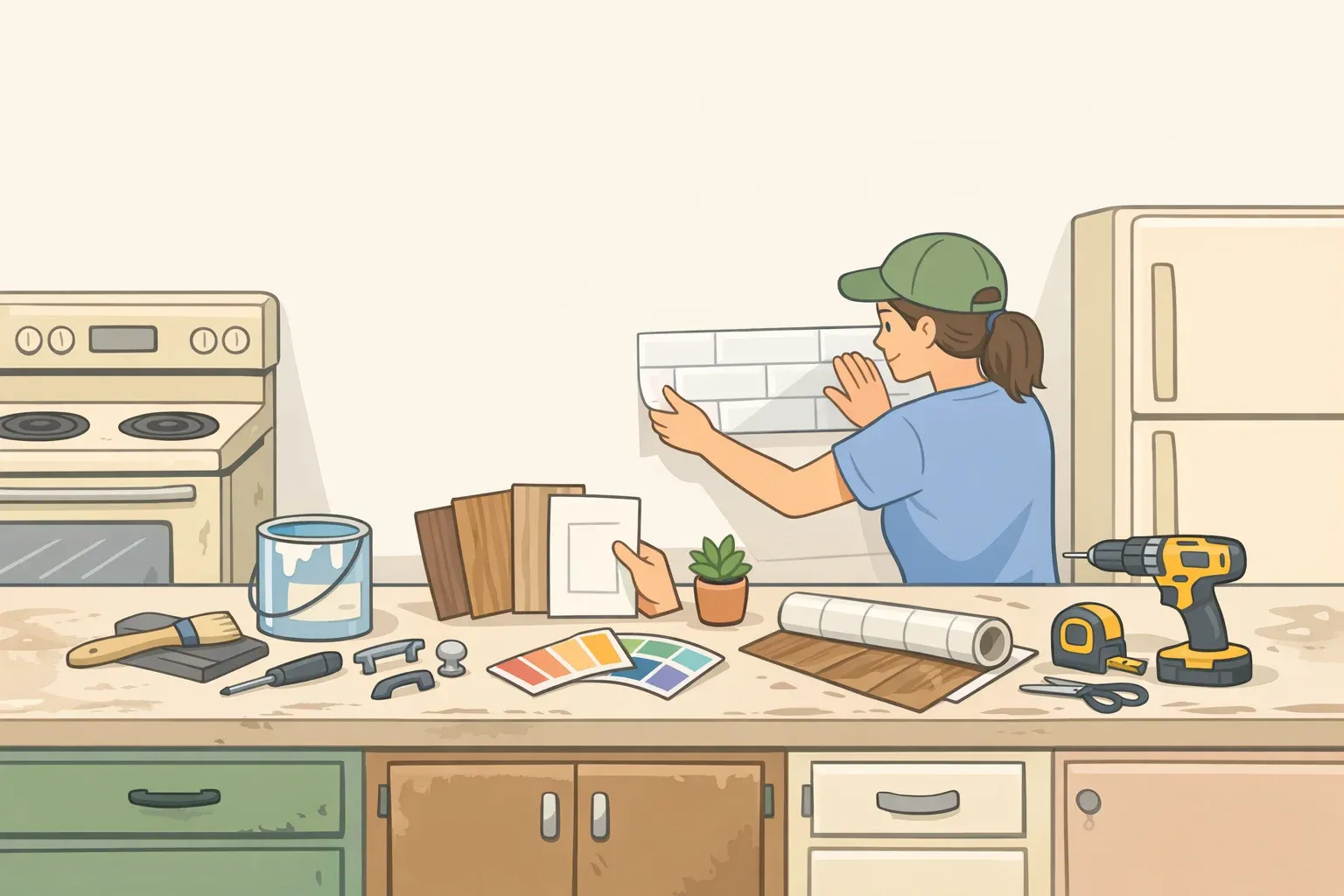
Renter hack: Create a temporary alcove effect around your stove with peel-and-stick subway tile ($15-30) and removable contact paper that mimics natural stone textures.
Creating your own Covecore spaces (the renter-friendly way)
What You'll Need
Materials (choose your approach)
Heavy-duty tension rods (2-3 pieces, 28-48 in.)
Thermal curtain panels or canvas drop cloths (2-4 panels)
Furniture pads (8-12 pieces, 1 in. round)
Command strips (heavy-duty, 6-8 strips per project)
Foam weather stripping (optional, for draft blocking)
Tools
Measuring tape
Level (smartphone app works fine)
Scissors or utility knife
Safety First
Check weight limits on tension rods and Command strips
Ensure curtain placement won't interfere with heating vents or electrical outlets
Test all adhesive strips on inconspicuous areas first
Steps
Here's where Covecore gets exciting: you can achieve this look using fabric, boards, ready-made furniture, and creative problem-solving rather than calling contractors.
Scout your natural opportunities first. Bay windows and existing architectural recesses make natural spots for additional seating. Look for corners where two walls meet, spaces under stairs, or even bathroom nooks that can deliver comfort, luxury, and privacy all in one design move.
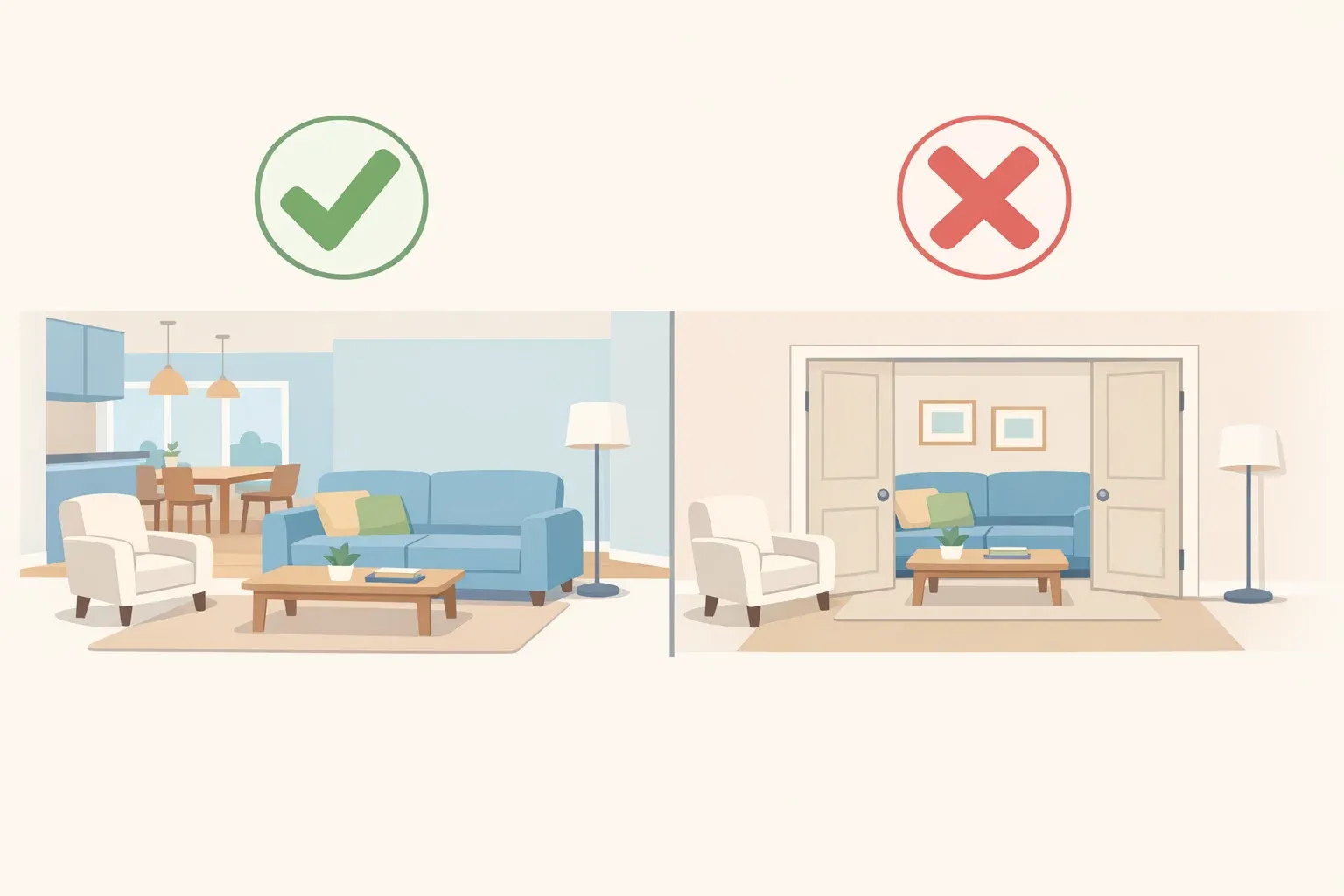
Create instant enclosure with strategic fabric placement. Install tension rods 6-8 feet from your chosen corner, creating an L-shape or U-shape depending on your space. Hang heavyweight curtains that reach the floor — this creates the visual boundary that makes spaces feel intentionally separated.
Use furniture to reinforce the cove feeling. Alcove-style seating creates the coziest spots, just like wingback chairs prove. Position a reading chair or small sofa in your newly defined area, with the back facing outward to strengthen that sense of enclosure.
Design tip: Stick to monochromatic color schemes to help everything blend seamlessly. This is crucial when you're combining different elements — keeping colors consistent makes everything look intentionally designed rather than improvised.
Troubleshooting
Problem: Tension rods keep falling → Fix: Add Command strip reinforcement where rod ends meet walls, or switch to ceiling-mounted rods for heavy fabrics.
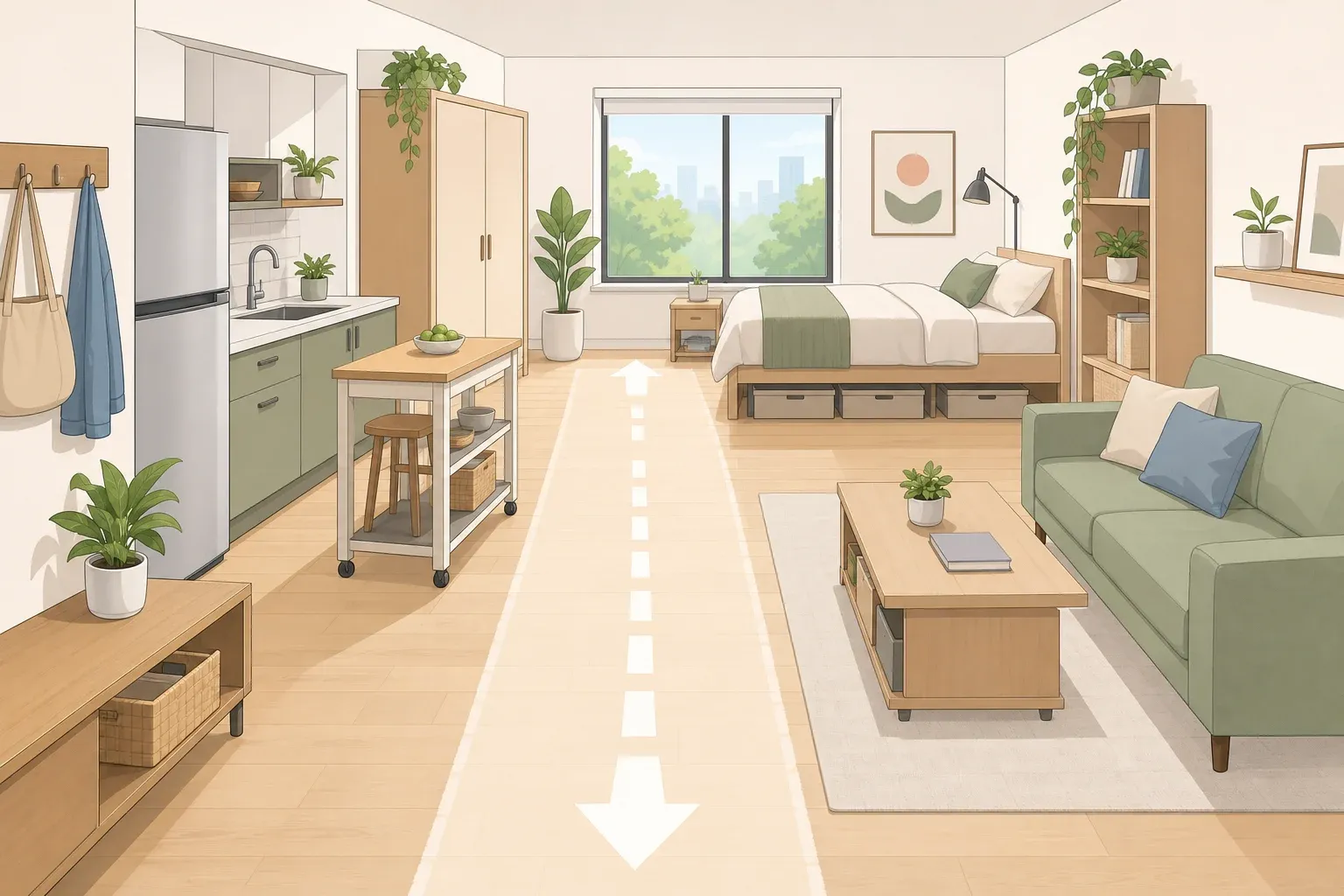
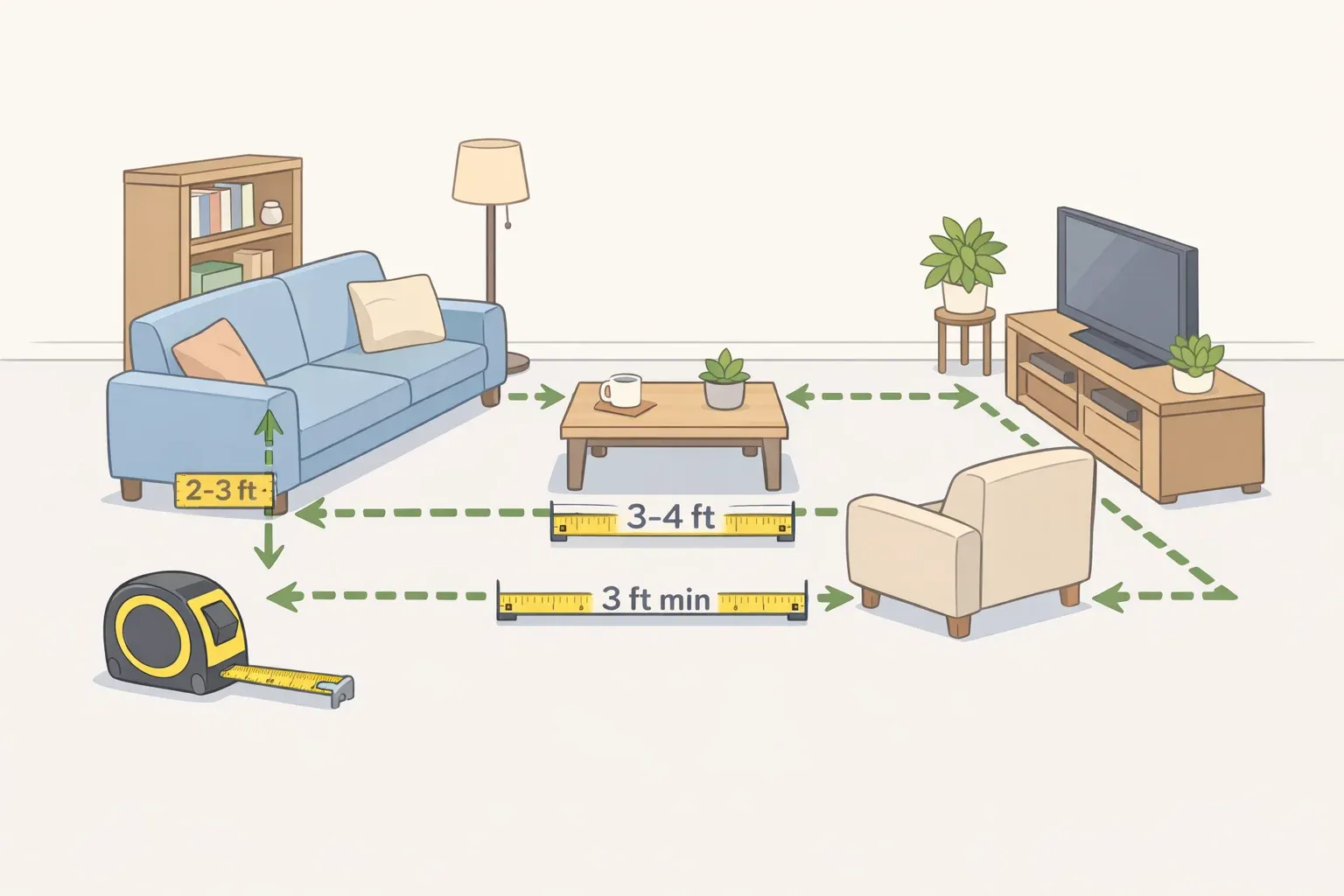
Problem: Space feels cramped instead of cozy → Fix: Ensure at least 36 inches of walking space around your cove, and use lighter fabric colors to maintain airiness.
Problem: Curtains look messy or temporary → Fix: Choose panels that puddle slightly on the floor (add 2-3 inches to measurements) and steam out wrinkles before hanging.
Variations & Upgrades
Ultra-budget version: Use painter's canvas drop cloths ($8-12 each) hung from Command hook strips — gives you that minimalist linen look for a fraction of the cost.
Renter upgrade: Install ceiling-mounted track systems that can move with you — perfect for creating flexible room divisions that adapt to different spaces.
Permanent installation: For homeowners, consider built-in bench seating with storage underneath, or half-walls with decorative columns that create alcove effects without closing off sight lines.
Why this trend has serious staying power
Covecore solves real problems beyond just looking good, which is why it's built to last. The concept builds on alcove designs that have remained relevant since Roman civilization — we're talking about fundamental human needs for shelter and comfort that don't change with fashion cycles.
The accessibility factor is huge, too. Since many Covecore solutions work without major construction, you can experiment with this approach and adapt it as your living situation changes. Moving apartments? Your curtain panels and tension rods come with you. Want to test the concept before committing to bigger changes? Start with one corner and see how you use the space.
Most practically, the trend specifically addresses our need for comfort spaces during harsh weather, which means it delivers year-round value rather than seasonal appeal. Energy costs aren't going down, winter weather isn't getting milder, and our need for genuine retreat spaces only grows stronger.
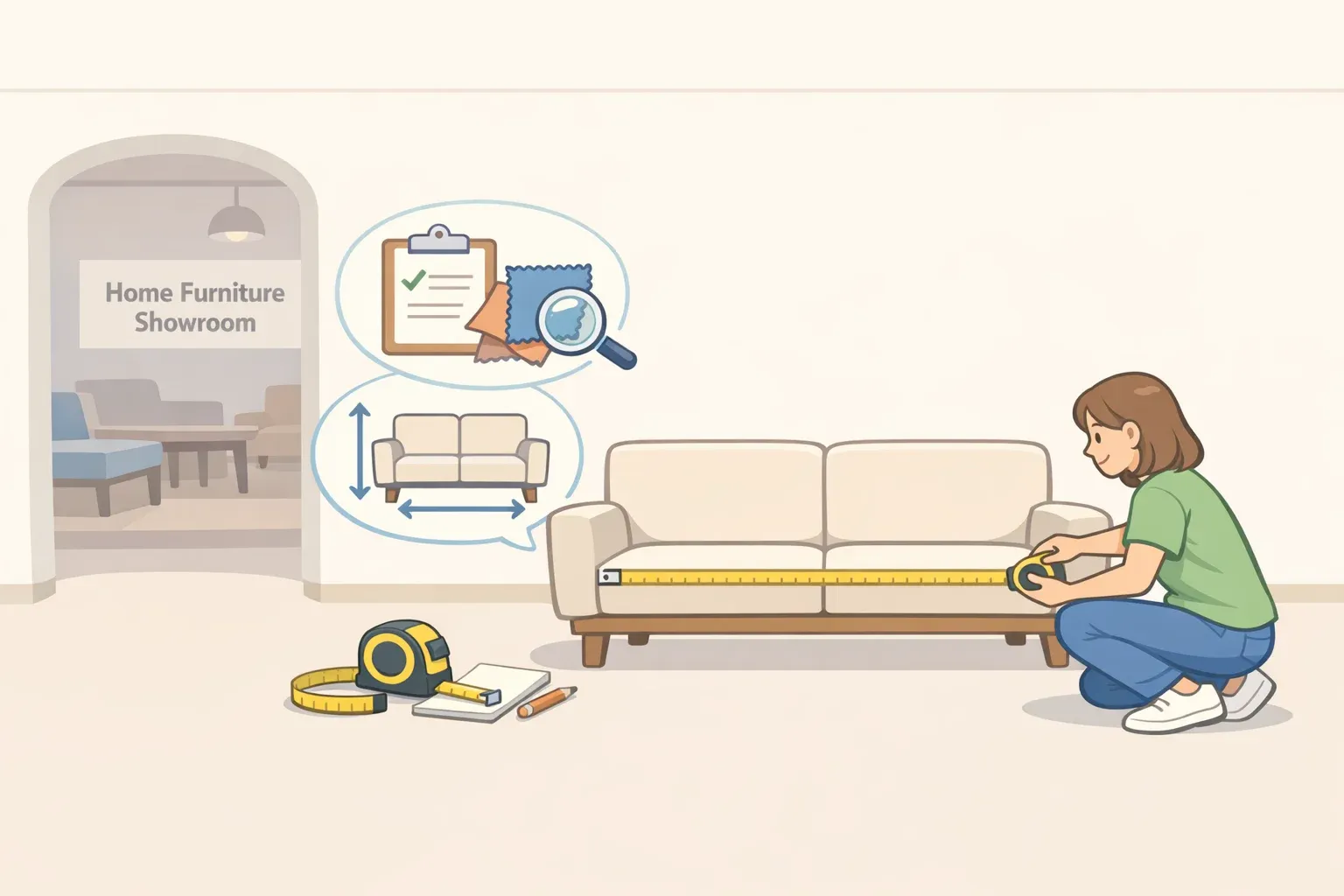
Start this weekend: pick one underused corner, grab some measurements, and head to your home improvement store with a $30-50 budget. Whether you're adding thermal curtains around a reading chair or finally making that awkward nook functional, you'll have a dedicated comfort zone that works harder than regular room arrangements. Your future self will thank you for the retreat.
Comments
Be the first, drop a comment!