



Thrifted Under-Bed Storage Ideas: Check a Basket First
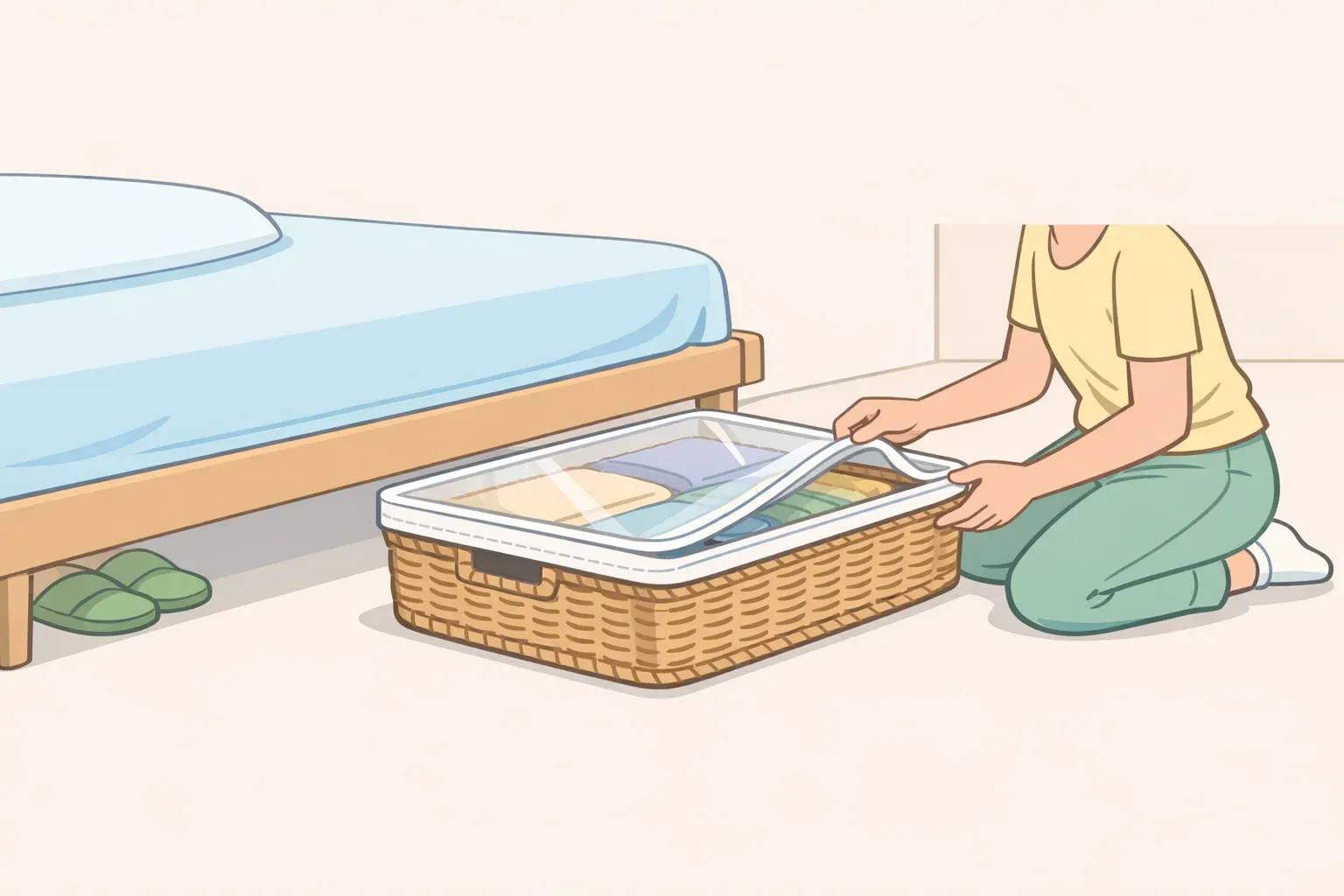
Thrifted under-bed storage ideas usually start the same way: a handled basket from a thrift store, the handles cut off, and a plan to slide it under the bed. Handled baskets run 50 cents to $1 secondhand, compared with $9 to $19 for a similar rectangular basket at retailers like Target or HomeGoods (In My Own Style, last month). That price gap is real. The under-bed part of the plan runs into trouble fast.
Good Housekeeping tells readers to skip open baskets under a bed specifically, because they "collapse, collect dust and are far too tempting to overstuff," recommending clear plastic boxes on wheels or fabric zip-up bags built for that spot instead (Good Housekeeping). Homes & Gardens adds that blocking airflow under a bed can encourage mold, mildew, and bacteria on the mattress, a risk that may be more pronounced on foam mattresses (Homes & Gardens). Based on that, the verdict here is straightforward: a modified thrifted basket works well in a closet, cabinet, or drawer, the settings the original makeover demonstrates (In My Own Style, last month), and it's a poor fit for underneath a bed.
This guide covers inspecting, measuring, and modifying a thrifted basket so it comes out clean and handle-free, where it holds up best once finished, and what to buy instead if under-bed storage is the actual goal. A short section near the end covers what to check before trying the basket under a bed anyway, labeled clearly as an unproven workaround rather than a recommended method.
What you'll need
- A low-sided, sturdy basket: wicker, seagrass, or rattan
- Sharp shears or a box knife
- Needle-nose pliers
- A tape measure
- A sink or basin, mild dish soap, and a scrubbing pad
- Outdoor space or a sunny spot to air-dry
Difficulty: beginner, no special skills required. Time: about 10 minutes for handle removal, plus drying time after cleaning (In My Own Style, last month).
Inspect the basket before you buy it
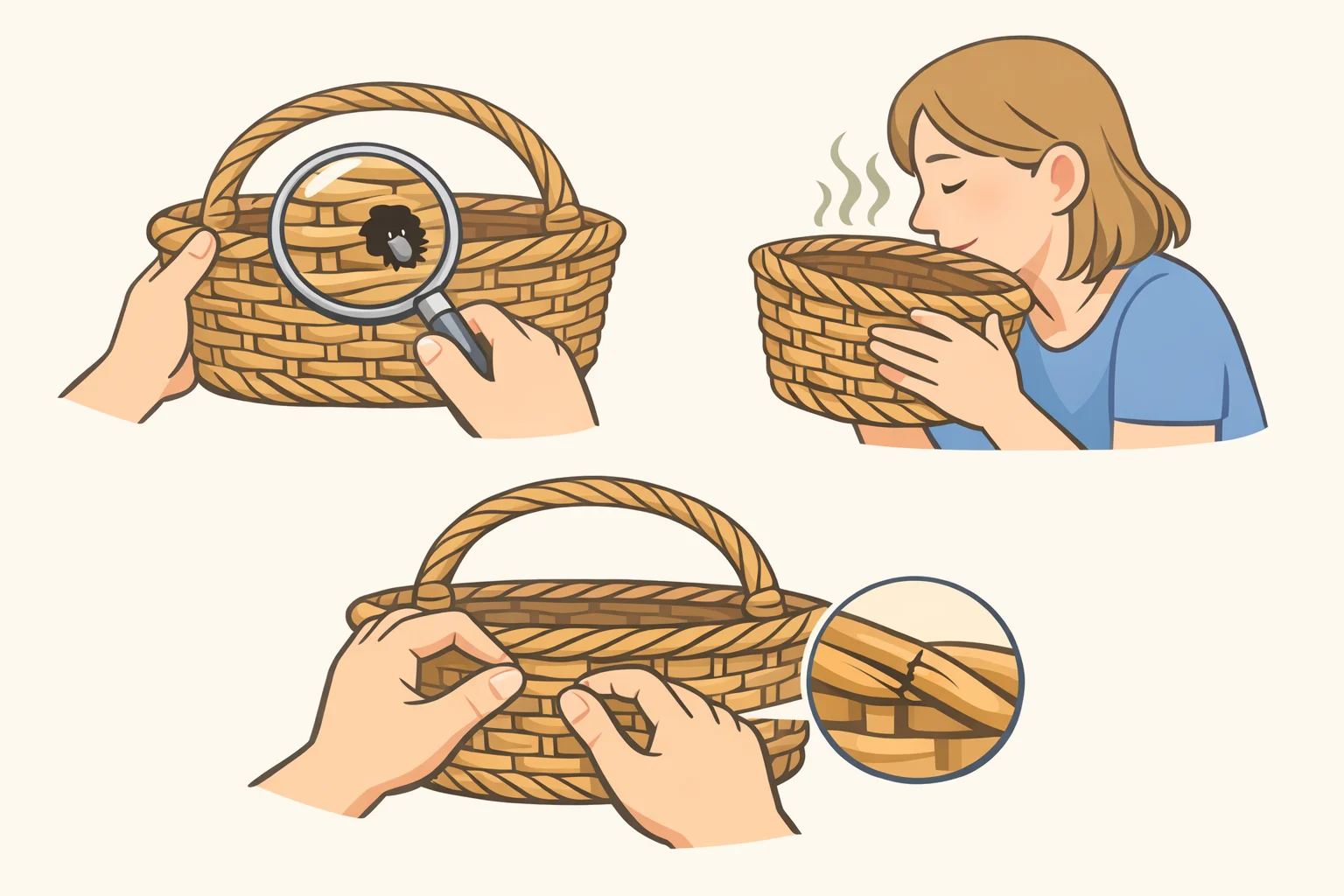
Thrift store condition varies from bin to bin, so give the basket a once-over before it comes home. These are practical checks worth running, separate from anything the cited sources tested directly:
- A musty smell. Skip it; the makeover source doesn't establish that soap and sun will remove odor that's already set into the fibers.
- Damp spots or discoloration on the base
- Signs of pests: small holes, shed casings, or droppings in the weave
- Cracked, loose, or missing reeds anywhere on the sides or bottom
- Weave that flexes or separates when you press on it
A basket that fails these checks is a weak candidate for cleaning and reuse anywhere in the home, not just under a bed.
Measure before you cut anything
Cutting the handles off is permanent, so confirm the basket fits its intended spot first.
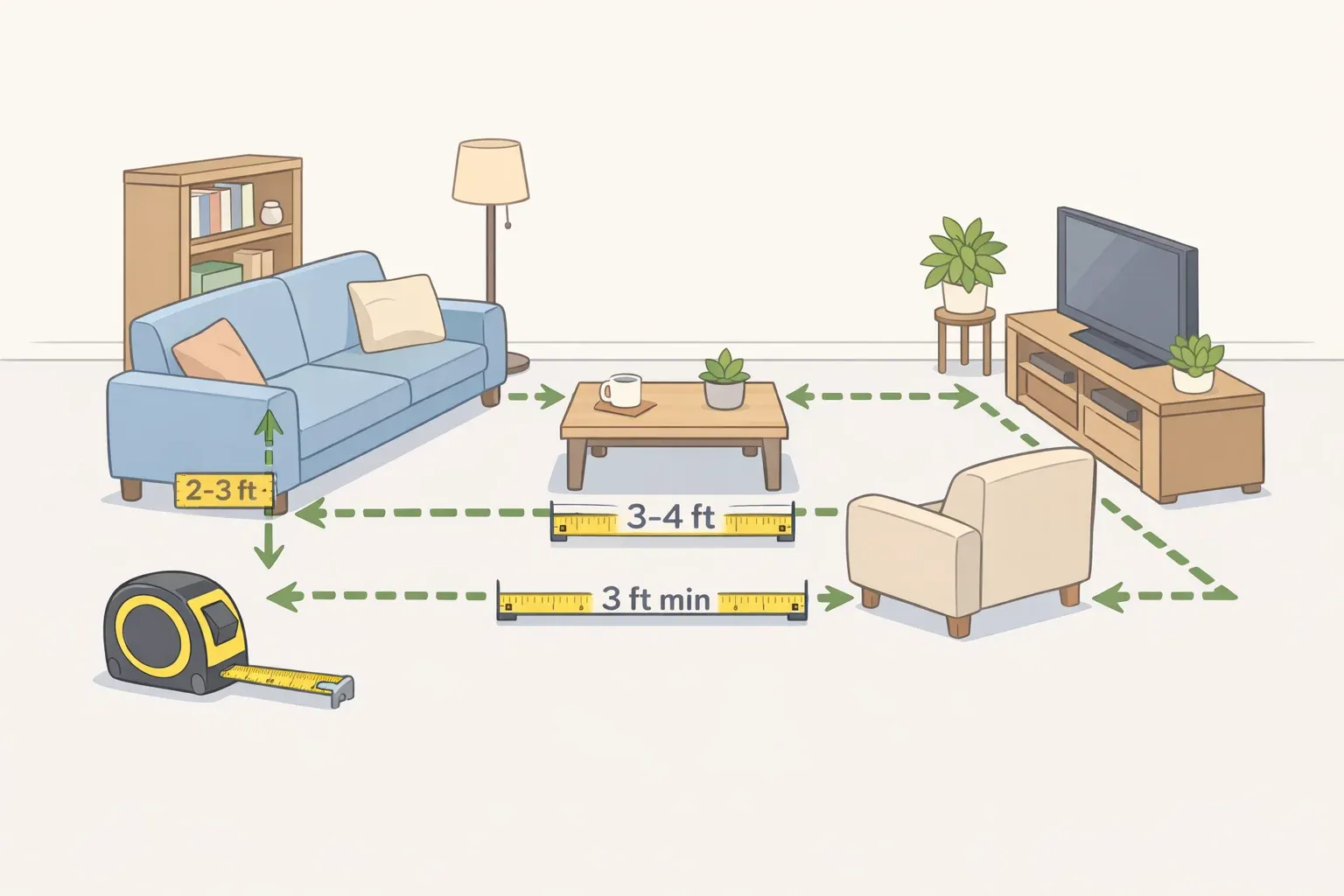
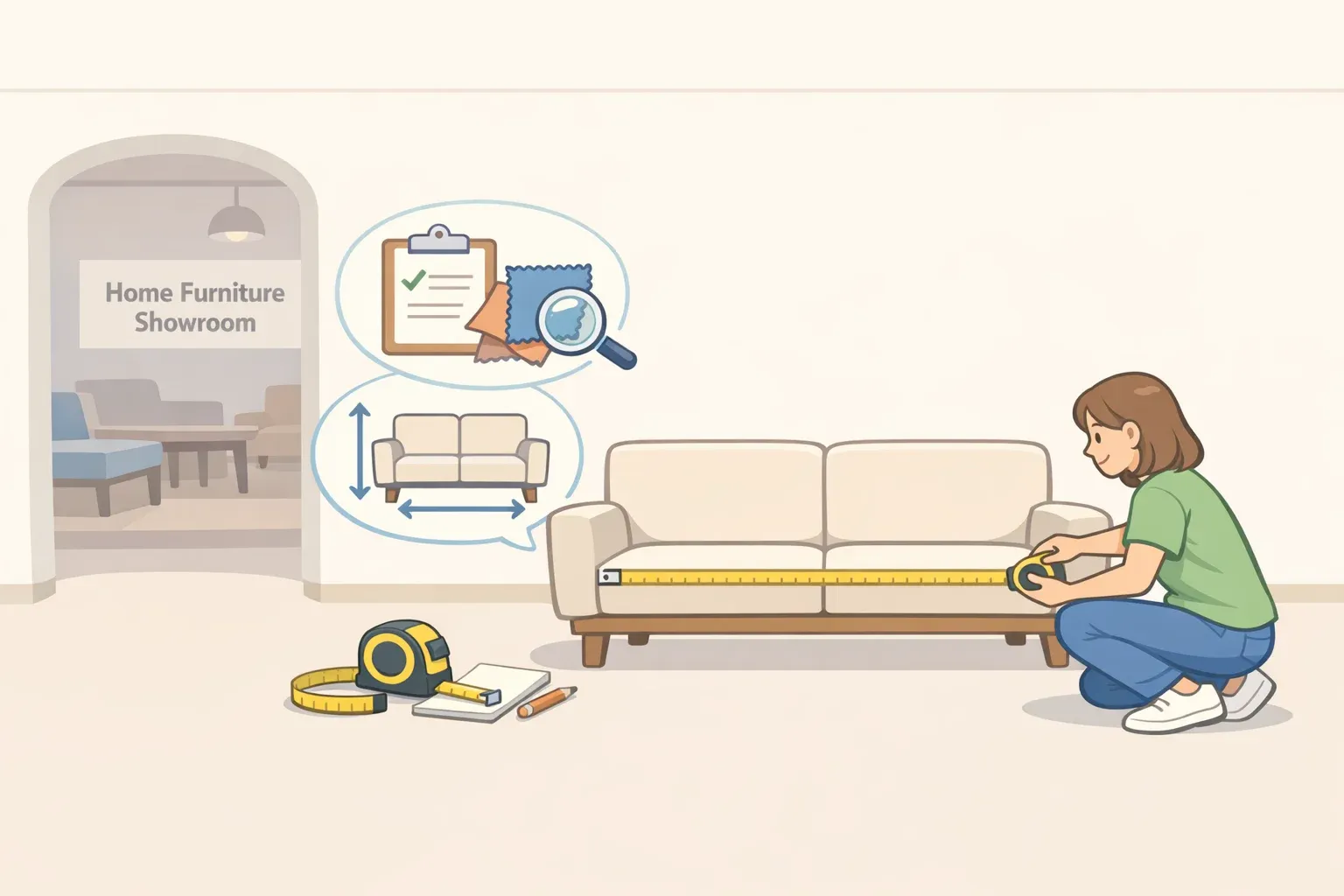
- Measure the height, depth, and width of the space you're planning for it, whether that's a shelf, cabinet, or drawer.
- Measure the basket the same three ways.
- If you have a divan bed frame with built-in air vents, measure clearance around those vents separately, since boxes and baskets shouldn't sit over them (Good Housekeeping).
- Leave the basket a little smaller than the available space rather than aiming for a snug fit. A basket that goes in with zero room to spare is harder to pull back out later.
Modify the basket
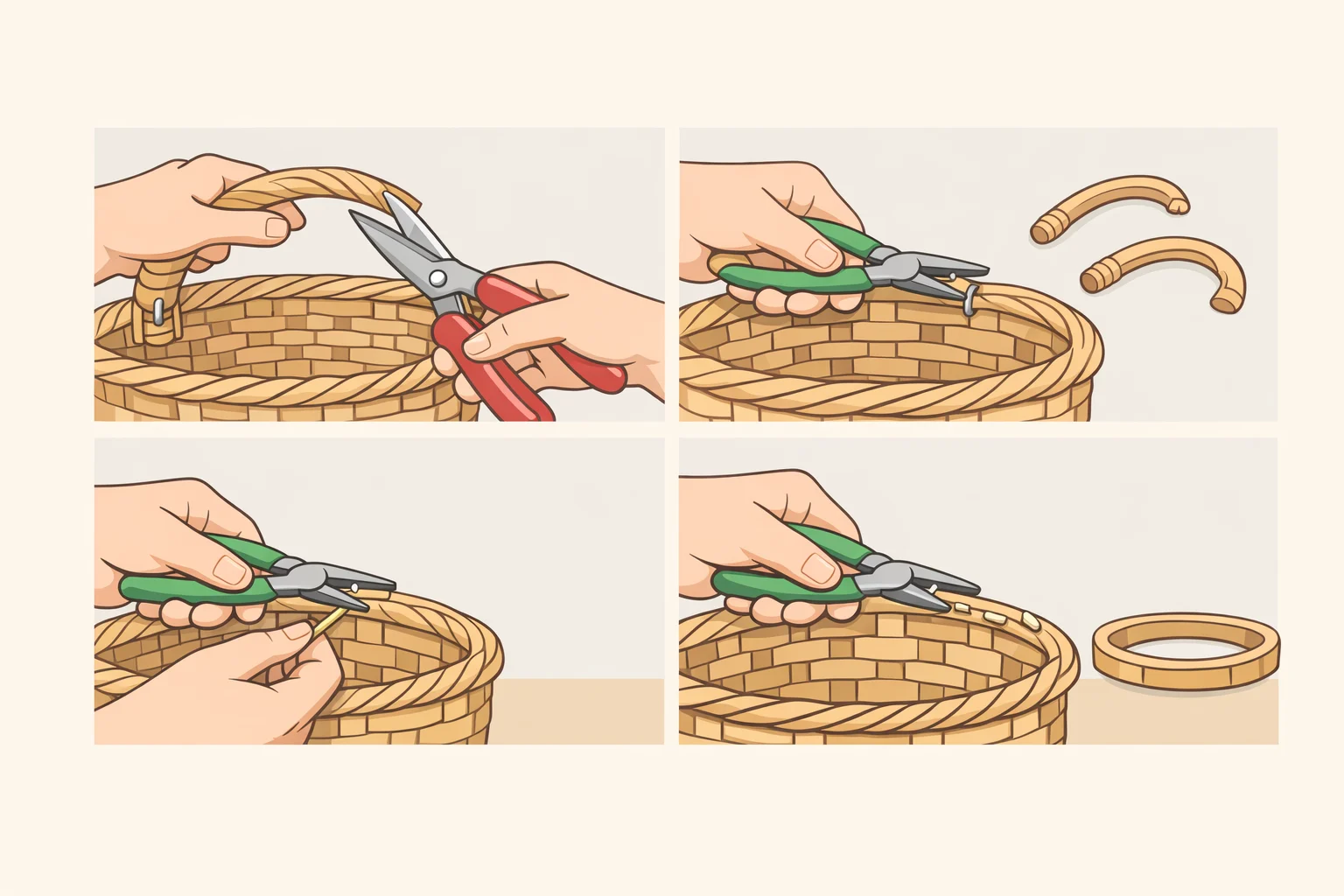
Handle removal takes about 10 minutes and involves a blade, so work on a flat, stable surface and keep fingers clear of the cutting line.
- Set the basket down and cut the handle off on each side with sharp shears or a box knife (In My Own Style, last month).
- Grip the vertical reeds left where each handle attached, using needle-nose pliers, and pull them free for a smooth rim (In My Own Style, last month).
- Run a hand over the rest of the weave to check for extra "shim" reeds running vertically, and pull those the same way.
- Fill a sink with hot, sudsy water, soak the basket for about 5 minutes, scrub with a pad, rinse, and set it outside to dry in the sun (In My Own Style, last month).
If the basket has a painted finish, glued trim, or a built-in fabric liner, don't assume the soak-and-scrub method above applies. Follow the maker's care instructions if you have them, or wipe the basket down by hand instead.
Run a hand around the rim before calling it finished. It should feel smooth with no reed ends poking out, and the basket needs to be fully dry and odor-free before anything goes inside.
One thrift shopper reported picking up six baskets for $3 total in a single trip (In My Own Style, last month), a single example of how cheap a haul can be rather than a typical price.
Where repurposed basket storage actually works
The source behind this makeover uses low-sided baskets like this one in a china cabinet and inside drawers, organizing things like teabags and office paper (In My Own Style, last month). None of that involves blocking airflow to a mattress, which is the specific issue both Good Housekeeping and Homes & Gardens raise about under-bed use. A shelf, cabinet, or drawer is where this basket has actually been tested and where it's a genuinely good fit.
Thrifted under-bed storage ideas: the safer alternative
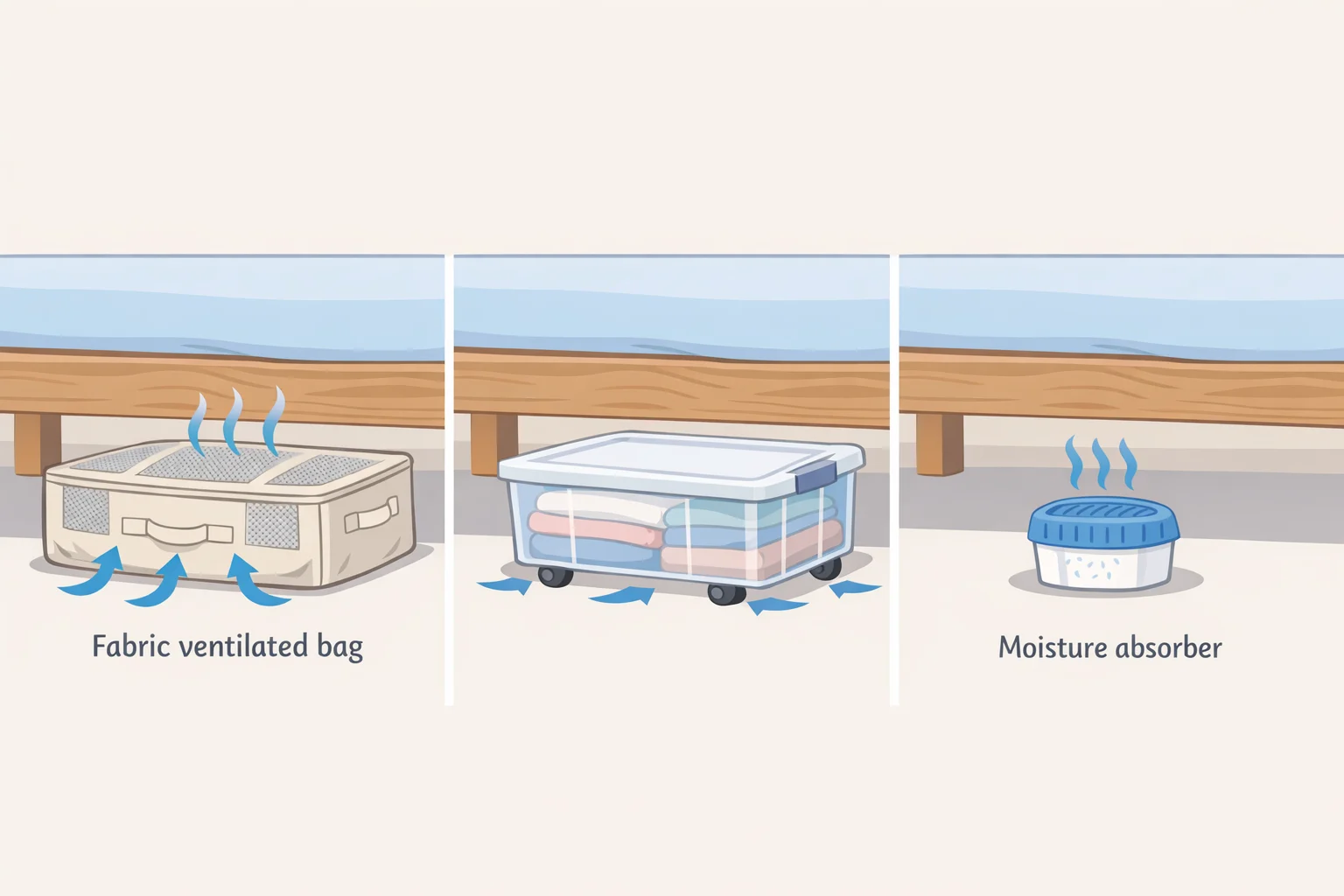
For storage that will actually sit under the bed, buy something built for that spot instead of adapting a basket. Homes & Gardens recommends fabric or ventilated storage bags over airtight plastic containers, since plastic seals in humidity while breathable fabric lets air move through (Homes & Gardens). Good Housekeeping points to either clear plastic boxes on wheels or fabric zip-up bags made for under-bed use (Good Housekeeping), so the two sources don't land in exactly the same place. If humidity is the bigger concern in the room, go with fabric. If dust visibility matters more and the room runs dry, a wheeled clear bin works too.
A moisture absorber such as DampRid can help pull dampness out of a container that's already trapped some (Homes & Gardens), but it doesn't identify or fix a leak, condensation, or a room that runs humid overall. Treat it as a supplement, not a fix.
Keep the load light no matter which container is chosen: extra bedding or off-season clothing, nothing heavy enough that sliding it in or out is a struggle (Homes & Gardens). Skip shoes, heavy boxes, books, and scented items (Homes & Gardens). Keep frequently used items near the edge closest to you and push occasional items farther back; since most containers here aren't see-through, label the outward-facing side or keep a running list on your phone (Good Housekeeping).
If you still want to try a DIY under-bed storage basket anyway
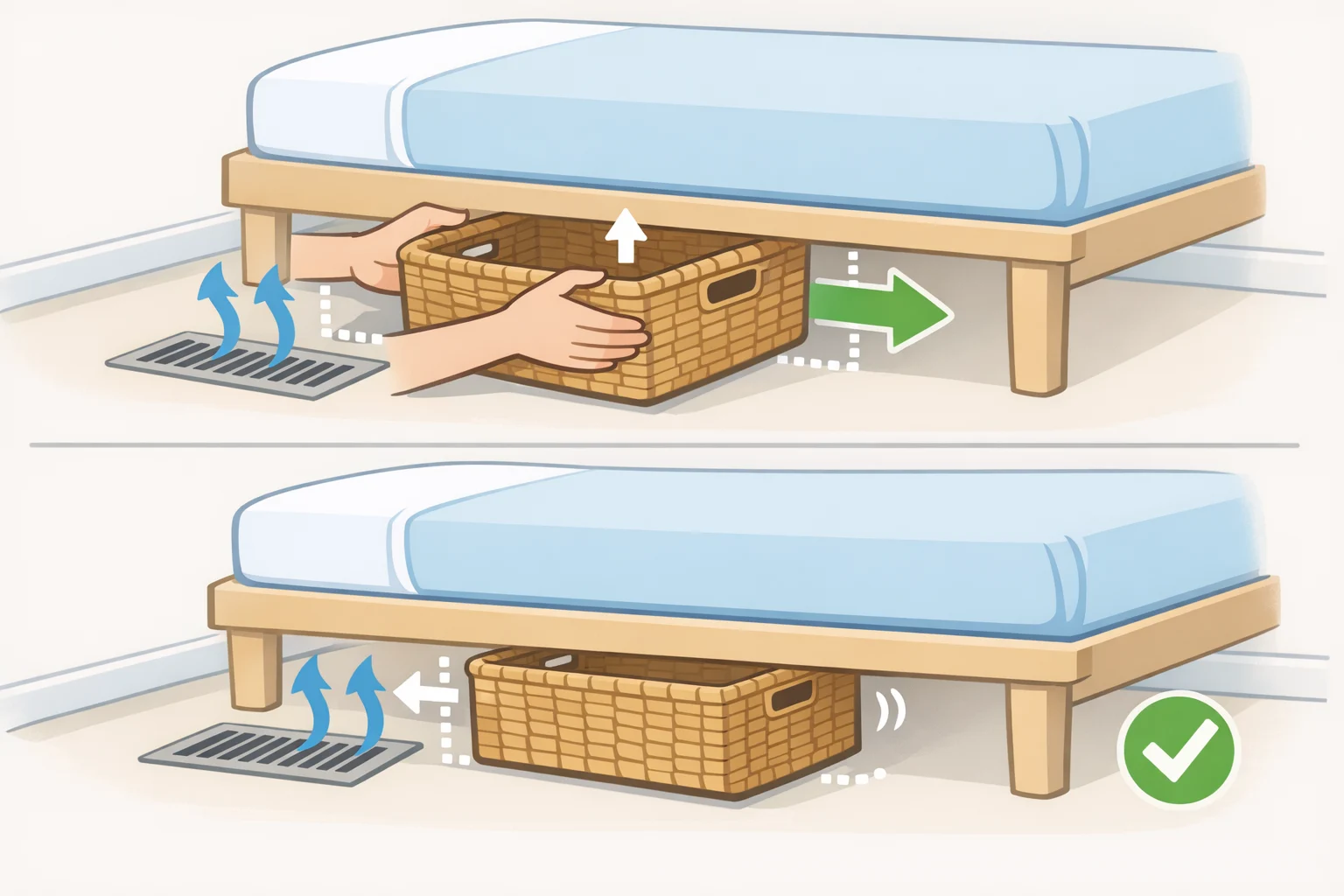
Thrift store basket under-bed storage isn't what either source recommends, and neither one tested an open weave in this spot. If the bedroom checks every box below, treat it as an experiment to watch closely, not a settled decision:
- No history of dampness, musty smell, or mold in the room
- A non-foam mattress, or bed risers added for clearance (risers improve airflow but don't make covering a foam mattress safe, Homes & Gardens)
- No air vents on the bed frame the basket would block
- Only lightweight, dry, unscented items going inside
- A willingness to pull the basket out every few months and check underneath
Leave real space around it rather than sliding it in snug. Homes & Gardens suggests a few inches of clearance around fabric storage bags for airflow (Homes & Gardens); use that as a rough reference for a basket, not a tested spec, since a sealed bag and an open weave don't behave the same way. Lay a thin rug or sheet of lining paper underneath so it doesn't scratch wood floors or snag carpet (Good Housekeeping), then slide the empty basket in and out fully before loading anything. It should move without catching.
A fabric liner inside the basket may cut down on direct dust contact. The barrier concept Good Housekeeping describes is tested on zip-up garment bags, though, not an open weave with a liner dropped inside (Good Housekeeping), so don't count on a liner to solve pests or moisture on its own.
Troubleshooting
- Basket snags or scrapes going in and out: the fit is too tight or the flooring is catching the weave. Add lining paper or a thin rug, or size down the basket.
- Sharp reed ends after cutting: go back over the rim with pliers and pull any remaining shim reeds free.
- Lingering odor after washing: give it more time in direct sun. A basket that still smells musty after that is a poor candidate for storing clothing or bedding.
- Dampness on the floor or basket base during a check: stop using that spot for storage until the room's moisture source is addressed. Don't assume one airing-out has solved it.
Maintenance, stop points, and what to do now
| Option | Airflow | Best for |
|---|---|---|
| Modified thrifted basket | Open weave, no seal | Closet shelf, cabinet, or drawer |
| Fabric or ventilated under-bed bag | Breathable, designed for the space | Clothing, bedding, under-bed use |
| Closed plastic bin | May trap humidity | Dust visibility, dry rooms |
Whatever ends up under the bed, keep the same rhythm. Every three to six months, pull it out completely, vacuum the floor with a crevice tool, wipe with a lightly damp microfiber cloth and mild detergent, and let the space air out for 20 to 30 minutes before restocking (Good Housekeeping). Use that same check to look at the floor, bed frame, and mattress underside for dampness or odor (Homes & Gardens). Once a year, pull everything out and ask whether each item has actually been used or loved in the past year; if not, it doesn't need to go back in (Good Housekeeping).
If a musty smell, visible mold, or dampness ever shows up on the mattress underside or the floor, stop storing anything in that spot right away. By the time the odor is noticeable, mold damage has usually already happened (Homes & Gardens). Remove everything, follow appropriate mold-cleaning steps for anything affected, and consult a mold remediation or mattress professional if the mattress itself or a large amount of stored material is involved. Don't restock until the moisture source has been identified and addressed, and if the problem comes back after that, treat it as a sign to have the room or mattress assessed rather than repeating the same cleanout every few months.
Bottom line for the basket itself: if it's dry, odor-free, and headed for a closet, cabinet, or drawer, the makeover is done and it's ready to load. If the goal was always under-bed storage, set the basket aside for another spot and buy a fabric bag or closed bin sized for the space instead.









Comments
Be the first, drop a comment!