



Reviewed by: Y. Garcia
Looking at a small bathroom can feel pretty defeating, especially when you're staring at those classic '90s design choices that seem to shrink the space even more. You know what I'm talking about — the heavy brass fixtures, those bold patterns, and color schemes that made sense back then but now just make everything feel cramped and dated (ZenTG). The good news? Your bathroom's square footage isn't actually the problem here (ReviveWorks).
What's really exciting is that you can completely transform how spacious your bathroom feels without touching a single wall. Smart design strategies focused on light reflection, visual flow, and strategic placement can make a 5x8 bathroom feel about 30% larger by eliminating visual barriers and maximizing perceived space (ReviveWorks). I'm going to walk you through the exact changes that make the biggest impact, and trust me — some of these tricks will surprise you.
Light colors and smart paint choices work magic
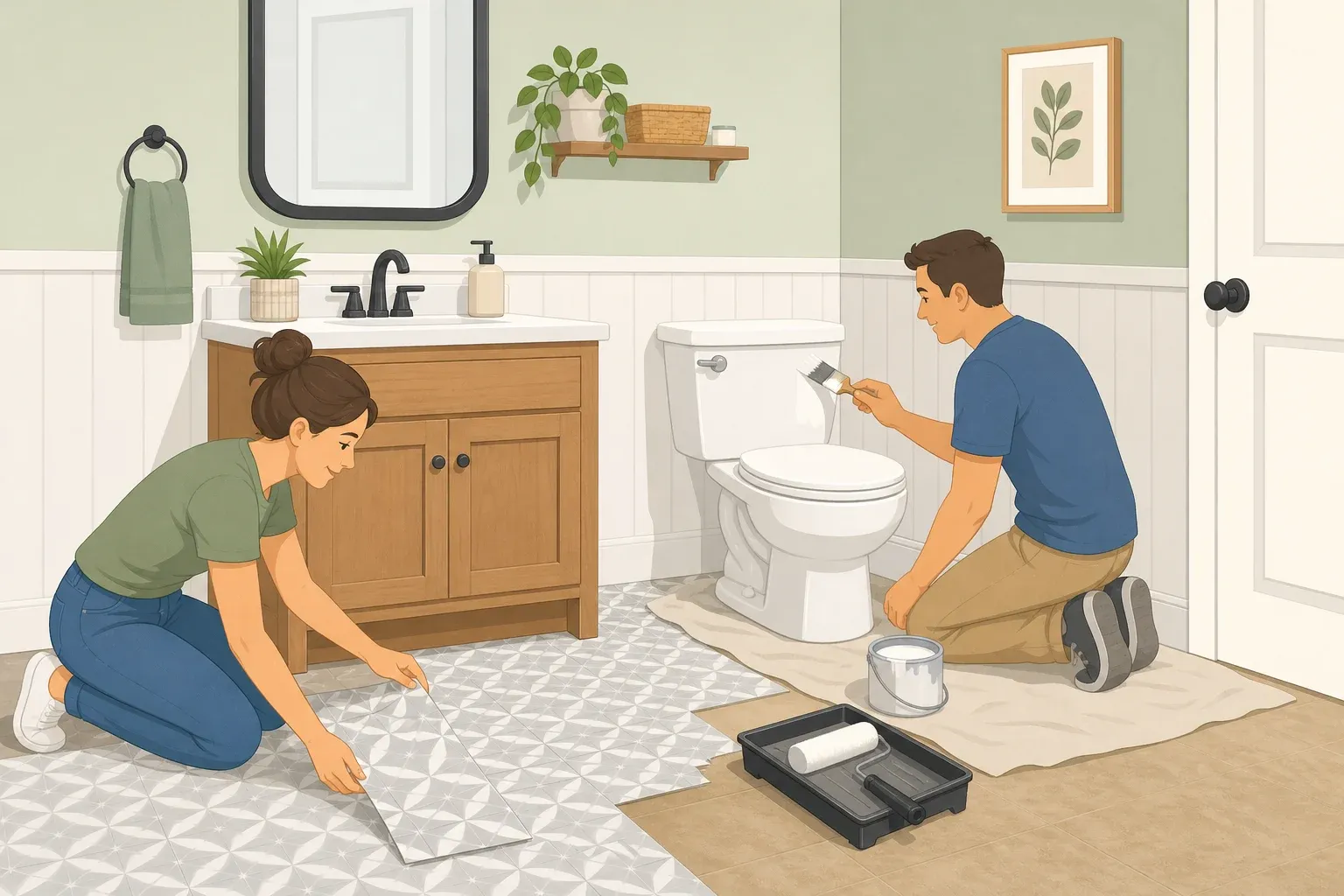
Here's where you want to start: your color palette. This is honestly the fastest way to make your bathroom feel twice as big. Pale tones bounce light around the room like nothing else, instantly creating that airy, open feeling you're after (ReviveWorks). We're talking soft whites, gentle grays, and subtle pastels instead of those bold '90s colors like forest green or burgundy that seem to absorb every bit of available light (Better Homes & Gardens).
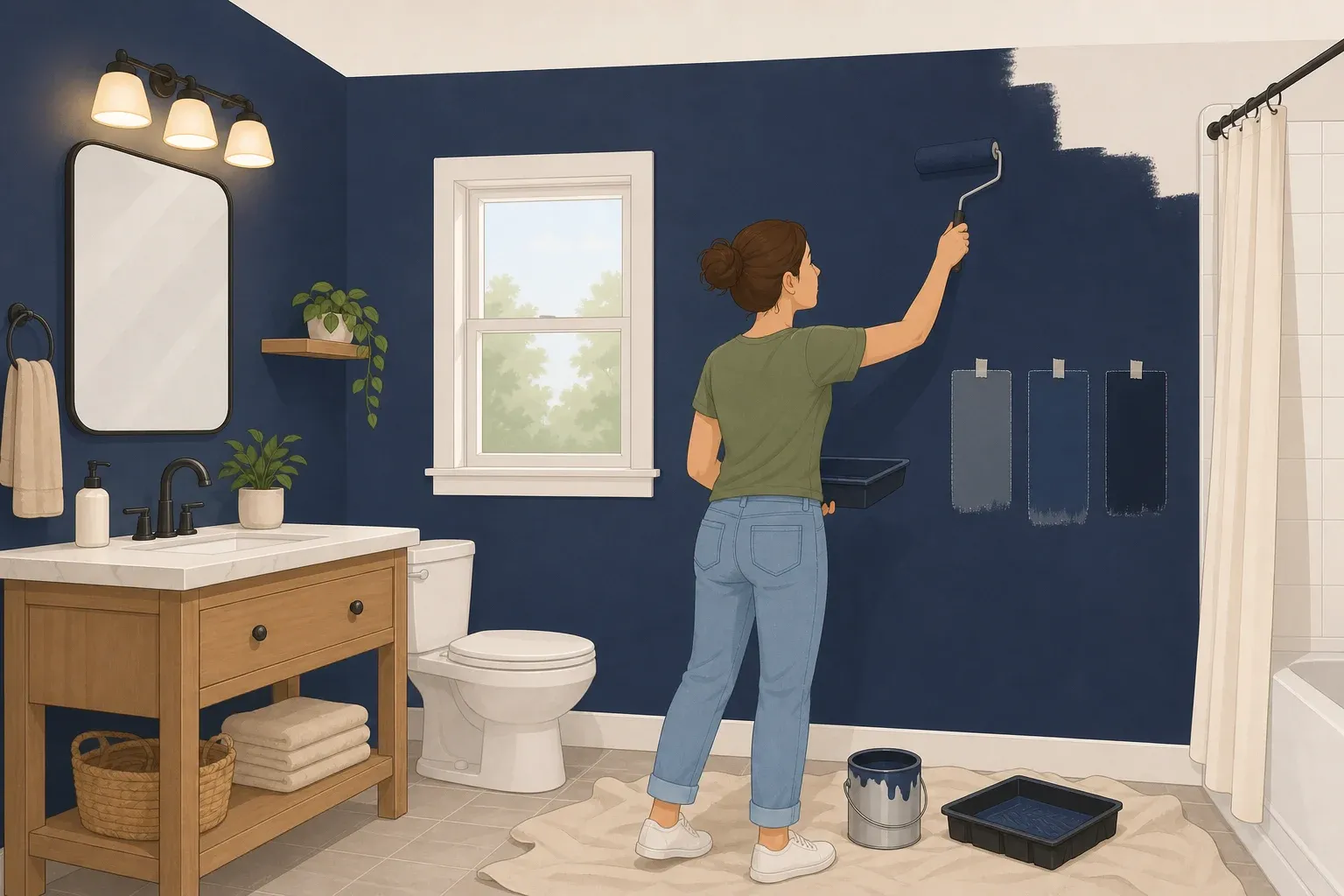
Now here's where most people get it wrong — and this trick will surprise you: paint your ceiling the same shade as your walls, or even go darker (Room for Tuesday). I know, I know — it goes against everything you've heard about white ceilings making rooms feel taller. But when everything flows together without harsh contrasts, your eye doesn't get stopped by visual breaks, so the space reads as larger and more cohesive (Real Simple).
What's even more interesting is that this unified approach works with any color family, not just lights. Deep navy blues, dark burgundies, and rich creams can actually expand visual space when applied consistently throughout the room (Real Simple). The key is avoiding that jarring contrast that chops up the space into smaller visual sections.
Mirrors and glass create visual expansion
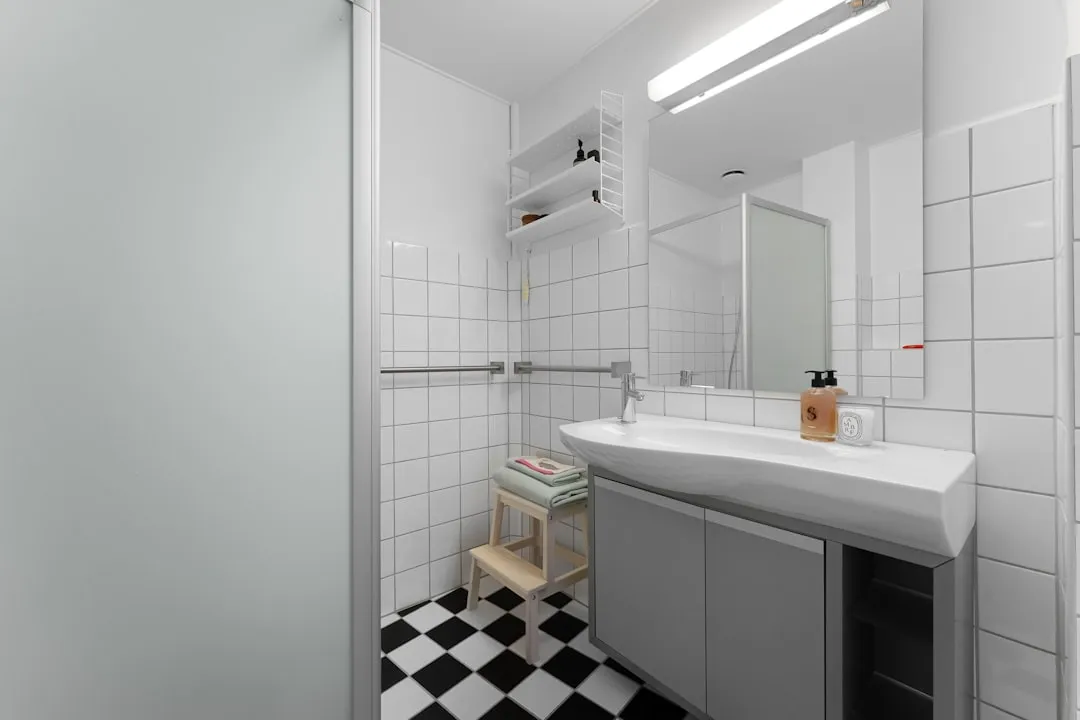
Your mirror strategy can make or break the spacious feel you're going for because mirrors are the only design element that literally doubles your visual square footage by reflecting the entire room back at you (ReviveWorks). That small medicine cabinet has got to go — replace it with one substantial mirror over your vanity that reflects light and visually doubles your space. Frameless options work especially well because they feel cleaner and less cluttered, which helps small bathrooms feel more open (ReviveWorks).
If you're dealing with a shower-tub combo, this next change will blow you away: swap that opaque shower curtain for clear glass panels. Your eye can see through the entire room instead of hitting a visual wall, which opens things up significantly (ReviveWorks). Even if a glass door isn't in the budget right now, try hanging your shower curtain higher — from floor to ceiling rather than just above the tub (Room for Tuesday). It's a simple change that creates the illusion of height and makes your walls appear taller.
You might be wondering about privacy with all this glass, but here's the thing: clear glass actually makes the space feel less cramped while still providing the privacy you need when the curtain or door is closed.
Floating fixtures free up floor space
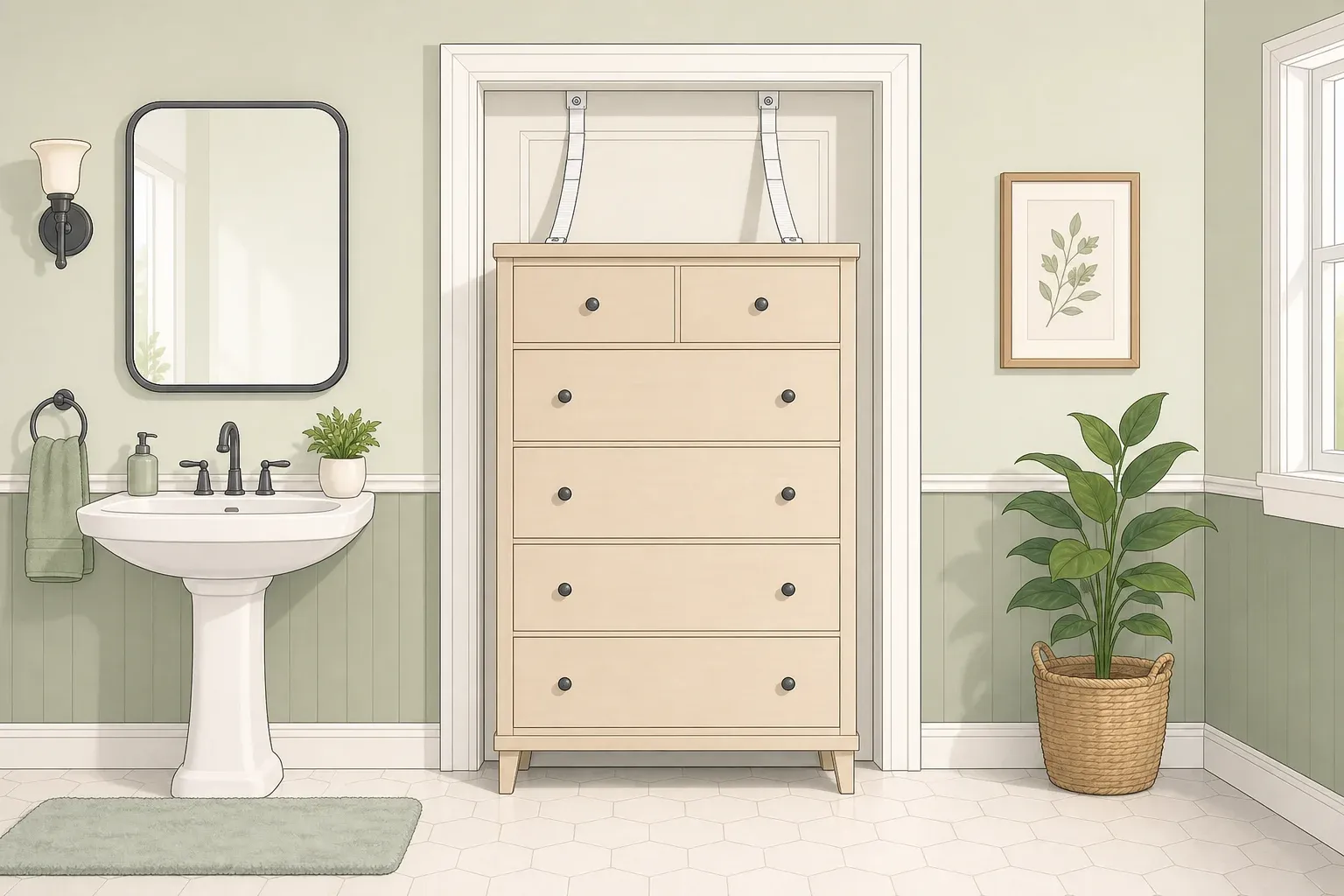
While glass creates visual flow, your next biggest win comes from what touches the floor — or rather, what doesn't. Wall-mounted vanities expose more floor area, which instantly makes the room feel larger (ReviveWorks). When you can see the floor extending under the sink, it creates a sense of openness that bulky floor-mounted cabinets just can't match (Real Simple).
Wall-mounted faucets amplify this effect by freeing up precious counter space and creating cleaner lines that make the whole vanity area feel less cluttered (Better Homes & Gardens). Even small changes like switching to wall-mounted towel bars or hooks instead of floor-standing accessories help maintain that uncluttered, spacious feeling while keeping essential storage accessible.
The great thing about floating fixtures is that they also make cleaning easier — no more awkward maneuvering around cabinet legs or trying to mop behind a pedestal sink base.
Smart storage keeps surfaces clear
This storage principle amplifies the floating fixture strategy — when surfaces stay clear, that exposed floor space you've created stays visible and impactful. Built-in storage solutions become your best friend because they keep essentials accessible without adding visual bulk (ReviveWorks). Think recessed medicine cabinets that sit flush with the wall, shower niches carved right into the tile, and hidden shelving that doesn't intrude into the room.
These built-ins make the space feel calmer and more organized because everything has a designated spot that doesn't compete with your carefully exposed floor space (ReviveWorks). If built-ins aren't in your budget right now, focus on vertical storage solutions and keep counters as clear as humanly possible. Surface clutter eats up the visual openness you've worked so hard to create (ReviveWorks).
A simple trick: store daily essentials in attractive containers that can sit inside cabinets or on one dedicated shelf, rather than scattered across multiple surfaces.
Lighting layers brighten every corner
Smart storage eliminates surface clutter, but strategic lighting ensures every cleared surface and open space gets properly showcased. Instead of relying on that one harsh overhead fixture, create layers with vanity lights, recessed lighting, and even accent lighting if you can swing it (ReviveWorks). This even distribution eliminates those dark corners that make spaces feel smaller and more closed-in (Room for Tuesday).
Here's something that makes a bigger difference than you'd expect: choose chrome or other reflective finishes for your hardware. They help bounce your layered lighting around the room, creating that bright, airy feeling that makes spaces seem larger (Real Simple). When your mirror reflects this amplified lighting back into the room, you get a compounding effect that maximizes every photon.
Tile and flooring tricks that expand space
Your flooring choice dramatically affects how large your bathroom feels, especially when it supports your unified color approach. Large-format tiles create fewer grout lines, which makes the floor read as one continuous surface rather than a busy, chopped-up pattern (Better Homes & Gardens). Using the same flooring throughout the entire bathroom — rather than different materials in different zones — helps the space feel unified and larger (ReviveWorks).
For wall tile, consider running it from floor to ceiling, especially in the shower area. This draws the eye upward and creates the illusion of height while supporting your cohesive color strategy (ReviveWorks). Vertical tile patterns work the same way — they make your ceilings appear taller than they actually are (Room for Tuesday).
What's really clever is using large-format tiles in light or neutral tones, which multiplies the spacious effect — minimal grout lines eliminate visual interruption while pale colors reflect the layered lighting you've installed, creating a seamless flow from your flooring to your wall color to your ceiling treatment (ReviveWorks).
Your bigger bathroom awaits
Small bathrooms don't have to feel like phone booths. With strategic design choices that work together — light reflection amplifying mirror effects, floating fixtures showcasing clear surfaces, and unified materials supporting consistent lighting — you can transform even the most cramped '90s bathroom into a space that feels surprisingly spacious (ReviveWorks). The key is understanding how each element supports the others rather than treating them as isolated techniques.
Start with paint and a large mirror to establish your light-reflecting foundation, then work your way up to floating fixtures and layered lighting. When these strategies compound, you'll be amazed at how much bigger your bathroom can feel with just a few thoughtful changes that don't require moving a single wall or major construction. Sometimes the most dramatic transformations come from understanding how space, light, and visual flow work together to fool the eye into seeing possibilities instead of limitations.

Comments
Be the first, drop a comment!