



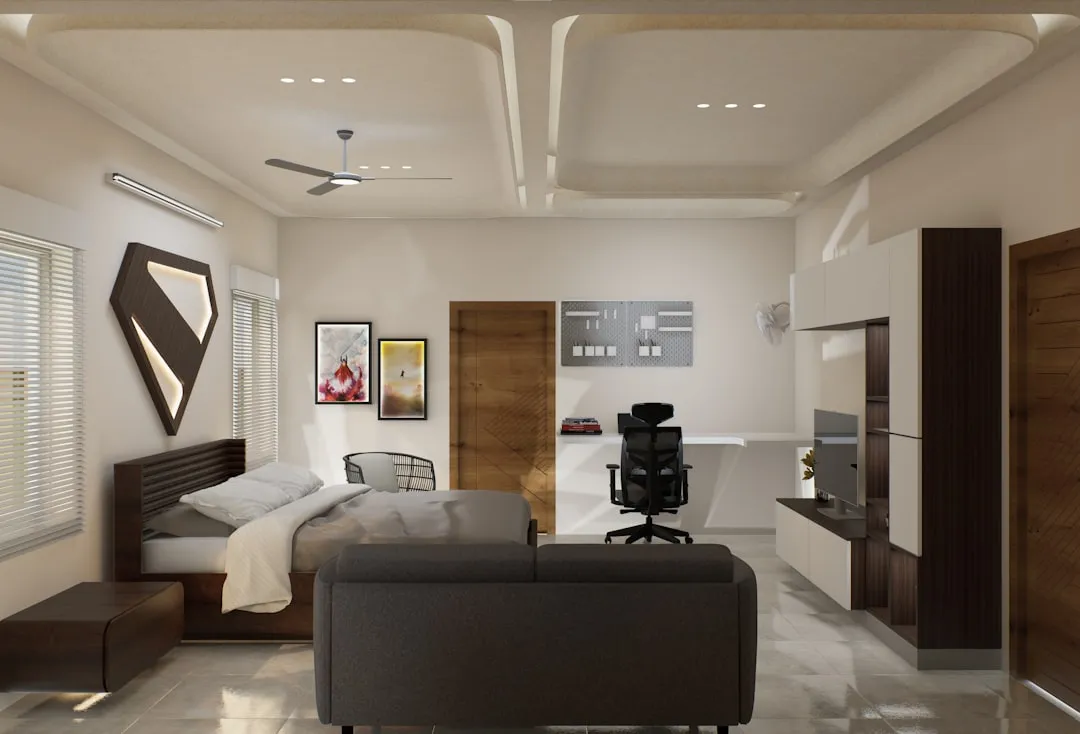
Mix Different Interior Design Styles Like a Pro: Your Step-by-Step Guide
Difficulty: Novice
Time: 2-3 hours per room
Cost: $50-500+ (depending on new pieces needed)
Why You'll Like This
Ever walked into a space that felt perfectly put-together, only to realize it wasn't following any single design "rule book"? That's because combining different interior design styles effectively separates truly dynamic spaces from cookie-cutter rooms. Professional designers know that blending aesthetics creates environments that feel both curated and personal (Adina Interiors). The current design landscape has shifted dramatically—according to Havenly, 2024 is all about mixing and matching pieces from different eras and philosophies rather than sticking to one signature style. Most successful mixed-style interiors combine traditional warmth with modern functionality (Adina Interiors). Here's your step-by-step guide to creating cohesive, professional-looking spaces that blend multiple design styles without the chaos.
What You'll Need
Materials
- Measuring tape (25 ft minimum)
- Smartphone or camera for documentation
- Notebook and pen for tracking elements
- Color swatches or paint samples
- Masking tape for layout planning
Tools
- Level (2-4 ft recommended)
- Basic toolkit (screwdriver, hammer)
- Furniture sliders for rearranging
- Step ladder for hanging items
Safety First
- Adult supervision required when using ladders or power tools
- Test wall anchors' weight capacity before hanging heavy items
- Keep walkways clear when rearranging furniture
- Lift heavy pieces with proper technique—bend knees, not back
Steps
1. Establish your 80/20 foundation by counting major pieces.
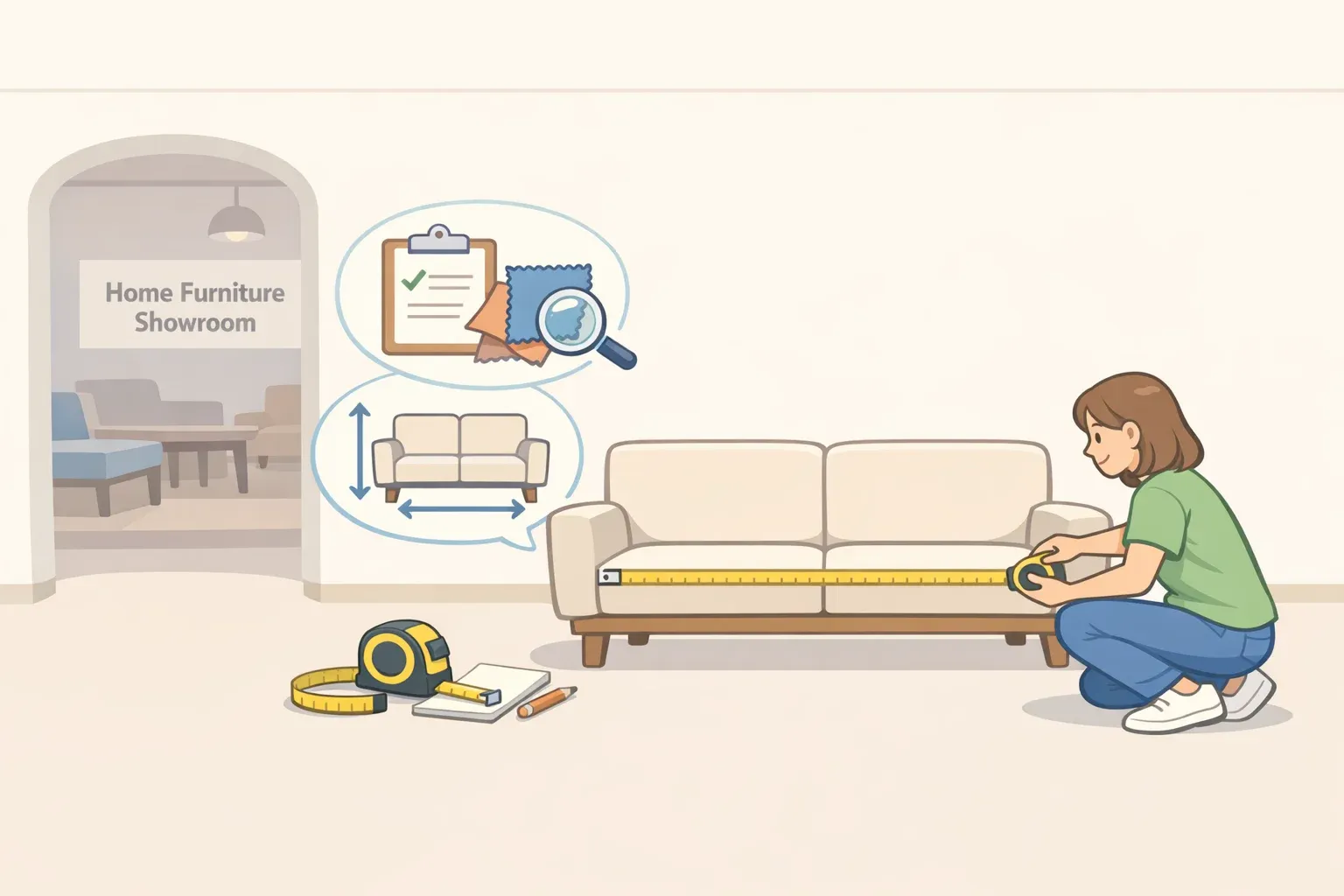
Start by cataloging your five largest furniture items in the room. If four out of five pieces share similar characteristics (materials, lines, or era), that's your dominant 80% style (Adina Interiors). Tip: Take photos of each piece to see patterns more clearly.
Professional designers rely on proportion rules because they prevent visual overwhelm while maintaining interest. Think of your main style as the lead character in a story, with supporting styles playing crucial but smaller roles (Hey There Home). Choose updated classic styles for big-ticket items since they create beautiful foundations for layering other styles you love (Stone Gable Blog).
- Create your unifying color palette using the rule of three. Select three core colors that appear in both your dominant and accent styles. Use masking tape to mark these colors on existing pieces—you should find each color repeated at least twice throughout the room (Stone Gable Blog). Note: Modern neutrals include earth tones, moody browns, soft blues, deep greens, and warm greiges (Well by Design).
Color acts as your secret weapon for unifying disparate styles seamlessly. Establishing a cohesive color palette creates deliberate connections between different elements (Adina Interiors). Neutral surfaces provide excellent foundations for nervous style-mixers because they enhance surrounding pieces rather than competing with them (Better Homes & Gardens).
- Apply the material repetition check to build visual rhythm. Walk through your space and count how many times each material appears—wood, metal, glass, fabric textures. Aim for each material to show up in at least three locations using different sized pieces (Stone Gable Blog). If missing: Add smaller accessories like picture frames, lamp bases, or decorative objects to complete the pattern.
By repeating elements like colors, materials, or motifs across various pieces, you create visual threads that tie rooms together beautifully. This technique works because it helps unify spaces while making them feel warm and welcoming (Stone Gable Blog).
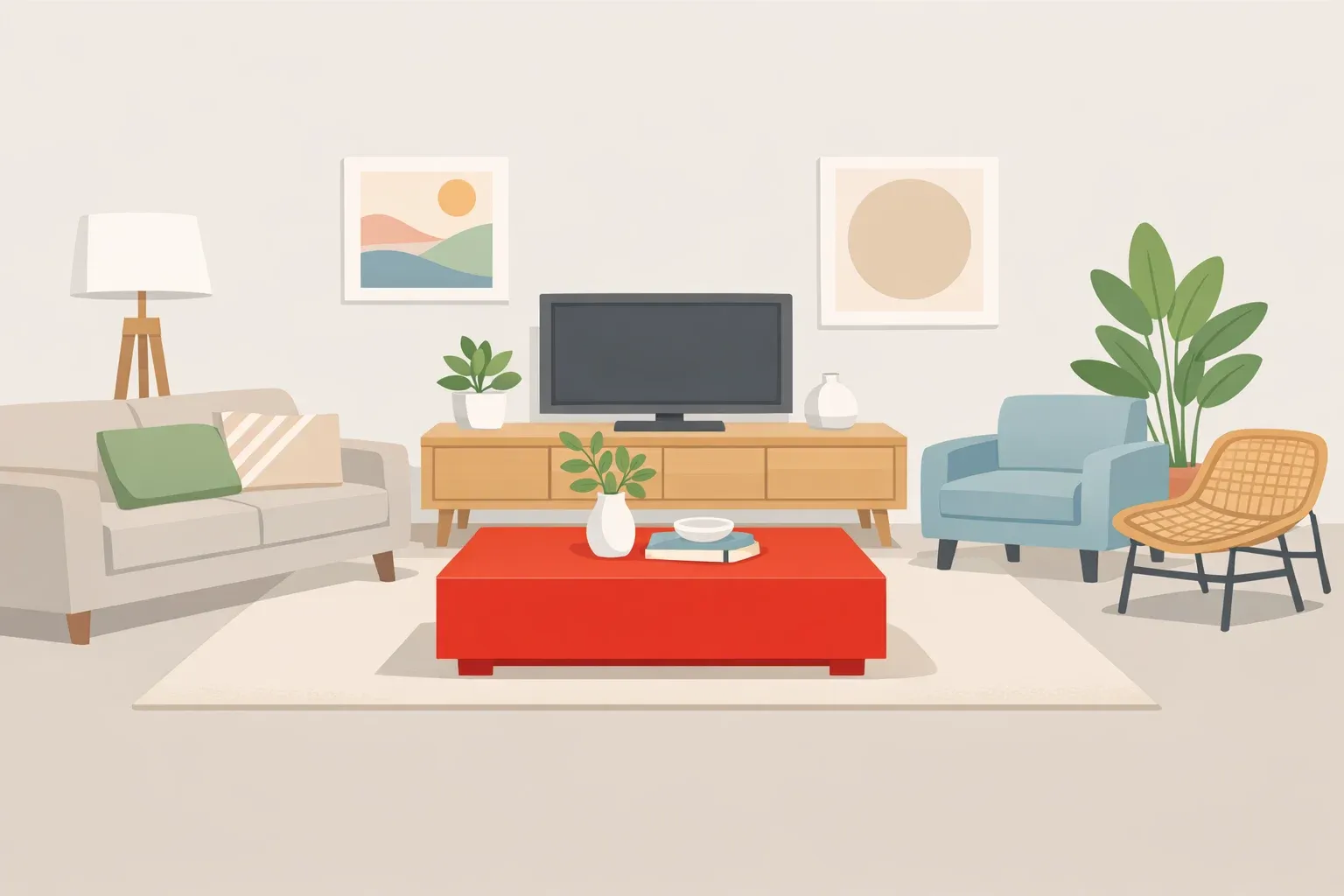
- Perform the statement piece audit to prevent visual competition. Identify items that demand attention—large artwork, bold patterns, unusual shapes, or bright colors. Limit yourself to one or two hero pieces per room, with everything else playing supporting roles (Adina Interiors). Problem: Too many bold items? Fix: Move extras to other rooms or store for seasonal rotation.
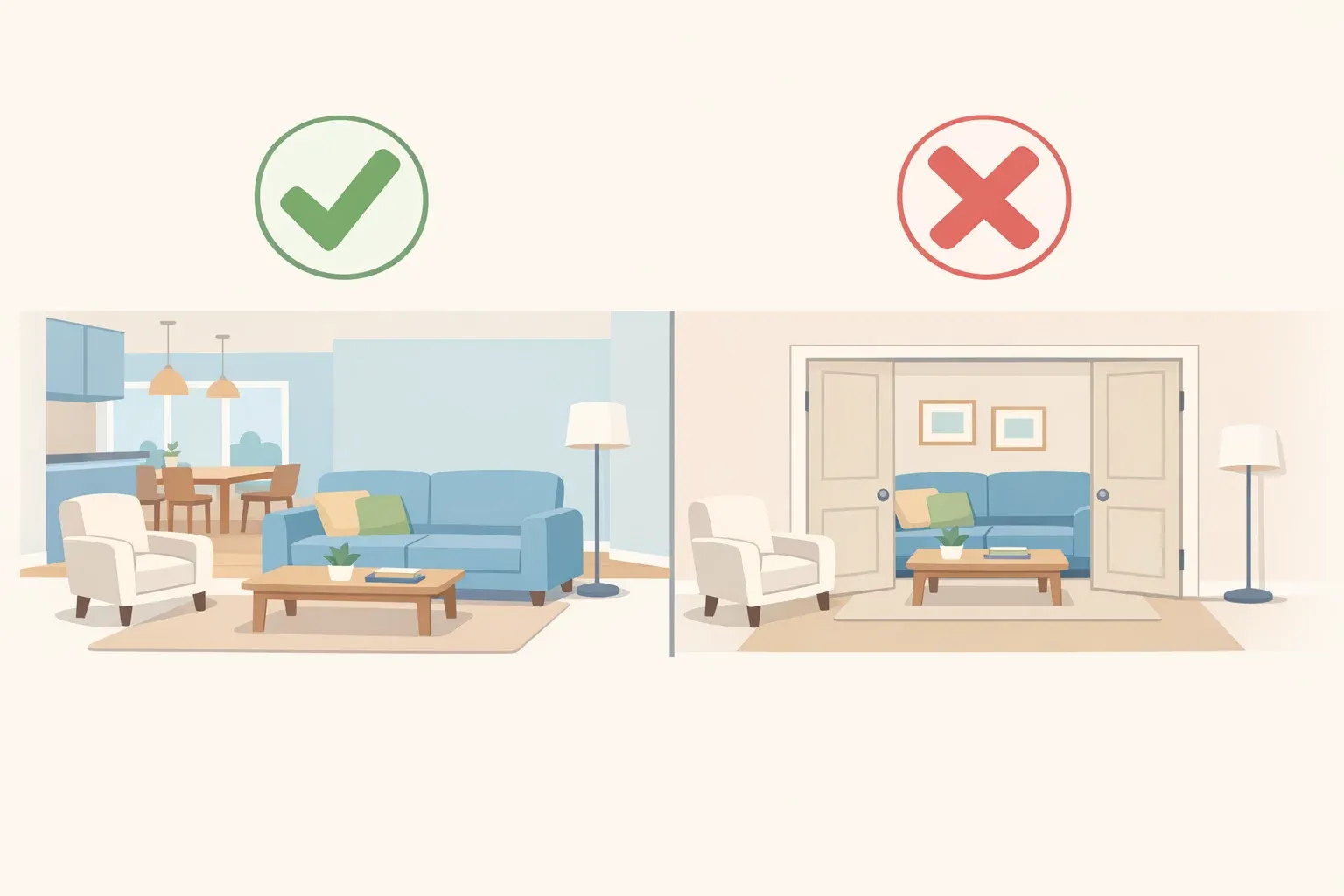
The biggest mistake isn't style clashing—it's having too many statement pieces competing for attention. Scale matters more than style—pieces should suit your room's proportions regardless of their aesthetic category (Adina Interiors). Breathing room or negative space allows different styles to coexist peacefully without overwhelming your senses (Adina Interiors).
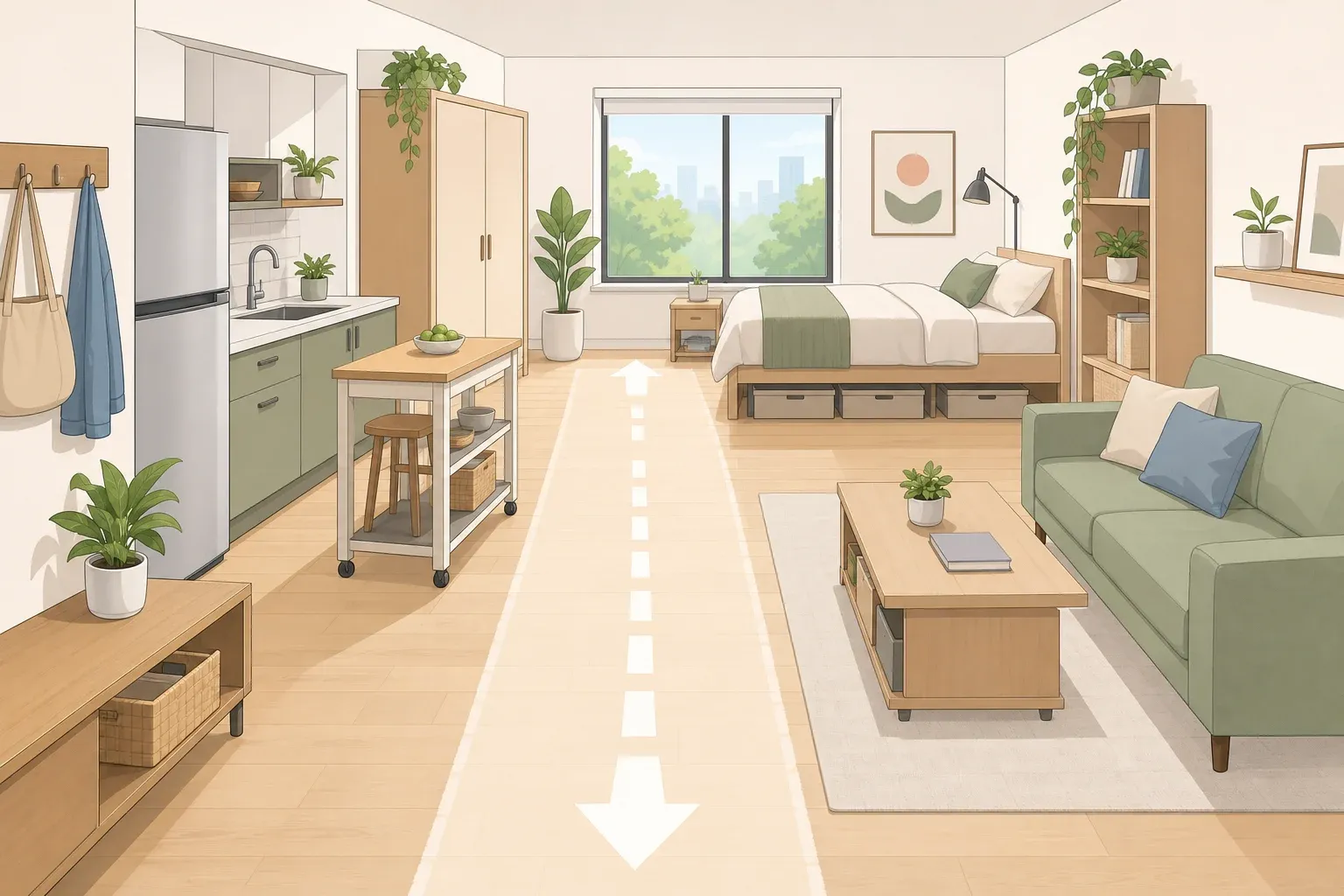
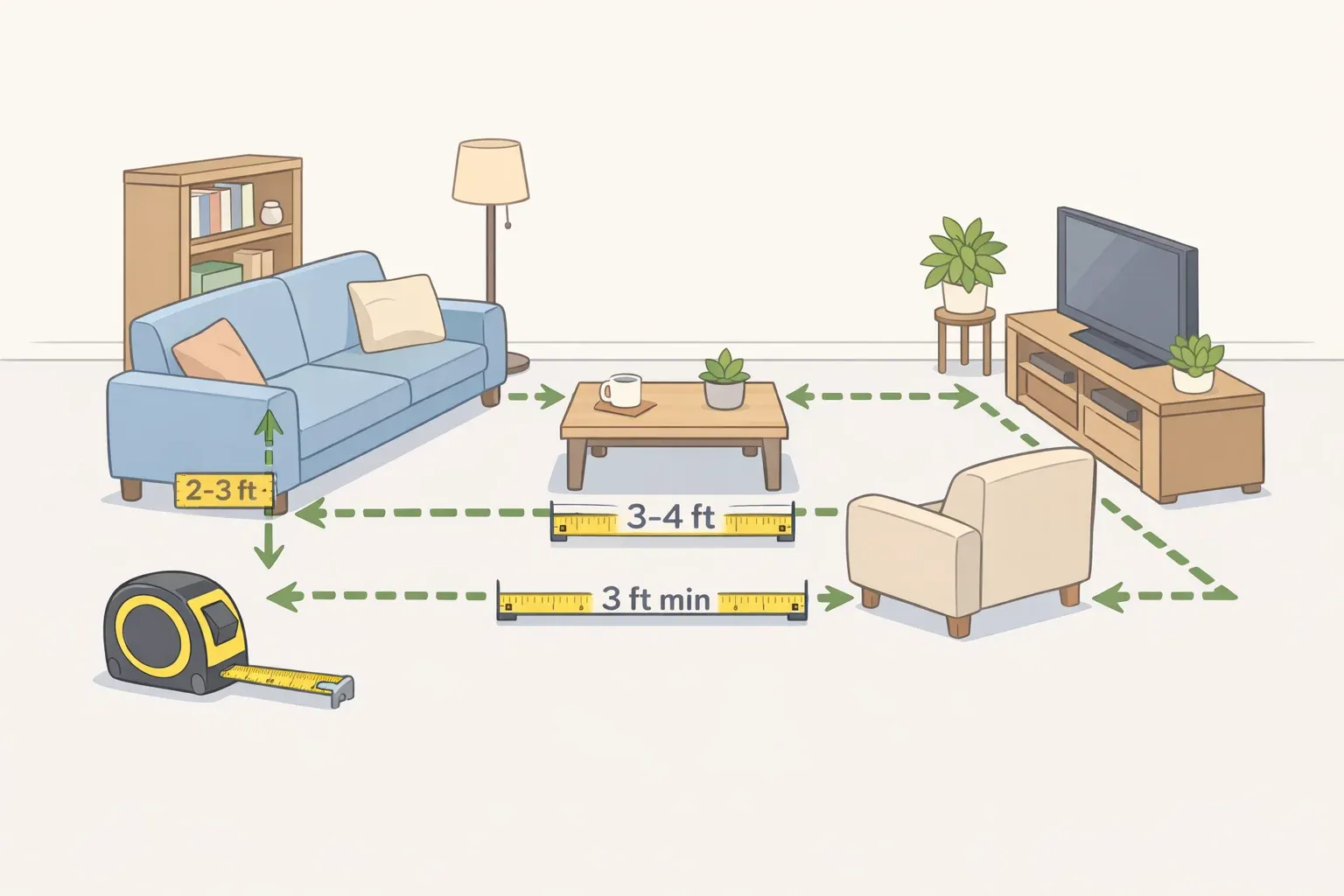
- Measure and optimize your negative space for proper balance. Calculate your room's square footage, then ensure 30-40% remains as open floor space when mixing multiple styles. Use your measuring tape to verify walkways are at least 36 inches wide. Tip: Mark furniture footprints with masking tape before moving pieces to test new layouts.
When furniture and decor items maintain proper scale relationships, spaces feel balanced and comfortable with nothing dominating excessively (Stone Gable Blog).
- Deploy accessories as style bridges using strategic placement. Place three similar accessories (same color, material, or theme) in different areas of the room to create visual triangulation. These could be pillows, vases, books, or small decorative objects (Stone Gable Blog). Why it works: Your eye naturally follows these repeated elements, creating a sense of intentional design flow.
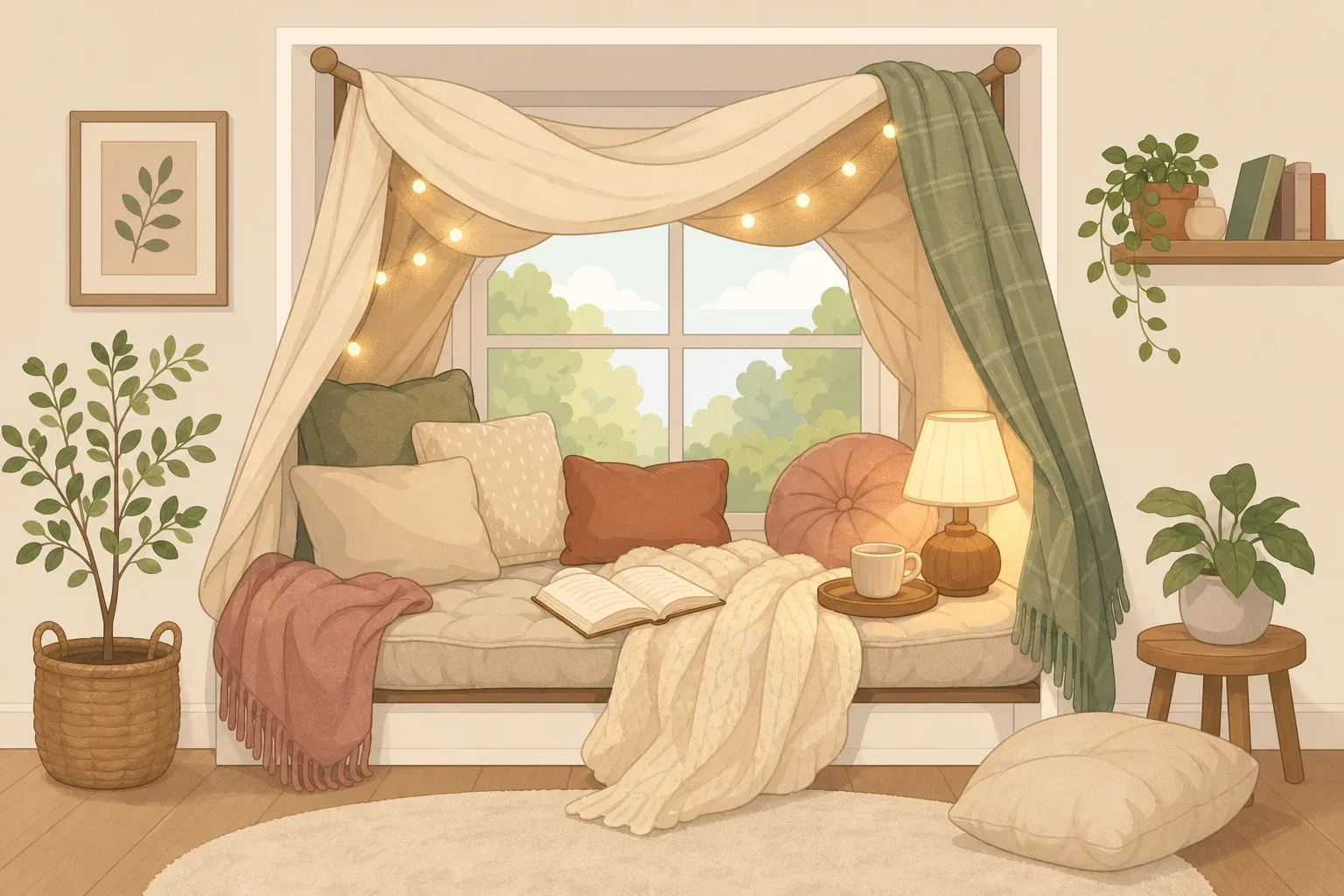
Pillows act as decorating secret weapons for seamlessly blending various styles. With their ability to introduce new colors, textures, and patterns, pillows can effortlessly unite different decor approaches (Stone Gable Blog). Area rugs, artwork, lighting fixtures, mirrors, and curtains can effectively bridge decorating styles similar to how pillows work (Stone Gable Blog).
- Test your lighting at different times to ensure style cohesion. Check how your mixed styles look under morning natural light, afternoon sun, and evening artificial light. Adjust lamp placement and bulb warmth as needed—mixed styles need consistent lighting to feel unified. Note: Warm white bulbs (2700K-3000K) work best for blending traditional and modern elements.
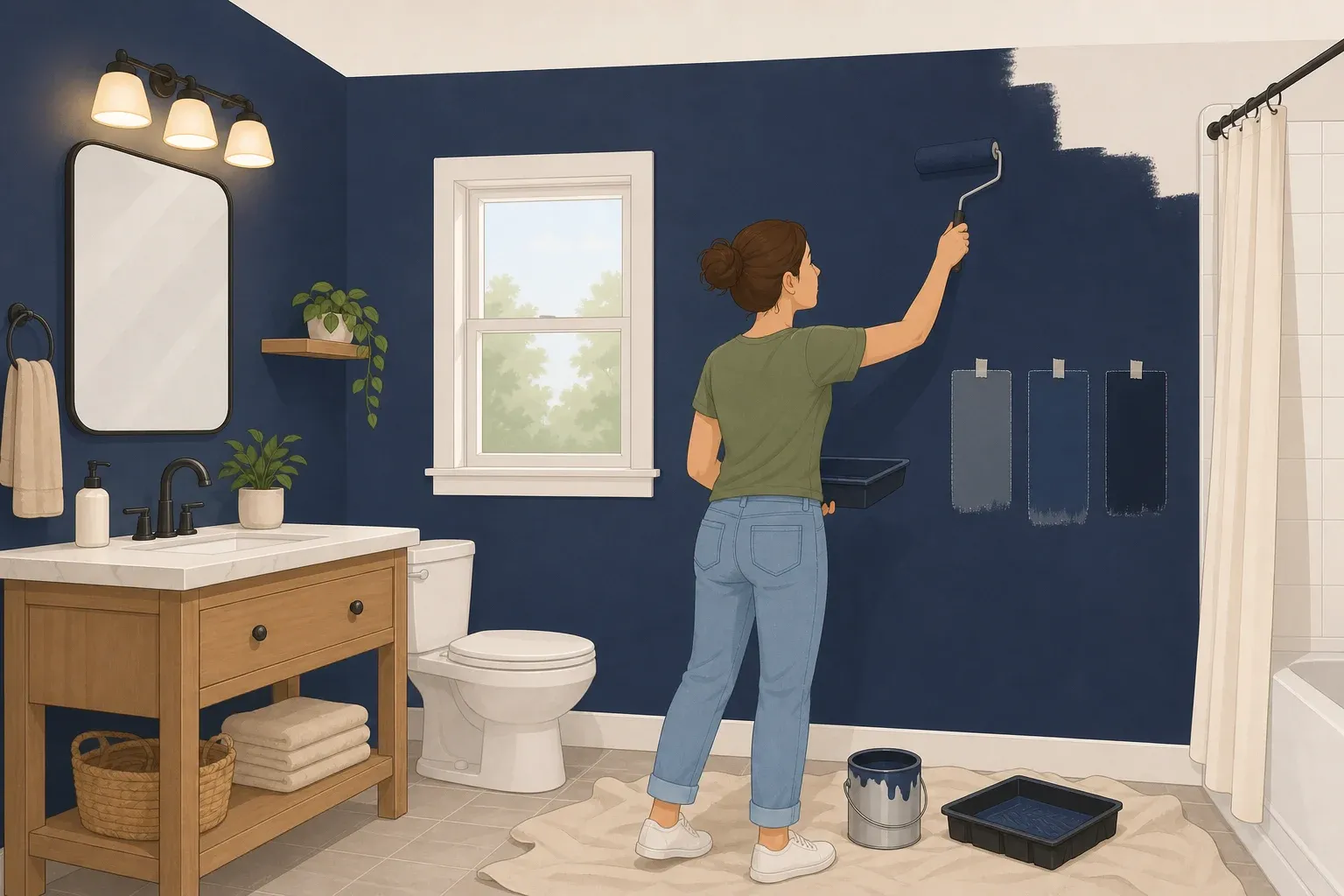
Start with neutral backdrops that make blending different styles easier without overwhelming your space (Well by Design). Layer bolder hues through accent pieces to bring personality without commitment (Well by Design).
Cleanup & Disposal
- Store displaced accessories in labeled boxes for future room updates
- Keep paint swatches and fabric samples in a folder for reference
- Clean furniture sliders and store tools in designated spots
- Photograph your finished room from multiple angles to document successful combinations
Troubleshooting
Problem: Room feels cluttered despite following rules → Fix: Remove 20% of decorative items and reassess—sometimes less truly is more
Problem: Styles still look disconnected → Fix: Add one more repeated element (color, texture, or shape) to bridge the gap
Problem: Space feels too neutral and boring → Fix: Increase your accent style percentage from 20% to 30%, but keep one dominant style
Variations & Upgrades
- Budget-friendly start: Begin with pillows, throws, and small accessories before investing in major furniture
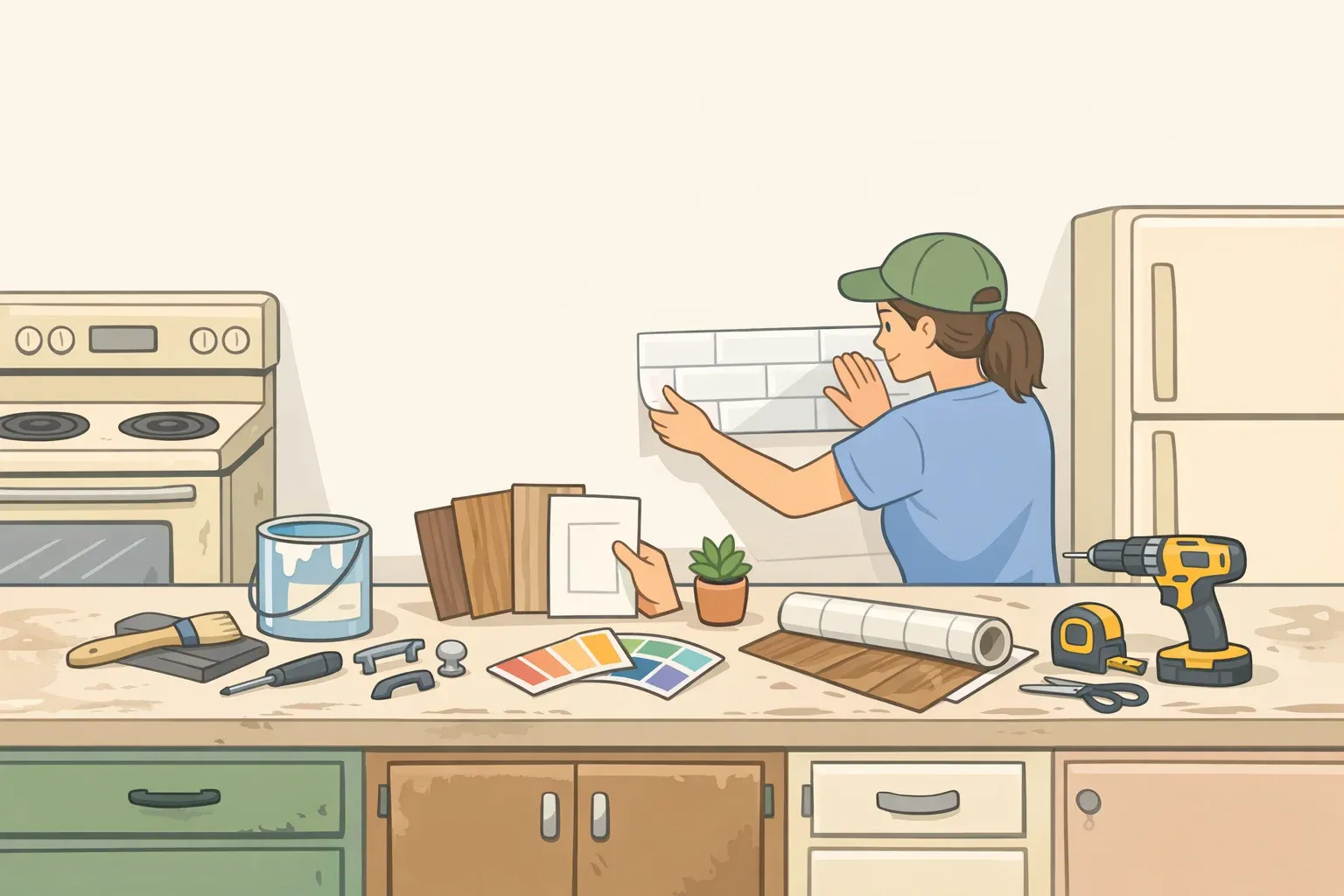
- Renter-safe approach: Focus on removable elements like artwork, rugs, and portable lighting rather than built-ins
- Advanced technique: Add a third accent style at 10% for more sophisticated layering once you master the basic 80/20 rule
Why This Works
Professional designers use proportion rules because they mirror how our brains process visual information. The dominant style provides familiarity and comfort, while accent styles add the unexpected elements that create interest and personality. This approach prevents the overwhelm that happens when too many styles compete equally for attention.
Building Your Style Confidence
Trust your instincts while educating them with information about what draws you to spaces you love (Adina Interiors). Creating mood boards helps identify patterns and preferences in mixed-style living (Adina Interiors). Document your successful combinations with photos—this creates your personal style playbook for future rooms.
Focus on creating environments that feel curated, harmonious, and uniquely yours (Well by Design). Your home should feel lived-in, collected, and layered over time rather than perfectly coordinated (Well by Design). It's about curating spaces that reflect your personality, history, and the things you love most (Well by Design).
Remember that your space can evolve over time—small adjustments like rearranging furniture or swapping cushions accommodate new pieces naturally (Adina Interiors).
Ready to Create Your Perfectly Imperfect Space?
Successful style mixing comes down to balance, repetition, and giving your pieces room to breathe. Start with the 80/20 rule, establish your color bridges, and remember that the goal isn't perfection—it's personality. Your space should tell your story while functioning beautifully for daily life. Take it one room at a time, trust the process, and don't be afraid to experiment. After all, the most interesting homes are the ones that feel authentically lived-in rather than straight from a catalog.

Comments
Be the first, drop a comment!