



Book Storage Ideas for Small Spaces: 18 Smart Picks
Running out of shelf space doesn't mean giving up on your book collection. Often the problem isn't how much storage you actually have, it's where you've been looking for it. Switch from scanning the floor to scanning wall height, dead corners, and the space above doors, and you may have more usable storage than you think. That shift is the organizing principle behind the book storage ideas for small spaces in this guide.
In an IKEA small-home project, interior designer Joseph Abbott chose storage pieces that took full advantage of vertical space, including an unconventional hallway spot for BILLY bookcases, according to IKEA Ireland. The project pushes back on the idea that small-space living forces a choice between paring down belongings and living with clutter, per IKEA Ireland.
Measure your available wall and floor space, decide which books need to stay within reach, and choose from the four groups below: wall-mounted picks that skip the floor, furniture worth the floor footprint it uses, overlooked zones like hallways and alcoves, and concealed storage for overflow. Pick one or two that fit your layout rather than trying to use all of them at once.
What you'll need before you start
- A tape measure
- The mounting instructions for any shelf or hardware you're considering, plus a way to confirm what's behind your wall: stud, plaster, drywall, brick, or a stud-less partition
- A rough count of books you want on display versus boxed away
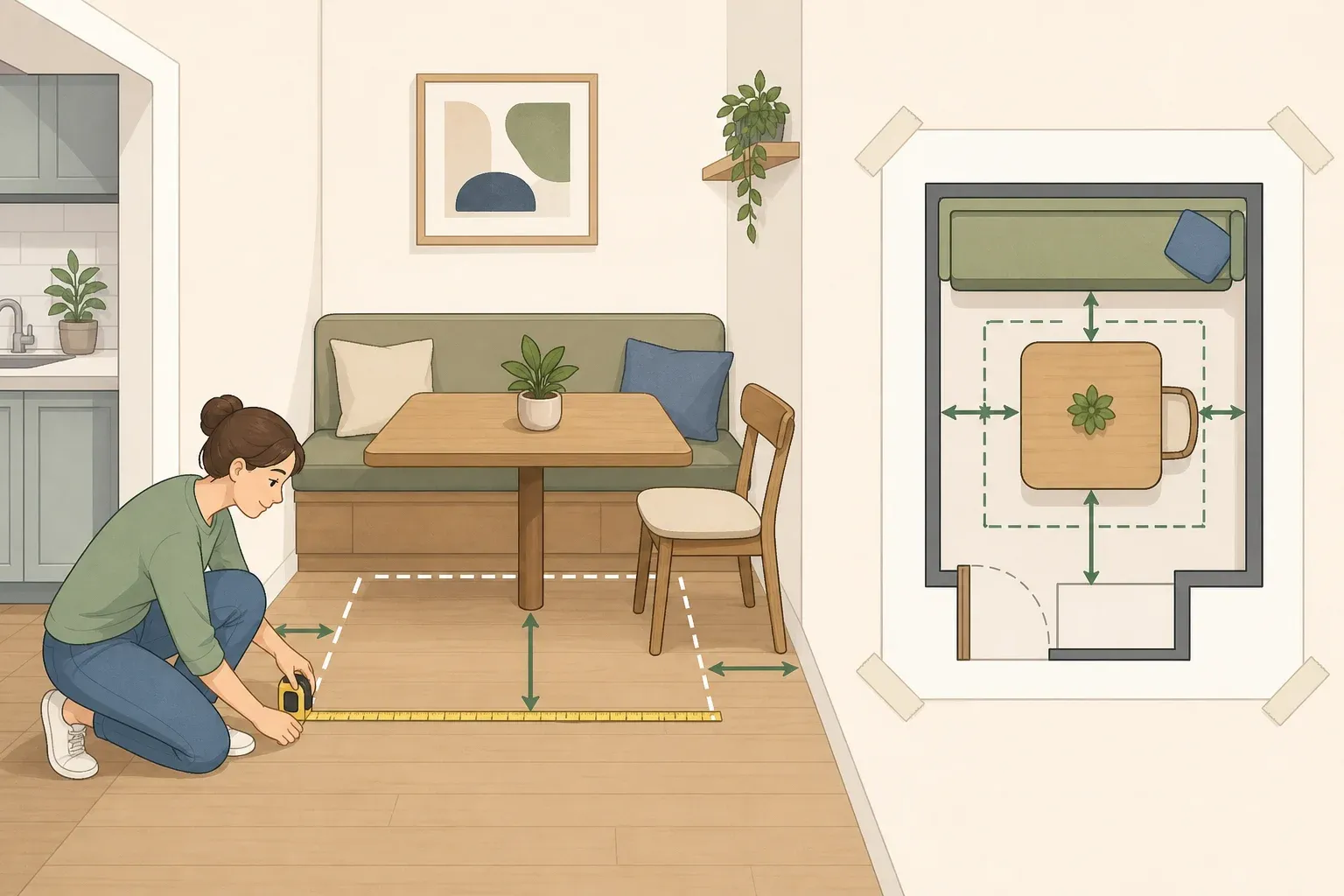
- The dimensions of any hallway, alcove, or wall you're considering
Not every idea here takes the same amount of effort:
- Simple placement, no installation: bins, ottomans, cabinets, under-bed boxes
- Beginner install, product-specific hardware: floating shelves, cube shelves, over-door organizers
- Advanced or professional install: built-ins, custom alcove inserts, stairwell shelving
For anything wall-mounted, identify the wall material before you buy hardware. Use the shelf maker's recommended anchors and weight rating for that specific wall type, and follow the instructions that came with the product rather than guessing. If the instructions don't cover your wall type, or you rent and can't drill into it, choose a freestanding or low, wide piece instead, or check with a building manager about what's allowed.
Assess your space and pick a direction
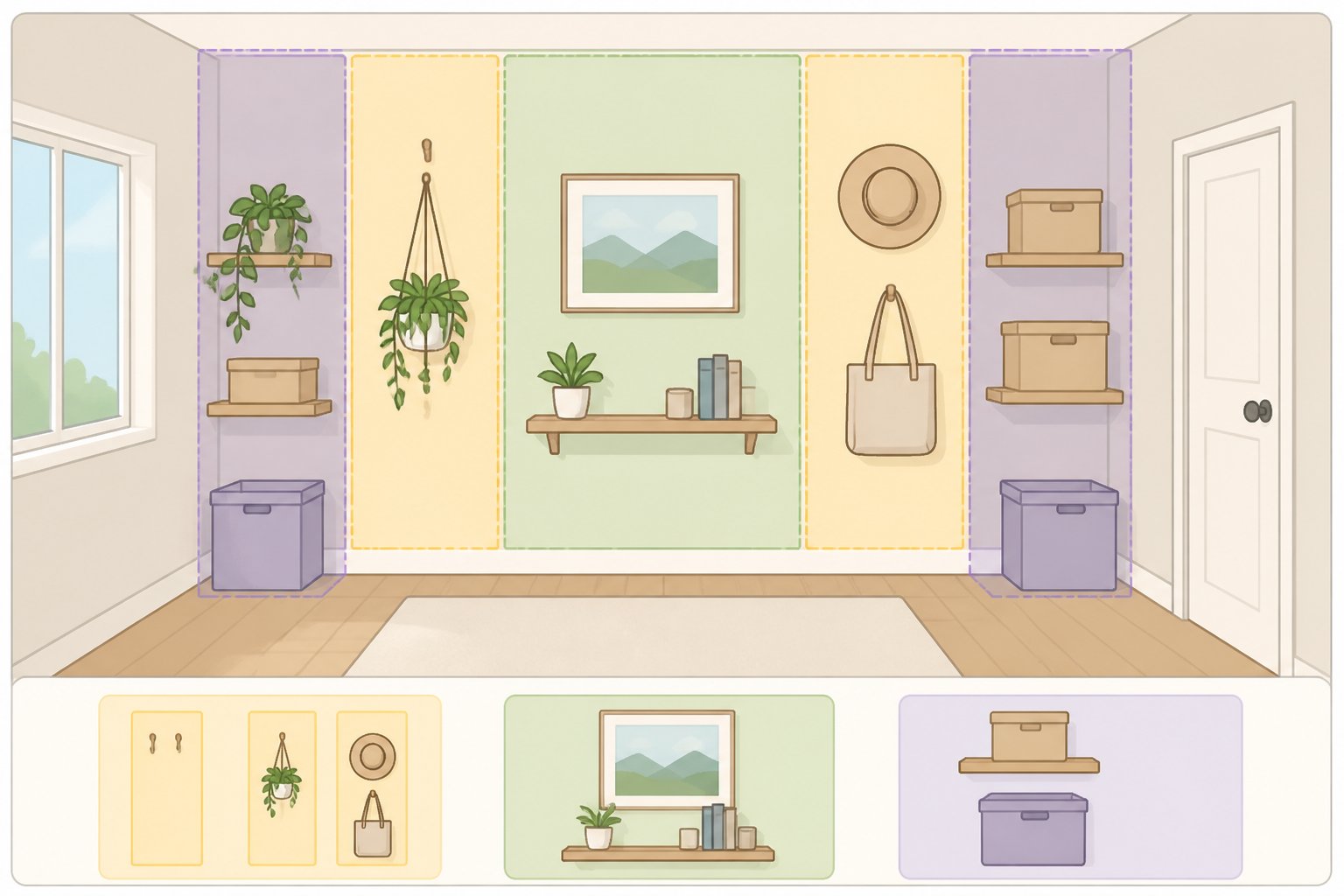
Choose wall-mounted storage if you have clear, unobstructed wall height. Choose furniture-based storage if you have floor footprint to spare and want a piece that pulls double duty. Choose an overlooked zone if a hallway, alcove, or dead wall is sitting unused. Choose concealed or styled storage if the real problem isn't a lack of space but a shelf that looks chaotic.
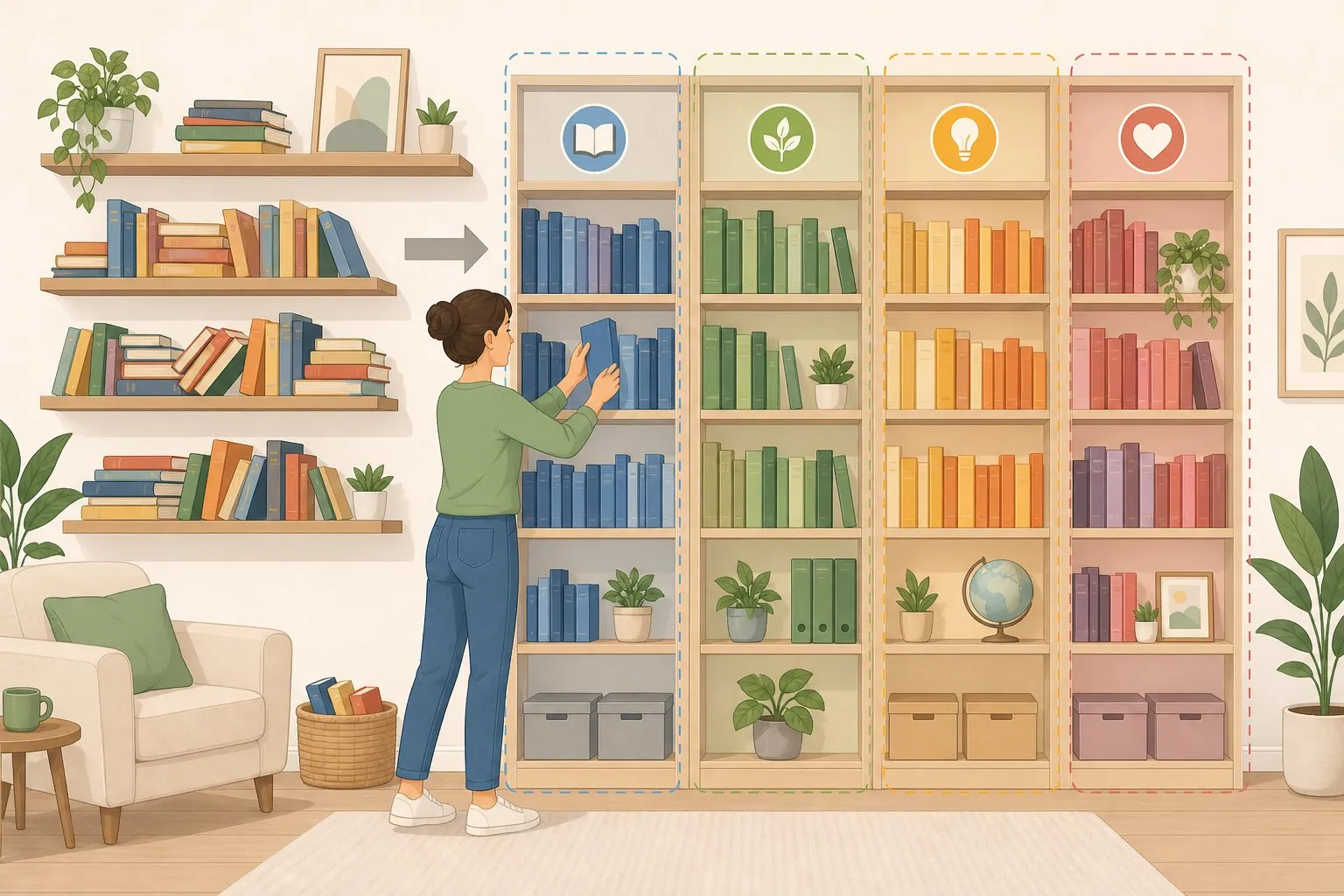
Before picking an idea, decide what gets displayed and what gets boxed. Abbott recommends being "super selective" about what appears on open shelving and organizing it by color, material, finish, or pattern, according to IKEA Ireland. This guide covers ordinary shelf-mounting and furniture placement; structural changes, built-ins into load-bearing walls, or anything near electrical or plumbing lines belongs with a contractor.
Wall-mounted book storage ideas for small spaces
1. Floating wall shelves. Best for empty wall space above a desk, sofa, or dresser. Shallow decorative ledges and deeper utility shelves carry different weight ratings, so check the maker's rating for your specific shelf before loading it up. Install it according to the manual, then load it only within the stated capacity. If it flexes or starts pulling away from the wall, unload it and recheck the hardware against your wall type before using it again.
2. A shelf above a doorway. Useful in a small apartment when the walls are already occupied by furniture, windows, or doors. This spot often sits close to the door's structural framing, so follow the product's mounting instructions for your specific wall and header type rather than assuming drywall anchors alone will hold. Use a step stool to confirm the shelf sits level and doesn't wobble before loading it.
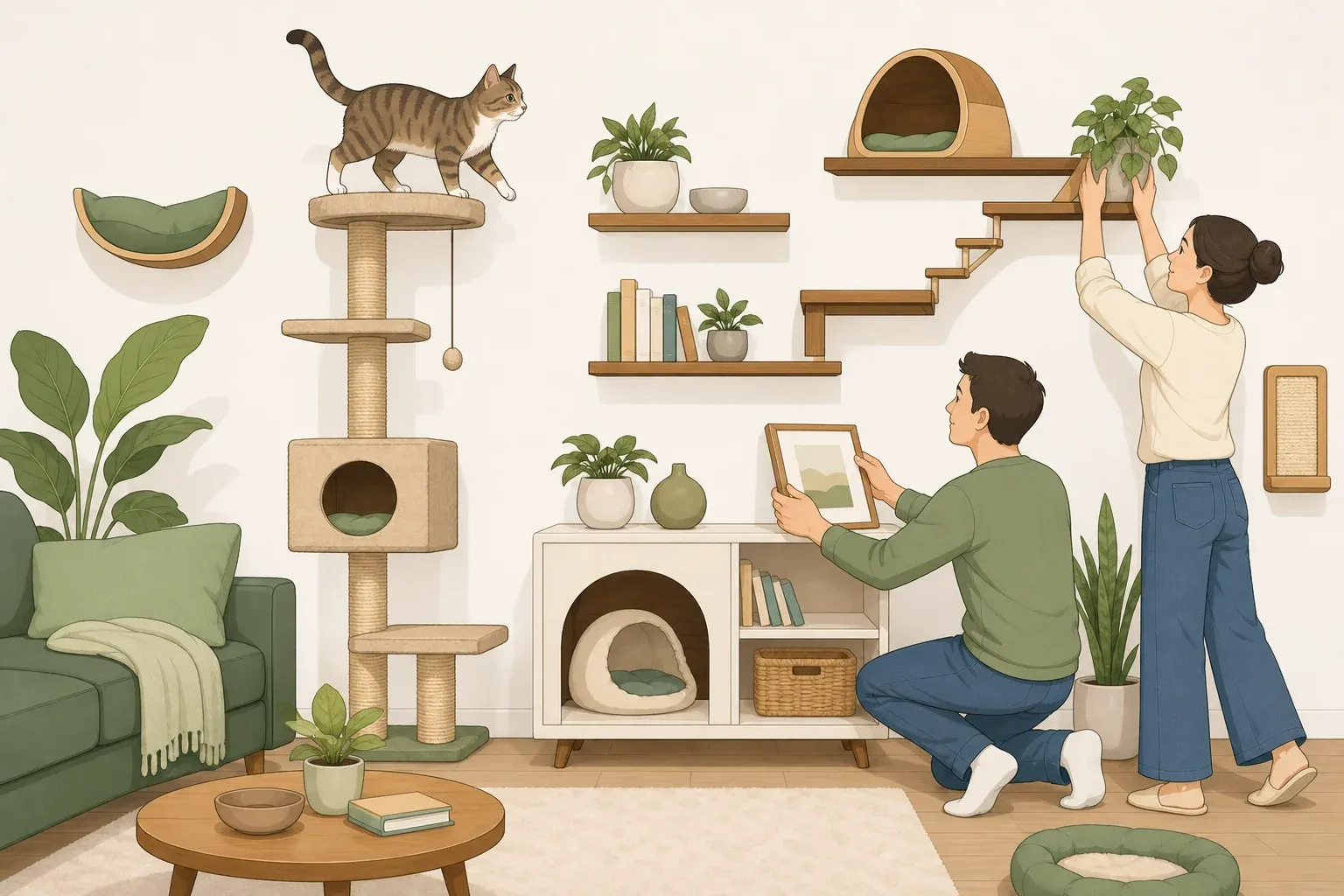
3. Salon-style stacked ledge shelves. A few shallow ledges stacked above each other suit a reading nook, since books can face out cover-first instead of spine-out. These are display shelves, not heavy-duty storage, so don't expect a full row of hardcovers to hold. Space the ledges with enough vertical gap for your tallest books to stand upright, or you'll be stuck with paperbacks only.
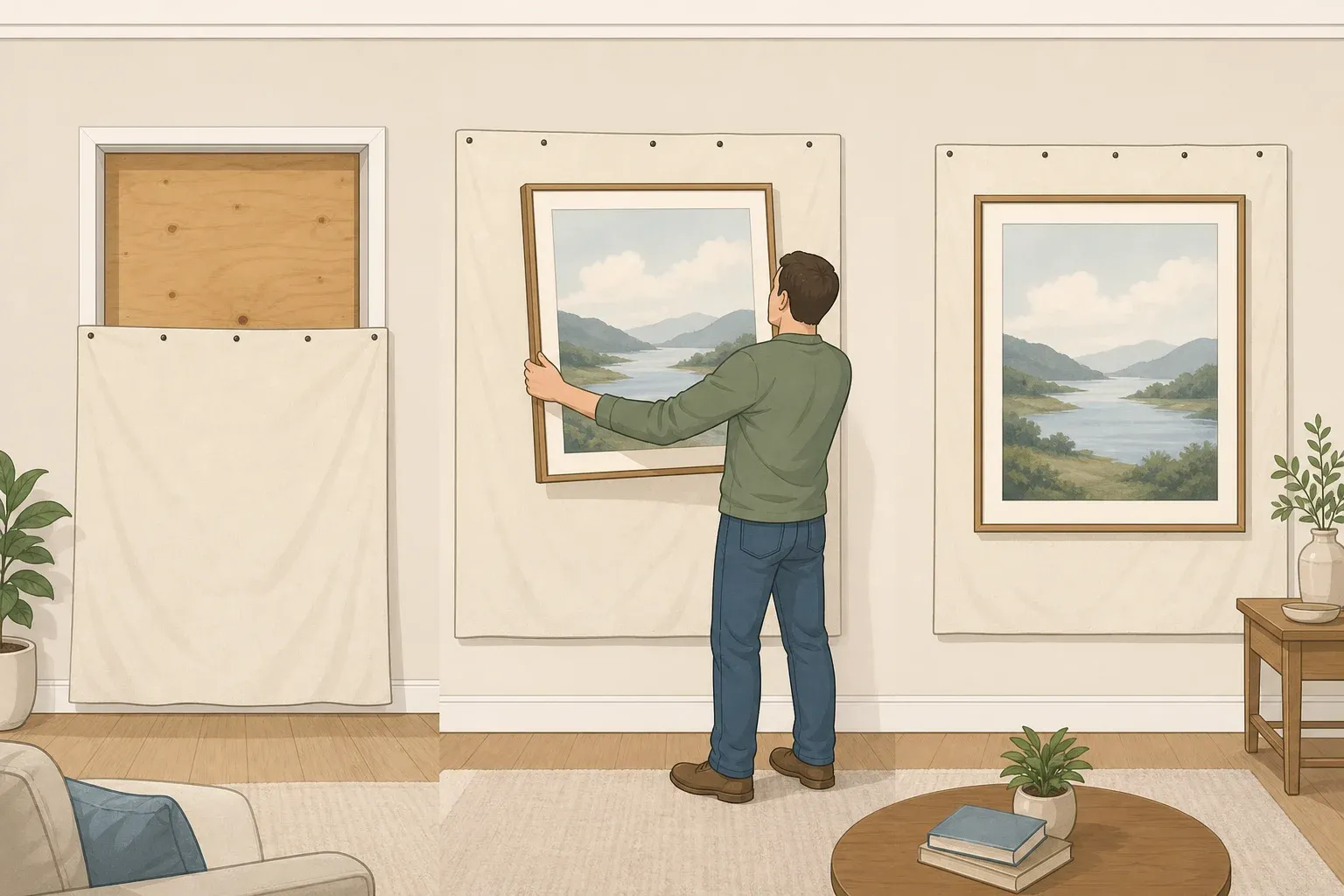
4. Wall-mounted cube shelves. Good for a gallery-style mix of books and small decor. Each cube is its own compartment, which caps both the height and the number of books that fit, so measure your tallest titles against the cube's interior before buying. Map the layout with painter's tape first, then install and load one cube according to the manual before filling the rest of the arrangement.
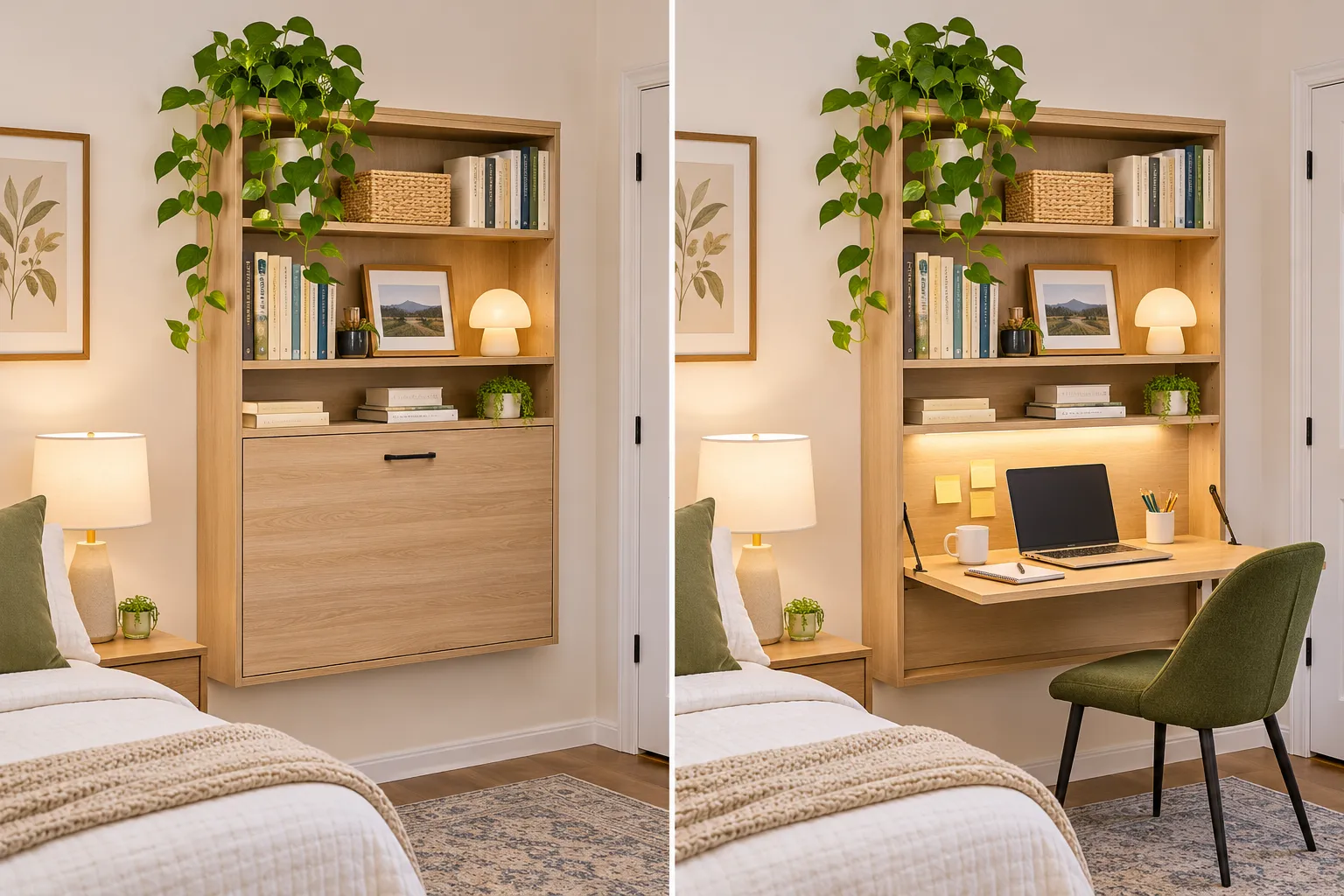
5. A corner-mounted wall shelf. Corners are some of the most overlooked spots in a small room. In Abbott's project, a leftover alcove became a working corner nook by pairing surface space with vertical storage for makeup and toiletries, per IKEA Ireland. Use a corner shelf the same way when a recess is too small for a full bookcase. Measure both walls of the corner first, since brackets vary in how much depth they need on each side.
Small apartment book storage: furniture picks worth the floor space
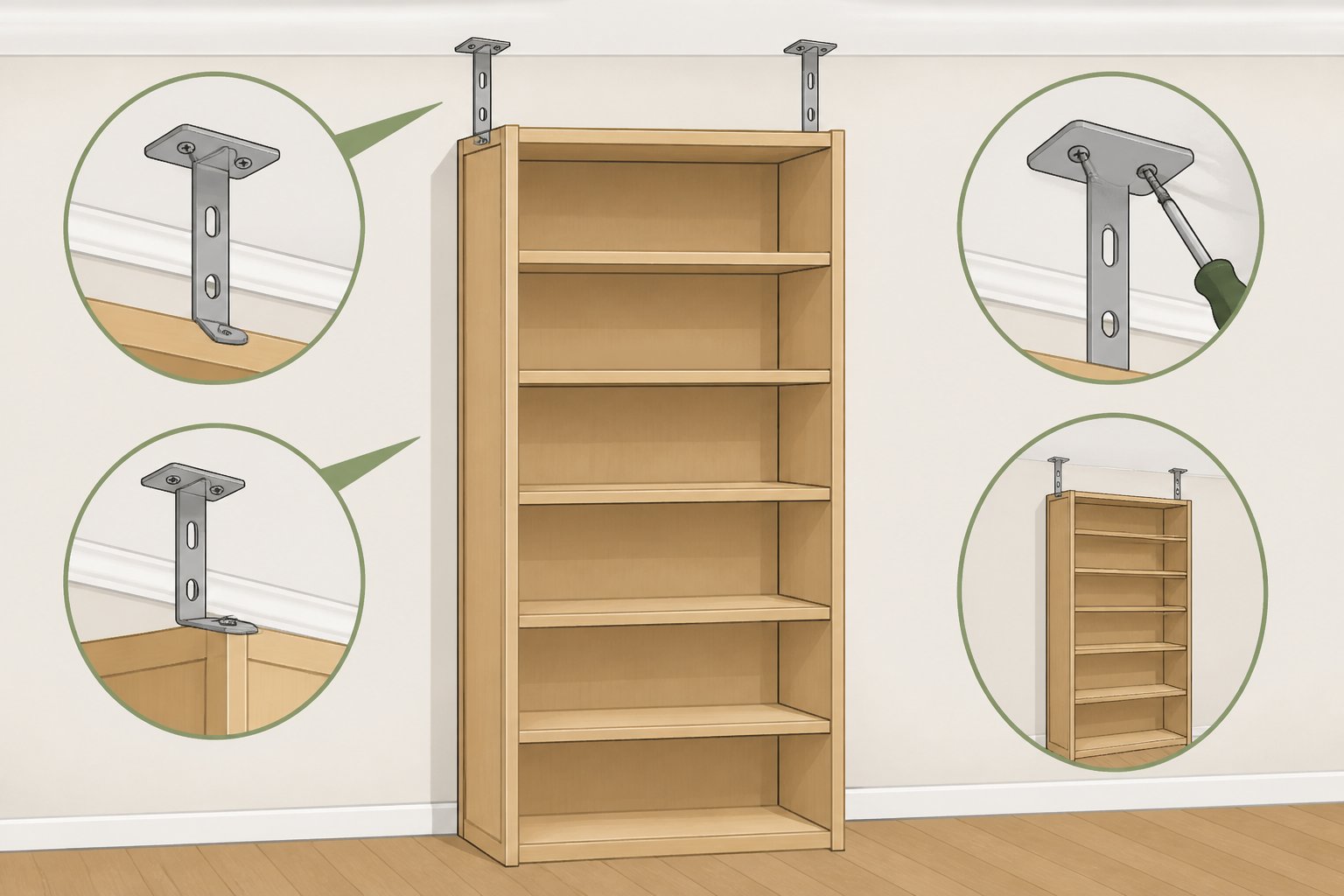
Before adding any tall freestanding piece, know that IKEA describes furniture tip-over as one of the furnishing industry's most serious safety issues, per IKEA. IKEA says its own storage furniture should be anchored according to the assembly instructions that come with it. For another brand, follow that product's manual and use only the hardware and method it specifies.
6. A floor-to-ceiling freestanding bookcase. Best for a living room or bedroom wall where you want one tall unit to hold a large collection instead of spreading books across several smaller pieces. Measure ceiling height, the depth of any baseboard the unit will sit against, and the clearance the manual requires for mounting hardware before you buy, not after it's delivered. Install the required anti-tip hardware before loading a single shelf.
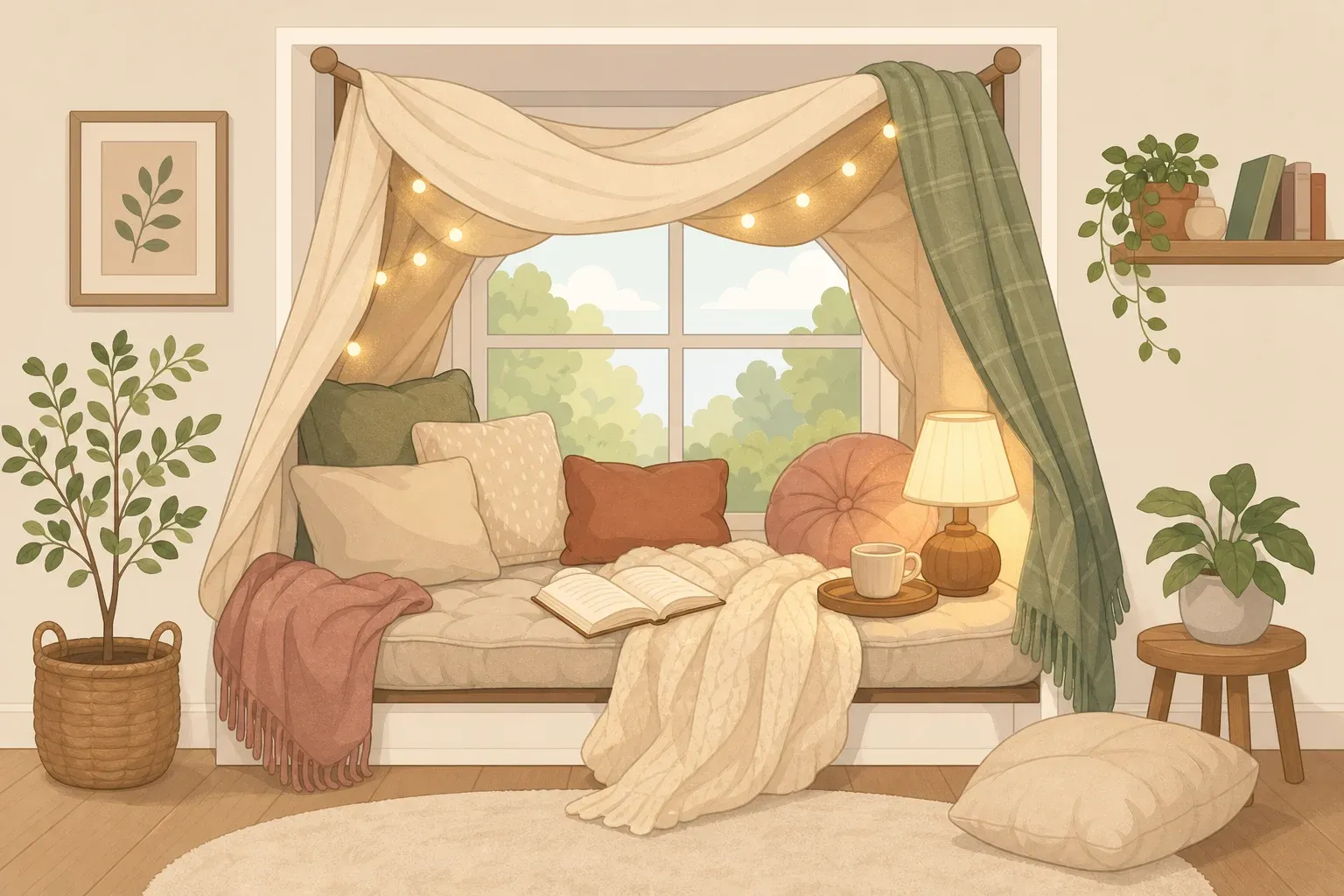
7. A window seat or bench with storage underneath. This works best where a bench or seat nook already exists rather than as a from-scratch build for most DIYers. Measure the depth under the seat before assuming hardcovers will fit upright. Check that the lid or seat still opens fully once books are loaded inside.
8. A storage ottoman or bench doubling as a side table. Good for a living room that needs seating and book storage in one piece. A lift-top lid needs open clearance in front of it, so measure the floor space before placing it against a wall or sofa. If the lid can't swing all the way up, it's too close to something.
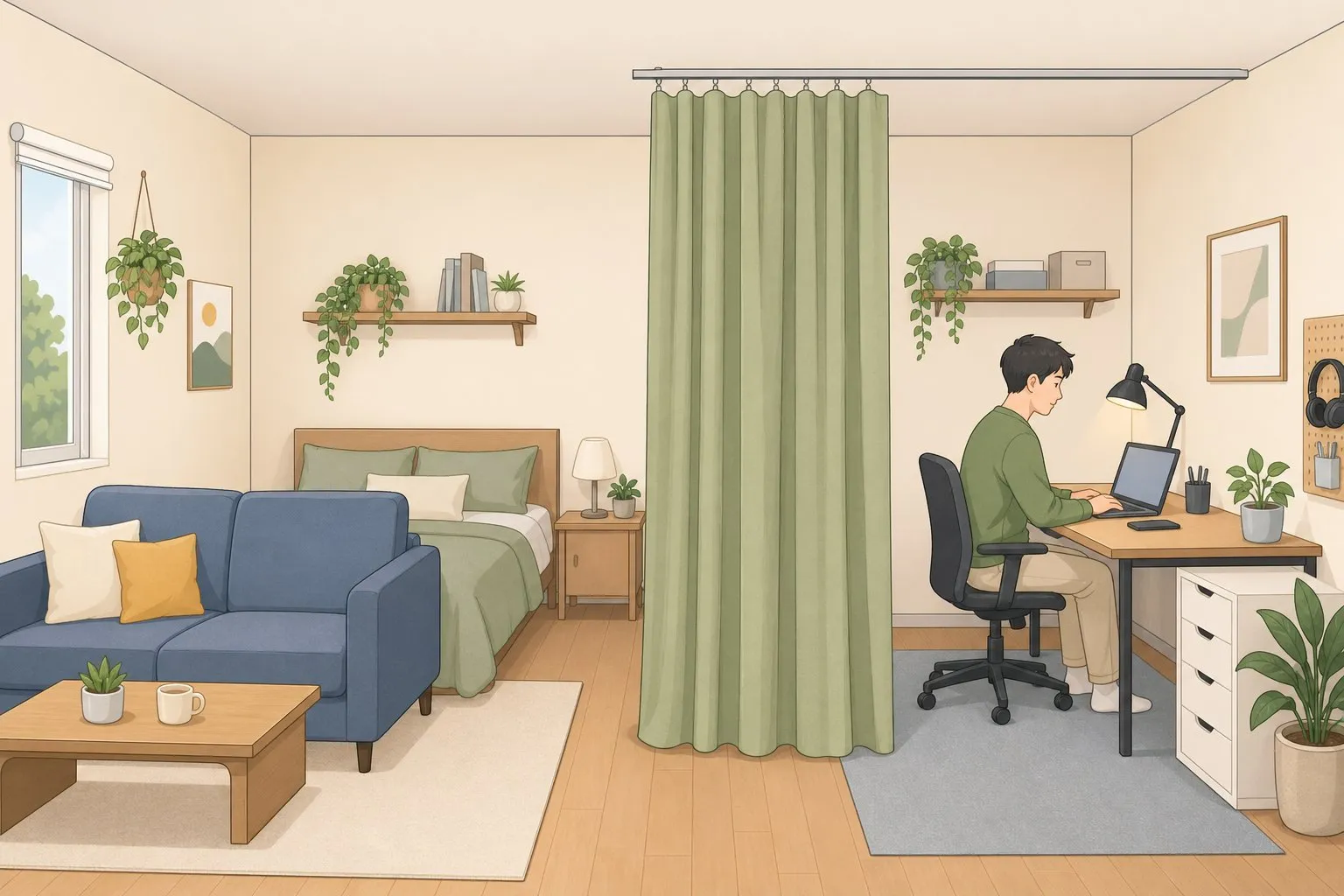
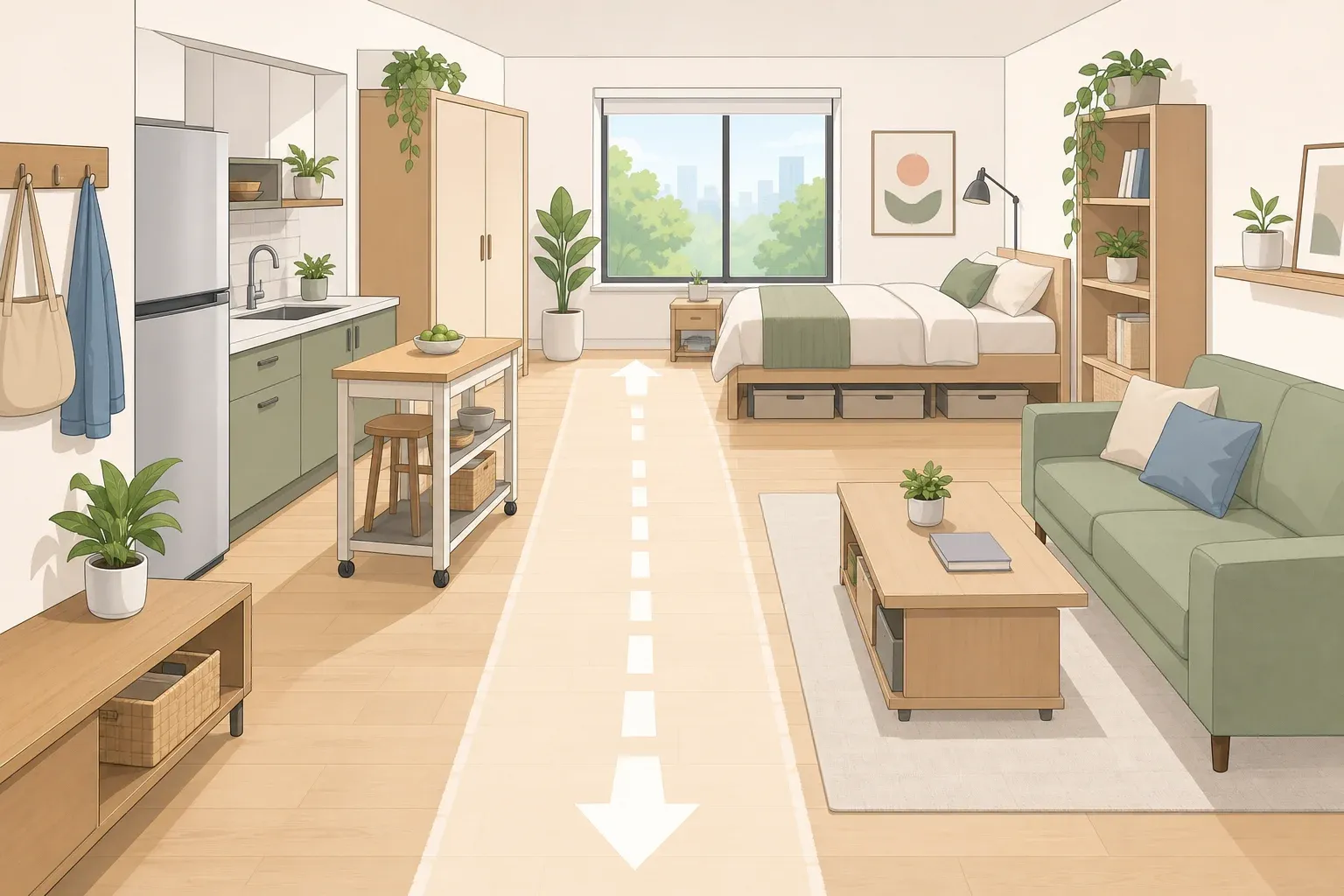
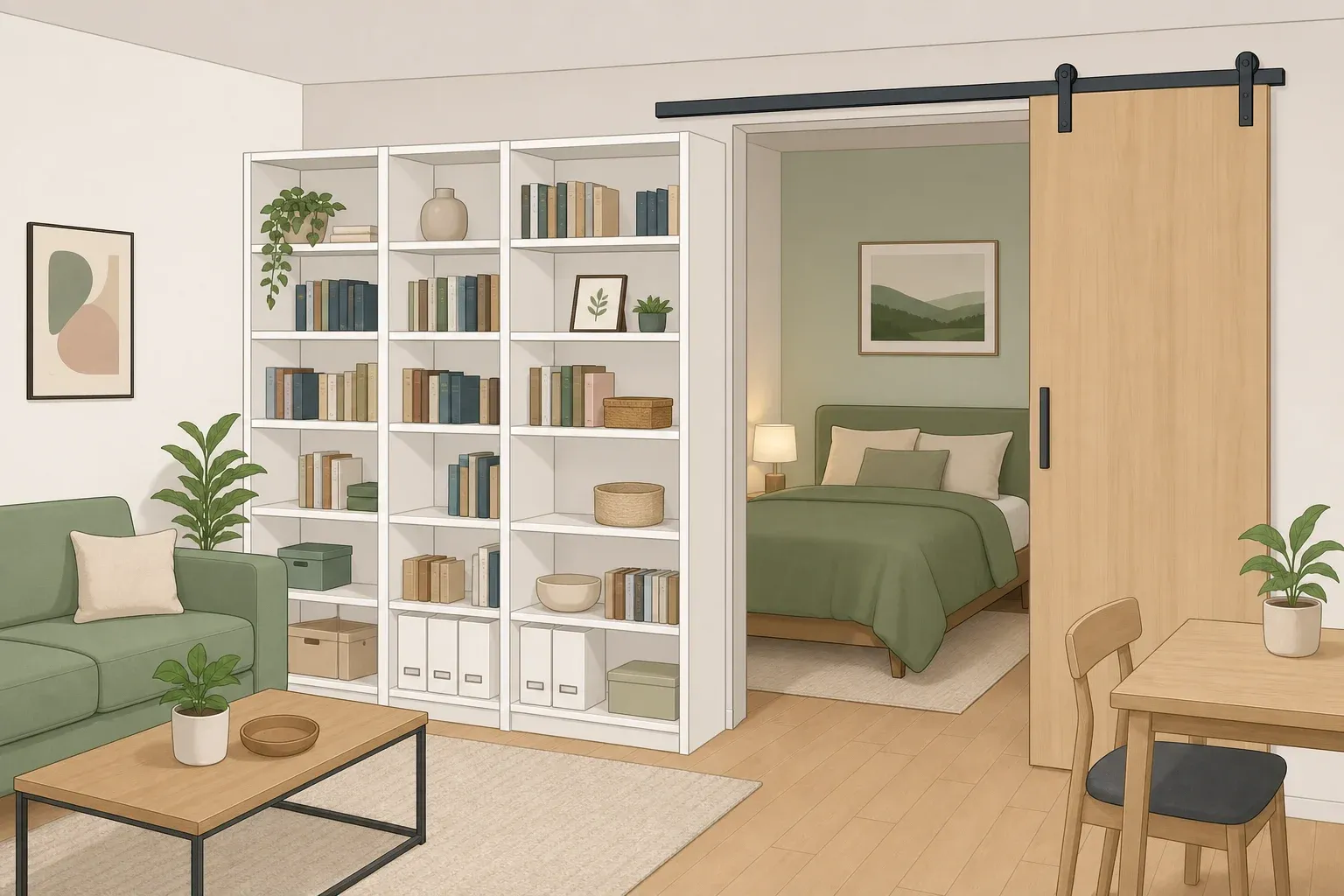
9. A narrow bookcase used as a room divider. In Abbott's project, a large PAX wardrobe in the bedroom handled extra storage in one footprint instead of scattering several smaller pieces around the room, per IKEA Ireland. The same idea applies to using one tall bookcase as a divider instead of multiple small units. If it's tall, follow its manufacturer's anchoring instructions exactly, whether that calls for wall mounting, floor mounting, or both, and position it so it doesn't block a doorway swing or walking path.
Book storage ideas for overlooked zones in small spaces
10. A hallway bookcase wall. Abbott chose an unconventional hallway spot for BILLY bookcases, creating bigger, practical storage for many items and collections, per IKEA Ireland. Measure at the narrowest point of the hallway, not just the average width, and check every door, radiator, light switch, and piece of trim along the route so nothing gets blocked once shelving is in.
11. An alcove built-in or freestanding insert. The same project turned a leftover alcove into a working makeup corner by combining surface space with vertical storage, per IKEA Ireland. Apply that layout to a shallow recess next to a chimney breast or window and treat it as shelf space instead of letting it sit empty. Measure the exact depth and width of the recess so there's no gap at the sides once shelving is installed.
12. A shelf mounted above a desk or sofa. Good for claiming dead wall space you're already sitting near. Follow the product's mounting instructions for that wall type, leave head clearance underneath so you're not ducking every time you stand, and keep the shelf low enough that the top row stays within comfortable reach.
13. Stairwell wall shelving. This is usually a job for a professional installer, since the shelving sits beside an active walking route with an incline. Reject the location if shelving would narrow the stairway, interfere with a handrail, block a door swing, or cover a light switch or fixture. Don't treat this as a beginner weekend project.
14. An over-door hanging organizer for paperbacks. Best for lighter titles you reach for often, not a full hardcover collection. Check the organizer's stated weight capacity before loading it, and confirm the hook fits your door's thickness. Treat it as active, rotating storage, not a permanent archive.
Creative book storage ideas for overflow and visual clutter
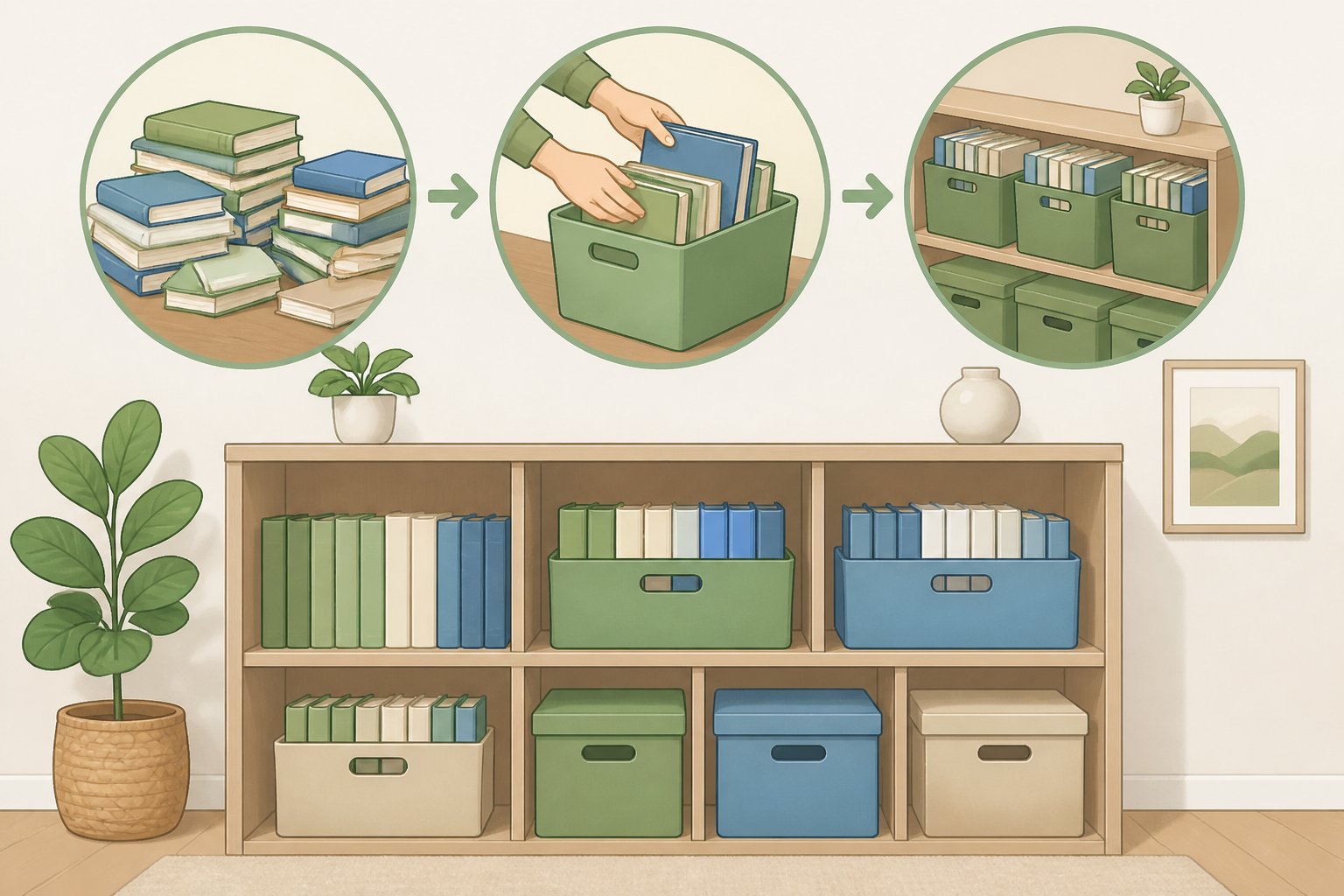
15. Color-matched bins or boxes for overflow books. Abbott recommends being selective about what's displayed on open shelving and organizing it by color, material, finish, or pattern, per IKEA Ireland. Apply the same thinking to overflow bins: choose ones that blend into the room instead of competing with the books on display. In the same project, furniture, boxes, and accessories were matched to a restricted color palette, which IKEA says can make a room look more put together and create the illusion of more space, per IKEA Ireland.
16. A cabinet or closed unit with doors for bulk storage. Best for a full collection you want accessible but out of sight. Measure the interior depth before buying. Hardcovers stored spine-up instead of upright may be less suitable for long-term storage, so use the cabinet's intended orientation and stated capacity rather than forcing books in sideways. If the cabinet you already own is too shallow, that's a sign to measure again before buying the next piece.
17. Under-bed storage boxes for rarely accessed titles. Good for books you're keeping but not reading right now. Measure the clearance under the bed frame before buying boxes, and label each one so you're not digging through all of them to find a title. Keep anything you reach for often somewhere more accessible instead. If the space under the bed runs damp or dusty, pick a drier storage spot rather than keeping books there long-term.
18. A rotating display system that swaps books between open shelves and closed bins. This works only if you actually swap titles out, say, when you finish a new read or want to change up the display, rather than leaving the same cover-out stack for years. Pick a trigger that works for you and stick to it. Otherwise the bins quietly turn into permanent storage instead of an active rotation.
Quick picks by situation
- Can't drill: choose a short, stable unit only if its manufacturer permits unanchored use; otherwise ask the building manager about an approved anchoring method or choose a different setup.
- Narrow hallway: shallow shelving only, measured at the tightest point first.
- Large collection, little floor space: one properly anchored floor-to-ceiling unit instead of several smaller pieces.
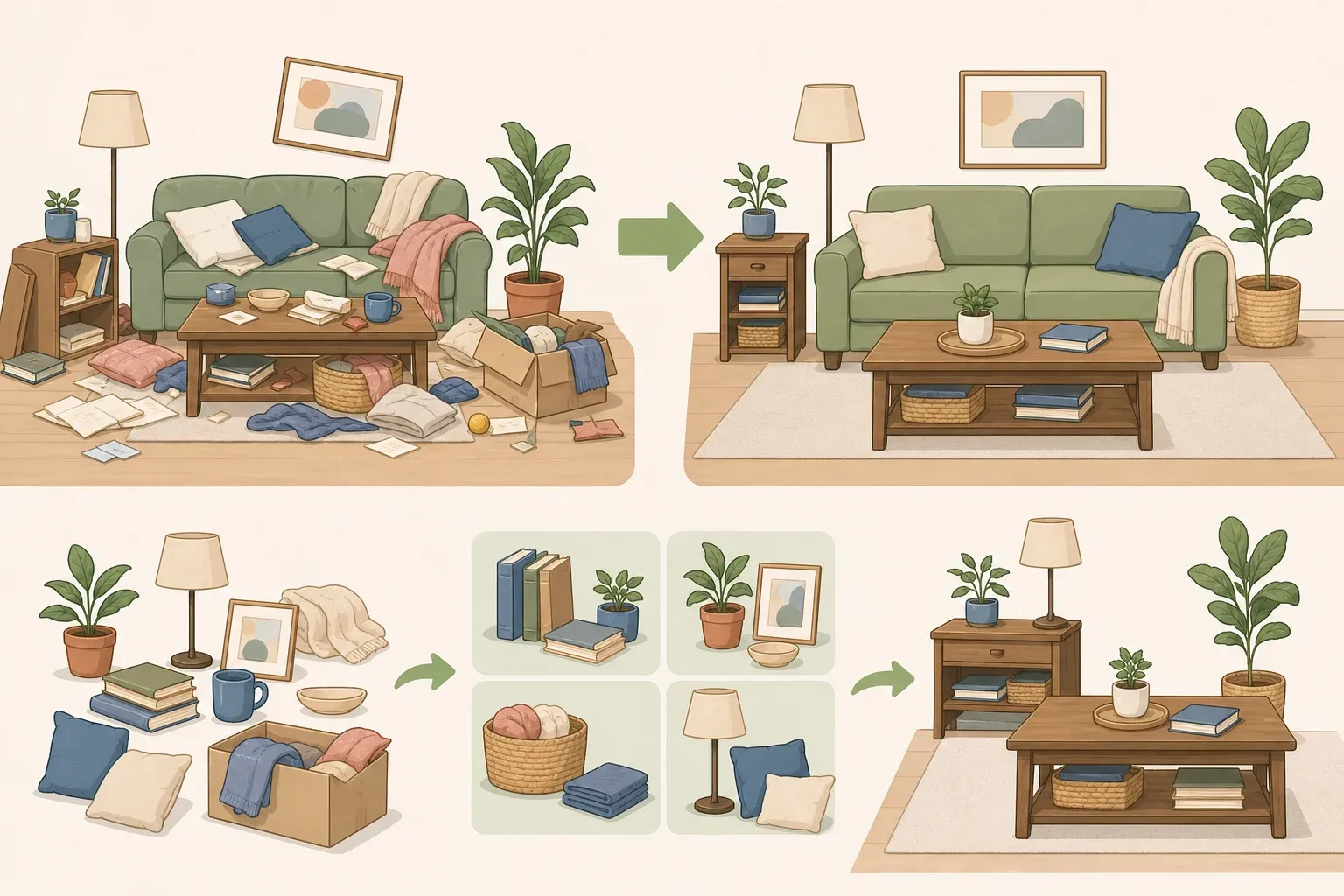
- Shelf looks cluttered, not full: display fewer books and move the rest to closed storage; don't add another shelf.
Finish-line guidance for space-saving book storage
Walk the room and check: Is every unit stable and installed according to its own manual? Can doors and walking paths still open fully? Are books standing upright without overloading a shelf past its rating? Are any boxed books dry, labeled, and still easy to get to?
If a space still looks cluttered after trying one idea, that's usually a styling fix, tighter color grouping or fewer displayed objects, not proof you need more shelving. If every safe storage zone in your home is full, edit the collection or plan for one larger, properly anchored piece, rather than cramming more books into a shelf or cabinet that's already at its limit.


Comments
Be the first, drop a comment!