



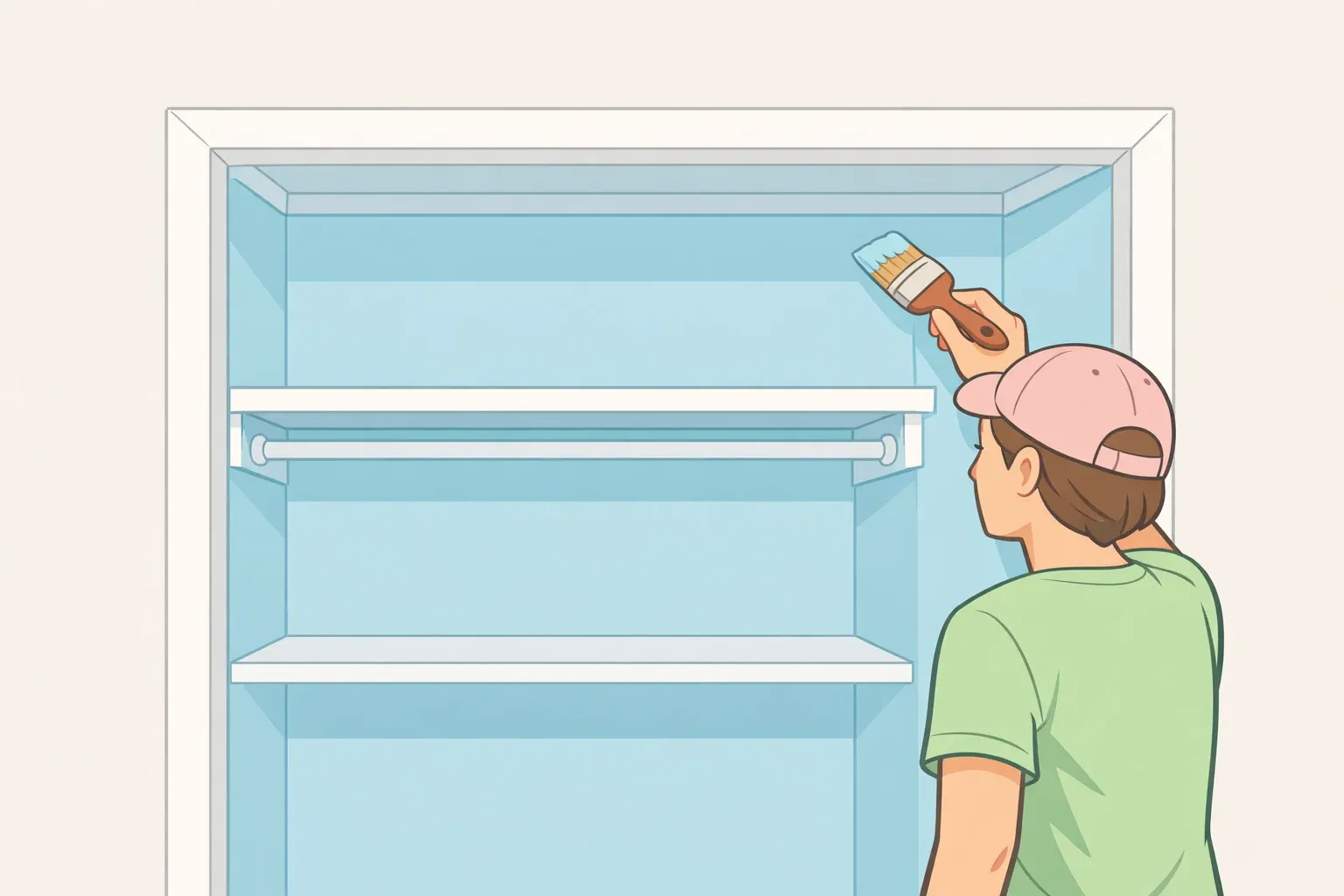
Closet interiors are among the most ignored surfaces in a home. Bare drywall, decades-old builder white, unfinished shelf edges — most people treat them as invisible. Designers don't. When you paint the inside of your closet deliberately, choosing color and finish the same way you would any other room, the results change how the space looks, feels, and holds up under daily use.
This covers closet walls and, where applicable, built-in shelving and trim — the painted surfaces you interact with every morning. The advice applies to walk-in and reach-in closets alike, with specific notes where the approach differs. By the end, you'll know which color direction suits your closet's size and context, which finish belongs on which surface, and what the actual pitfalls are, including the one most DIYers skip that leads to paint marking clothes and stored items.
In late 2024, Apartment Therapy polled 154 designers on their interior design predictions, and color drenching — painting walls, ceiling, shelves, and trim in one unified hue — was identified as a 2025 trend with staying power. A closet is the lowest-commitment place to try it. That's part of why designers point to it specifically.
Every decision that follows color, finish, paint type is shaped by one constant: many closets are small and low on natural light.
Why bother? What paint actually does inside a closet
The most practical argument for painting a closet interior has nothing to do with aesthetics. Most closets are dim. A reflective finish on walls bounces whatever light exists artificial or incidental around the interior, making it easier to distinguish a navy blazer from black at 7 a.m. That's a lived outcome. House Digest identifies this light-bouncing quality as a primary reason satin finish works especially well in closet spaces.
The case for painting shelves is less about looks and more about protection. Bare or unfinished closet shelves can absorb moisture, scuffs, and contact marks, especially in humid or high-use closets. A proper coat of paint seals the wood, creates a wipeable surface, and extends the life of the shelving so maintenance becomes as simple as a damp cloth. Slappe Painting frames the core functional argument for painting closet shelves as surface protection: paint can help create a more wipeable barrier on shelves that see regular contact from bins, shoes, and folded items.
Color also affects how functional the space actually is. Inspired Closets makes the point directly: color shapes not just how a closet looks, but how easy it is to use, how quickly you can locate things, and how willingly you keep it organized. When walls and shelving share a unified color treatment, the space reads as designed rather than storage-as-afterthought.
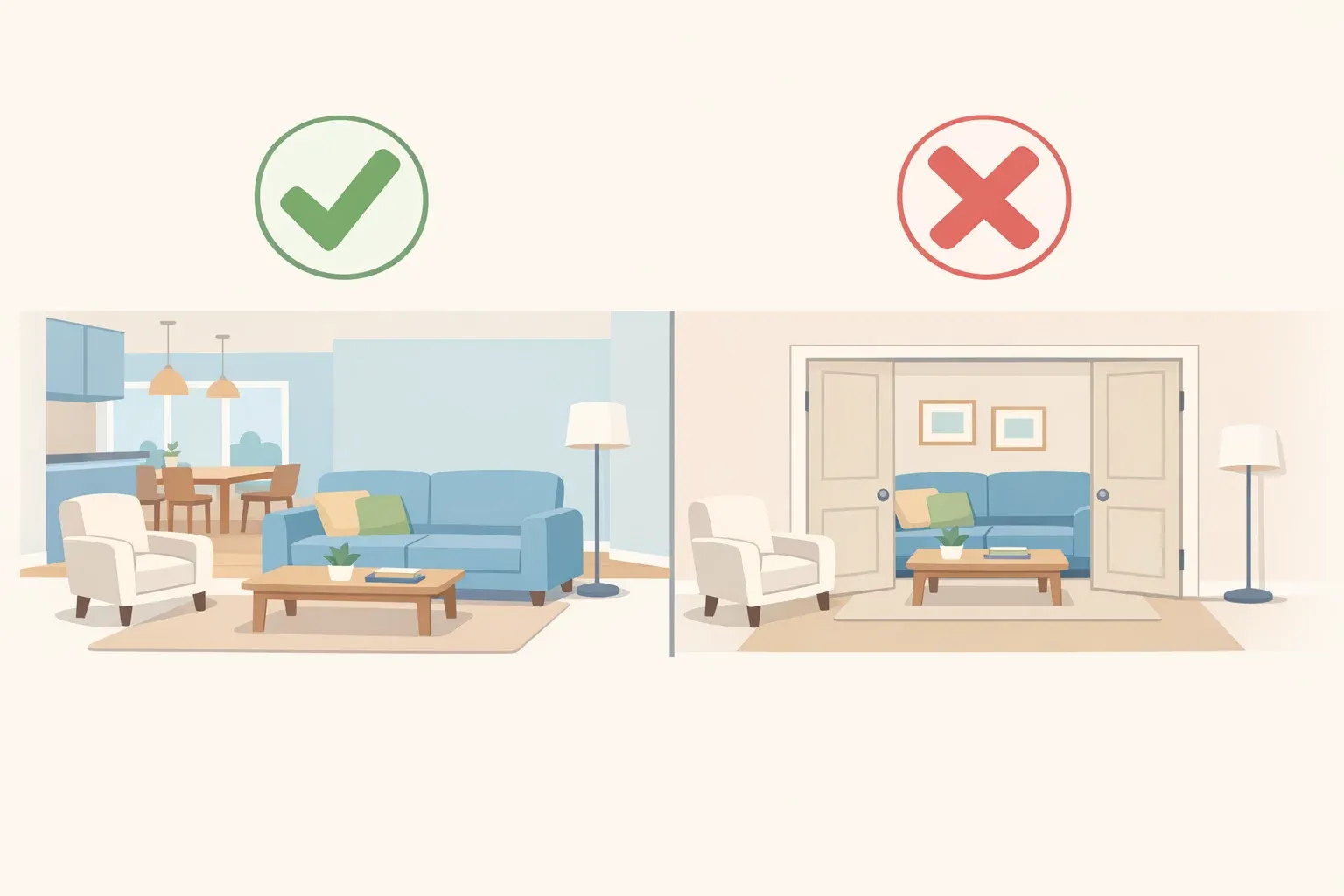
One exception worth flagging upfront. If the closet has no door and opens directly into a bedroom, dark paint on the interior can work in reverse. Rather than reflecting light, it pulls the storage area into shadow so it recedes visually instead of drawing attention. House Digest identifies this as a specific design move: choose a dark shade from the same color family as the room walls, and the open closet effectively disappears into its surroundings. This isn't a contradiction of the light-bouncing goal the objective here is concealment, not visibility.
Closet paint ideas: choosing a color for small, low-light spaces
In compact or windowless closets, lighter colors prevent the walls from closing in. Soft whites, warm creams, and pale grays reflect available light back into the space and make the room feel larger than it is. Red Egg Painting recommends lighter tones specifically for small or poorly lit closets. In a larger walk-in with better light, darker tones become viable and add depth without making the space feel compressed. Inspired Closets notes this distinction explicitly: darker colors are a design move for larger spaces, not a substitute for adequate light.
Color also shapes how the space feels to be in. Blues, greens, and neutrals promote relaxation a reasonable goal for somewhere you visit at the start and end of every day. Reds and yellows add energy, which tends to work better as an accent than as the dominant hue in a dim, enclosed space. Inspired Closets connects these choices directly to psychological effect, not just preference.
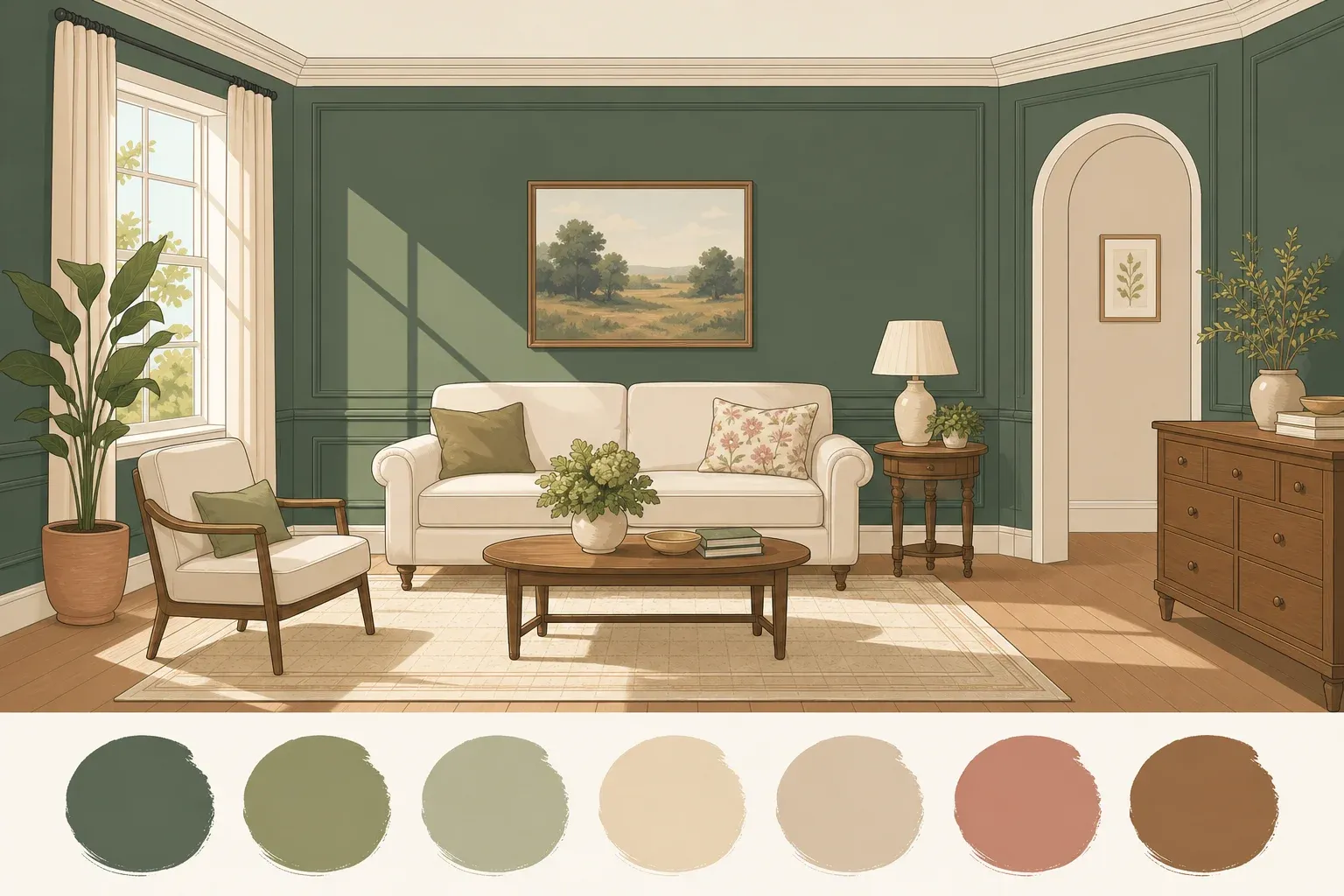
The closet doesn't exist in isolation. Red Egg Painting recommends coordinating the interior color with existing flooring and hardware: warm wood floors pair naturally with creamy whites or earth tones; cool-toned tile or carpet works better with grays, blues, or muted pastels. That's more actionable than picking a color from a mood board and hoping it connects.
For those who want visual interest without committing to a full repaint, two targeted approaches work well. Painting the back wall of open shelving a contrasting color creates depth and makes displayed items — shoes, bags, stacked sweaters — stand out against it. Painting inside drawers or cubbies in a contrasting shade adds a contained color moment without touching the whole space. Red Egg Painting outlines both as specific techniques for adding visual interest without a wholesale commitment.
The color-drenching option applies the same hue to walls, shelves, trim, and ceiling, creating an enveloping, cocoon-like effect. Designers surveyed by Apartment Therapy in late 2024 described it as intentional and lasting — one called it "centuries old," another defined 2025 interior design as "color drenched maximalism." One practical upside: once you've chosen the shade, every subsequent decision disappears. No accent wall to coordinate, no trim color to agonize over, no clean paint lines to maintain. The closet is the ideal place to try this before committing to a whole bedroom. The stakes are a quart of paint and a weekend of active work, plus cure time.
Which color direction fits your situation:
Small or windowless closet: light neutrals; avoid dark walls
Large walk-in with good light: dark tones viable and effective for depth
Open to bedroom without a door: dark interior to visually recede the storage
Want to try bold color without risk: color drench the closet first
Best paint for closet shelves, and how walls differ
Most guides treat finish as a single decision. It isn't. Closet walls and closet shelves take entirely different kinds of abuse, and the finish that works on one won't necessarily hold up on the other.
Walls: satin is the right default. Its mildly reflective surface bounces light, handles everyday cleaning with a damp cloth, and offers enough scratch resistance for a low-contact surface. That balance tracks with major paint-brand guidance: Sherwin-Williams notes that lower-sheen finishes such as flat and eggshell hide imperfections better, while higher-sheen finishes are generally easier to clean; Benjamin Moore similarly describes eggshell and satin as easy-clean finishes and semi-gloss as especially durable for surfaces that get repeated cleaning. In a closet, that makes satin a practical middle ground for walls, especially when visibility and wipeability matter. In moisture-prone closets, such as those near bathrooms or laundry rooms, satin can also pair well with a mildew-resistant paint formula if needed. The one tradeoff: satin's reflectivity picks up wall imperfections — bumps, brush marks, cracks — more clearly than matte would. Prep work matters more as a result. If the walls are in rough shape, eggshell, a lower-sheen alternative, reduces that effect while still providing better light bounce than matte.
Painting closet shelves: semi-gloss or enamel. Shelves support weight, experience constant friction from bins and shoes, and often sit near humid areas. Semi-gloss is slightly more durable than satin and more resistant to scratches, scuffs, and moisture, making it a better fit for shelves than standard wall paint. For shelves, choose a product labeled for trim, doors, cabinets, or other high-contact surfaces rather than assuming any interior wall paint will hold up. For heavy-use shelving, enamel is the upgrade: highly resistant to scratches and stains, and the right call where contact is constant. That recommendation also lines up with closet-shelf guidance from Slappe Painting, which points readers toward satin or semi-gloss for standard shelves and enamel for surfaces that see heavier wear. The tradeoff with both is that they amplify surface imperfections more than satin, and in tight spaces can feel clinical if applied wall-to-wall.
Avoid matte on either surface. It absorbs rather than reflects light the last thing a dim closet needs and it's harder to clean. Red Egg Painting advises against matte finishes in low-light closet interiors unless the space has ample natural light.
On paint type: latex is the practical choice for most DIYers — low odor, fast drying, and available in low-VOC and zero-VOC formulas that matter in an enclosed space. Oil-based paint offers stronger adhesion and durability but requires mineral spirits for cleanup and takes longer to off-gas. Enamel, whether latex- or oil-based, is the upgrade for shelves that see constant contact.
Surface-by-surface quick reference:
Closet walls: satin finish, low-VOC latex
Standard shelves: semi-gloss, latex or enamel
Heavy-use shelves (shoes, bins): enamel, semi-gloss or gloss
Avoid everywhere in a closet: matte
How to paint a closet interior: sequence, prep, and the pitfalls worth knowing
Making the right decisions in the right order is most of the job. Here's how that sequence runs:
Assess the space whether it's open or closed, the quality of existing light, and whether the walls have significant damage
Choose color direction based on size and light availability
Choose wall finish (satin as default, eggshell if wall imperfections are severe)
Choose shelf finish (semi-gloss for standard use, enamel for heavy-use surfaces)
Plan cure time before reloading shelves, which can run days to weeks depending on the product
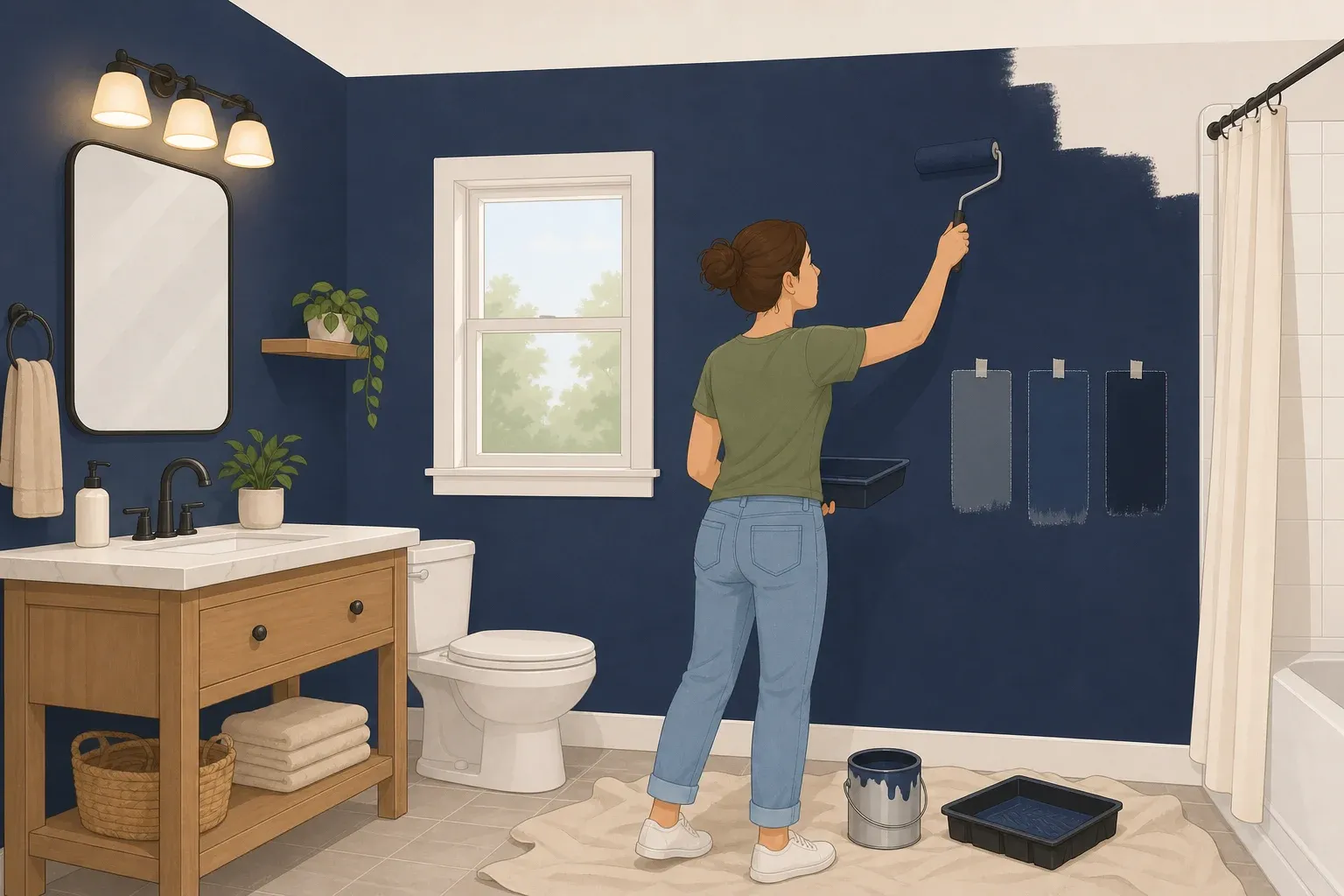
The prep step is where satin and semi-gloss punish shortcuts. Empty the closet completely. Fill holes and dings, clean the walls, and remove shelf hardware before a drop of paint goes on. If the home was built before 1978, test for lead paint or follow EPA lead-safe practices before sanding or disturbing old paint; otherwise, sand any rough spots before painting. Any surface irregularity reads more clearly once a reflective finish is in place. Red Egg Painting identifies prep as the non-negotiable first step, and it's hard to argue otherwise once you've seen what satin does to a wall that wasn't properly cleaned. Damaged or unfinished surfaces may need a primer coat before paint for the finish to adhere evenly.
For application, follow the paint label for coat count, recoat time, and whether sanding between coats is recommended. Multiple thin coats usually produce a smoother, more durable result than one heavy coat, especially on shelves. Foam rollers are faster on flat shelf surfaces; brushes handle corners and edges more precisely. Spray painting produces the smoothest result but requires proper masking and a well-ventilated area impractical in most closets unless the shelving has been removed.
The cure time issue deserves its own emphasis. Paint may feel dry within hours, but full cure — the point at which the surface has hardened enough for normal use — can take days to weeks depending on the product; Sherwin-Williams notes that latex/acrylic paints may take two to three weeks to cure under typical conditions. Loading shelves before the paint has cured is the most common mistake. Bins, shoe soles, and folded fabric can all leave permanent marks in soft, uncured paint. Uncured paint in an enclosed closet can also stay tacky long enough to transfer to clothing or items stored against it. Avoid heavy shelf use until the product's stated cure window has passed. Per the EPA, low-VOC or zero-VOC latex formulas can help reduce VOC exposure in an enclosed closet, but they do not eliminate the need for ventilation during and after painting.
Ventilation during and after painting is non-negotiable. Keep the closet door open, and when possible, use a fan to exhaust vapors outdoors rather than simply recirculating air inside the room; joint EPA/CPSC healthy-painting guidance recommends keeping windows open, weather permitting, for about two to three days after painting to reduce exposure to paint vapors.
Long-term, painted shelves benefit from liners on top. They add a layer of protection, make cleaning easier, and reduce direct friction on the paint surface. Periodically inspect painted shelves for chips or scratches and touch them up promptly, especially in humid closets or high-use storage areas.
What a painted closet interior actually delivers
Better visibility, easier cleaning, more durable shelving, and a space that looks like part of the house rather than an afterthought behind a door. That's the return on a project that requires no specialized skill, a weekend of active work, and additional cure time before shelves are fully reloaded.
For readers ready to decide:
Small or dim closet: light neutral on walls in satin; semi-gloss on shelves; low-VOC latex where appropriate, with ventilation during and after painting
Large walk-in: room for deeper color on walls; the same finish hierarchy applies
Heavy-use shelving: enamel, semi-gloss or gloss, with shelf liners on top
Want to try color drenching: start here before committing to a full room; walls, shelves, trim, and ceiling in one unified shade
The principles at work — reflective finishes improve visibility, lighter colors open small spaces, and cohesive color signals intention — apply well beyond closets. They're the same logic designers use in any low-light, high-use interior. As Apartment Therapy's survey of 154 designers found, color drenching's appeal is precisely that it removes every subsequent decision once you've chosen the shade. The closet is where you find out, cheaply enough to be honest about the answer, whether that kind of commitment suits you.






Comments
Be the first, drop a comment!