



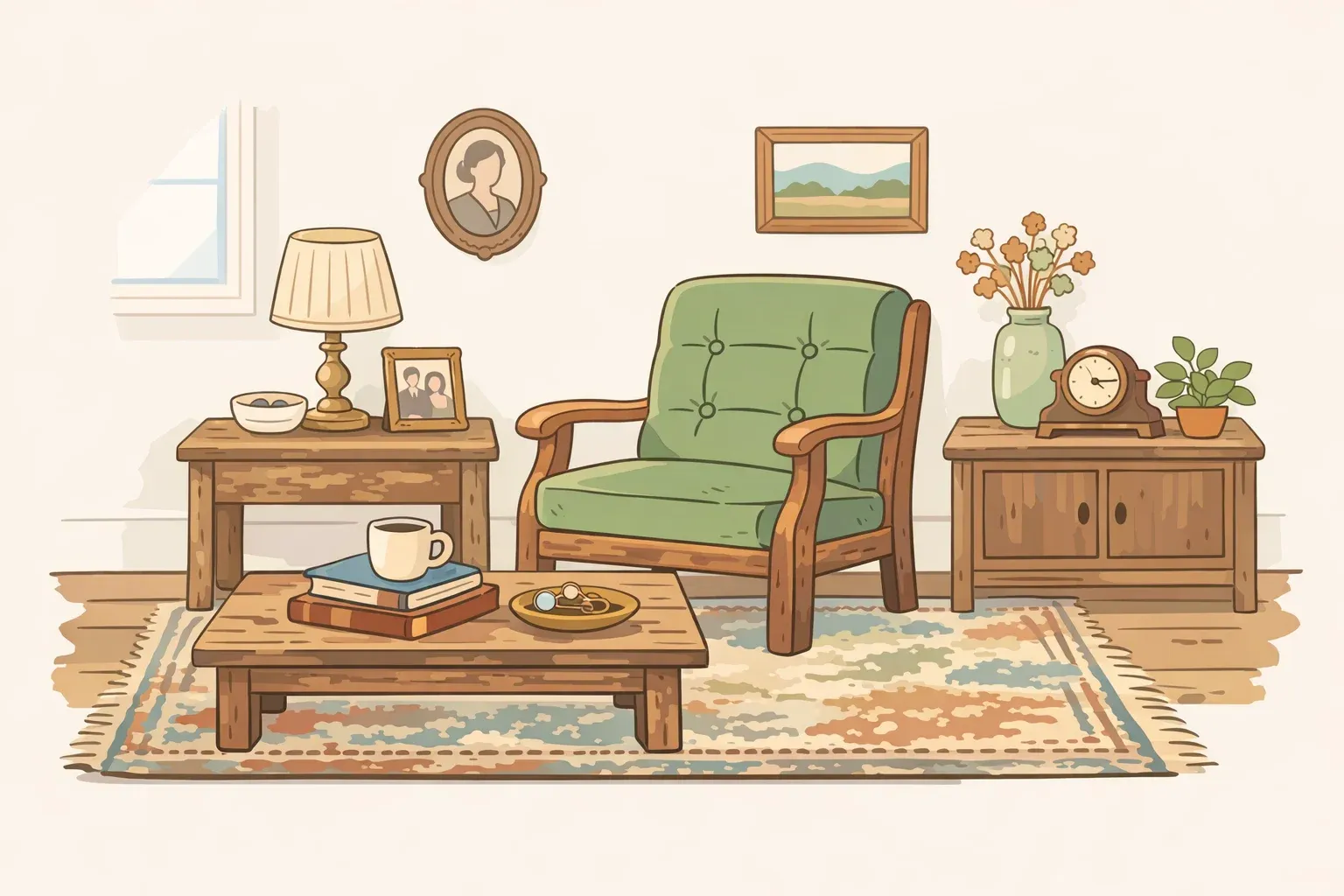
A room feels lived-in for two reasons people tend to blur together, and learning how to make a home feel lived-in starts with telling them apart. One is patina: the physical way surfaces change from light, touch, and time.
The other is what actually belongs to you: an inherited chair, a worn rug, a secondhand find picked up because it meant something. Skip either one and the result falls short. Patina gives a room its aged surfaces; personal objects and daily use are what turn those surfaces into your home instead of a very well-aged showroom.
Interior design firm Chupik Design puts it plainly: the lived-in look "isn't something that can be faked or rushed," and comes instead from "thoughtful choices, quality materials, and time." That's a design firm's perspective. It lines up with how Homes & Gardens describes the same idea, reporting with an antiques specialist from 1stDibs that patina forms through oxidation, handling, moisture, and sunlight, not dirt waiting to be scrubbed off.
Not every designer agrees on one exact formula here, but several land on similar conclusions. What follows turns that reasoning into something usable: how to tell patina from damage, how to audit one room, how to choose one or two materials that will age well within your budget, and how to layer in personal pieces without buying fake-vintage decor or over-restoring something that was aging just fine.
Patina vs. damage: The difference that decides what to keep
Patina is a physical change to a surface, not a style or an era. Anthony Barzilay Freund, editorial director at 1stDibs, explains that it develops "as materials react to the environment, whether through oxidation or as a response to moisture, sunlight, or even minerals and dust in the air."
Apply this rule right away: keep an intact, attractive finish, clean off surface dirt, and treat flaking, instability, or active corrosion as damage. Homes & Gardens draws this line directly, noting that rust and tarnish are "undesirable forms of corrosion" that can cause structural damage, while patina is a natural discoloring process worth preserving. The two can genuinely be hard to tell apart on metals like silver, where the call comes down to whether oxidation deepened the finish or dulled it.
A second source backs this up independently. Sustainability-focused materials site Nordnatur separates "ageing well" from "ageing neglected," describing patina as "a surface change in the material's appearance and texture, not a buildup of dirt."
This filter comes first because it decides what to touch and what to leave alone. Before adding anything new, you need to know whether that scuffed table leg is patina worth keeping or grime and damage that needs actual attention.
Audit one room before you buy anything
Time: roughly 20 to 30 minutes for one room, longer if it's full of furniture. That's a rough working estimate, not a fixed rule.
Difficulty: beginner, no special skills required.
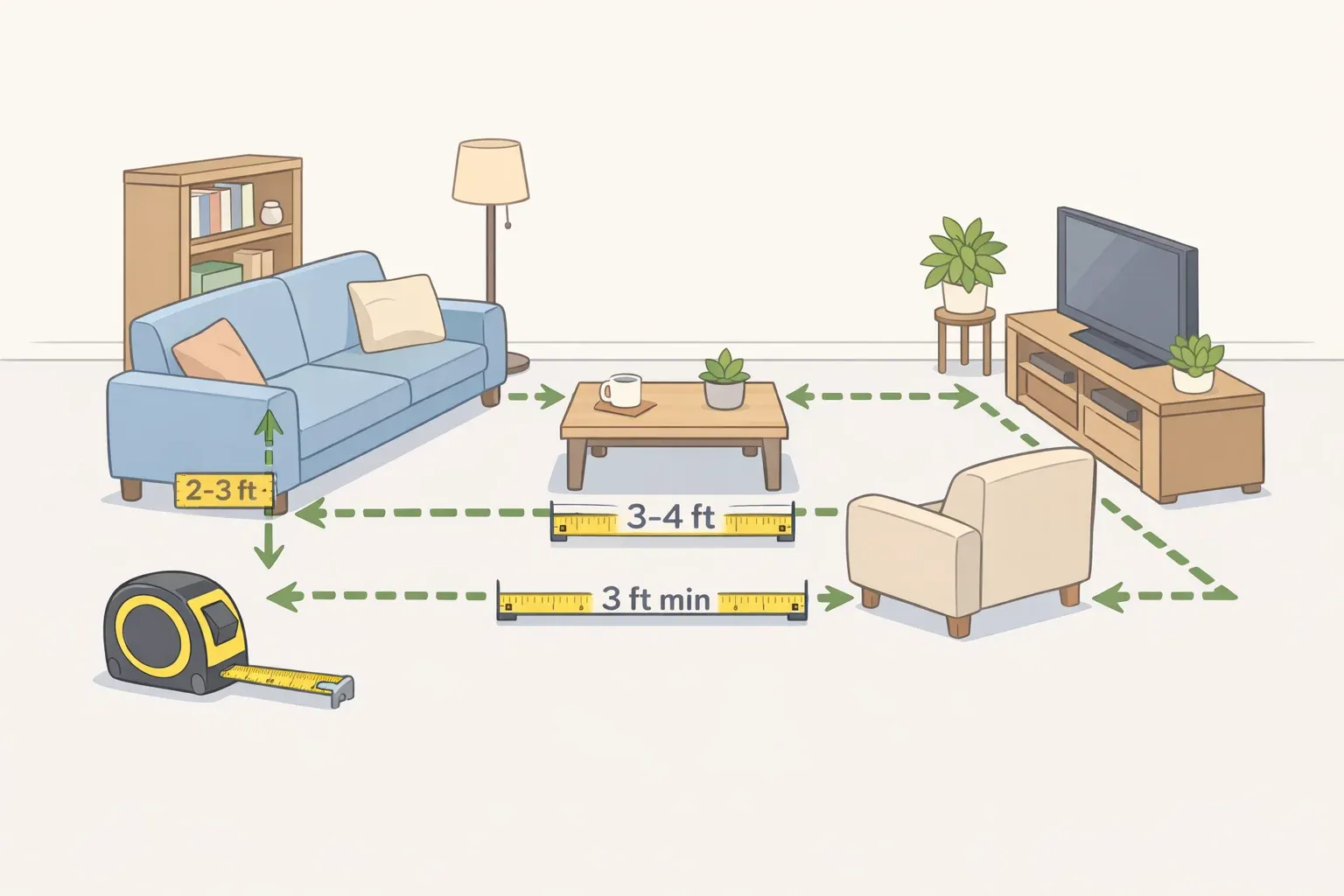
What you need: a phone camera, a notepad or notes app, and a tape measure if you plan to shop for hardware afterward.
Finish line: a short list marking each surface as keep, clean, repair, or replace, one object you're keeping in active use, and a dollar limit for anything new.
Work through it in order:
Pick one room you use daily.
Walk it and photograph the high-touch surfaces: door handles, a tabletop, a floor path, a chair arm. Homes & Gardens notes wood patina often becomes most visible in areas of frequent use, "such as around drawer or door pulls, on table tops, or near the feet."
At each surface, run a finger over the finish. Smooth and stable is a good sign. Gritty, flaking, or sticky is worth a closer photo so you can check it later or ask a specialist.
Sort each surface into keep as-is, clean, repair, or replace, using the rule from the section above.
Identify one inherited, secondhand, or long-owned piece already in the room, and decide where it actually lives day to day, not just where it looks good. Its existing wear is doing work a new purchase can't replicate. As Nordnatur puts it, "a fifteen-year-old oak floor remembers everything," while "a freshly installed synthetic floor carries no memory."
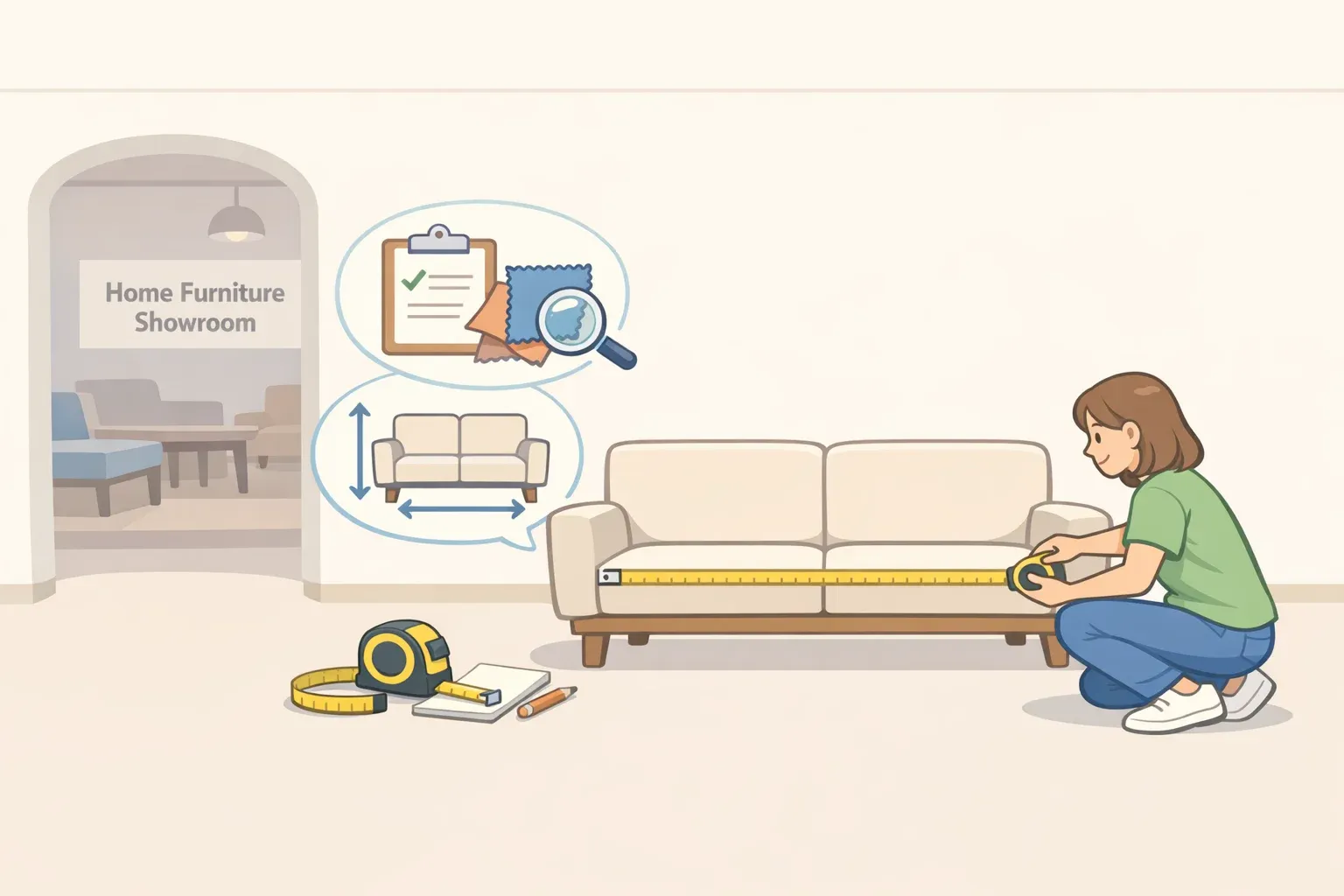
If you're eyeing a secondhand piece for this room, check it in person before buying. A structural wobble, a water ring that's gone soft or spongy, or a crack running with the grain points to damage that a coat of wax won't fix. Surface scuffs and color variation are a different story, and usually fine.
Set a spending cap before shopping for anything new.
This audit is what keeps the project from turning into a full renovation. It also tells you, before you spend anything, which single piece in the room is already doing the work of feeling lived-in.
Choosing materials that age well: three starting points
Don't buy a distressed finish to fake age. It rarely holds up on close inspection. Freund puts it bluntly, saying "a faked patina will almost certainly fall short of expectations." Antique dealer Benji Lewis describes stripped, artificially aged pieces as looking "devoid of character."
There's a longer-term case here too, not just an aesthetic one. Nordnatur contrasts a vinyl floor, which scuffs in ways that "can't be repaired" and fades until "replacement is the only option," with an oiled oak floor that at ten years "doesn't need replacing."
Laminate flooring typically lasts ten to fifteen years before full replacement, while solid oak can be sanded and refinished repeatedly across a century. That's the practical case for natural textures in interior design over synthetic ones: higher upfront cost, but a repairable lifespan instead of a replacement cycle.
Three concrete starting points, one per budget tier:
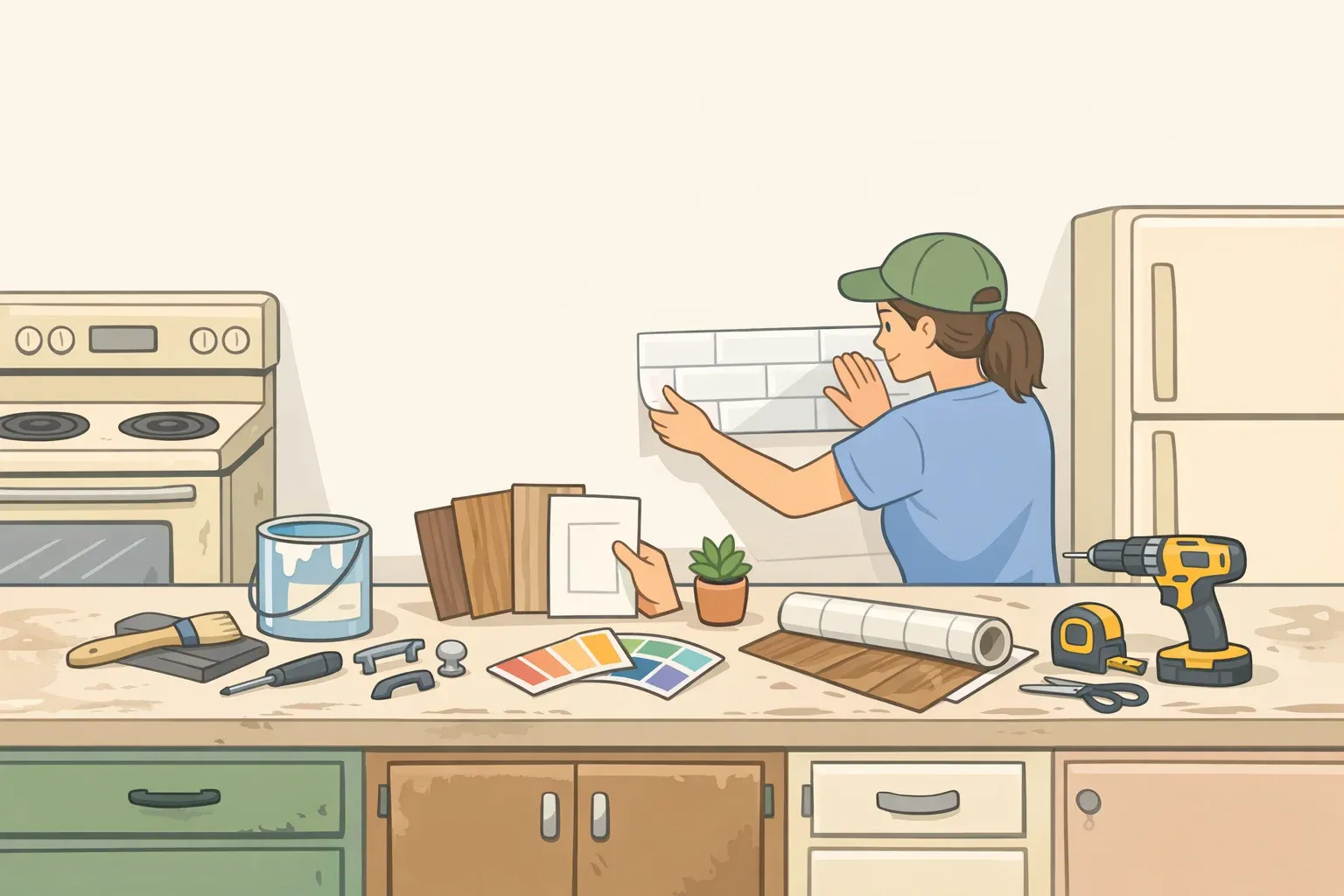
Renter-friendly, low-cost: unlacquered brass hardware.
Check your lease before swapping hardware, and bag the original pulls and screws so you can put them back at move-out. To confirm you're actually buying unlacquered brass and not a sealed reproduction, check the product listing for terms like "unlacquered" or "living finish"; a lacquered piece is coated to stay shiny and won't develop the same color change.
Genuine unlacquered brass warms and darkens with handling, developing a golden polish at contact points while edges stay darker, but this takes months outdoors and years indoors under regular handling, not weeks. Check the hardware maker's care instructions for cleaning, since harsh cleaners can strip the finish before it has a chance to age.
If you notice pitting, flaking, or blotchy discoloration that doesn't follow the pattern of where hands actually touch it, that points to a coating problem rather than natural aging.
Furniture or textile: Leather or linen
These age on two different clocks. A leather chair starts to "learn your shape" after about a year of regular sitting, but the color shift, pale tan deepening to a rich, warm brown, takes years of handling, not one.
Linen moves faster: expect it to relax and drape more freely within about six months of regular washing, and to feel noticeably softer than anything new after roughly two years, as long as you skip the fabric softener, which coats the fibers and blocks that softening.
Condition leather with a product suited to that specific leather type, following the furniture maker's instructions, and line-dry linen when you can. Cracking or stiff, dry leather is a sign it needs conditioning, not more time.
Renovation-level: oiled oak flooring
It warms from pale straw to honey within six months of oiling and light exposure, deepening to amber by five years. Installation depends on the specific flooring system and the manufacturer's instructions; bring in a flooring contractor if there are subfloor, moisture, or structural issues to sort out first.
It also needs periodic reoiling, roughly every one to three years depending on traffic. For visible wear, follow the flooring maker's care guidance rather than guessing; depending on the finish, that could mean cleaning, recoating, or a professional look before you touch it with sandpaper.
Hardware and textiles are weekend projects. Oiled flooring is a renovation. Knowing which tier you're actually working in keeps "choose materials that age well" from quietly turning into a remodel you never start.
How to make a house feel lived in without buying a full matching set
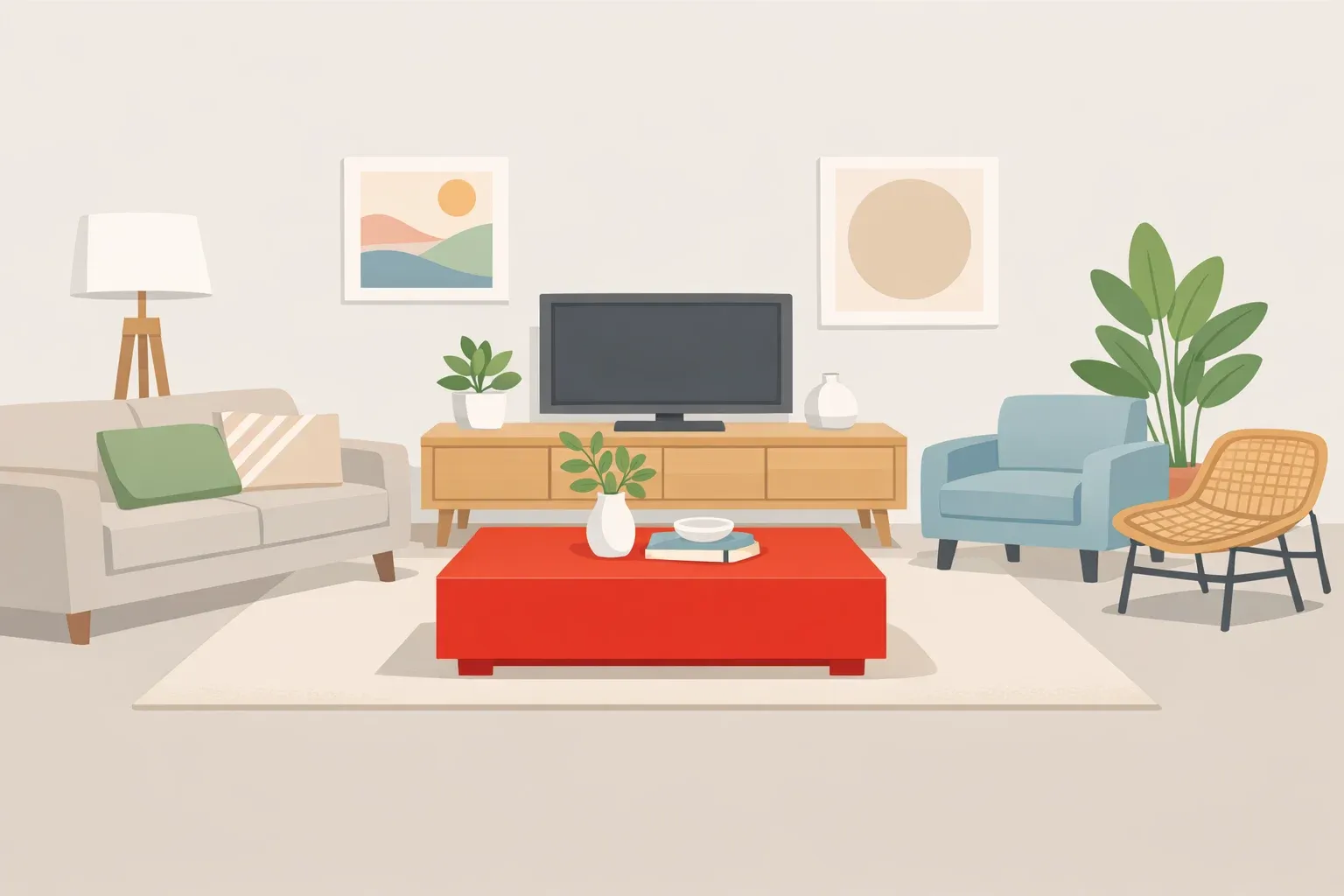
Materials handle the surfaces. What goes into the room is a separate decision, and it's the one that makes it read as yours instead of an aged catalog spread. Hawaii-based firm Patina Interior Design paired a client's existing midcentury furniture with new Danish modern pieces and locally made items so the space "feels grounded and collected" rather than styled from a matching set. That's one design firm's stated approach on one project, not a universal formula, but the reasoning applies broadly.
There's a trap this step replaces: buying decor that only imitates age, mass-produced furniture styled to look like an era it never lived through, or brand-new hardware finished to look old. It runs into the same problem Freund and Lewis flagged earlier: a faked surface reads as fake up close, no matter how good it looks in a listing photo.
Ground this in the audit from earlier. Bring back the one inherited or secondhand piece you already identified, and add no more than one or two new personal finds rather than furnishing the whole room in one trip. Chupik Design's process starts by asking clients what memories they want to carry forward and what stories they want the home to tell, stating plainly that the goal is "not about perfection or matching sets."
Where you put that piece matters as much as keeping it. A grandmother's vase on a high shelf is decoration. The same vase holding cut flowers on a table you actually sit at is lived-in home decor. Put the inherited chair somewhere you'll actually sit in it, use the worn cutting board instead of saving it for guests, and let the secondhand rug take foot traffic in a hallway instead of staying rolled up for someday.
What success looks like, and when to stop
Expect a stable finish with attractive variation concentrated at contact points, not uniform, even color change across the whole surface. Brass will polish warmer and more golden right where hands fall.
Wood can go warmer or slightly gray depending on the finish, the light it gets, and how it's used, and either one is normal as long as the change tracks with where the piece actually gets touched. This is the distinction Nordnatur draws between "wear," which is damage, and "character," which is patina.
Only apply oil, wax, or soap-and-water cleaning to a surface once you actually know what the finish is, and check manufacturer or maker instructions first. This is a caution, not a hard rule, but it's a cheap way to avoid stripping something you can't put back. Nordnatur's oiling schedule, roughly every one to three years depending on traffic, applies specifically to oiled wood finishes, not lacquered, sealed, or unknown coatings.
For an inherited or antique piece with heavier grime, tarnish, or damage, start with a soft duster or a small amount of mild soap and water. If that doesn't clear it without disturbing the finish, stop there and call a restoration specialist rather than reaching for stronger cleaners.
That's the whole method, and it stays small on purpose. Finish the audit in the one room you started with, photograph the piece that's already doing the work of feeling lived-in, and don't buy anything else until you've picked one material you're willing to let change color or texture over years.
Layer in one or two personal finds instead of restocking the whole room at once. Do that, then let daily use do the rest, which is how a home ends up feeling warm and inviting instead of staged.

Comments
Be the first, drop a comment!