



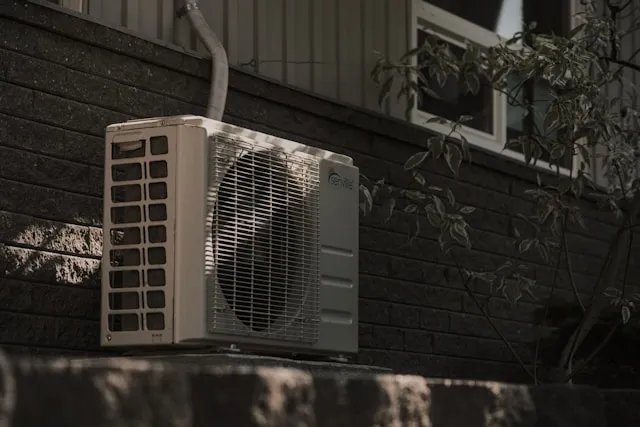
Before you call a contractor, separate the heat pump installation cost into two buckets: the work required for a safe, properly sized system, and the features that are optional. That distinction, more than any single number, determines whether you overpay.
The national median heat pump installation cost is $12,200, based on data pulled from 1,393 ZIP codes, 760 counties, and all 50 states. A separate benchmark specifically for ducted systems comes in thousands of dollars lower, at $8,348. Neither figure will tell you whether your own bid is fair. What will is working through the same checks on every quote before you sign anything:
Confirm the equipment model and capacity match a load calculation done for your home.
Confirm which work is genuinely required, and get anything excluded from the price in writing.
Separate optional upgrades from the baseline your load calculation actually supports.
Verify any incentive directly with the program offering it, using the full pre-incentive price as your comparison point.
Compare financing terms and deposit amounts, not just the monthly payment.
Check the installed model against the signed quote before handing over final payment.
The rest of this guide walks through each of those checks, along with the cost data that explains why they matter.
Heat pump installation costs by state
The $12,200 median comes from a broad national sample, but state medians varied widely. Homeowners in Connecticut and Massachusetts reported a median installation cost of $18,000, while Wisconsin homeowners reported a median of just $4,500.
The Massachusetts number isn't an outlier: a separate analysis by Rewiring America of public data from the state's Whole-Home Heat Pump Pilot program put the median project cost at roughly $18,300, close enough to line up with the survey figure, as reported by Consumer Reports Innovation last month.
None of this data explains exactly why a given state lands where it does. Local labor rates, home stock, and climate all play a role, but treat these numbers as context for what your neighbors are likely paying, not as a target for your own bid.
How much does a heat pump cost to install in an older home?
Two variables move the number in a way you can plan around. Installation averaged $3,500 more in homes built before 1970 compared to newer construction, and costs rose by roughly $670 for every additional 100 square feet of home.
The data doesn't say why older or larger homes cost more to convert. If a contractor cites electrical, duct, or insulation work as the reason for a higher bid on an older house, ask them to point to the specific line item driving that cost rather than accepting the age of the house as an explanation on its own.
Before contacting anyone, gather what you can determine on your own:
Home age and approximate square footage
Current heating fuel and the age of your existing equipment
A stretch of recent utility bills, so you have a baseline once the new system is running
Specific comfort complaints, like a bedroom that never cools down or a basement that stays cold
Whether your electrical panel's amperage is listed on the panel label
That's the limit of what a homeowner can safely determine alone. Reading a panel label or pulling old utility bills is fine to do yourself; opening a panel or sizing equipment is not. How much heating and cooling capacity your home actually needs comes from a load calculation, commonly called a Manual J calculation in the HVAC trade, that weighs your home's actual construction and layout rather than relying on square footage alone. A square-footage guess or an online rule of thumb isn't a substitute for that calculation.
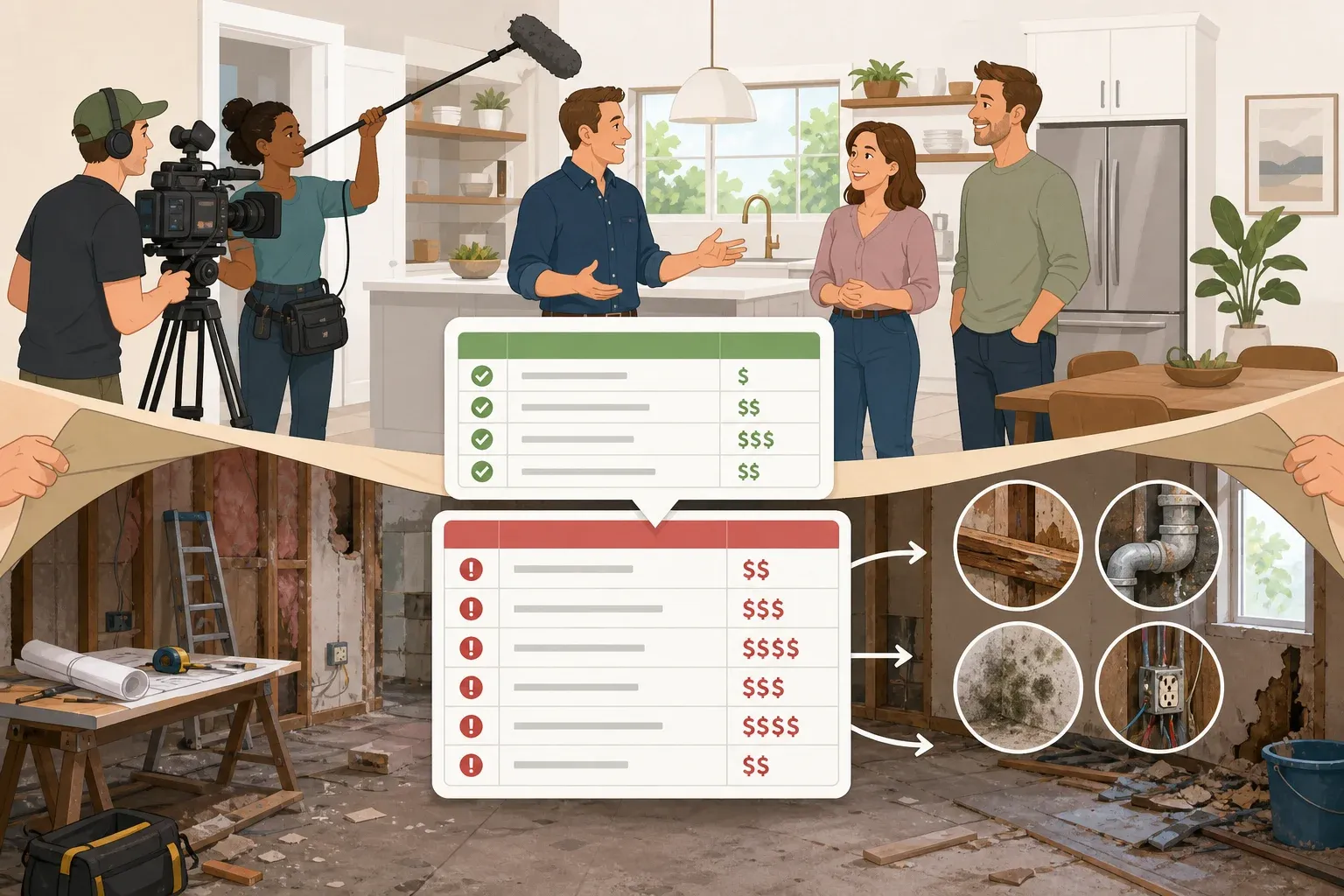
Required scope versus optional upgrades
Once you have a load calculation in hand, the next step is sorting out which parts of a bid are genuinely necessary and which are add-ons. Rather than assuming any list applies to your home, ask the contractor to answer these directly, in writing:
Is the equipment sized to a load calculation for this specific house, or to a square-footage estimate?
Does the quote include enough electrical capacity for the new equipment, and if not, what does that add to the price?
Are permits, duct modifications, or insulation work included, and what's the specific reason for each one?
Once you have those answers, anything beyond the load-calculation baseline — a premium equipment tier, an extended smart-thermostat package, a brand upcharge — falls into optional territory. Weigh it against a specific benefit for your home, not a sales pitch about which model is "better."
A homeowner can request and read a written load calculation but can't independently verify it's accurate. If one bid looks noticeably oversized or undersized compared to another contractor's numbers for the same house, that's a reason to get a second professional opinion, not a reason to split the difference yourself.
Heat pump electrical panel upgrade cost
There's no panel-upgrade price in the Consumer Reports data behind this article, only the frequency: about 20% of surveyed heat pump owners needed a panel upgrade to complete their installation. That's a cost a meaningful share of homeowners face, but the research doesn't say what a typical upgrade runs.
If a contractor tells you your panel needs replacing, ask for the specific electrical reason, meaning your current amperage versus what the new equipment draws, a separate itemized price for the panel work alone, and who's responsible for the permit and inspection. R
eading the amperage printed on your panel label is a reasonable first step, but it only tells you the panel's rated capacity, not whether that capacity can safely support a heat pump alongside your home's existing electrical load. That determination belongs to an electrician. You can still shop the labor like any other line item: get a second quote for the panel work specifically if the number feels high.
Deciding if a premium upgrade is worth the extra cost
Heat pumps do double duty, heating and cooling the same home and often replacing a furnace and a separate air conditioner. Consumer Reports describes the potential for a typical family of four to save around $550 a year on electric bills by switching. That figure describes a potential average, not a guaranteed result for a specific home. It depends on climate, current fuel source, local electricity rates, and how well the house is insulated.
Use that $550 figure as a comparison tool rather than a promise. If a more efficient model costs meaningfully more than the baseline equipment your load calculation supports, ask the contractor for an estimated savings difference and the assumptions behind it, instead of accepting "it's more efficient" on its own.
A few premium features are worth asking about directly, since whether they pay off depends on your specific home rather than being true across the board:
Cold-climate performance, relevant if you get hard winters and plan to rely on the heat pump as your primary heat source
Quieter outdoor unit operation, relevant if the unit will sit near a bedroom window or a shared property line
Longer or more thorough warranty coverage on parts and the compressor
Ask the contractor to explain, in plain terms, what an upgrade does for your specific house. If the answer amounts to "it's the better model," treat it as optional spending until someone ties it to a measurable benefit for your situation.
Comparing quotes side by side
Ask every bidder for the same fields, in the same format, so the totals are actually comparable: equipment model and capacity plus load calculation results, labor, permits, any electrical or duct work spelled out rather than implied, old-equipment disposal, warranty terms tied to the exact model rather than the brand generally, and a list of what's excluded.
A Consumer Reports window-shopping experience, published in 2024, shows why scope details matter even outside heat pumps. One company quoted an "insert" replacement fitting into an existing frame, while another quoted a "full-frame" replacement that swaps out the whole frame, two different jobs carrying two different price tags. Confirm exactly what scope of ductwork, electrical work, and labor each heat pump bid actually covers before comparing totals against each other.
The warranty lesson from that same reporting carries over too. A Renewal by Andersen sales rep mentioned a 20-year limited lifetime warranty on the Fibrex material used in the company's windows, but the windows Consumer Reports actually purchased carried only a 10-year Fibrex warranty.
That's not necessarily bait-and-switch; different product lines can carry different terms. But it shows that different warranty terms appeared in the sales discussion and the purchase documents, which is exactly why you get warranty length for the specific model you're buying in writing, not from what a rep says out loud.
Financing deserves the same scrutiny. That 2024 report listed GreenSky loan APRs of 15.99% to 24.99% alongside a 12-month no-interest period. Those exact rates may not apply today, but the pattern holds: ask any contractor offering in-house financing what the current APR is and read the agreement to see what happens once the promotional period ends, before treating financing as a discount.
Checking incentives before you count on them
Rebates and tax credits can lower the heat pump installation cost, but don't build them into your budget until they're confirmed. Fewer than half of surveyed heat pump buyers received an incentive at all, and among those who did, the median amount was $2,000. Location matters too: respondents in Vermont were the most likely to receive an incentive, while respondents in Alabama were the least likely.
Confirm eligibility directly with the rebate program, not just through a contractor's "after-rebate" price on the quote. If you're not eligible, compare bids using their full pre-incentive prices so you're not budgeting around money that may never show up.
Payment terms worth pausing over
NAHB and NARI guidance, published late last year, recommends paying no more than one-third of the total cost upfront, and only to get work started or materials ordered. Everything should be documented in writing. If a contractor asks for more than a third before any work begins, that's a reason to pause and ask why, not a reason to assume it's standard practice.
A complete, signable quote should include itemized labor and equipment costs, the load calculation attached or referenced, any required electrical or duct work spelled out rather than implied, exact warranty terms for the model you're buying, rebate eligibility confirmed in writing, and the total financed cost disclosed if you're not paying cash.
What to do once the installation is finished
Before your final payment, check the model number and capacity on the installed unit against what's written in your signed quote. Confirm that any work you were promised, electrical upgrades, duct changes, permits, actually happened rather than just appearing as a line item marked complete.
Keep every document: the load calculation, the itemized quote, the warranty paperwork, and any rebate confirmation. If your first full heating or cooling season doesn't match what your written estimate projected, or a comfort complaint you raised beforehand still hasn't improved, call the contractor with your utility bills and the original estimate in hand. Work through the numbers against what was documented before assuming the equipment itself was the wrong choice.















Comments
Be the first, drop a comment!