




Turn Your Builder-Grade Home Into a Custom Showpiece
Difficulty: Moderate
Time: Varies by project (2 hours to several weekends)
Cost: $50 - $500+ per upgrade
Why You'll Like This Guide
Builder-grade homes often feel like they rolled off an assembly line—and honestly? That's because they essentially did. But here's the encouraging news: Harvard's Joint Center for Housing Studies projects homeowner remodeling spending will reach $524 billion in early 2026, proving homeowners everywhere are refusing to settle for cookie-cutter spaces.
The secret isn't about ripping everything out—interior design experts confirm that transforming your builder-grade home into something custom-looking is all about strategic elevation through thoughtful upgrades and smart design choices. With the right approach, you can create a home that looks intentionally designed rather than mass-produced.
What You'll Need
Materials (varies by project)
Crown molding or ready-to-install molding kits
Quality cabinet hardware (brushed brass, matte black, or polished nickel)
Paint and primer (earth tones like sage, olive green, terra cotta)
Light fixtures that reflect your style
Natural materials (solid wood, marble accents, quality textiles)
Tools
Drill with bits
Measuring tape
Level
Paintbrushes and rollers
Miter saw (or have materials pre-cut at hardware store)
Screwdriver set
Safety First
Power OFF at breaker when working with electrical fixtures; verify with a non-contact tester
Wear safety glasses when drilling or cutting
Use drop cloths to protect flooring during paint projects
Adult supervision required for any power tool use
High-Impact Upgrades: Start Here
1. Add Architectural Character with Molding
The biggest difference between builder-grade and custom homes? Architectural details. Design experts recommend custom molding for walls, ceilings, and baseboards as one of the most transformative upgrades you can make.
Steps:
Measure and plan your crown molding installation, marking wall studs.
Tip: Home improvement specialists suggest ready-to-install molding kits make this project more accessible than ever.
Cut molding pieces to fit, using a miter saw for clean 45-degree angles.
Install with finishing nails into wall studs, then fill nail holes and paint.
Why it works: Crown molding creates visual height and draws the eye upward, while detailed baseboards signal quality craftsmanship instead of builder-basic finishes.
2. Transform Your Kitchen Without a Full Renovation
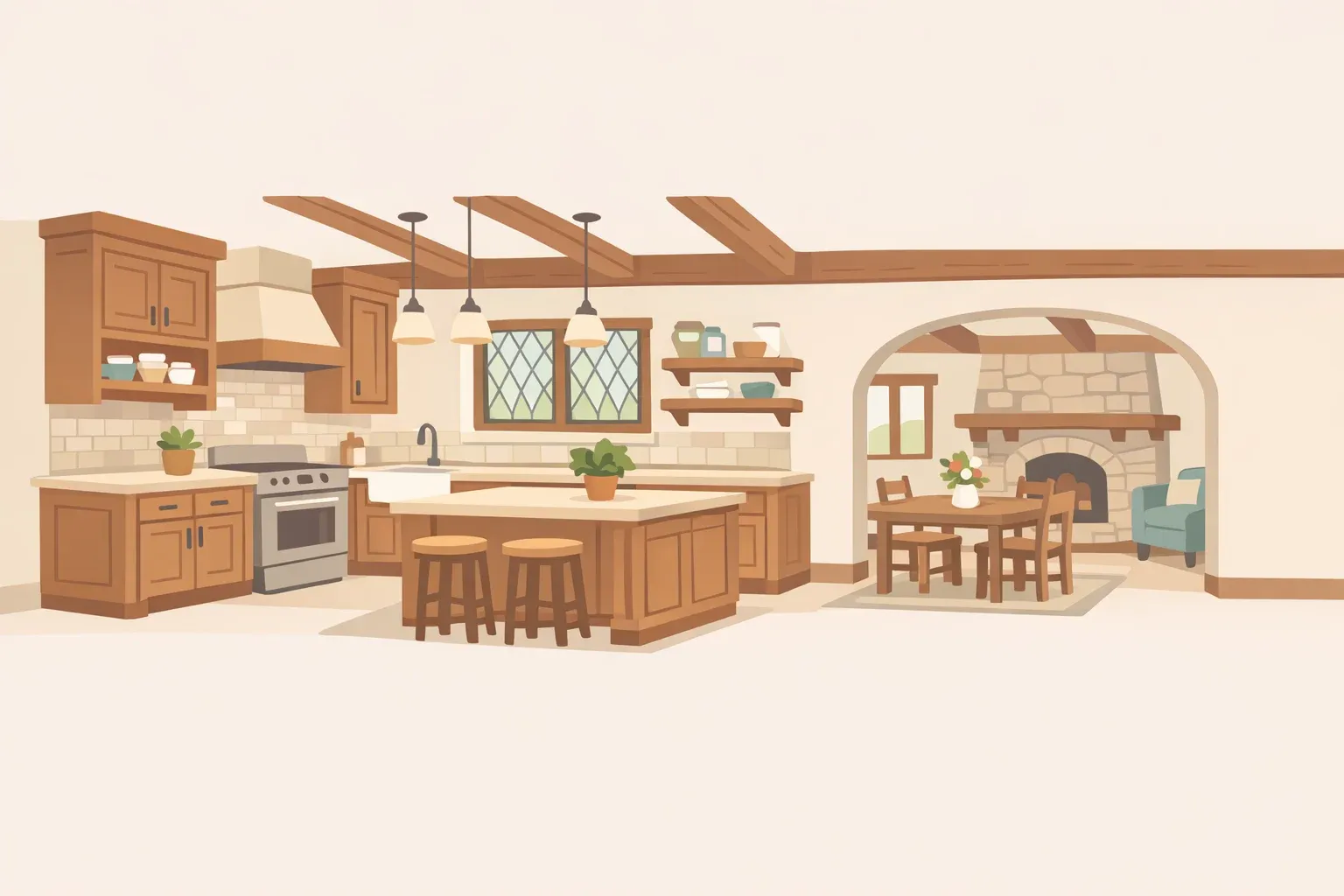
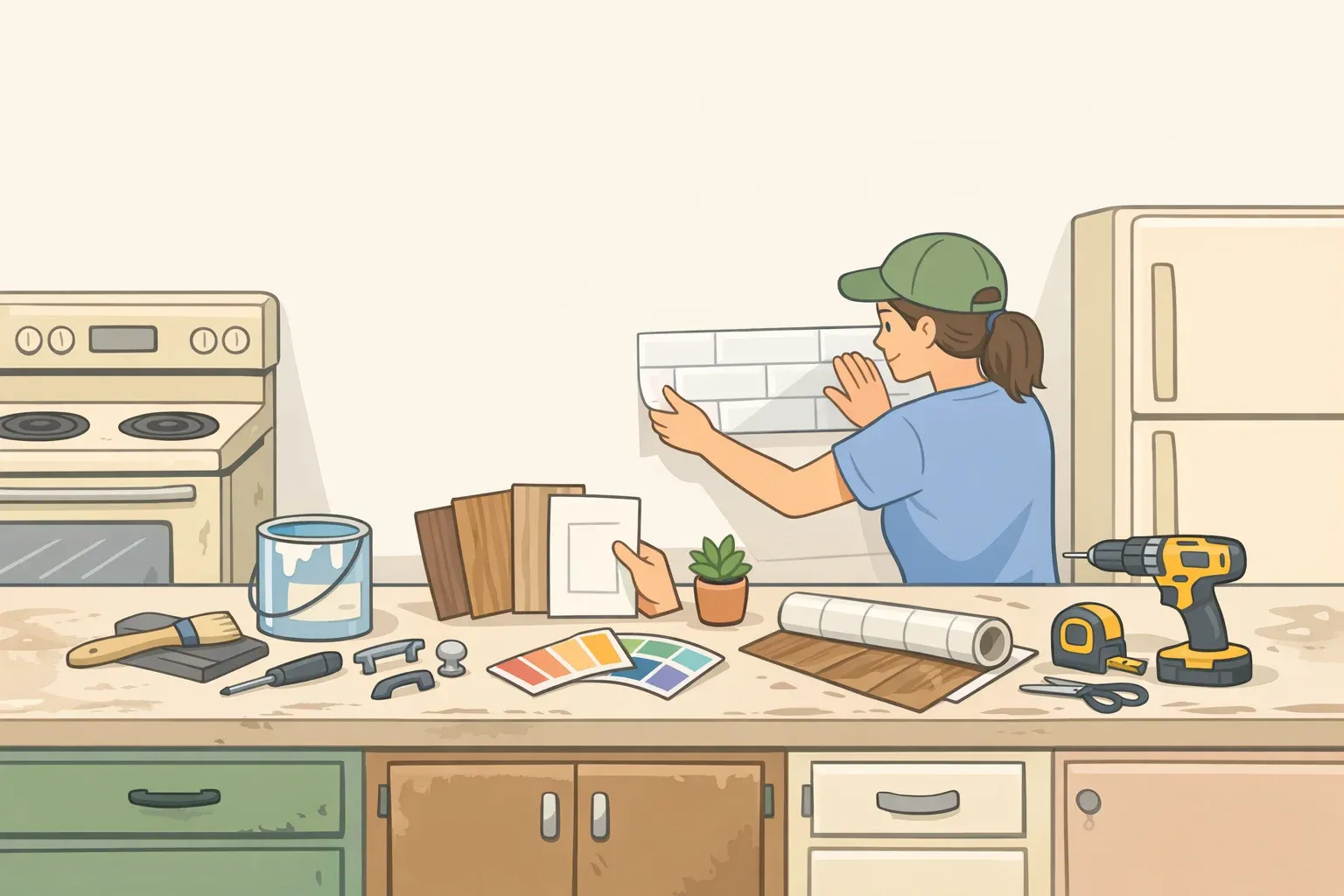
Your kitchen offers some of the highest-return opportunities for creating a custom look. Kitchen design trends show that traditional style is making a comeback, with inset cabinetry, plate racks, and richly stained woods bringing craftsmanship to spaces.
Cabinet Elevation Steps:
Extend upper cabinets to the ceiling by adding MDF and crown molding, as achieved by interior designers.
Add furniture-style feet to base cabinets for a built-in furniture appearance.
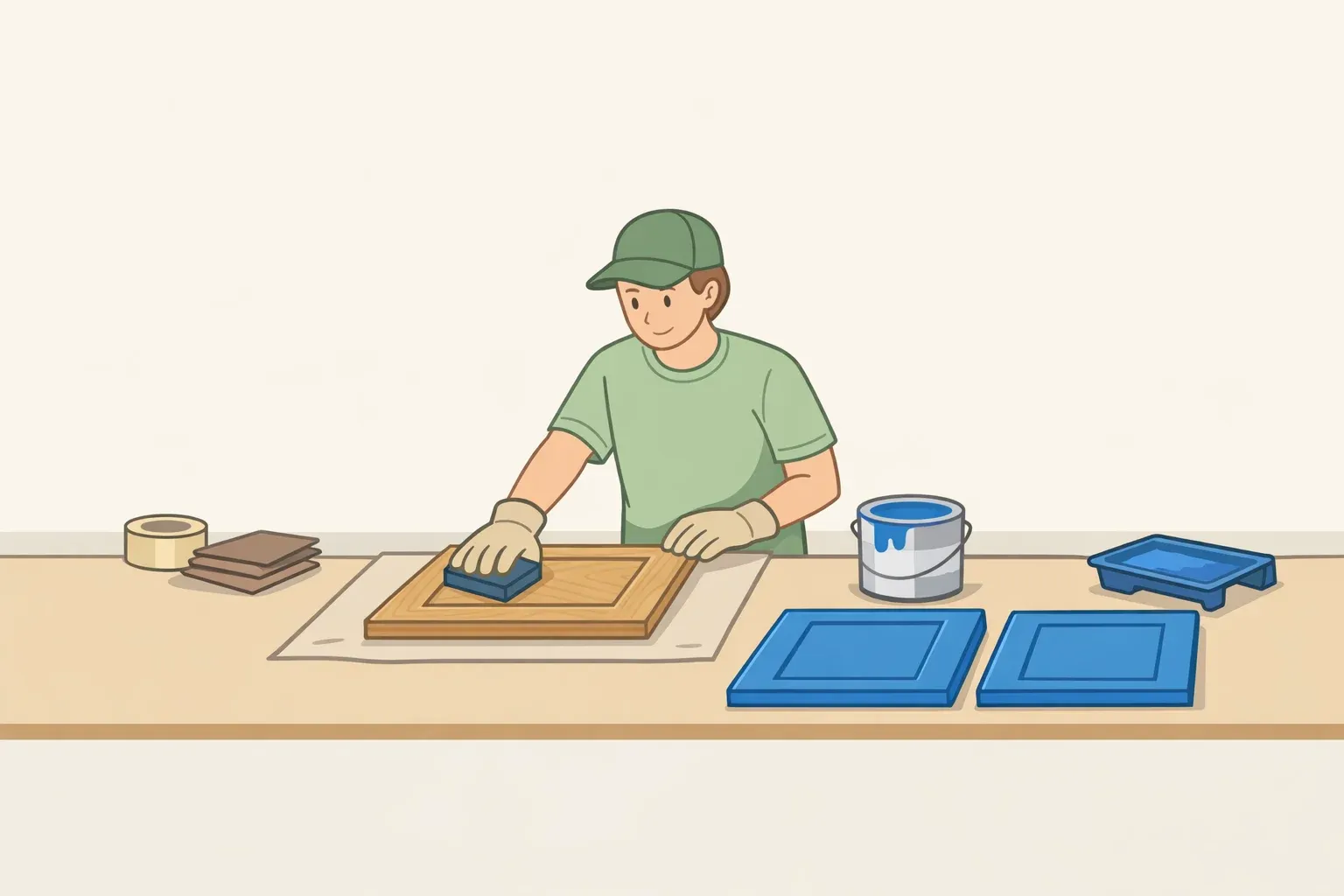
Swap hardware for quality finishes like brushed brass or matte black.
Why it works: Renovation experts note that hardware swaps create dramatic change where the impact far exceeds the investment.
3. Upgrade Lighting: The Jewelry of Interior Design
Nothing transforms a space quite like upgraded lighting, which designers often call the "jewelry" of a room. Home design professionals emphasize that swapping builder-basic fixtures for pieces that reflect your style makes rooms feel more finished and intentional.
Lighting Upgrade Steps:
Power off at breaker and verify with non-contact tester before removing old fixtures.
Install new fixtures following manufacturer instructions.
Safety note: Consult an electrician if you're uncomfortable with electrical work.
Add dimmer switches to customize brightness levels.
Luxury trend reports for 2026 highlight custom lighting as a defining element (see Lutron's 2026 Luxury Residential Trend Report).
Strategic Paint and Color Applications
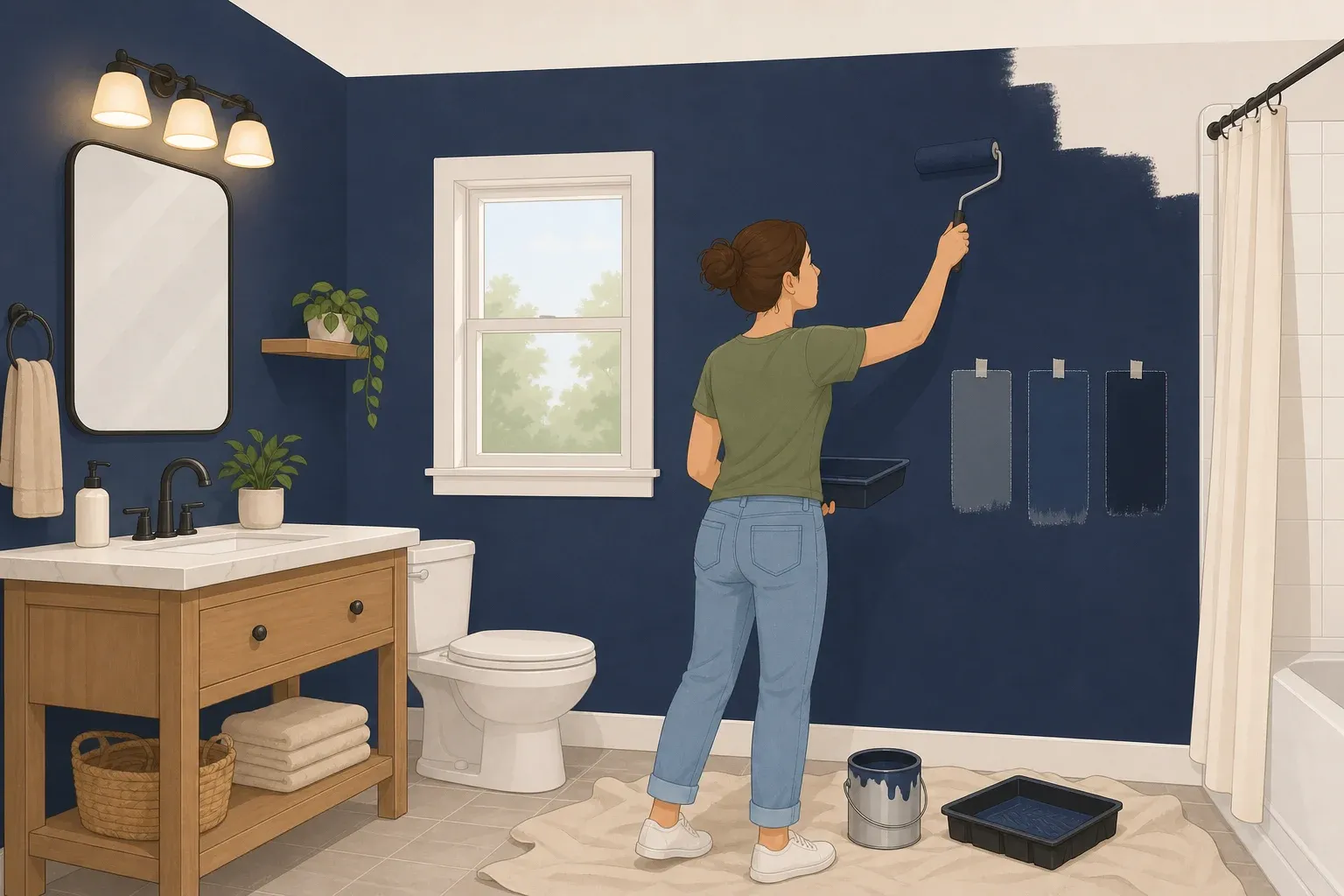
Paint remains your most cost-effective transformation tool, but strategic application is key. Color specialists report that the era of all-white interiors is ending, with homeowners craving warmth and depth through earth tones like sage, olive green, and terra cotta.
Paint Strategy Steps:
Choose warm earth tones over generic beiges and grays for depth and sophistication.
Paint interior doors in contrasting colors like Revere Pewter instead of standard white.
Tip: This designer trick immediately makes spaces feel more custom and considered.
Consider ceiling color to add visual interest beyond just walls.
Why it works: Home value studies indicate that fresh paint can add an average of $12,130 to home value—impressive return on a weekend project.
Smart Material Choices That Signal Quality
The materials you choose can make or break the custom home illusion. Design trend analysis shows warm and medium wood tones are making a strong comeback, with walnut, cherry, and quartersawn white oak replacing lighter finishes for added richness.
Material Strategy:
Use natural materials strategically - maybe marble backsplash instead of full countertops
Upgrade to solid-core doors which home improvement guides note provide better sound dampening than hollow-core alternatives
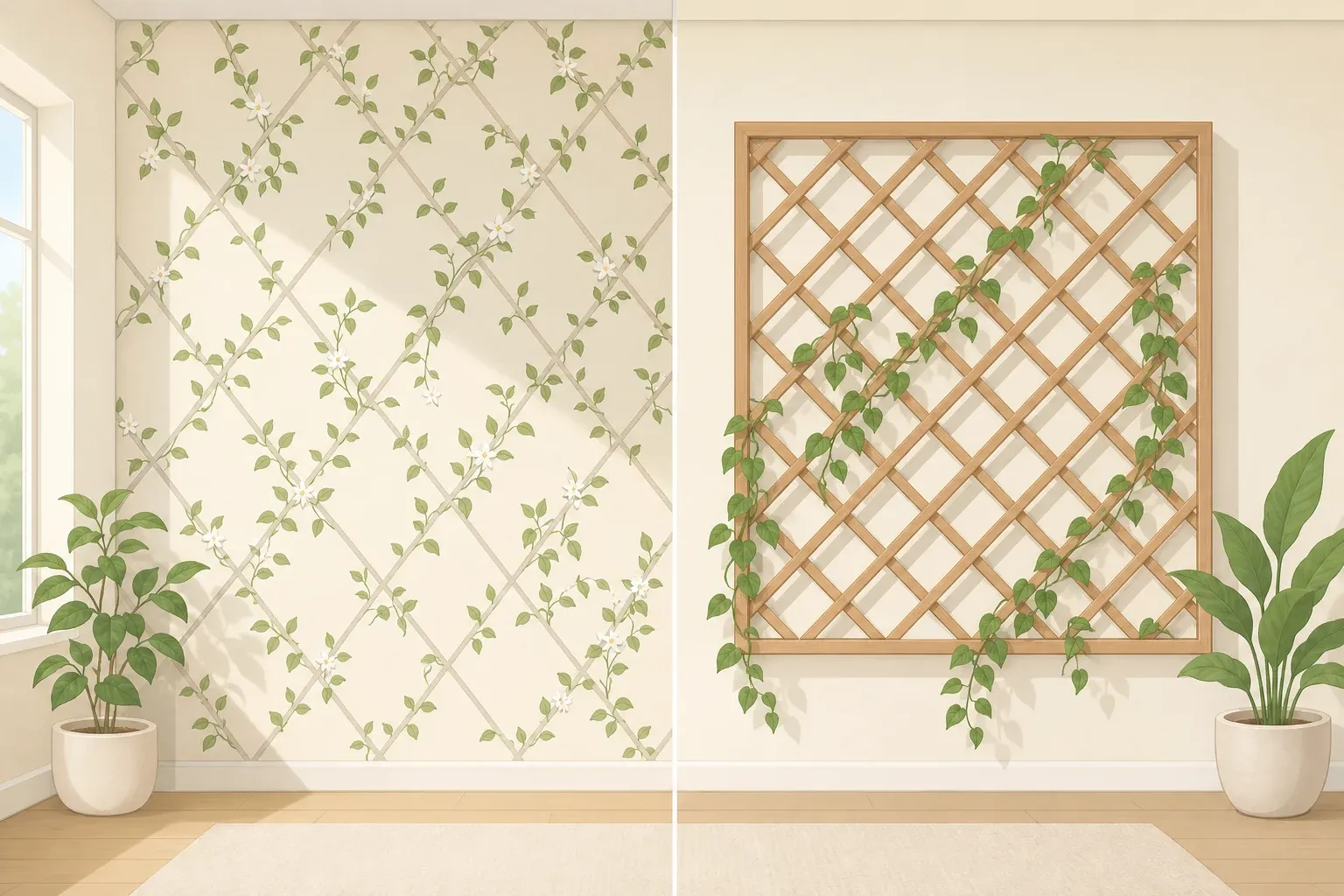
Add texture through textiles like linen window treatments, wool rugs, or woven grass cloth wallpaper
Budget-conscious design experts recommend incorporating natural materials wherever possible, as real marble, solid wood, and quality textiles immediately signal higher-end construction.
Troubleshooting Common Issues
Problem: Molding gaps at corners → Fix: Use paintable caulk to fill gaps before painting
Problem: Hardware doesn't align with existing holes → Fix: Use wood filler for old holes, drill new ones with template
Problem: Paint looks uneven → Fix: Use quality primer first, apply thin coats rather than thick ones
Your Transformation Roadmap
Home transformation experts emphasize that this process works best in phases:
Audit your current finishes - identify the most obviously builder-grade elements
Define your style direction - traditional warmth, modern simplicity, or transitional blend
Tackle high-impact upgrades first - lighting, paint, hardware for maximum visual impact
Add architectural details - molding, door upgrades, built-in looks
Layer in quality materials - strategically placed natural materials and textures
Cleanup & Disposal
Store leftover paint properly labeled for touch-ups
Dispose of old fixtures at local recycling centers
Clean brushes with appropriate solvents
Save hardware packaging for warranty information
Variations & Budget Options
Budget-Conscious: Start with paint and hardware swaps ($100-$300 total)
Mid-Range Investment: Add molding and one major fixture upgrade ($500-$1,500)
Full Transformation: Combine multiple upgrades over 6-12 months ($2,000-$5,000)
Design professionals confirm that most of these upgrades can be DIY projects with simple tools and tutorials, making custom style accessible regardless of budget. Remember, every builder-grade home has the potential to become extraordinary—it just takes imagination, strategic planning, and a willingness to invest in the details that transform a house into a home that truly reflects your personal style.
Comments
Be the first, drop a comment!