



Most rental apartments feel temporary because renters often start with the wrong upgrades. A rental starts to feel more personal when the first changes add visual impact, move with you, or come off cleanly before move-out.
Every upgrade should pass one test: Is the visual payoff worth the cost and effort of undoing it? Start with changes that move with you, move next to products that can be tested and removed, and save anything involving paint, wiring, plumbing, or adhesive flooring for situations where the lease clearly allows it.
Before buying anything, pull out your lease and find the alterations clause. Many leases restrict paint, adhesive materials, fixture changes, and anything that affects walls, floors, wiring, or plumbing. For anything beyond furniture, rugs, lamps, art, and removable hooks, get written permission from your landlord or property manager. Rules vary by lease, building, and jurisdiction, so do not rely on verbal approval for changes you may need to defend later.
Step 1: Match upgrades to your lease timeline
The most expensive mistake renters make is decorating without first deciding how long they are staying. That decision affects what is worth buying, how much labor makes sense, and which upgrades are too risky for a short-term lease.
If you are staying fewer than two years, skip paint, adhesive flooring, and other surface treatments that take real effort to remove. Focus on furniture, rugs, curtains, lighting, art, and storage that can move with you.
If you expect to stay longer, some removable surface upgrades may be worth considering, but only after you test them and confirm the lease allows them. For most renters, the right frame is not cost recovery. It is reversibility.
Before spending anything, sort each planned upgrade into one of three groups:
Take with you: Furniture, rugs, freestanding lamps, art, cushions, and removable decor usually do not need lease permission because they leave with you.
Check the lease first: Curtains, peel-and-stick wallpaper, cabinet hardware, switch plates, and lightweight wall-mounted pieces may be allowed, but rules vary. Verify before buying or installing.
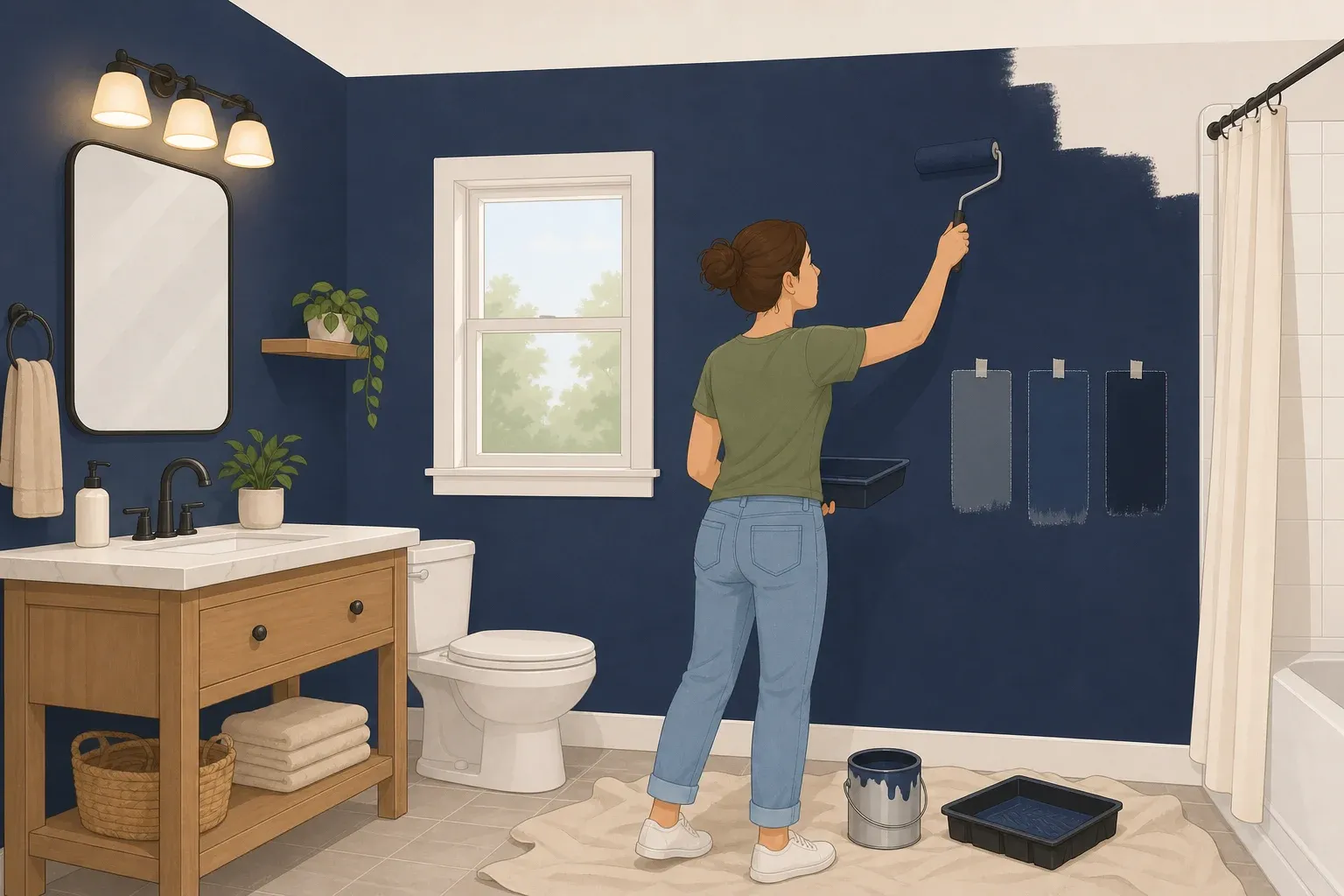
Get it in writing: Paint, adhesive floor tiles, hardwired light fixtures, appliance swaps, and plumbing-adjacent changes need written approval before you start.
Then run each idea through this filter:
Does it move with you when you leave?
Does the lease mention it?
Can you test removal in one hidden area before committing?
What will move-out reversal require: five minutes, an hour, adhesive remover, patching, repainting, or a contractor?
Is the stay long enough to justify the work?
If an upgrade fails questions two through four, treat it as a written-permission project no matter what the packaging claims.
Step 2: Start with walls and windows
Walls and windows create the biggest visual change in most rentals. They also offer some of the safest renter-friendly options when you avoid permanent installation.
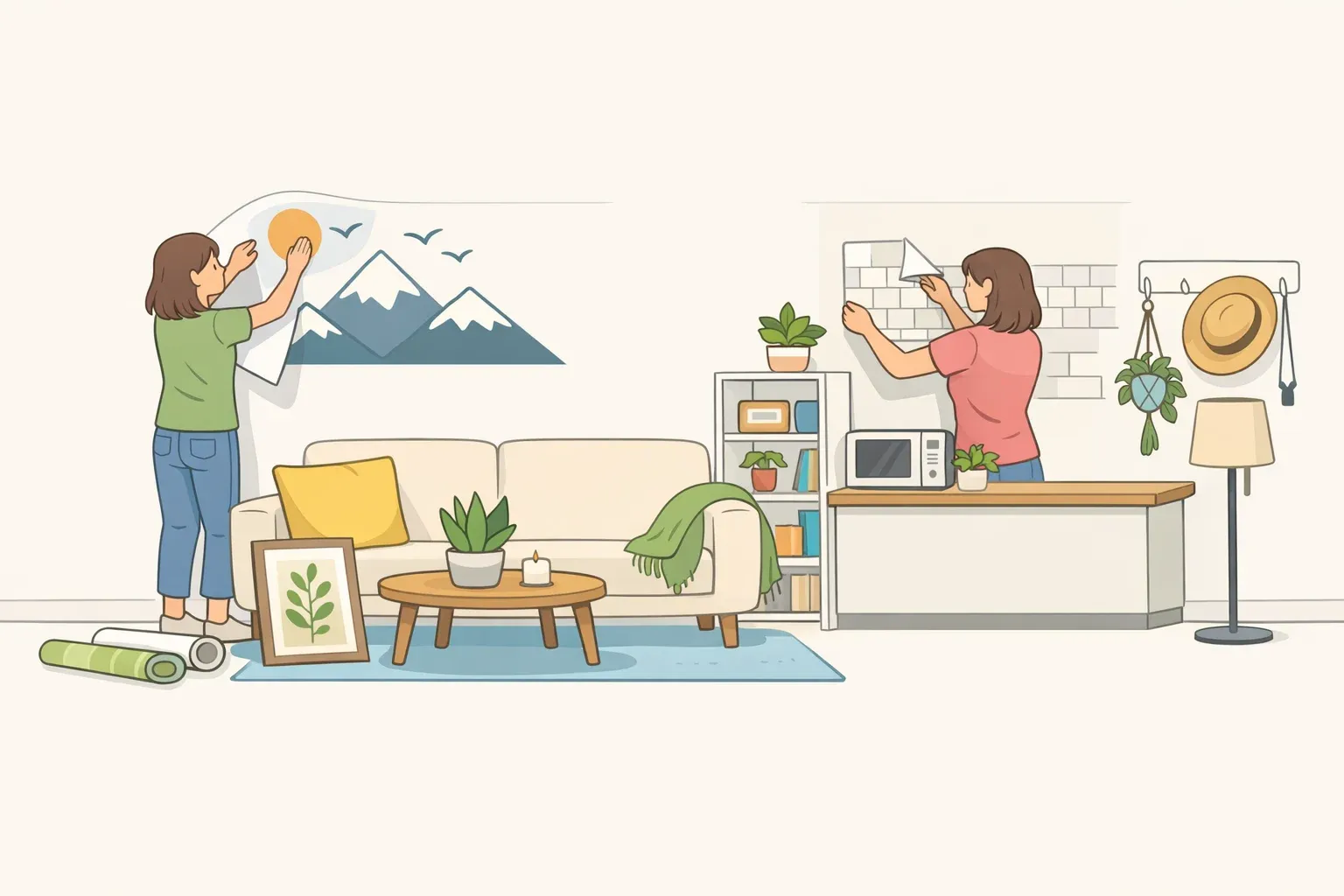
Start with the largest wall piece first. A substantial tapestry, mirror, oversized print, or gallery wall can anchor the room and reduce the urge to spend on bigger changes. Budget-friendly options work well here: digital art prints, secondhand frames, illustrations from old books, fabric panels, or handmade pieces.
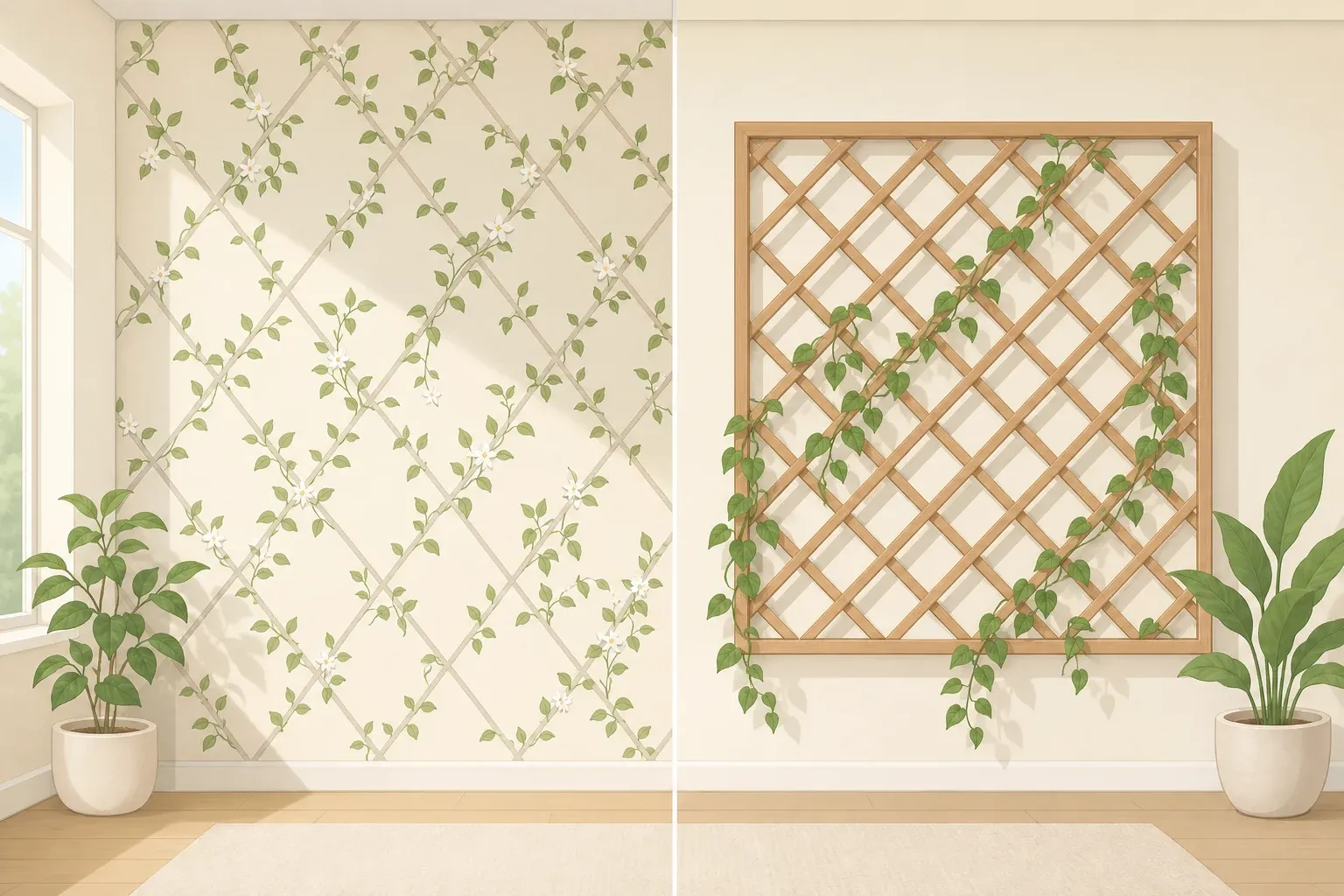
Peel-and-stick wallpaper can work well on an accent wall, especially on clean, smooth, dry surfaces. Better Homes & Gardens says peel-and-stick wallpaper is easier to work with than traditional wallpaper, but renters should still follow product instructions and order a sample before committing. Leave the sample up for several days, then remove it slowly. Texture, old paint, humidity, and cheap adhesive can all affect the result.
Curtains are the next high-impact move. Landlord-issued blinds often make a room feel unfinished, while curtains add color, softness, privacy, and height. Store the original blinds or shades in a labeled bag so they can be reinstalled before move-out.
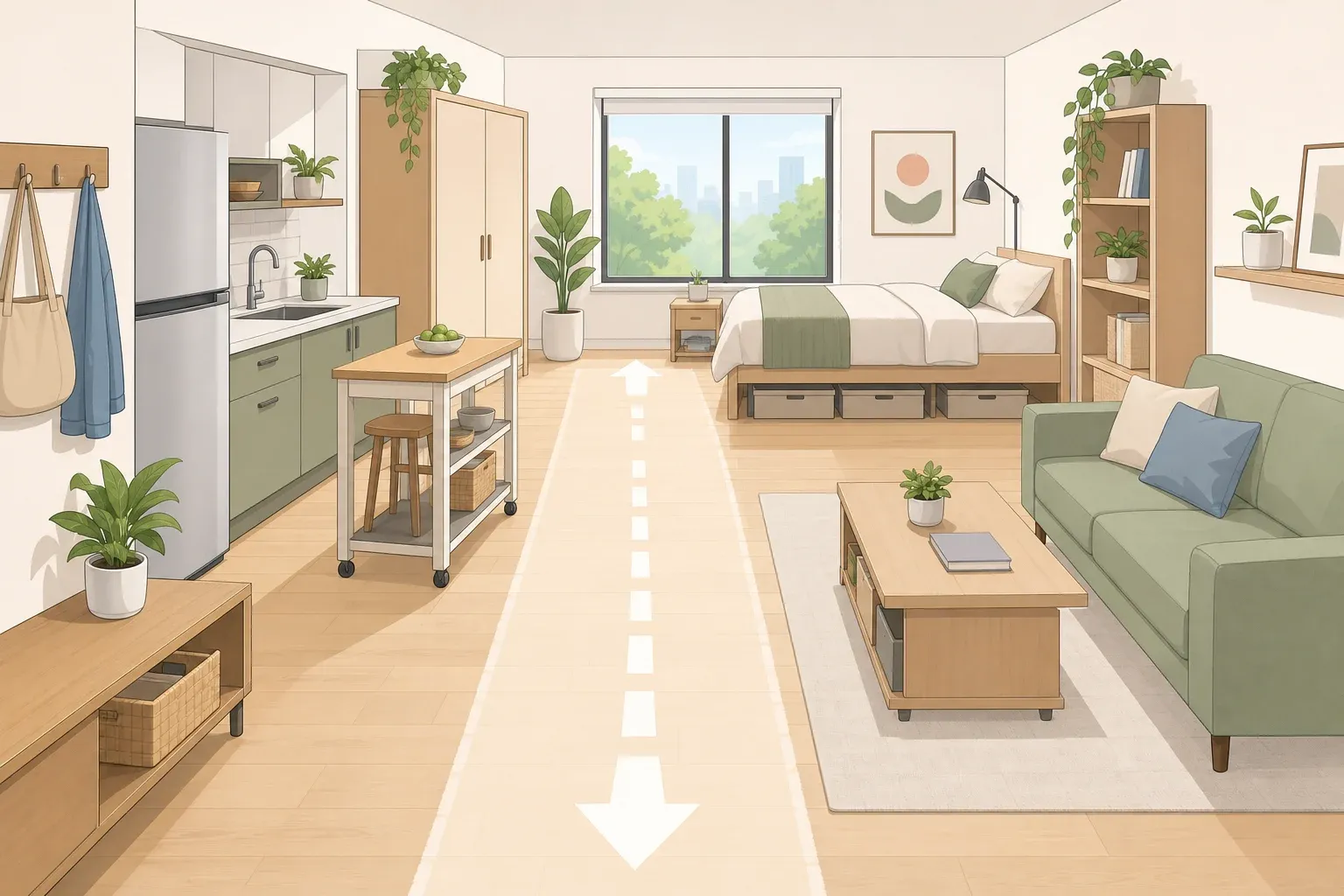
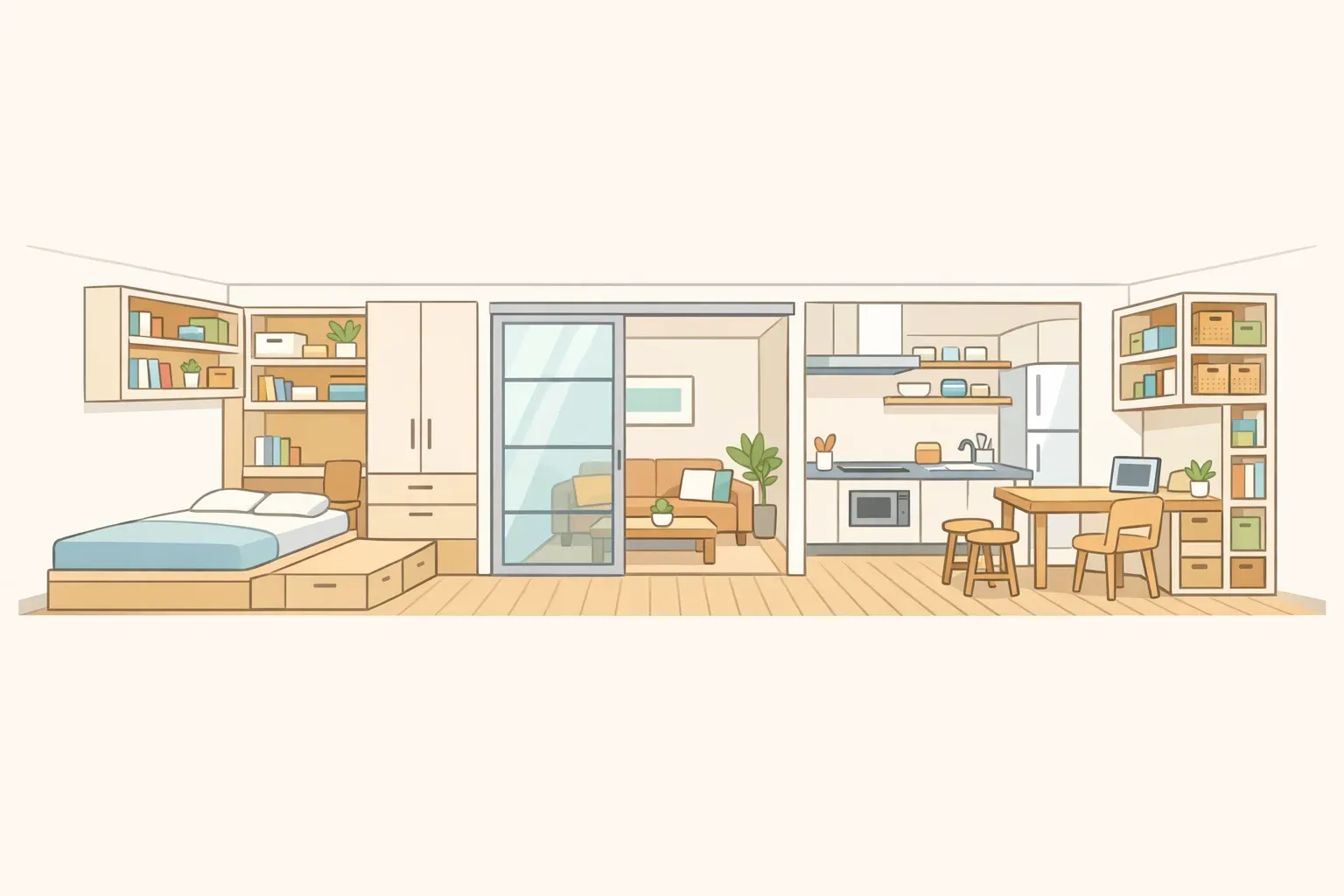
For studios, railroad apartments, or open-plan rentals, curtains can also divide living zones without construction. Use a tension rod where possible. If a curtain rod requires drilling, check the lease first and be prepared to patch the holes later.
Window film is another useful option for privacy, especially in street-facing apartments. Choose a removable version, test a corner first, and avoid anything that leaves adhesive on glass or trim.
Step 3: Add soft finishes that move with you
Once the walls and windows are working, textiles and portable lighting make the room feel finished. These are usually the safest upgrades because they can move to the next apartment.
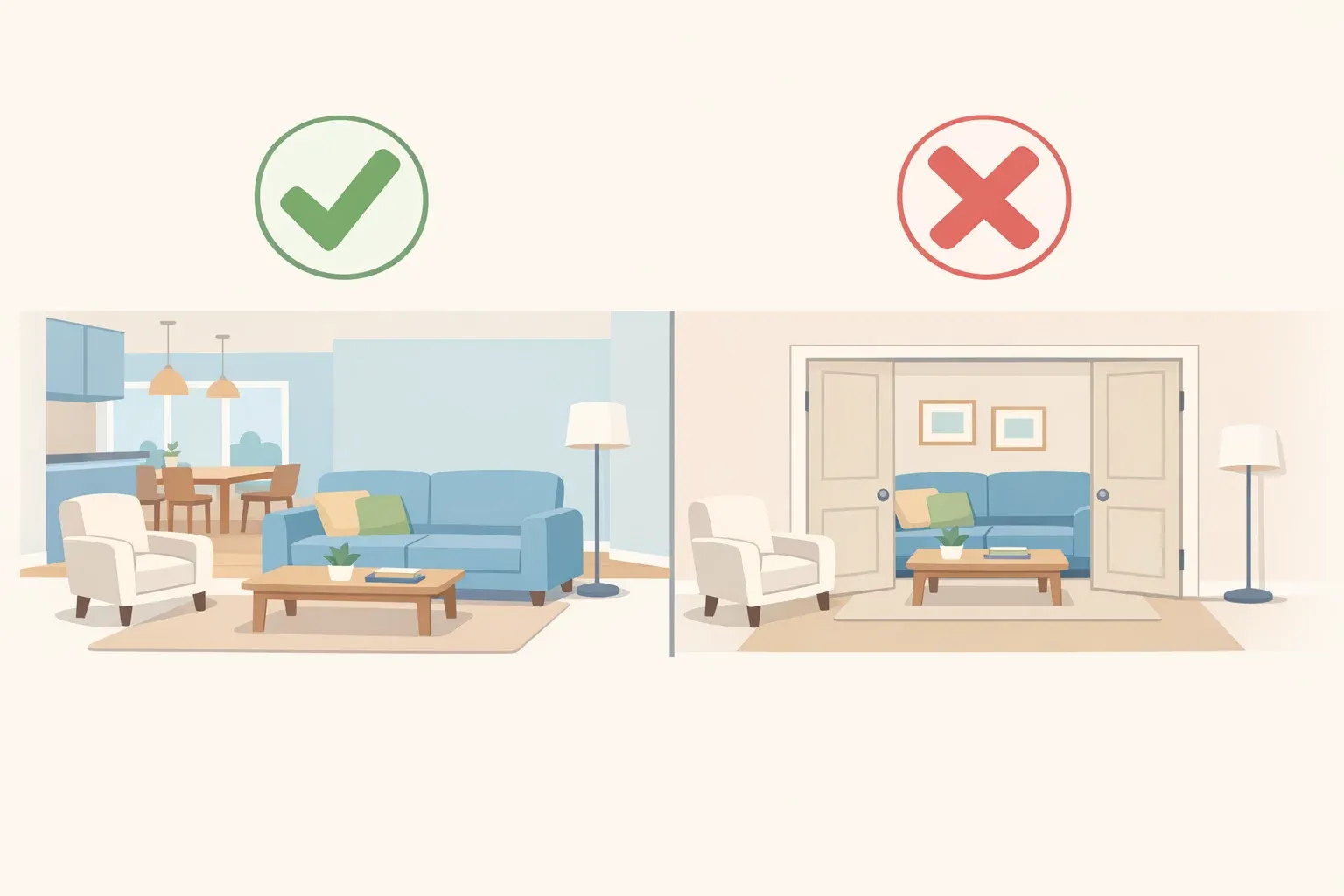
Rugs cover flooring you did not choose and make furniture arrangements look intentional. In an open room, a large rug can define the living area without dividers or shelves. In a bedroom, a rug softens the space and hides worn carpet, dated tile, or basic rental flooring.
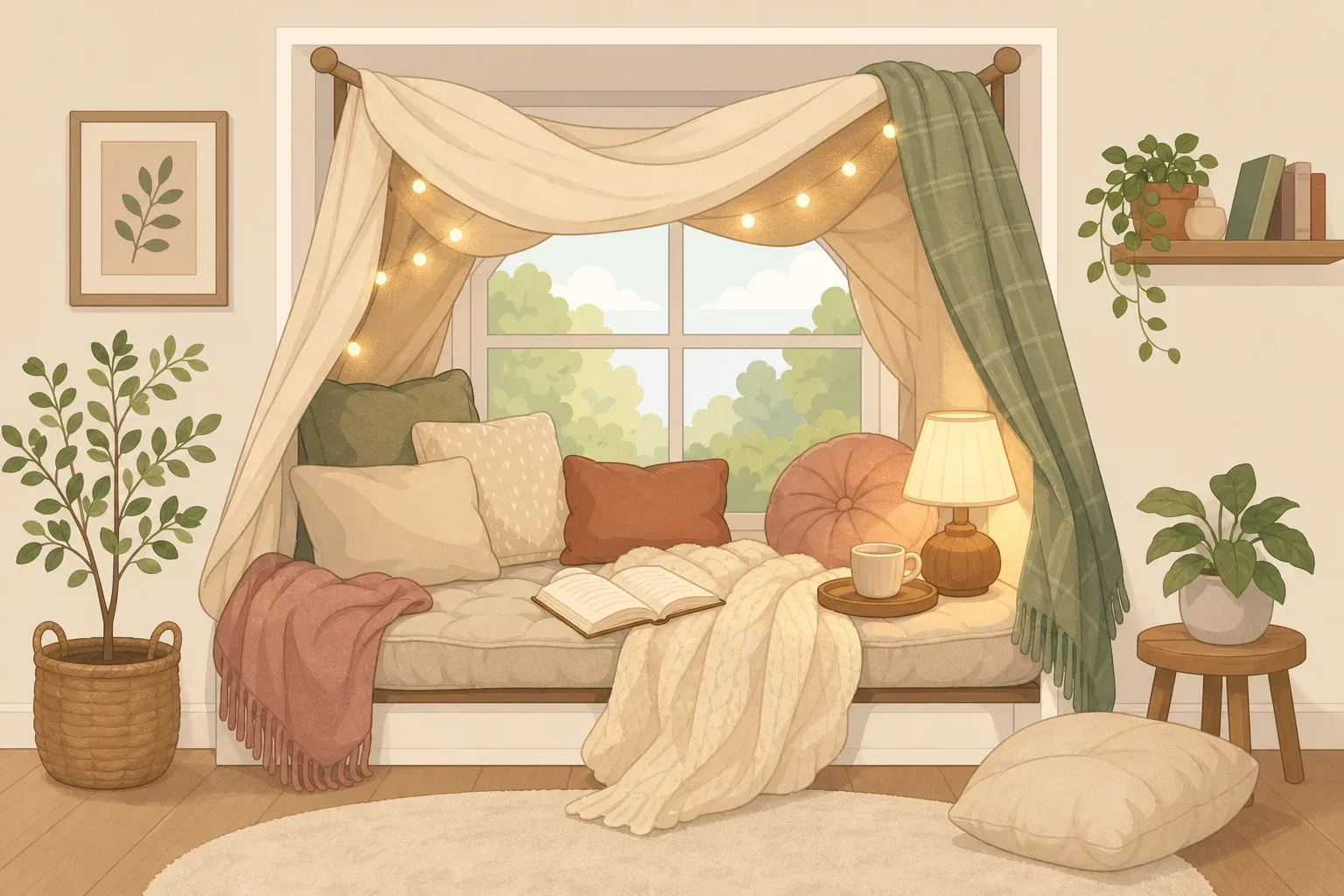
Cushions, throws, bedding, and lampshades are low-commitment ways to add color or texture. They are also easy to change when your style shifts or your next apartment has different light, flooring, or wall color.
Lighting is one of the simplest ways to make a rental feel less generic. Swap harsh bulbs for warmer ones, add floor lamps, use table lamps on sideboards or shelves, and consider plug-in sconces where hardwired lighting is not allowed. Better Homes & Gardens also recommends apartment-friendly ideas such as plug-in pendants and warm LED bulbs to soften rental lighting without major work.
Small switch plate covers are inexpensive and take only a screwdriver to change. Keep the originals in a labeled bag and reinstall them before move-out.
Step 4: Test removable upgrades before committing
Some upgrades are reversible in theory but risky in practice. Test them before covering a wall, floor, counter, or cabinet.
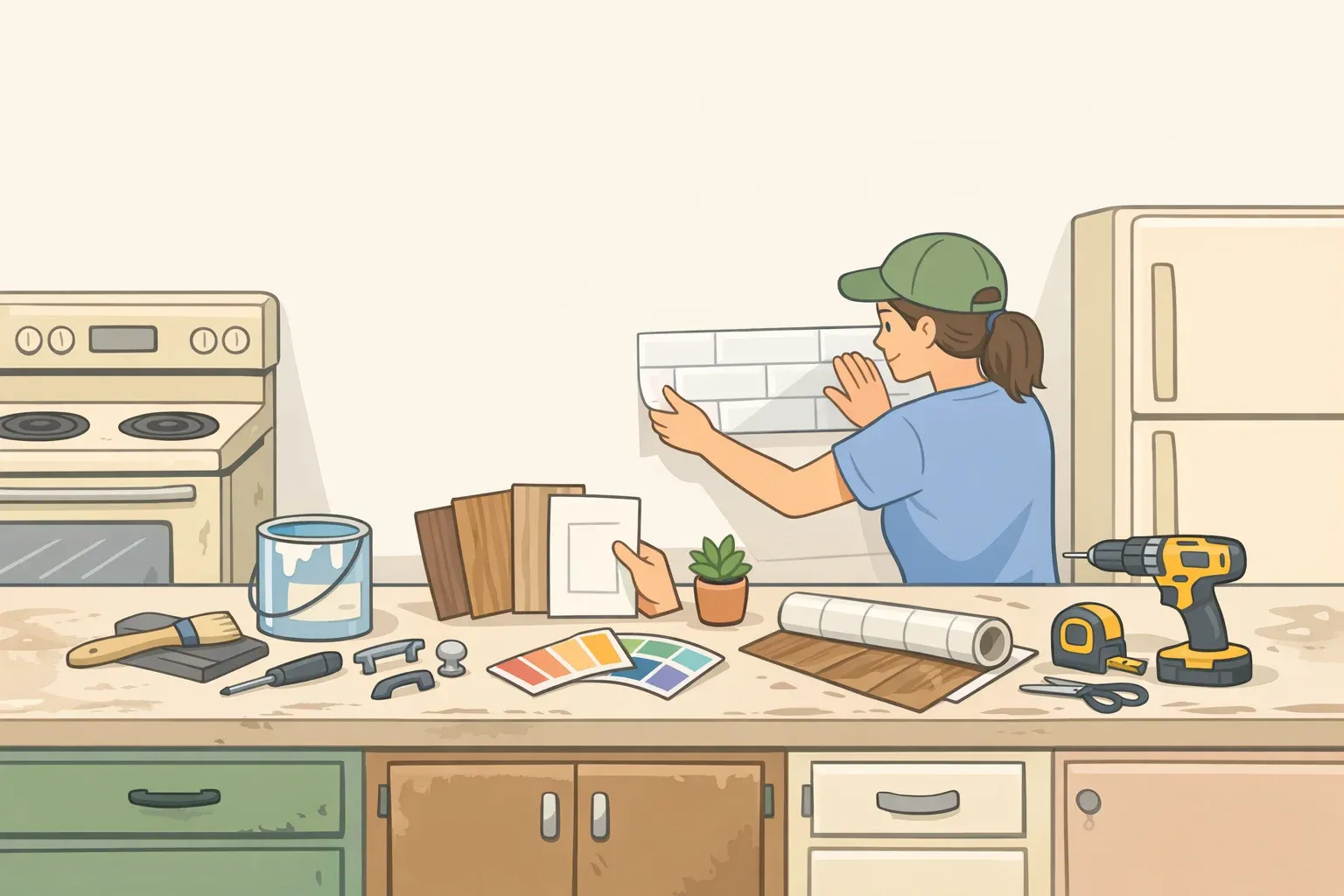
Cabinet hardware, drawer pulls, and knobs can usually be swapped in under an hour with a screwdriver. The visual difference in a kitchen can be significant, and the risk is low if the original hardware is stored and the new pieces fit the existing holes.
A standard showerhead swap is often simple, but check the lease first, keep the original, avoid forcing old fittings, and stop if there is corrosion, leaking, or unusual plumbing.
Hardwired lighting is different. Swapping a ceiling fixture can make a room feel more finished, but it should be handled only with written approval and a qualified electrician. Do not handle rental wiring yourself. For a no-wiring alternative, use plug-in pendants, rechargeable lamps, battery-powered puck lights, or floor lamps with fabric shades.
Adhesive floor tiles are the rental upgrade most likely to disappoint at move-out. Before covering a full floor, test one hidden tile-sized area and remove it after several days. Better Homes & Gardens recommends using heat, lifting from the corners, and cleaning leftover adhesive with a remover such as Goo Gone or WD-40. If the test leaves residue, pulls paint or finish, or requires heavy scraping, skip the full project.
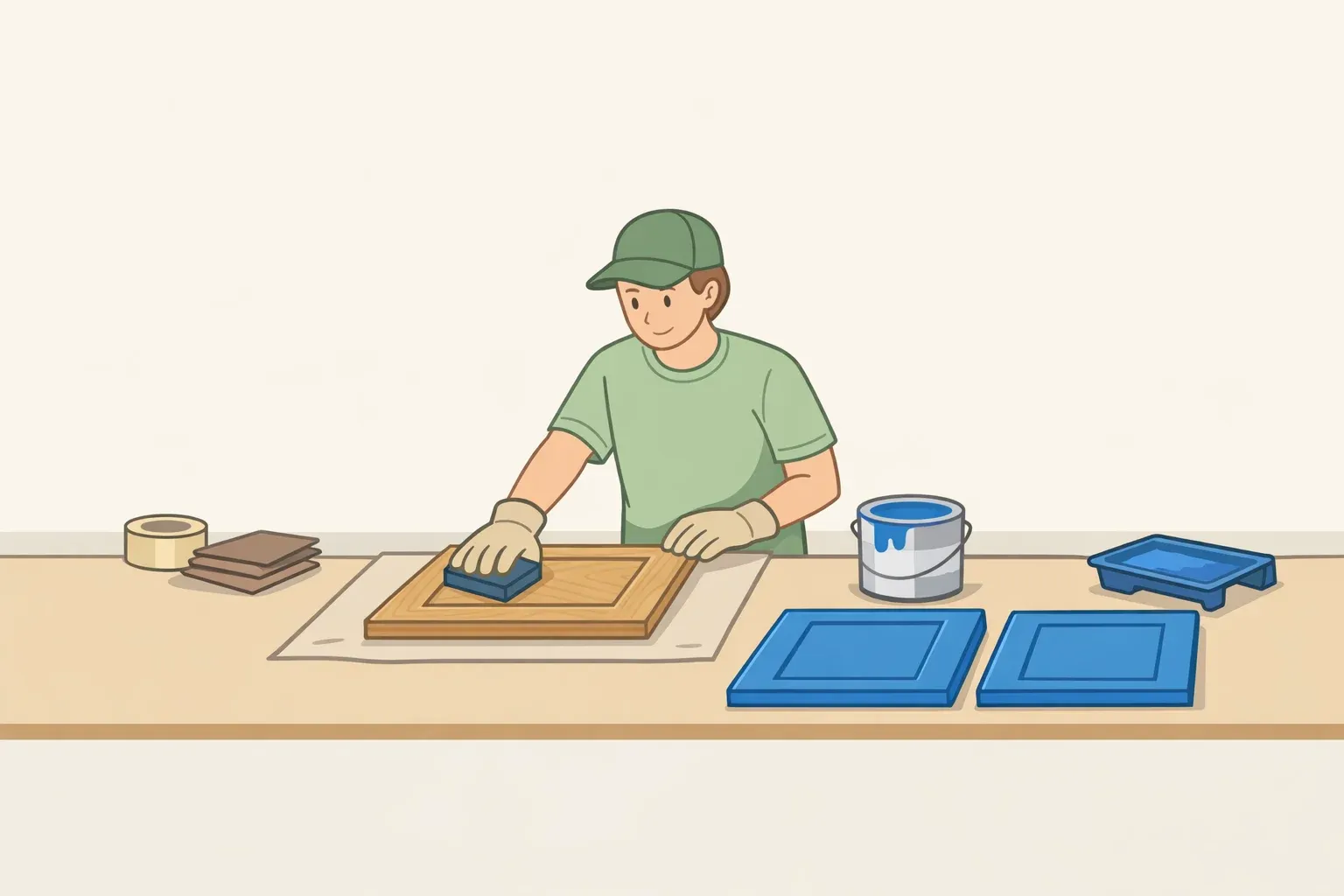
Use the same caution with contact paper on counters, appliances, cabinet fronts, and bathroom surfaces. It may look good in photos, but heat, steam, cleaning products, and old finishes can all affect removal. A small test patch tells you more than the product label.
Get written permission for anything that changes the unit itself, especially paint, flooring, hardwired lighting, appliances, dishwashers, laundry machines, or anything connected to building plumbing. Keep the approval with your lease records so you can show it at move-out or if ownership changes.
Step 5: Buy furniture last, and consider secondhand
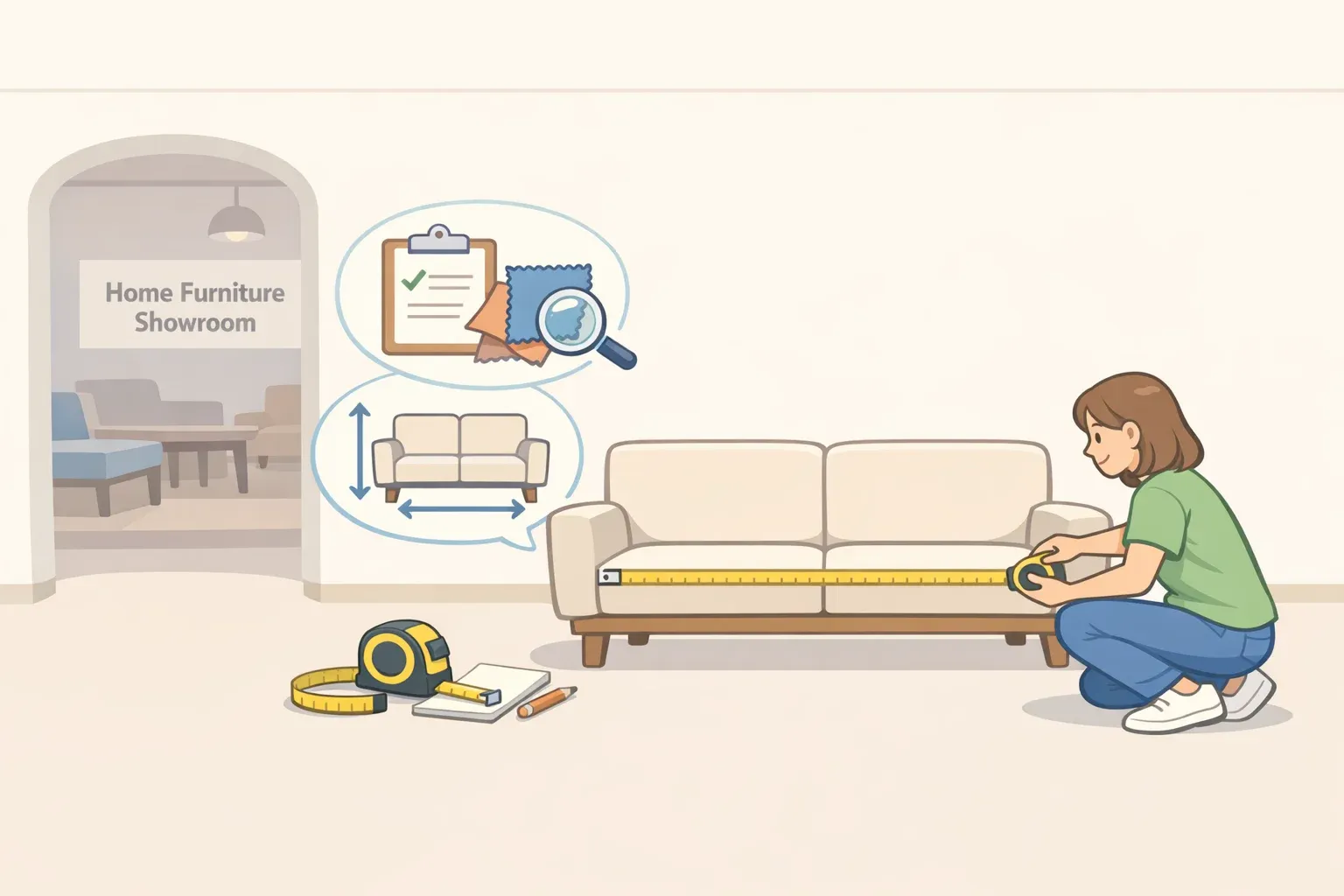
Most renters furnish first, then try to decorate around what they bought. The better order is the reverse: understand the room through walls, windows, rugs, and lighting, then buy furniture that fits the space you actually have.
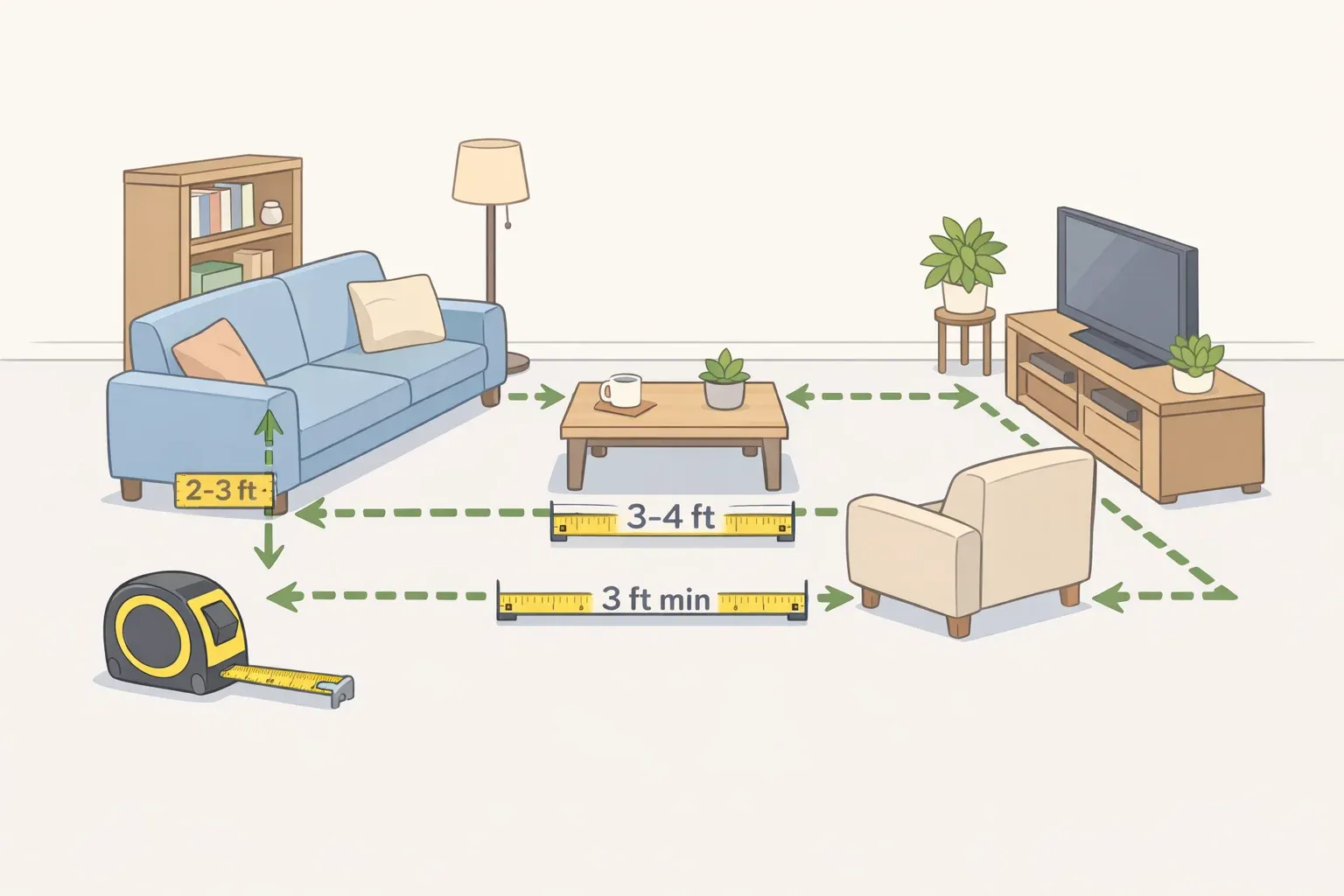
Rental layouts vary too much to assume every piece will work from one apartment to the next. A sofa that fit the last living room may block traffic in the next one. A dining table that worked in a square room may overwhelm a narrow galley layout.
Secondhand furniture gives you more flexibility. It is often cheaper than new furniture, easier to resell when you move, and better for adding character to a plain rental. Vintage wood, textured upholstery, and pieces with patina can make a basic new-build feel warmer without requiring permanent changes.
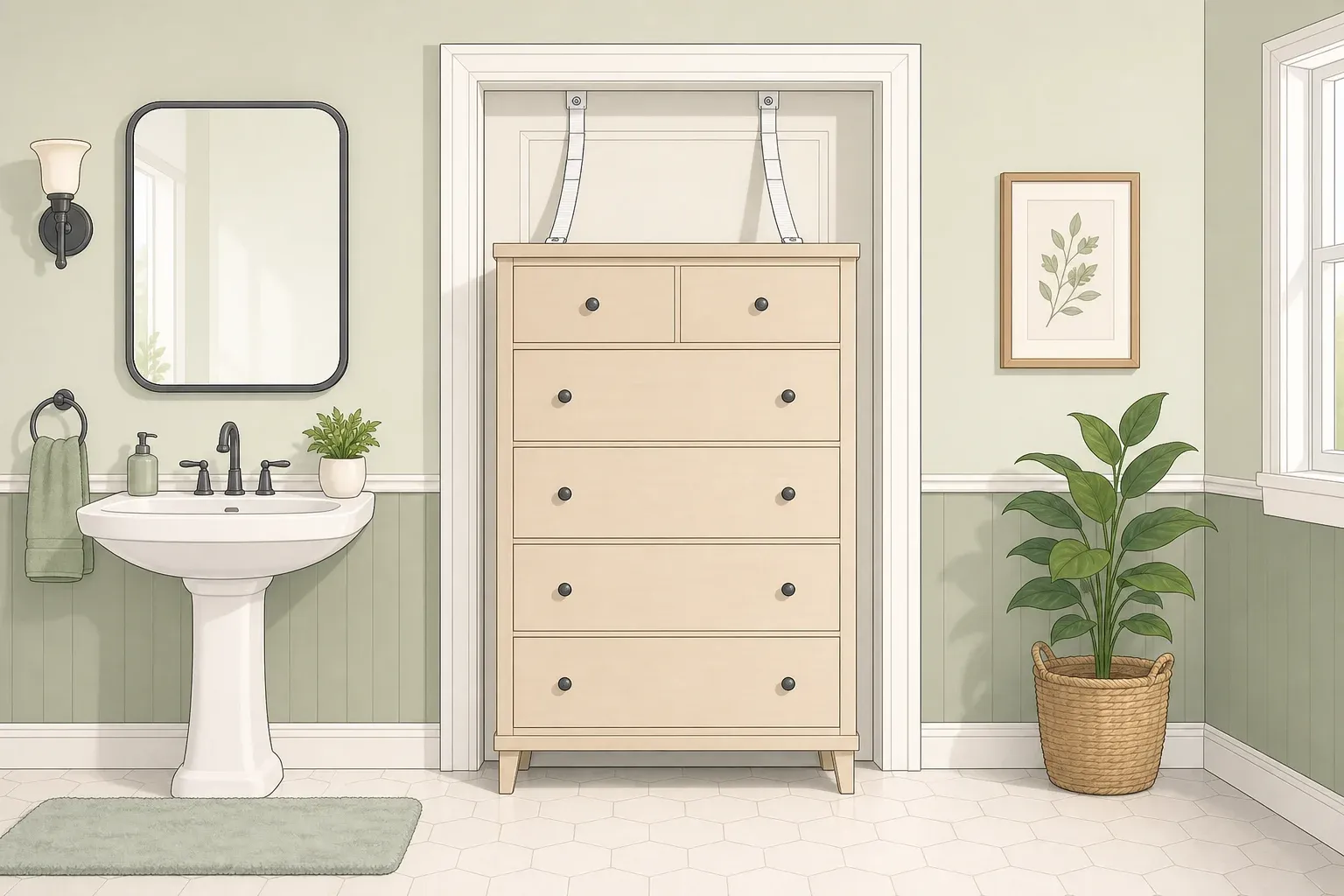
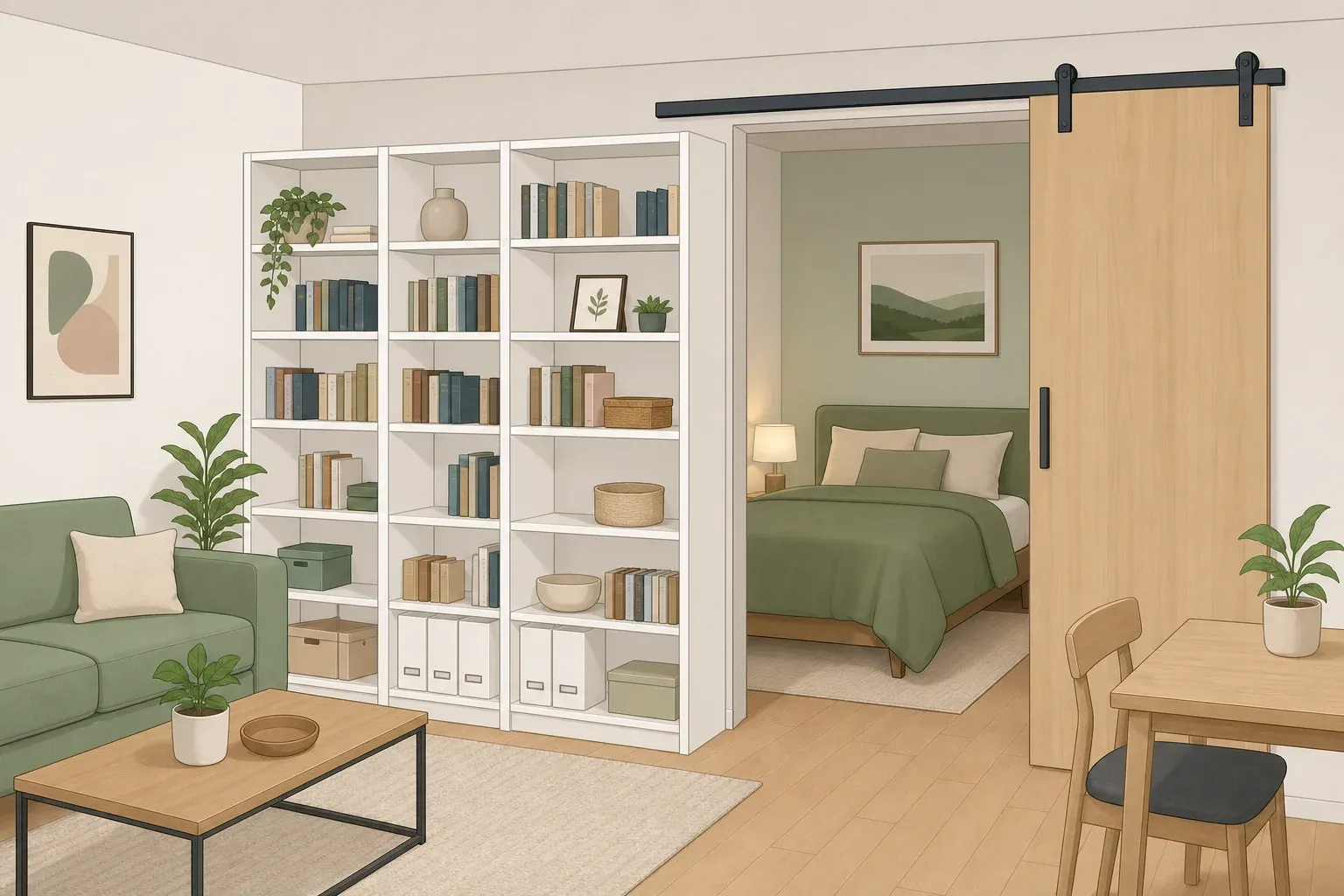
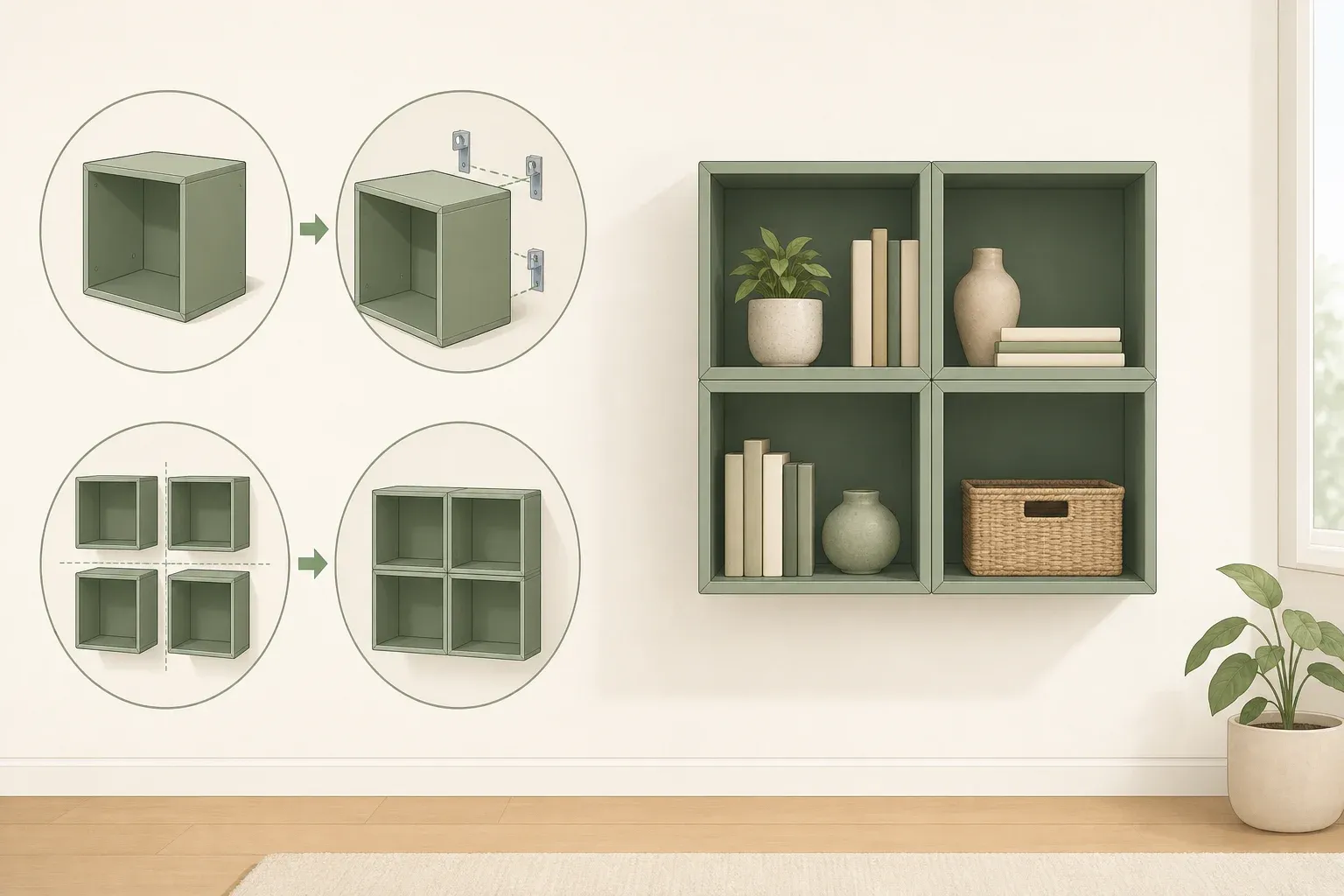
Freestanding bookcases are especially useful. A tall bookcase can fill a blank wall, add storage, and mimic the look of a built-in while still moving with you. Anchor tall pieces for safety if needed, but check the lease before drilling and patch the holes before move-out.
The safest order for rental upgrades
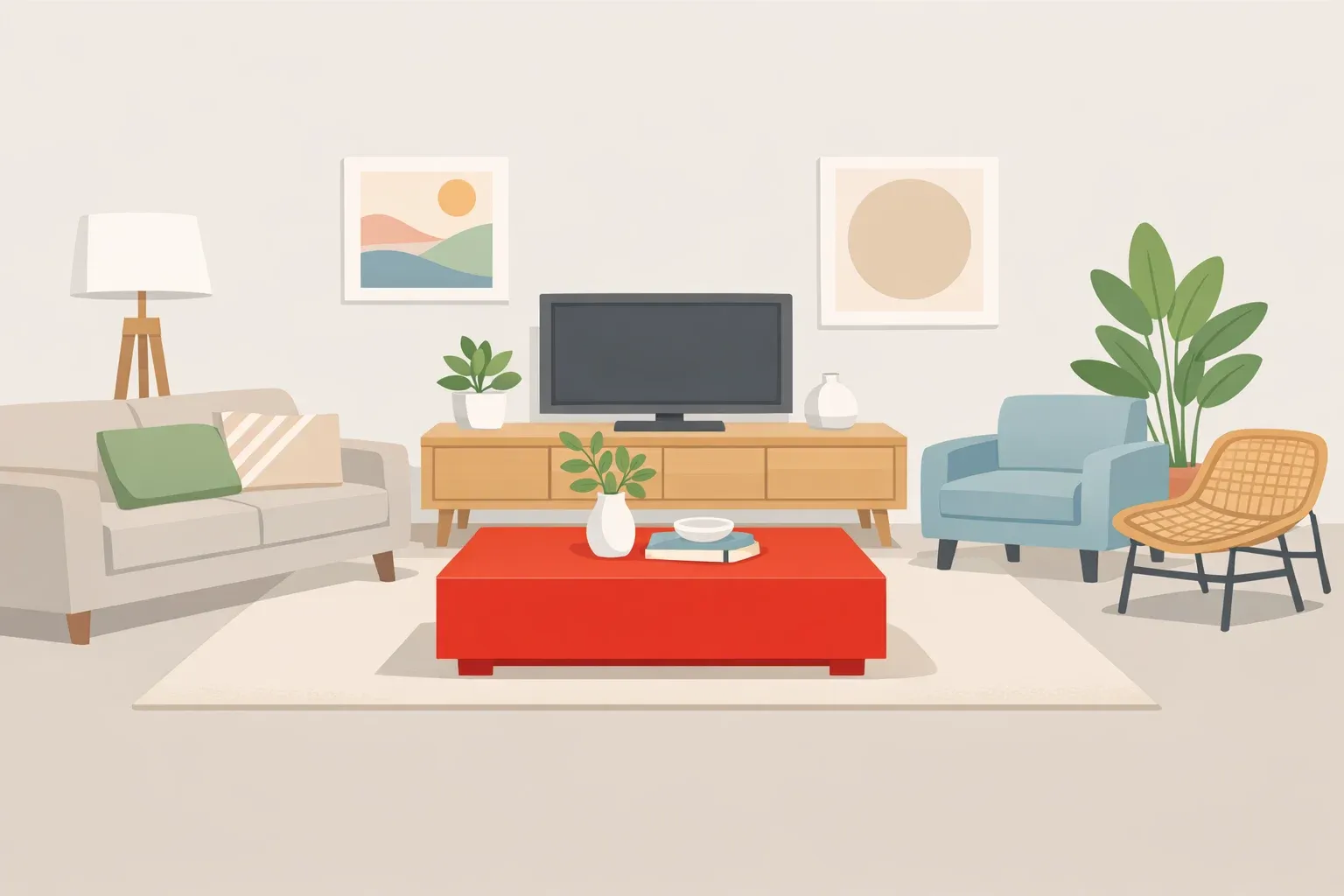
A practical order for rental upgrades is walls, windows, lighting, textiles, then furniture. Start with pieces you can take with you, such as rugs, curtains, lamps, art, and freestanding storage. Move next to low-risk swaps, such as cabinet hardware or switch plates, as long as the originals are saved.
Be more skeptical with adhesive products. Before using peel-and-stick wallpaper, tile, vinyl, or contact paper across a full surface, test a small area and remove it first. If removal leaves residue or damages the finish, the product is not renter-friendly for your apartment.
Deeper upgrades only make sense when the lease allows them, the stay is long enough, and written permission is already in hand. The best rental decorating ideas look intentional while still being easy to undo.

Comments
Be the first, drop a comment!