



Reviewed by: Y. Garcia
The post-holiday slump hits different when your home feels as exhausted as you do. After weeks of entertaining and holiday chaos, your space needs more than surface tidying — it needs a strategic refresh that addresses how you actually live in 2026. Designers are identifying five key rooms that deserve attention this year, and their reasoning goes deeper than aesthetics.
2026 brings a wellness-centered approach to home design that prioritizes function over flash. These aren't trendy makeovers that'll feel dated by summer — they're thoughtful updates that support your daily routines while creating spaces that genuinely enhance your quality of life.
Why formal dining rooms deserve attention first
Here's what might surprise you: formal dining rooms are staging their biggest comeback yet. Designer Bradie Fisher believes these spaces are overdue for transformation, but we're not returning to museum-like formality. Instead, the magic happens when you embrace flexibility over perfection.
Fisher recommends creating relaxed, layered, and flexible environments with mixed seating that invites conversation rather than intimidation. Think small accent tables (24-30 inches) that can relocate easily, chairs comfortable enough for lingering over dinner, and lighting at 2700K color temperature that creates warmth rather than clinical brightness.
The key measurements: Allow 24 inches of space per person at your dining table, position accent tables 14-18 inches from seating, and install dimmer switches on all fixtures. Your dining room becomes adaptable — homework central on Tuesday afternoons, game night headquarters on weekends, and still elegant enough for special occasions.
Why it works: Flexible dining spaces adapt to real family life while maintaining sophistication — no more rooms sitting empty 350 days a year.
Your home office needs a reality check
Let's be honest about that work-from-home setup. Remote work patterns continue evolving, making this the perfect time to assess what actually works versus what looked good when you hastily created a "temporary" workspace three years ago.
Safety First
Power off at breaker before adjusting any electrical lighting
Verify with a non-contact tester before handling fixtures
Use proper lifting technique for furniture rearrangement — get help for pieces over 50 pounds
Start with ergonomic basics: position your monitor 20-26 inches from your eyes, adjust chair height so feet rest flat with thighs parallel to the floor, and ensure the keyboard sits at elbow height. Effective office resets involve improving ergonomics, reorganizing storage, or redefining boundaries between work and living areas.
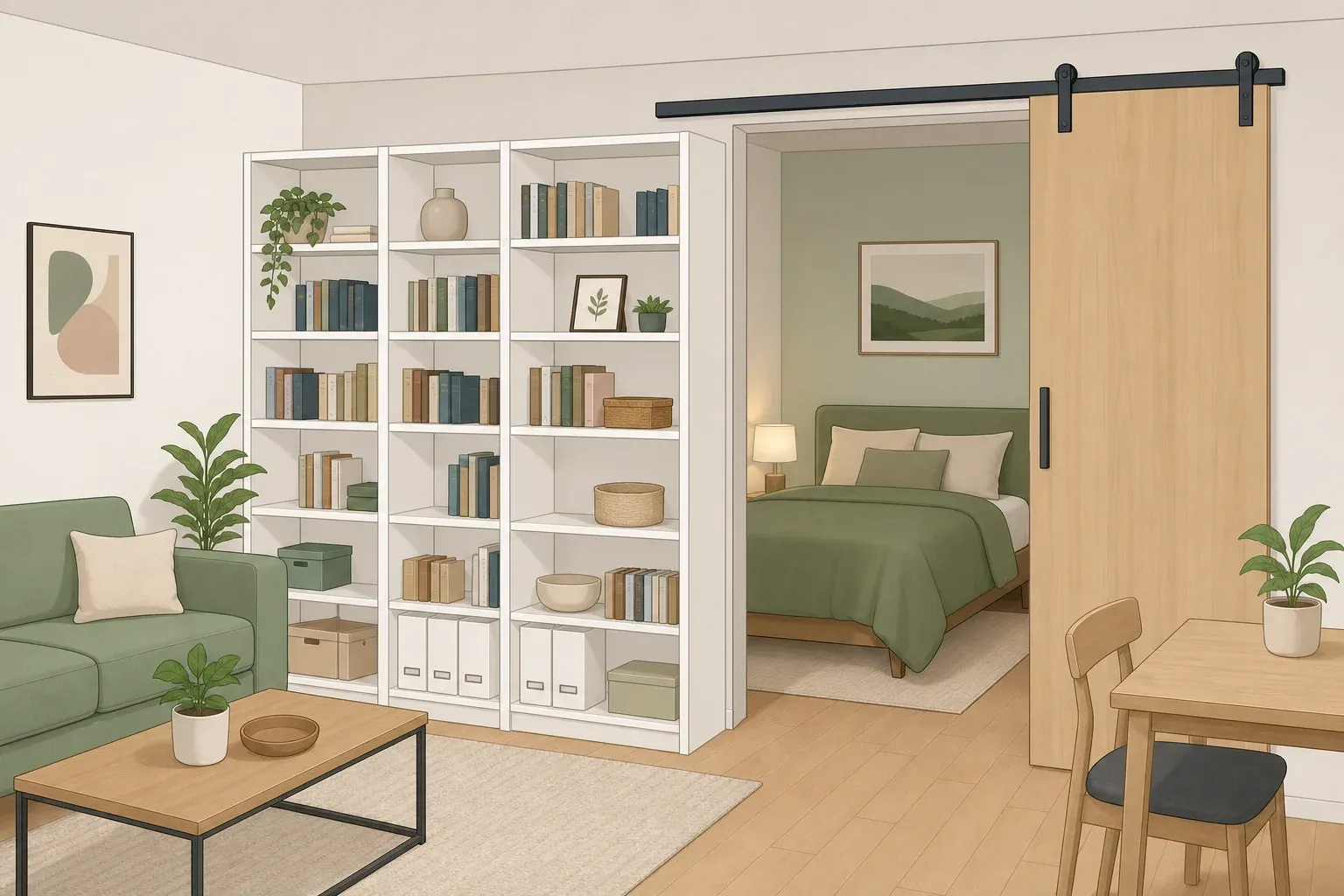
Consider workflow improvements: Can you find supplies in under 30 seconds? Is the lighting adequate for both computer work (500 lux) and video calls? Create visual separation with room dividers 60-72 inches tall, or designate specific storage zones that keep work supplies contained within a 3-foot radius of your workspace.
Pro tip: Install a dedicated 20-amp circuit if you're running multiple monitors, printers, and charging stations — standard 15-amp circuits can struggle with full office loads.
Guest rooms that actually welcome guests
Your guest space probably revealed its shortcomings during the holidays. Recent hosting experiences often highlight specific comfort gaps that become obvious once you've watched real people navigate the space.
Safety First
Test all electrical outlets with a plug tester — guest rooms often have older wiring
Ensure window locks function properly for security and ventilation
Check that smoke detectors have fresh batteries
Here's your reality check: spend a night or two in your own guest room. You'll quickly discover whether bedside lamps provide adequate reading light (minimum 30 watts LED equivalent), if there's space for a 24-inch rolling suitcase, and whether room temperature stays comfortable between 65-72°F.
Focus on practical measurements: Provide 36 inches of clear floor space around the bed, install bedside tables 24-27 inches high (matching mattress height), and ensure 18 inches of hanging space in the closet. Small details matter — a bedside carafe, phone charging station within 2 feet of the bed, and blackout curtains that actually block morning light.
Renter-friendly options: Use removable adhesive hooks for extra towels, battery-operated bedside lamps for better reading light, and over-door organizers for additional storage.
Laundry spaces that actually function
If your laundry area doubled as a storage dumping ground, you're not alone. Designer Libby Baker Speight suggests systematic improvements starting with expired product removal, equipment maintenance, and strategic organization.
Safety First
Clean dryer vents every 6 months — lint buildup causes thousands of house fires annually
Store chemicals in original containers, away from heat sources
Install GFCI outlets near water sources if not already present
Start with essential maintenance: Clean your dryer vent (check airflow — should feel strong at exterior vent), inspect washing machine hoses for bulges or cracks, and dispose of cleaning products older than two years at local hazardous waste centers.
Organization workflow: Group products by function within 12 inches of the use point, create designated zones for sorting (36-inch minimum width), treating stains, and folding. Install shelving 54-60 inches high for frequently used items, and consider a folding table 36 inches wide by 20 inches deep for finishing tasks.
Troubleshooting: If folding gets interrupted, create a staging area with rolling carts that can hold partially sorted loads without blocking workflow.
Primary bedrooms focused on rest and wellness
Sleep quality affects everything else, making bedroom optimization crucial for 2026's wellness focus. Rest and wellness priorities continue gaining importance, pushing bedroom design beyond aesthetics toward spaces that actively support better rest.
Safety First
Install dimmers on circuits gradually — sudden bright light disrupts sleep cycles
Keep charging cords away from bed linens to prevent overheating
Ensure adequate ventilation for air quality — open windows or run fans for circulation
Effective bedroom refreshes include softer lighting options, simplified furniture arrangements, or reducing visual noise through strategic decluttering. Interior designer Jessica Davis notes that bedroom renovations create grounding effects perfect for new year, fresh starts.
Lighting setup: Layer your lighting by mixing overhead fixtures, bedside reading lights, and accent options. Install bedside task lighting 15-17 inches above mattress level, add overhead dimmers for ambient lighting, and use fixtures such as wall sconces, table lamps, and floor lamps with dimmers to provide flexibility throughout the day.
Temperature control: Maintain 60-67°F for optimal sleep, use breathable bedding materials, and consider blackout curtains that reduce heat gain. Designer Jessica Nelson suggests seasonal scent rotation through room sprays, candles, or fresh flowers at bedside to enhance your sleep sanctuary's wellness dimension.
Pro tip: Quality sleep starts with proper mattress support — rotate every 3 months, replace every 7-10 years, and ensure your foundation provides adequate support across the entire surface.
Making your reset actually stick
These five room refreshes represent more than design updates — they create spaces that genuinely support how you want to live in 2026. Simple changes often deliver the biggest impact, whether that's reorganizing what you already own, updating lighting systems, or addressing workflow problems you've been tolerating.
Implementation strategy: Interior designers recommend treating home refreshes as ongoing processes rather than one-time overhauls. Start with one room, focus on solving real problems first, then address aesthetic improvements.
Priority order: Begin with safety issues (electrical, ventilation, structural), then tackle workflow problems (storage, lighting, furniture arrangement), and finish with comfort enhancements (textiles, color, accessories). Changes that solve daily annoyances while making rooms look refreshed create the biggest impact on your quality of life.
Budget-friendly approach: Allocate 60% of your budget to functional improvements (lighting, storage, safety), 30% to comfort upgrades (bedding, seating, organization), and 10% to decorative touches that reflect your personality.
Your home should support your 2026 goals, not work against them. These five room resets provide the foundation for spaces that enhance daily routines while reflecting current wisdom about wellness, functionality, and authentic personal style. Success comes from approaching each refresh with an honest assessment of what works, what doesn't, and what specific changes would make the biggest difference in how you actually live day to day.




Comments
Be the first, drop a comment!