



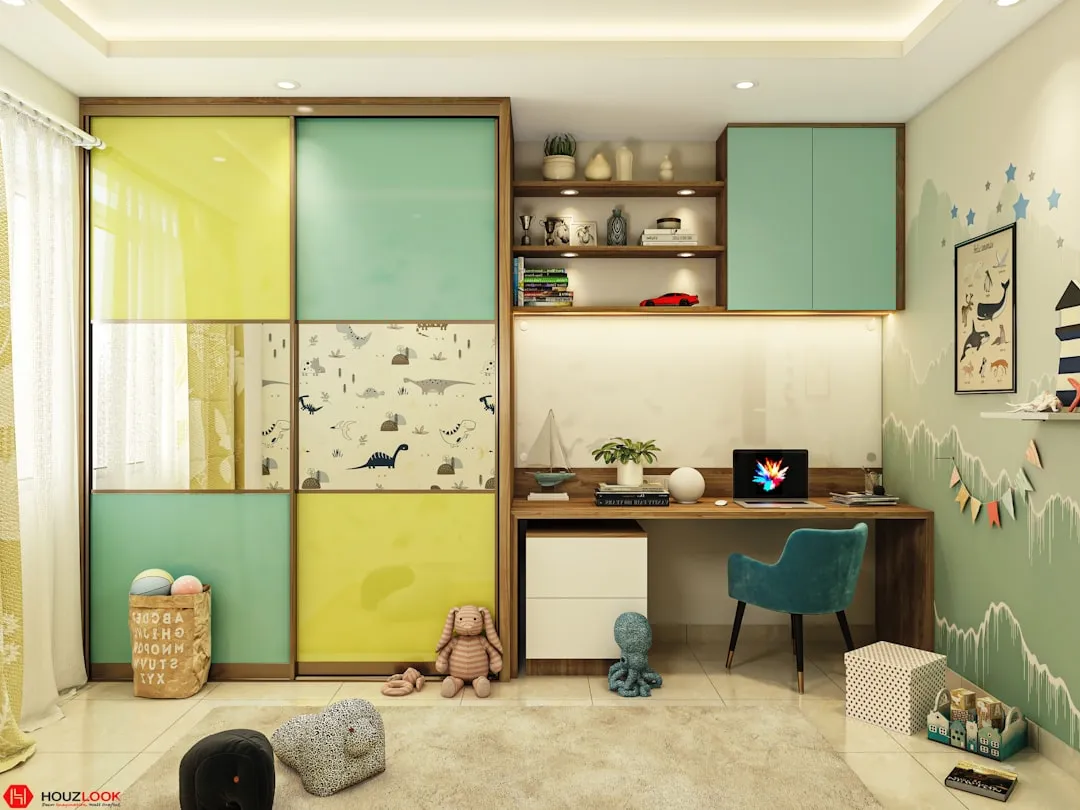
Transform Your Home in 2026: DIY Character Projects That Actually Work
Difficulty: Moderate
Time: 6-12 months (depending on project scope)
Cost: $500-$5,000 per room
Looking at your 2026 DIY plans? You're not alone. This year feels different—after years of "just functional," homeowners are craving spaces with personality and charm. Whether you're tired of builder-grade everything or ready to tackle those projects you've been pinning for months, adding character doesn't require a complete overhaul or contractor-level budgets.
The beauty of character-building projects is that they work with what you already have. Small changes—like swapping flat cabinet doors for shaker-style ones, adding architectural details, or creating custom storage that actually fits your life—make rooms feel intentional instead of accidental. Most of these updates fall into the moderate DIY category, meaning you can tackle them over weekends without major disruption to daily life.
Why 2026 brings unique opportunities for character-focused DIY
This year delivers practical advantages for DIY enthusiasts ready to add personality to their spaces. Interior design trends 2026 reveal spaces designed for actual human behavior rather than showroom perfection. Supply chains have stabilized, meaning consistent availability of materials without the price volatility of recent years.
What makes this timing particularly exciting is how design trends respond to tech fatigue, emotional overload, and the search for calmer, more human spaces. Hardware stores now stock more diverse options—from decorative moldings to specialty hardware—making it easier to find pieces that match your vision without custom ordering.
The "millennial renovation wave" has also created extensive online resources. Social platforms feature detailed process videos from real homeowners, not just professional contractors, showing achievable techniques for adding wainscoting, built-in storage, and architectural details. Many of these character-building projects actually increase home value—a practical bonus when investing time and materials.
Strategic project selection for maximum character impact
Crown molding and baseboards create instant sophistication in any room, typically requiring only basic carpentry skills and a miter saw. These architectural details cost $2-4 per linear foot for materials but add perceived value far beyond their price point. Kitchen cabinet upgrades rank especially high for impact: adding trim details, replacing doors, or installing pull-out drawers transforms the room's entire feel.
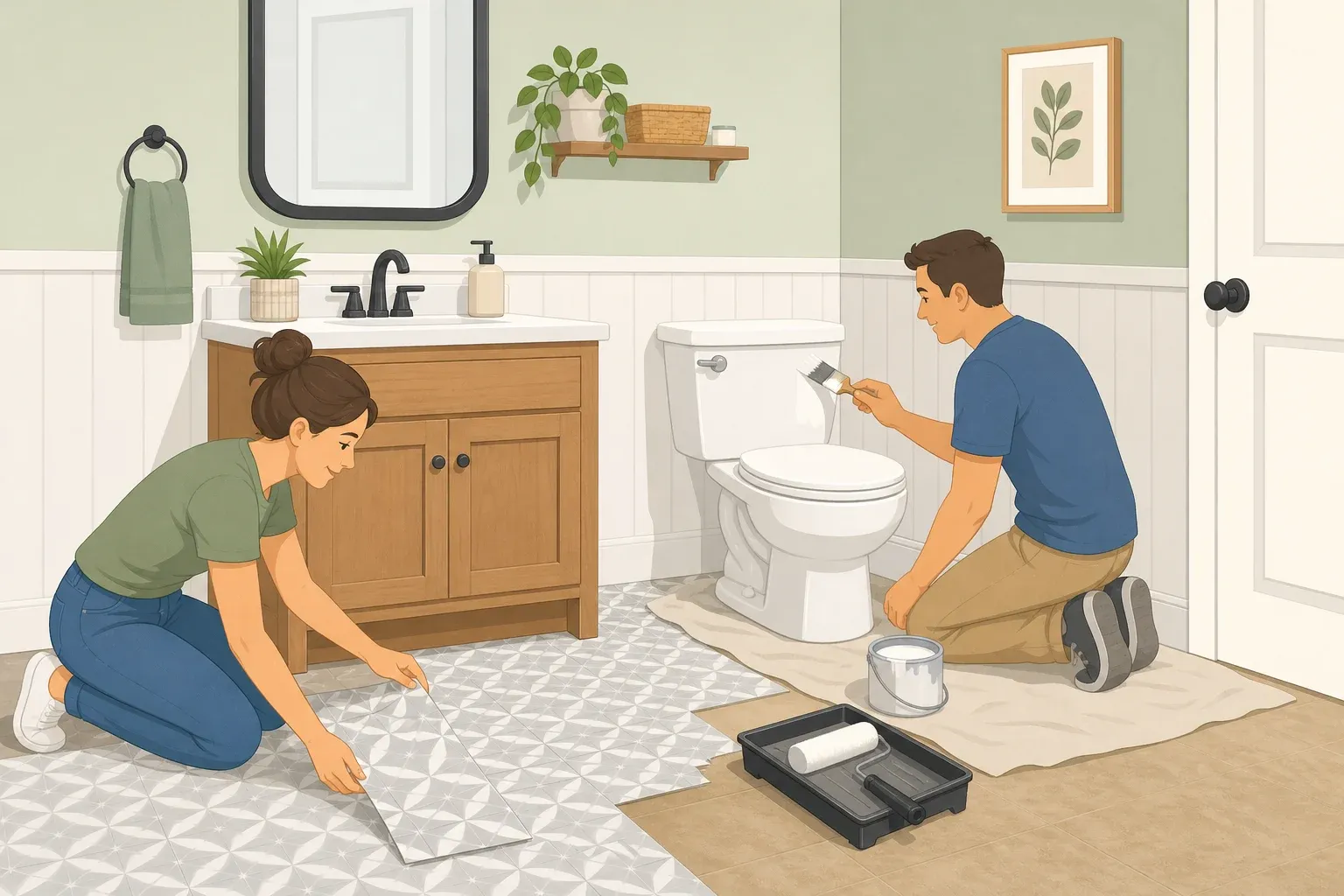
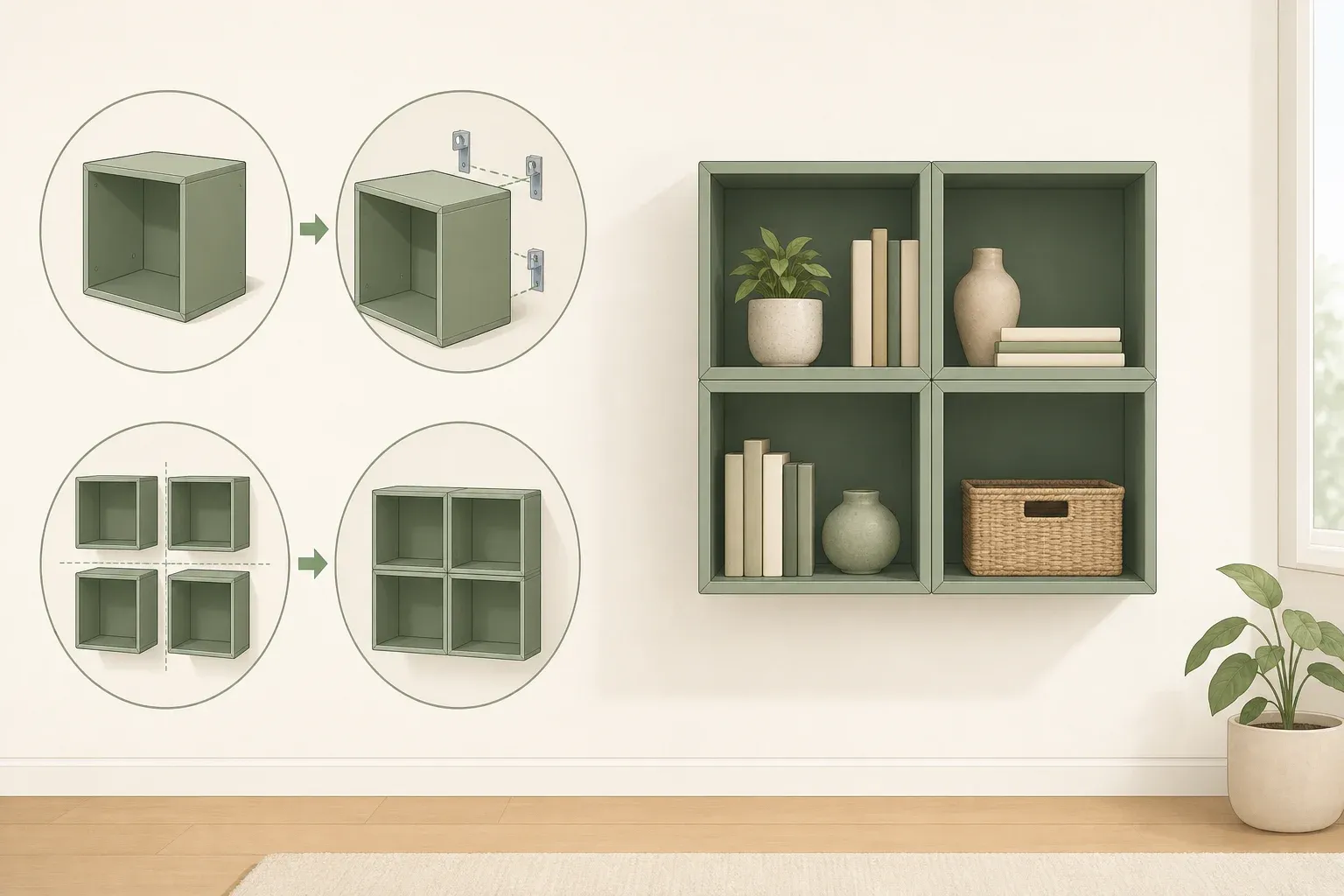
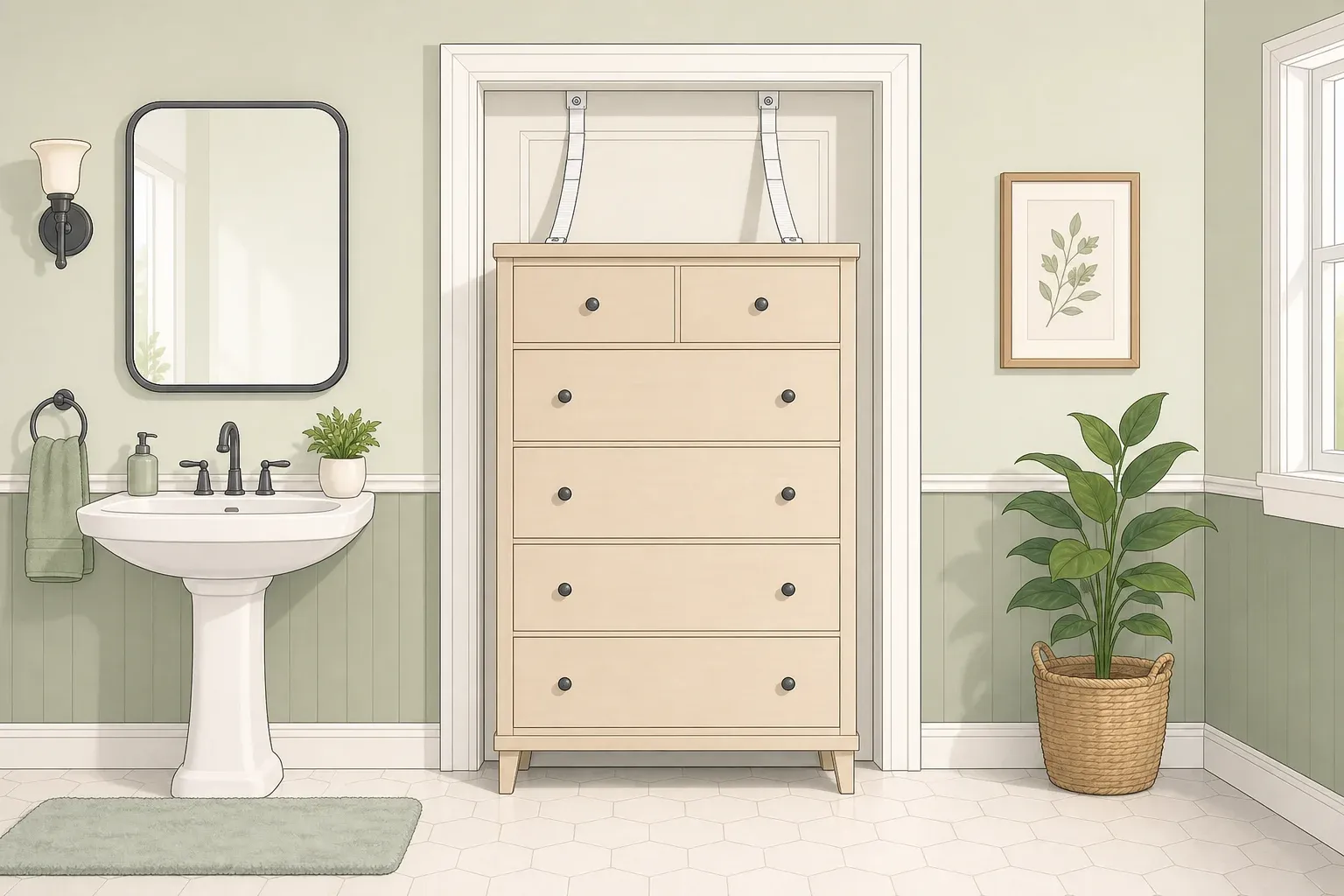
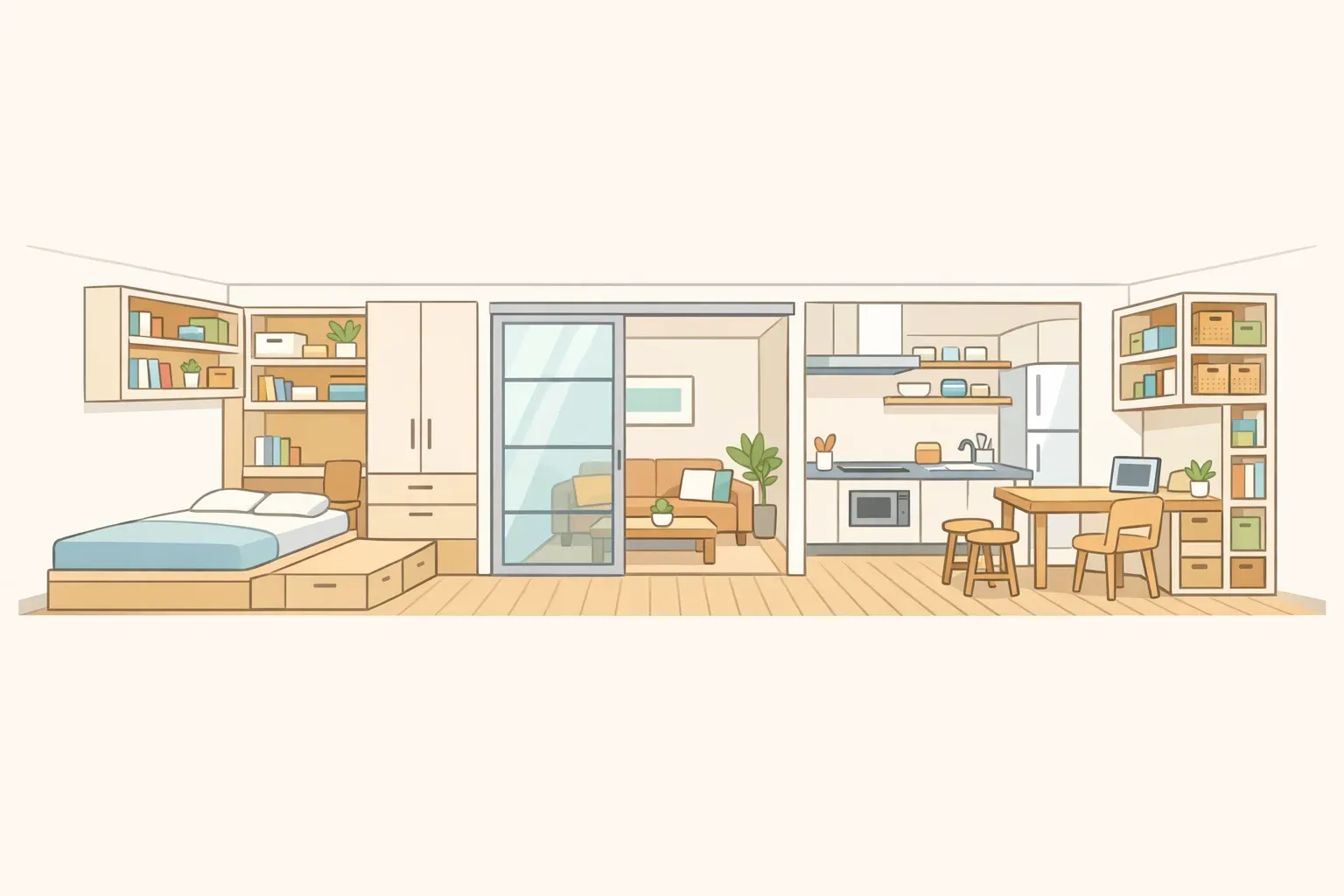
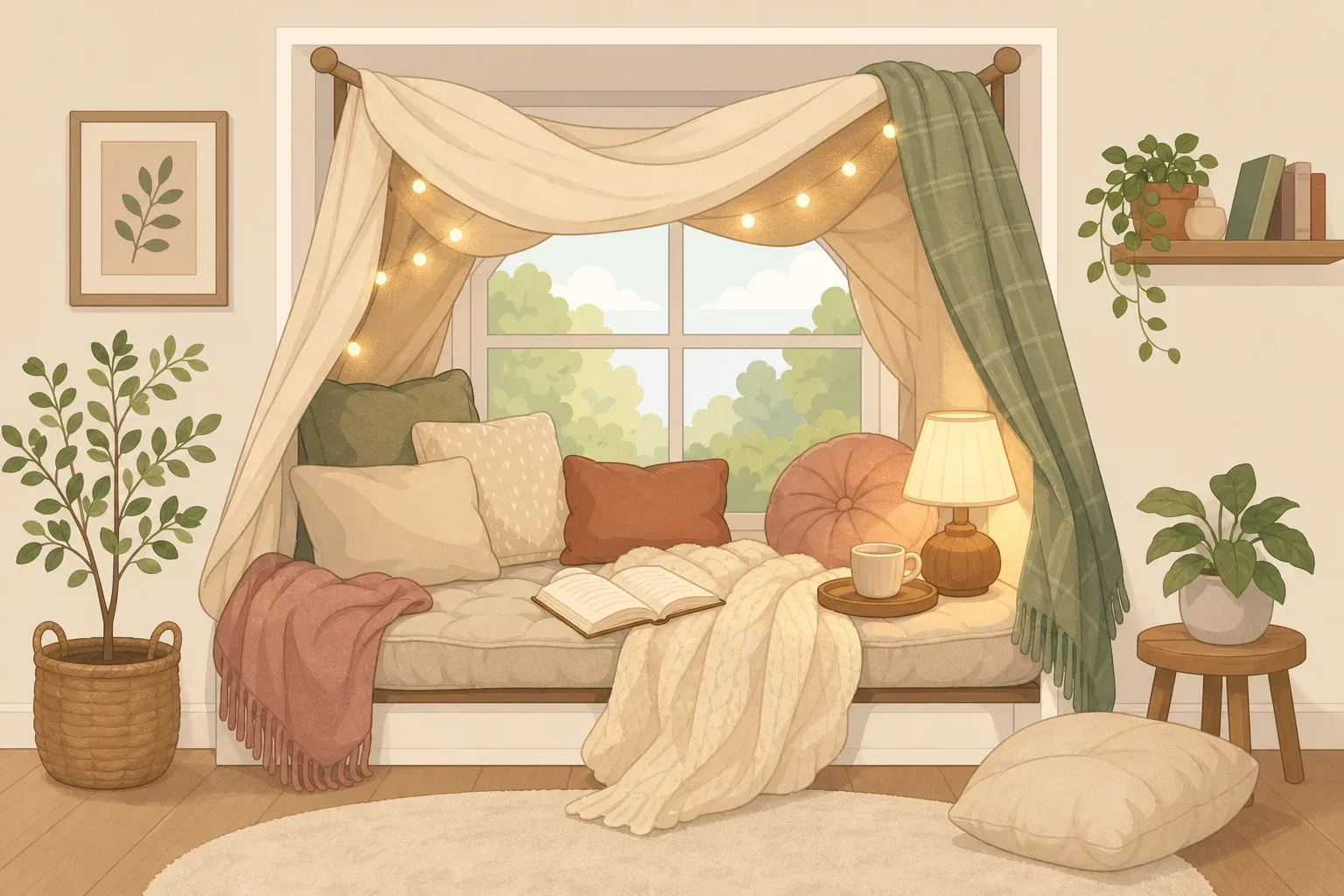
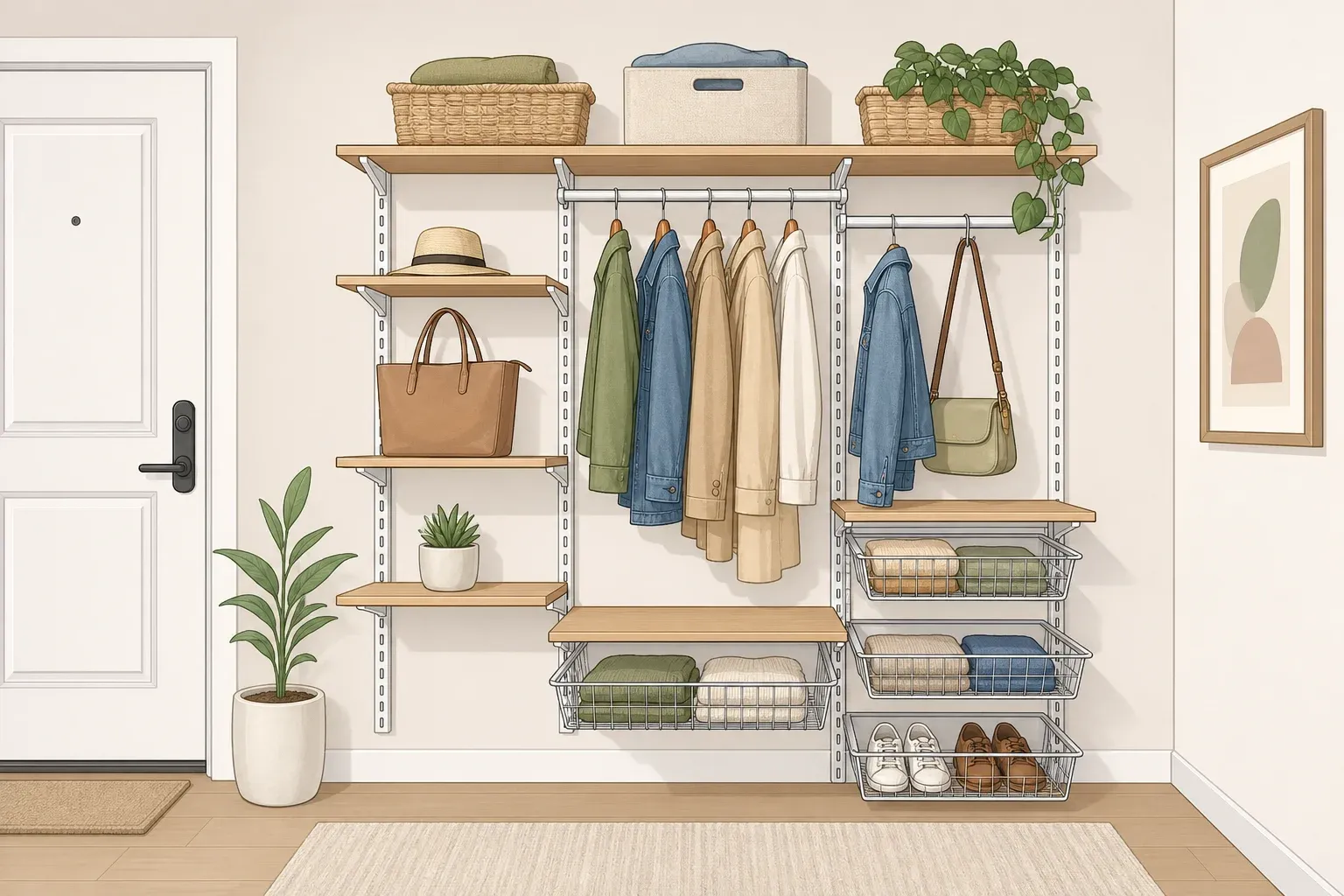
Built-in storage solutions offer both character and function—floating shelves with hidden brackets, window seat storage, or custom closet systems that maximize awkward spaces. Bathroom vanity makeovers follow similar principles—new hardware, decorative legs, or open shelving underneath creates custom looks without plumbing changes.
The current emphasis on heritage, narrative, and craft reflecting deeper connections means your handmade elements tap into authentic, meaningful design that tells your story.
Essential tools and materials for character-building projects
A quality miter saw becomes indispensable for trim projects—look for 10-inch models with laser guides for accurate cuts on moldings and baseboards. A brad nailer saves hours compared to hammer-and-nail installation, while a stud finder prevents costly mistakes when mounting heavy elements like floating shelves or wall-mounted vanities.
Material choices significantly impact both appearance and durability. MDF works well for painted trim and costs less than solid wood, but pine or poplar provides better results for stained pieces. Warm and medium wood tones are making a strong comeback, replacing the once-dominant light oak. Quality wood glue, painter's caulk, and sandpaper in multiple grits handle the finishing details that separate amateur from professional-looking results.
Safety First
- Eye protection and dust masks for cutting and sanding
- Power off at breaker when working near electrical; verify with non-contact tester
- Proper ladder safety for trim installation
- Sharp blade awareness with all cutting tools
Pro Tip: Buy materials gradually during sales, building inventory for upcoming projects while spreading costs over time.
Room-by-room character upgrade strategies
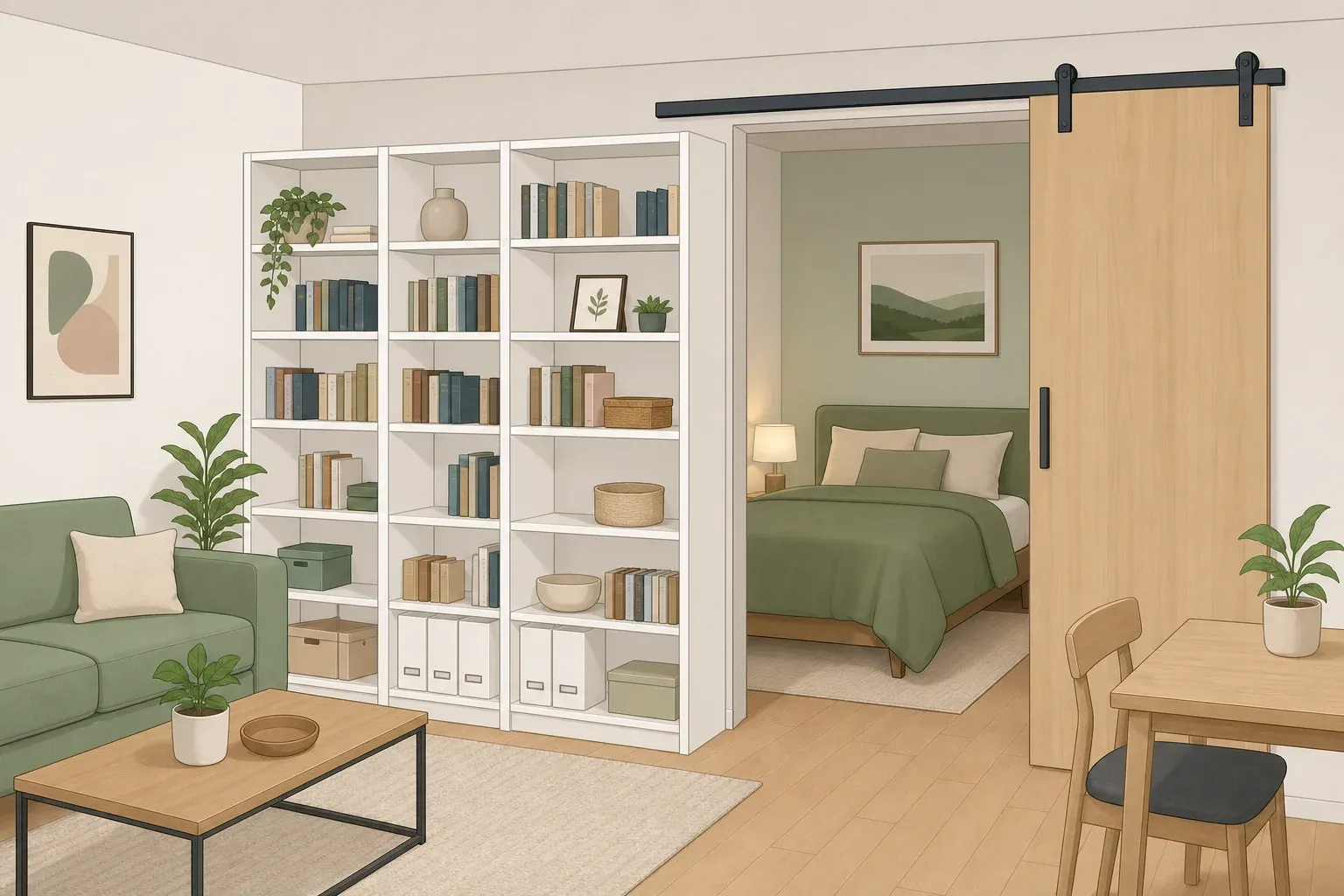
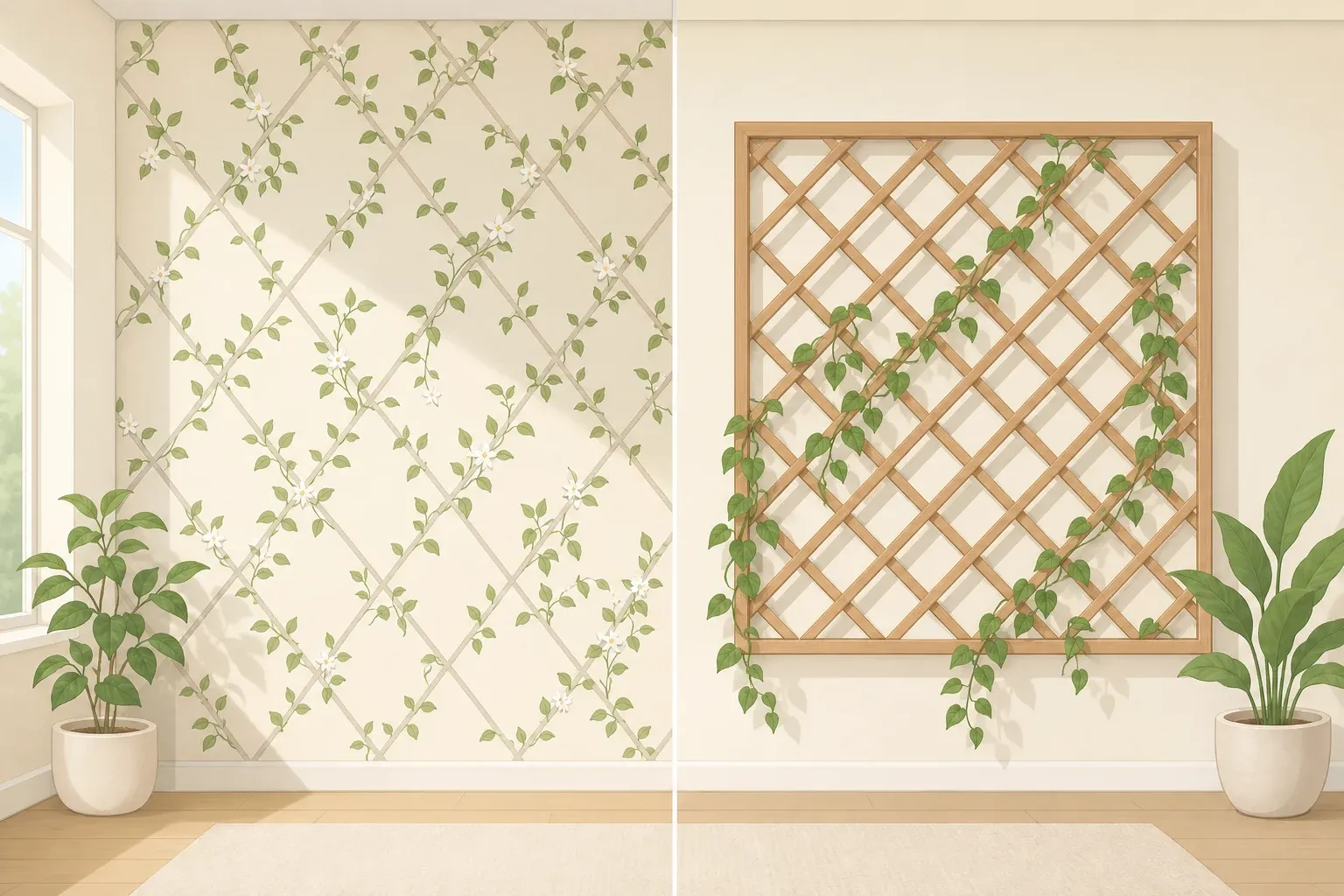
Living areas benefit from accent walls using board-and-batten, shiplap, or decorative panels—techniques that add texture without overwhelming smaller rooms. Built-in bookcases around fireplaces or in alcoves create focal points while providing practical storage. The growing trend of curves and soft geometry softening interiors through furniture, cabinetry and architectural details offers opportunities for creative headboards or rounded shelf ends.
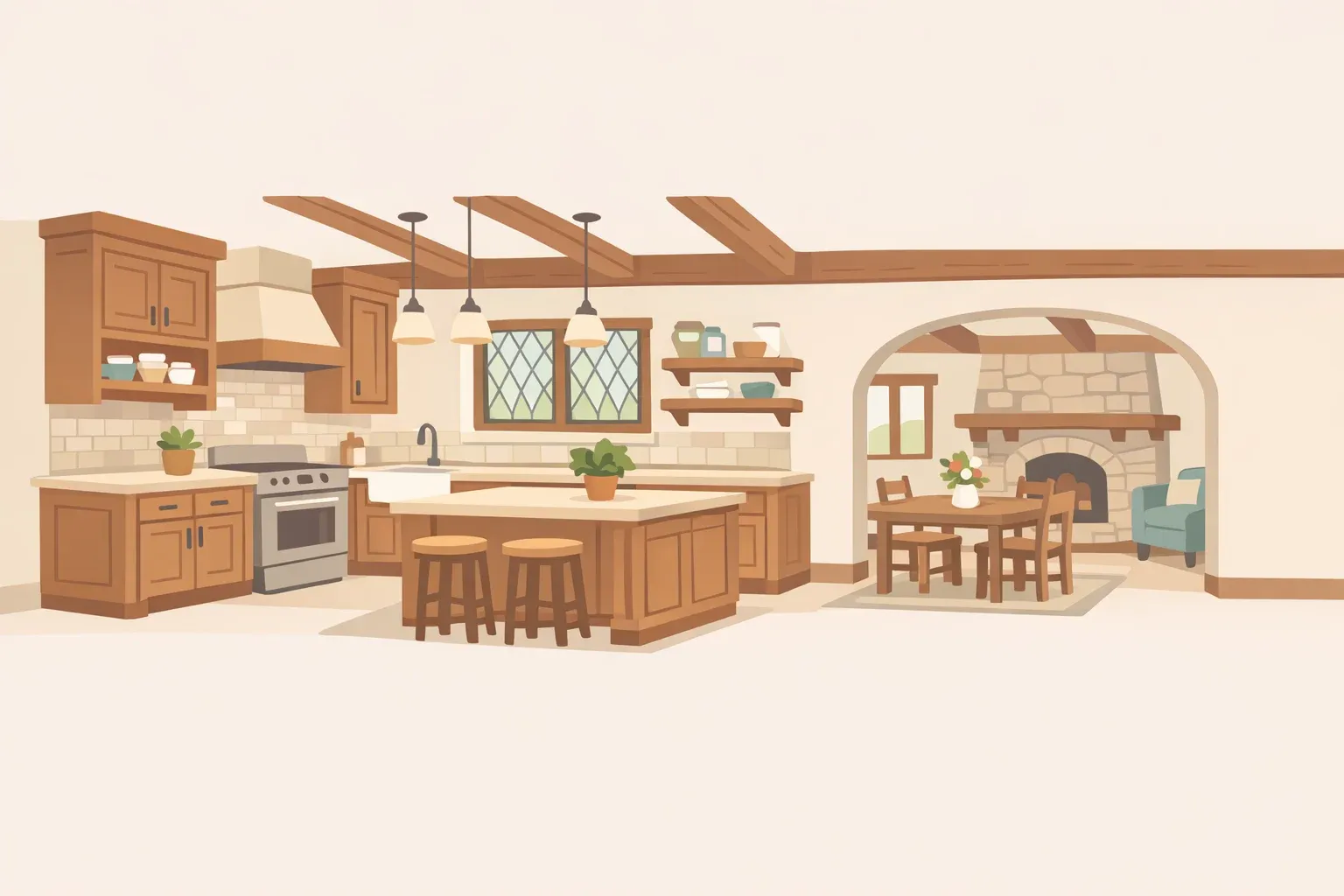
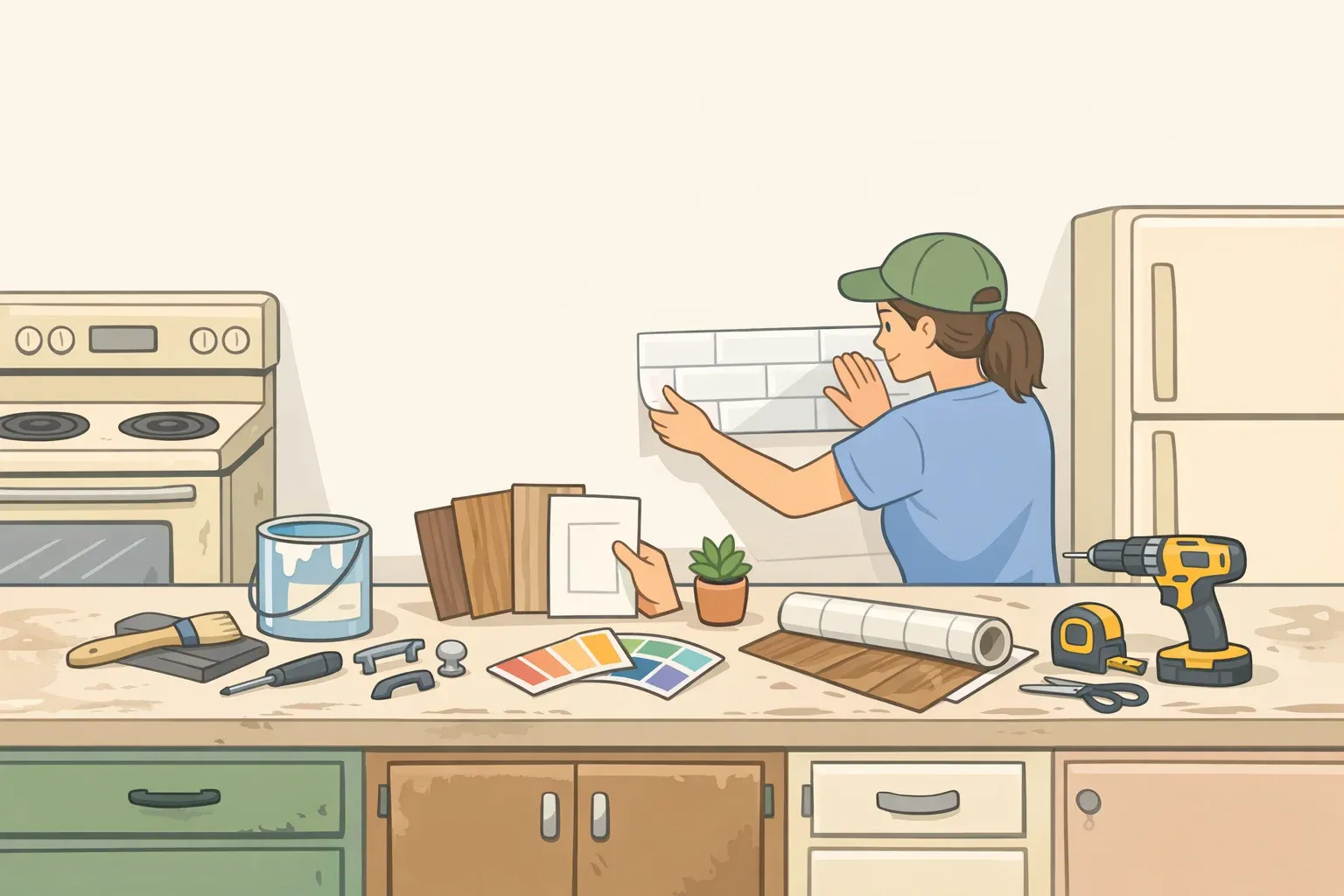
Kitchens respond well to cabinet modifications: adding glass inserts to upper doors, installing under-cabinet lighting, or creating coffee stations with dedicated storage. Open shelving in place of some upper cabinets makes spaces feel larger while displaying attractive dishware. Flat-panel (or slab-front) cabinets and vanities gaining ground means you can modernize existing cabinets by replacing raised-panel doors with sleek, contemporary styles.
Bedrooms gain character through custom headboards, window seats with storage, or built-in nightstands that maximize floor space. Bathrooms transform with vanity upgrades, decorative mirrors, and creative storage solutions like recessed medicine cabinets or floating shelves in shower niches.
Budget-smart approaches that maximize your investment
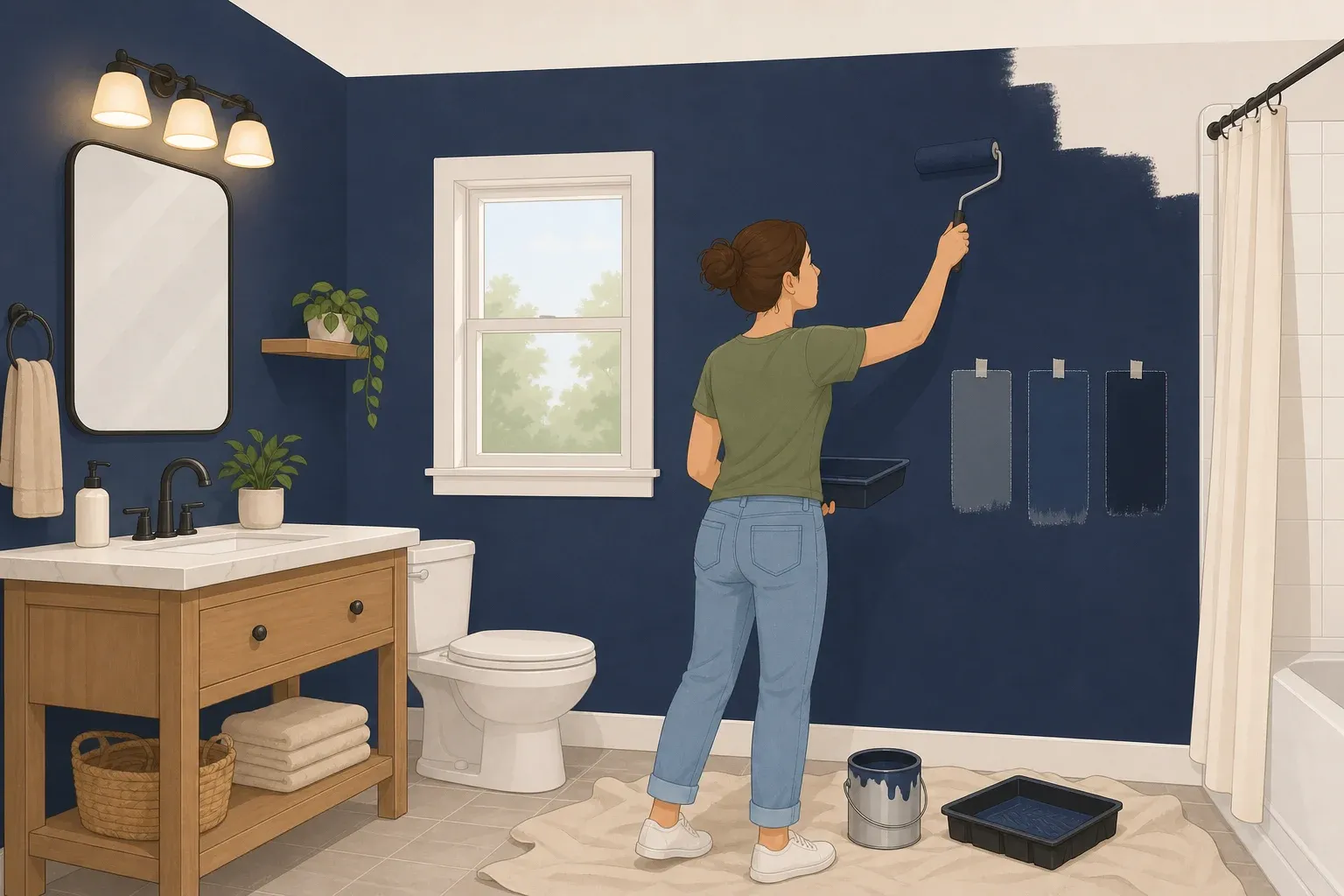
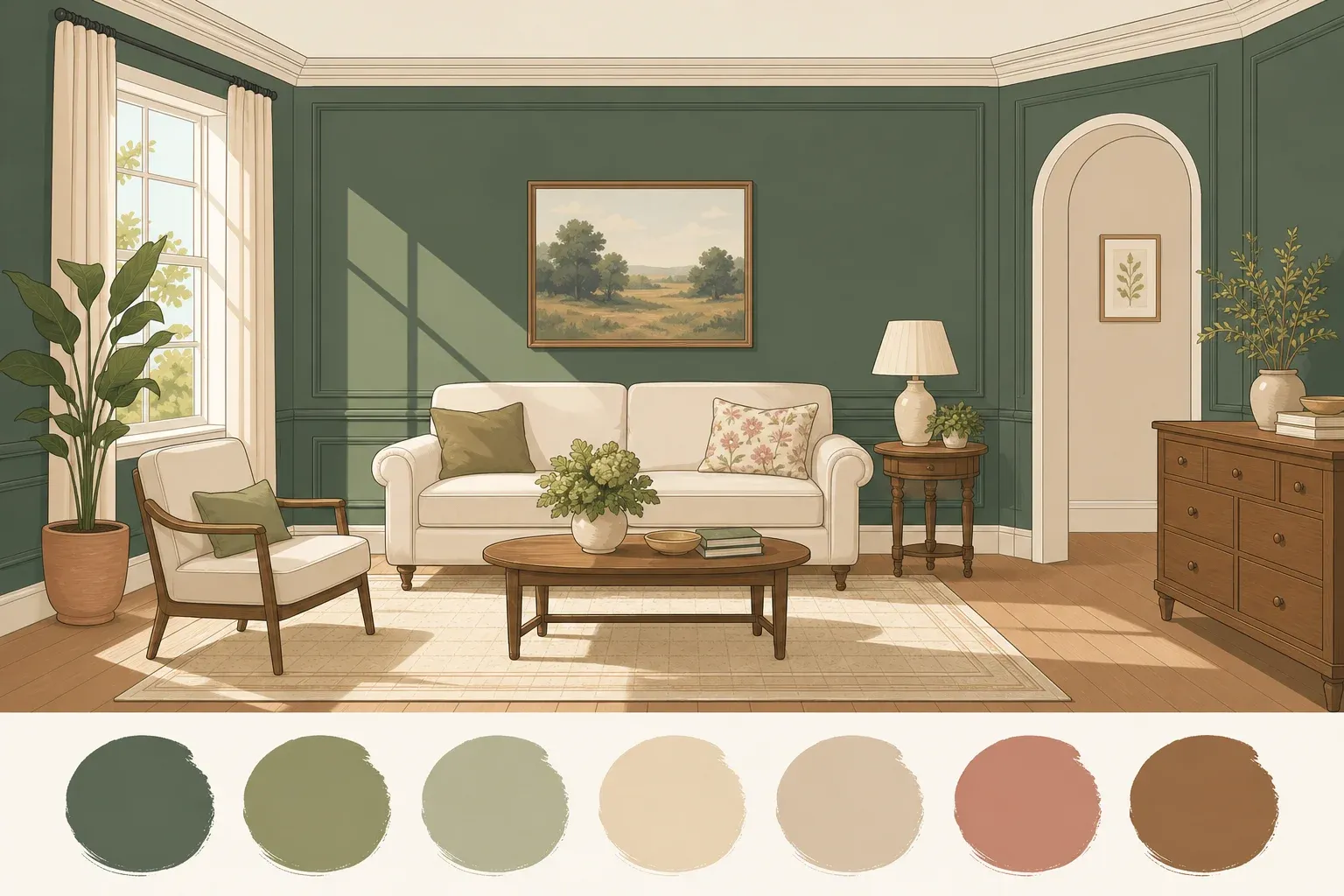
Character doesn't require luxury budgets when you prioritize high-impact improvements. Paint remains the most affordable transformation tool—accent walls, two-tone cabinet treatments, or painted furniture pieces create visual interest for under $50 per room. The preference for warm neutrals and natural tones leading the palette, with soft honeyed hues, mid-oak finishes, and muted browns replacing cooler grays means updating spaces through strategic color changes.
Thrift store and estate sale finds often provide unique hardware, light fixtures, or decorative elements at fraction of retail costs. The American Housing Survey found that homeowners can save big time by doing repairs and remodels themselves—kitchen remodels save an average of $8,836 in DIY costs, while bathroom renovations save $7,304 on average.
Installing your own crown molding costs $2-4 per linear foot versus $8-12 for professional installation. Cabinet door replacement runs $15-30 per door for DIY versus $50-100 with installation. Focus spending on quality tools that serve multiple projects—a good miter saw supports trim work, furniture building, and future repairs.
Where to go from here: turning plans into action
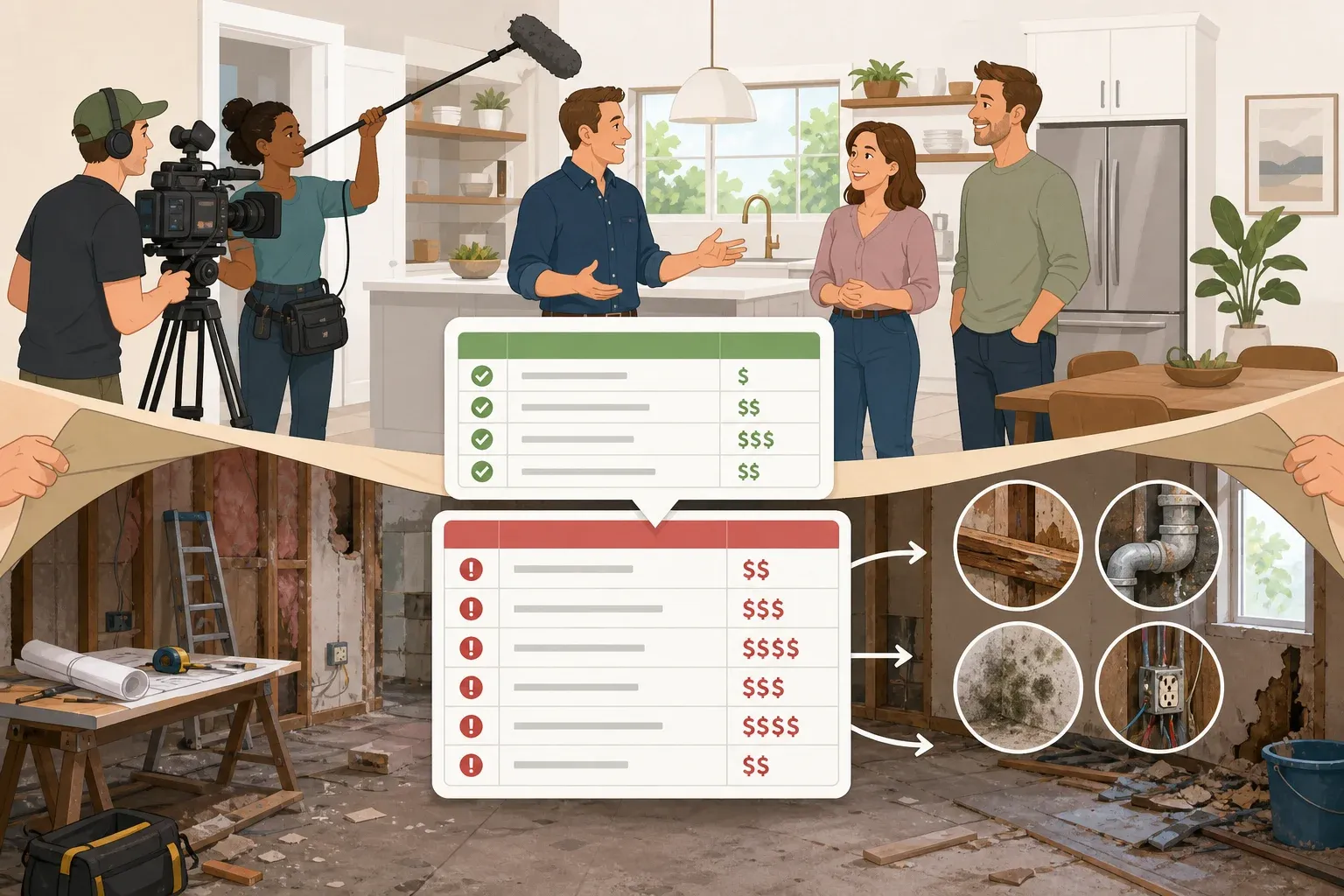
Start your character-building journey by choosing one room for complete focus rather than scattered projects throughout the house. Before you grab a hammer or start browsing paint colors, ask yourself: Why am I renovating? Which areas need the most attention? What's my ideal timeline?
Document your space with photos and measurements, then create detailed material lists to avoid mid-project store runs. Taking time on your affordable interior design project will make the result even more yours—and this captures the essence of 2026's movement toward authentic, personally meaningful spaces.
Schedule projects during seasons that match their requirements—interior painting and trim work suit winter months, while projects requiring ventilation work better in spring and fall. Connect with local DIY communities through social media groups or hardware store workshops for technique tips and troubleshooting support. Many stores offer tool lending programs, letting you try expensive equipment before purchasing.
Most importantly, embrace the learning process—each project builds skills for the next one, and small imperfections add to handmade character rather than detracting from it. Confidence is key at the beginning and these early successes provide inspiration to continue. Your 2026 home should feel as good as it looks, reflecting the growing trend toward spaces that support real life rather than chase perfect aesthetics.
Comments
Be the first, drop a comment!