



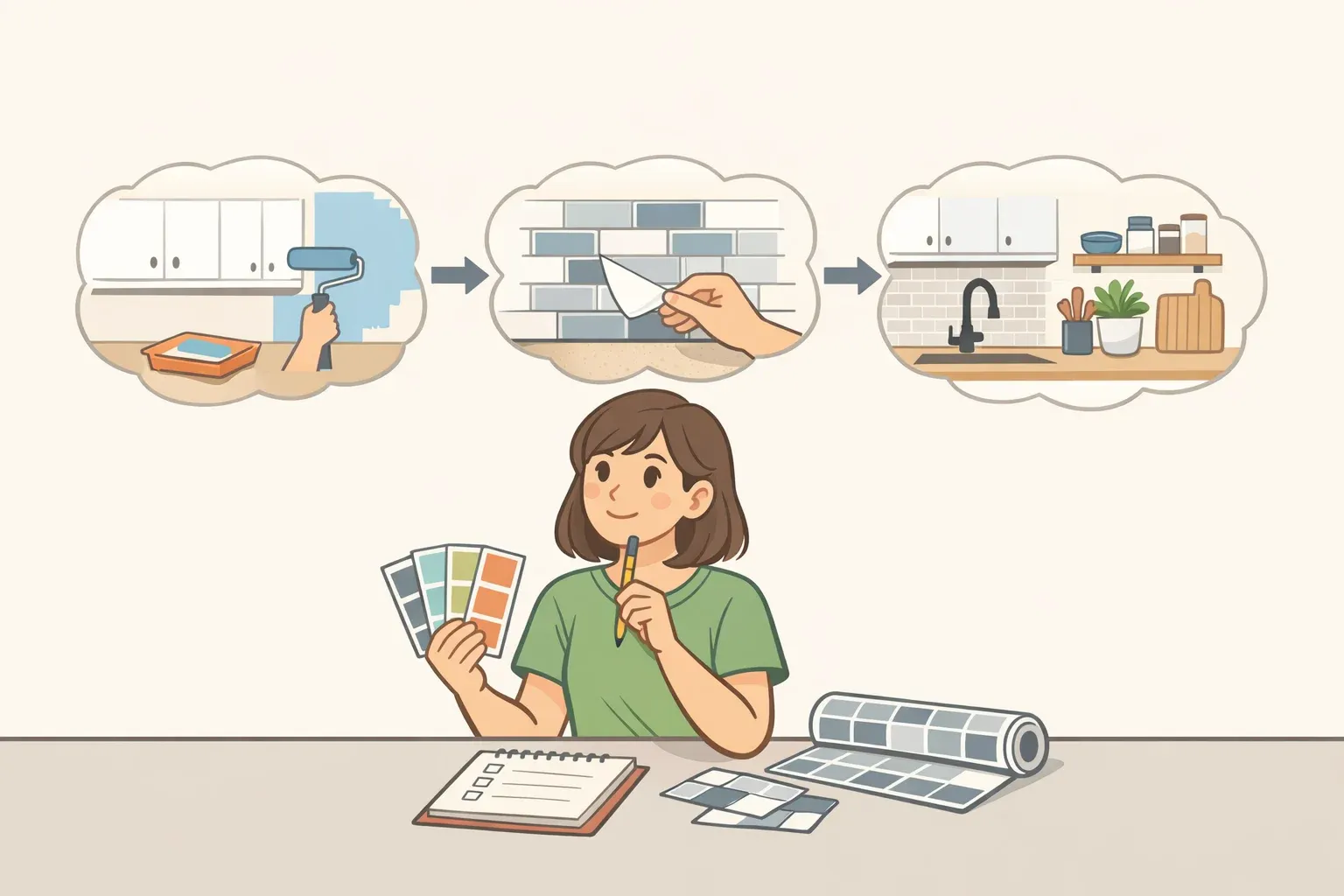
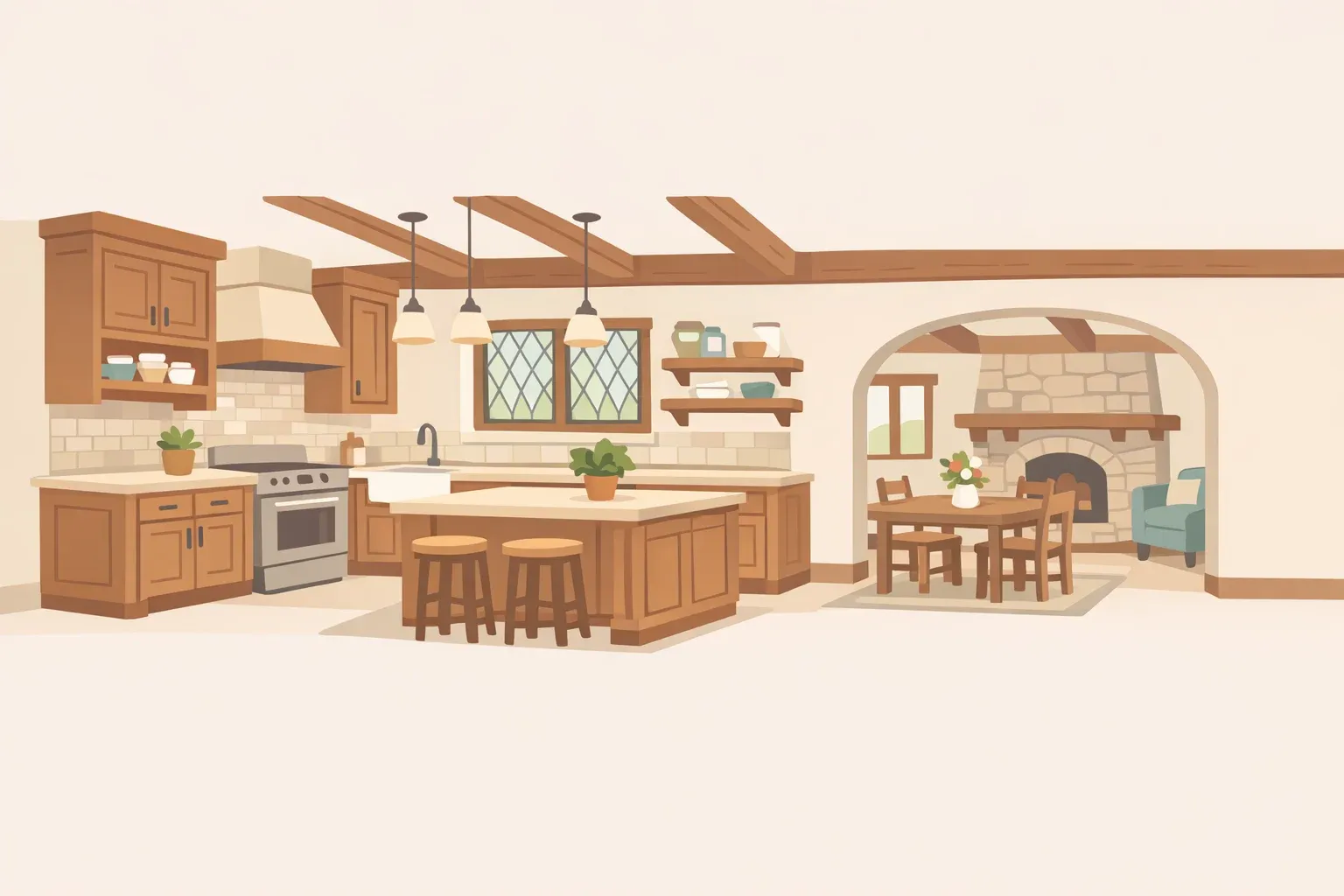
A Los Angeles renter transformed her rental kitchen, by her own description, a standard "landlord special" of white-on-white cabinets, a warped shelf, and blinds that blocked the cabinets from opening fully, for $325 in paint, peel-and-stick tile, and hardware swaps.
Five of her seven tile packs and the café curtains were gifted, so a reader starting from zero should plan on spending more. It's the kind of project that makes renter-friendly upgrades feel achievable rather than aspirational, a useful place to start figuring out where to begin.
In Brooklyn, a renter and her designer applied the same logic at a larger scale, mixing inherited and secondhand furniture with bold paint on cabinets and walls, choices picked specifically because they were low-cost, reversible, or portable.
Neither project treated every upgrade the same way. Some changes traveled with the renter. Others got tested on a small patch first. A few needed real thought about what a landlord might say later.
Rental rules are shifting quickly enough to matter here. California now caps most security deposits at one month's rent and requires more itemized documentation for deductions, which makes getting the sequence right and getting approval in writing when it's needed more than just a nice-to-have.
This guide takes 16 upgrades that renters and designers have actually used and sequences them the way a renter should tackle them: portable and owned-item changes first, tested reversible-surface products second, and paint, cabinetry, appliances, or hardwired fixtures last, checked against the lease and confirmed in writing. Each entry carries cost and effort labels, defined once and applied the same way throughout, so the ratings mean something specific rather than a general impression.
Before you start: a quick prep checklist
Whether the plan is a handful of rental-friendly DIY ideas or a full kitchen overhaul like the one above, a few habits keep temporary apartment upgrades from turning into a deposit dispute later:
Read the lease's alteration and repair clauses before buying anything, and put any question to the landlord in an email rather than a hallway conversation.
Photograph the existing condition of anything being changed, dated, and saved somewhere it can be pulled up again at move-out.
Bag and label original hardware, hinges, or fixtures that come off, and store them somewhere they won't get swept out with other clutter.
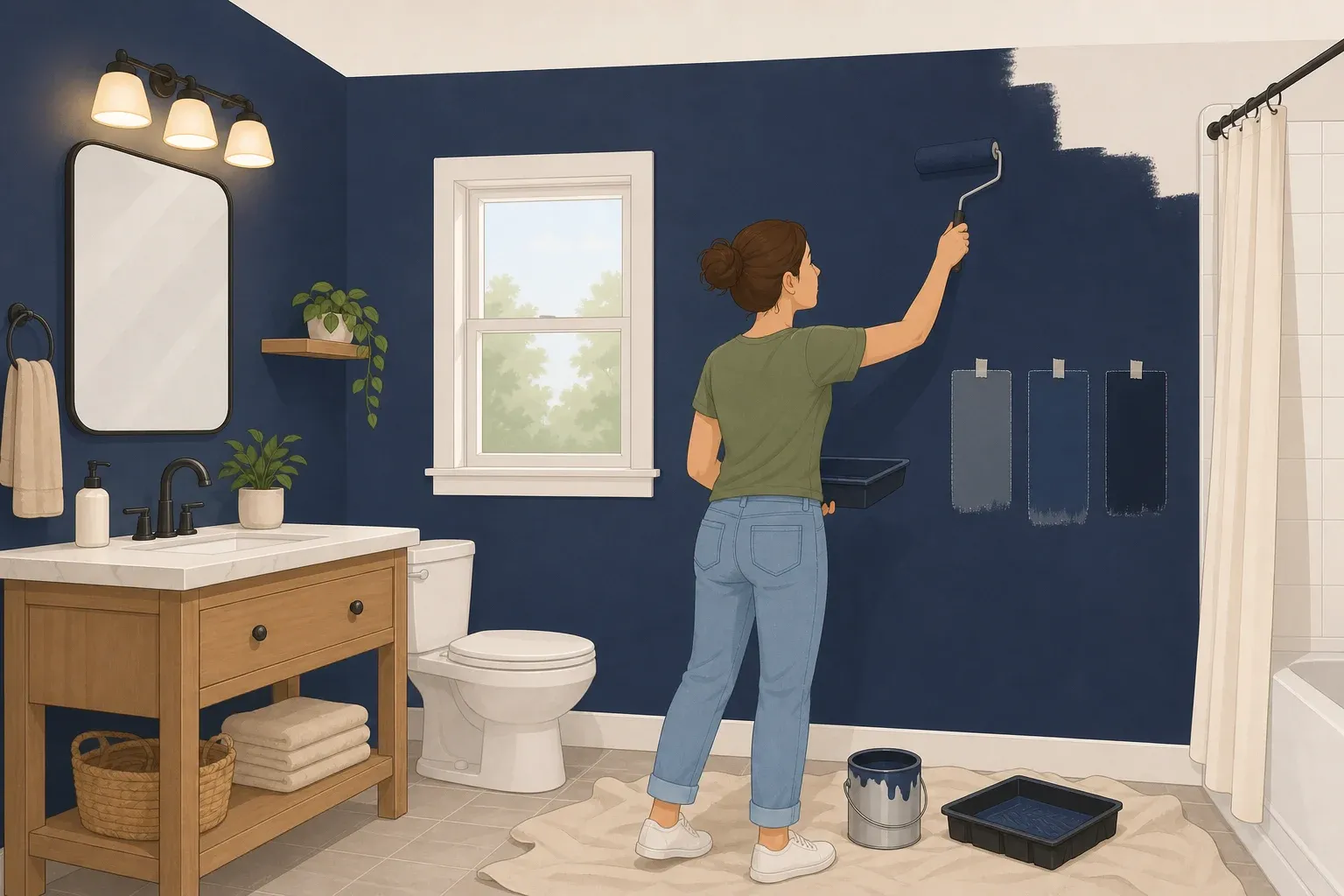
Test a small, inconspicuous patch of any tile, wallpaper, or paint product before committing to a full wall or surface.
Get restoration expectations in writing whenever approval is granted, not just a yes to the change itself.
Start here: portable and owned-item upgrades
These six changes work for any temporary apartment upgrade, no matter how long is left on the lease, because none of them touch the unit's fixed surfaces in a lasting way. They aren't all equally substantial, though. Treat this as a quick-hit list, not six separate projects deserving equal attention.
Style with what you already own. Books, photos, and existing decor filled open shelving at zero cost, the cheapest, truly zero-installation move in the entire framework.
Source secondhand or inherited furniture. The Brooklyn renovation leaned on Facebook Marketplace, Etsy, and inherited vintage pieces chosen for cost and sentimental value. No installation required, but real shopping time.
Reupholster seating you own. Existing swivel armchairs were redone in ruby and lavender performance fabric, and secondhand stools were covered in sheepskin. Real materials-and-labor cost, but nothing attaches to the unit itself.
Choose portable, plug-in lighting. Statement pendants were picked specifically because they travel to the next apartment and outlast furniture. One honest caveat: a wall- or ceiling-mounted bracket still means small screw holes, so this isn't quite zero-risk.
Hang art. Gallery paintings and a framed lithograph added personality without any structural change. Nail holes are minor but real, and worth patching before handing back the keys.
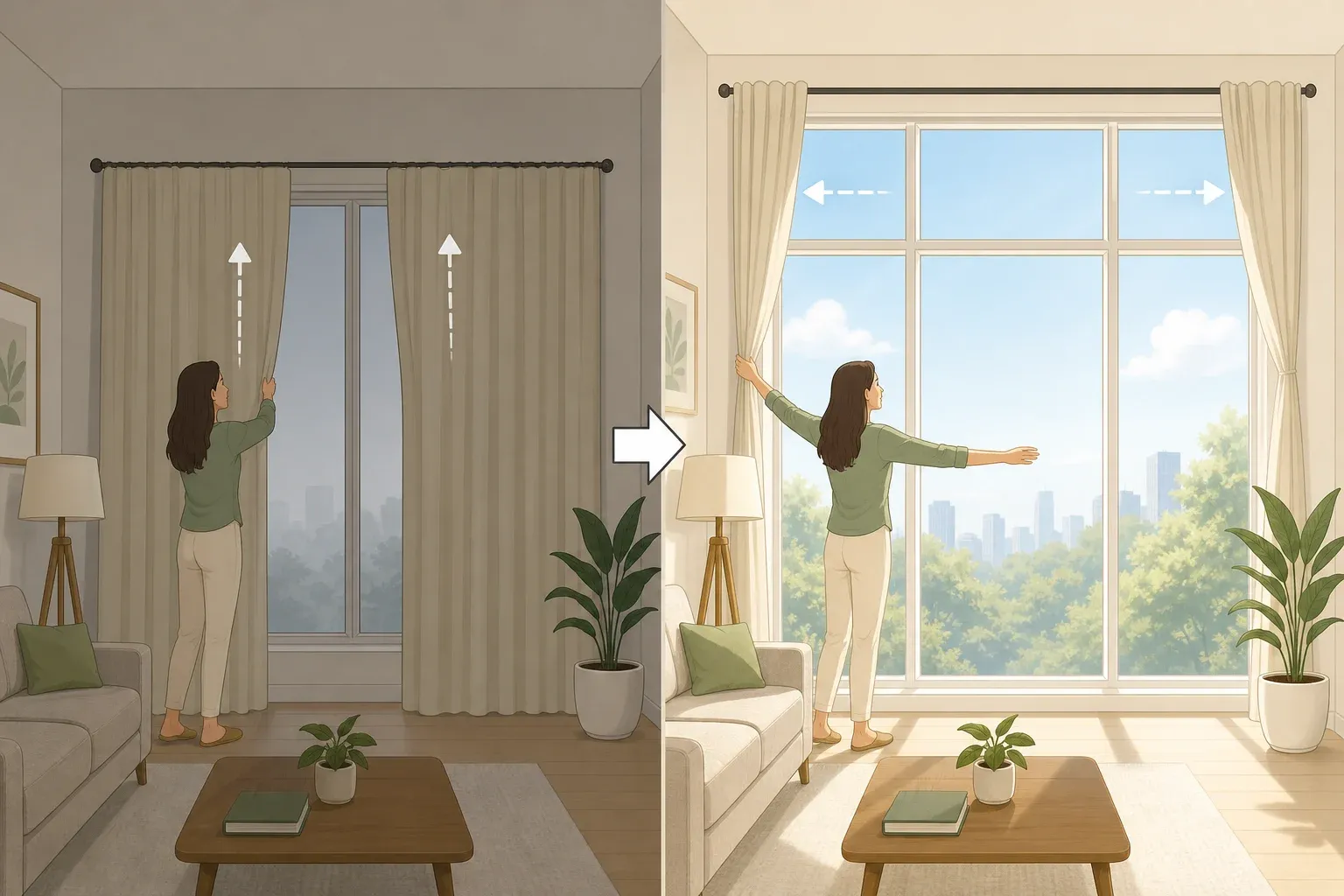
Add curtains on a cheap rod. Custom café curtains were hung on a $5 spray-painted rod matched to existing hardware. Bracket screw holes apply here too, especially if the rod mounts into tile or trim.
The portable layer carries almost no risk to the unit. What comes next does, in a smaller way: it's a bet on whether a product performs the way its packaging promises on the specific surface it's going onto.
Test-first renter-friendly upgrades: reversible surface treatments
These six change how a surface looks without a full renovation, and cover some of the more popular removable apartment improvements on the market, but reversibility depends on matching the right product to the right surface. This section runs longer than the last one because the stakes, and the gaps in the available evidence, are both bigger.
Peel-and-stick backsplash tile generally removes cleanly from smooth, nonporous surfaces, though textured walls can retain adhesive residue. Heat-resistant tile belongs behind a stove; moisture-resistant tile belongs in bathrooms. A Wirecutter writer put off her own kitchen project for nearly a year over exactly this residue worry, then reported her satisfaction with the space rose sharply once she finally committed.
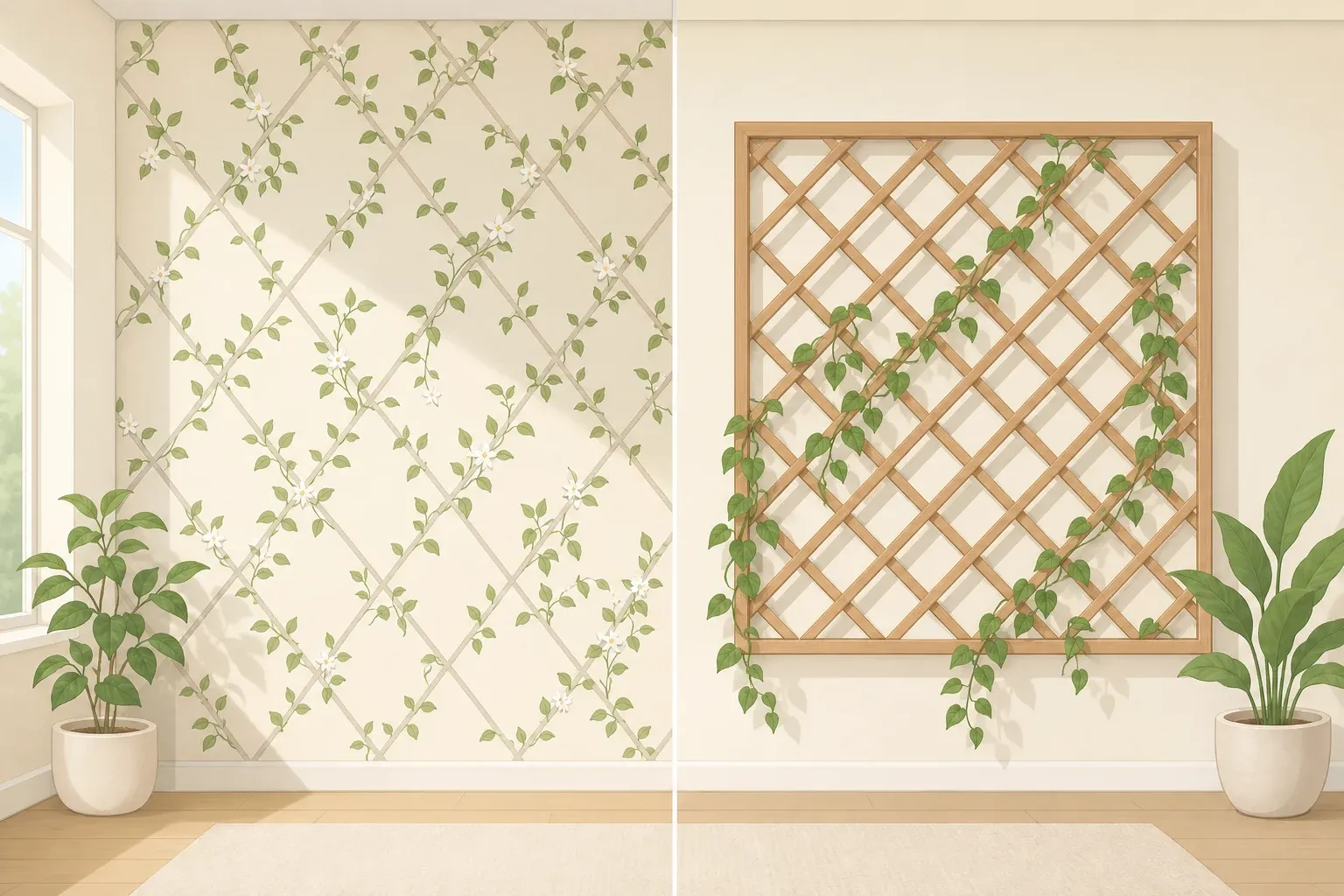
Removable wallpaper went up in the Brooklyn project specifically to add subtle pattern without a permanent commitment. The available reporting doesn't test removal across different wall textures or paint finishes, so a small test patch is mandatory here, not optional, before wrapping a full wall.
Contact paper turned a scuffed laminate built-in into a usable desk surface for $7. That result is confirmed on laminate only; test before applying it to painted wood or stone.
Cabinet hardware swaps are low effort and low risk. Ten designer brass knobs would have run roughly $170; a $26 dupe set passed the same designer's visual check. Keep the originals labeled and bagged for reinstallation at move-out.
Hinge refreshes involve cleaning and spray-painting existing hinges instead of replacing them, for a near-custom look at almost no cost. Treat the durability here as unconfirmed: nothing in this reporting tests how spray paint on hinges holds up to daily wear.
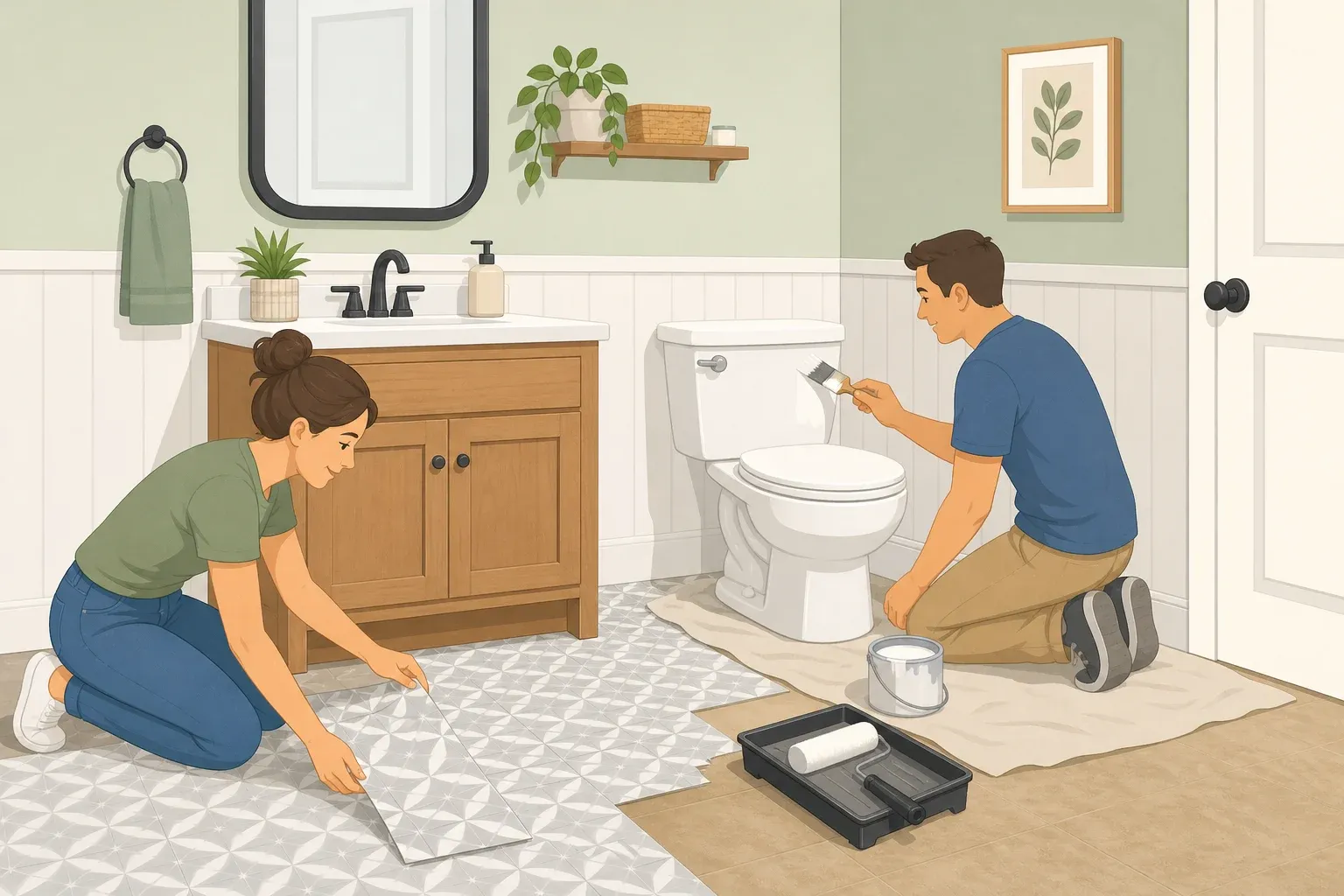
Peel-and-stick flooring deserves more caution than the tile above it. Wirecutter home-decor writer Dorie Chevlen installed peel-and-stick flooring in her own rental kitchen, but the available reporting stops short of covering removal outcomes or deposit-safety specifics for flooring. Treat it as a small test-patch project, not a full-kitchen weekend job, until the results have been checked firsthand.
Everything above stays reversible with a little care. What's left touches the parts of the unit a renter doesn't actually own.
Check the lease first: fixed-asset changes
These four carry the highest potential cost if a restoration goes wrong, because they change the unit's actual paint, cabinetry, appliances, or wiring. Nothing in the sourcing behind this guide establishes a universal legal rule that these always require sign-off.
It simply reflects how designers and renters describe treating bigger, harder-to-reverse changes with more caution. The safe move is to check the lease's alteration clause and get anything permanent confirmed in writing, not to assume a rule that doesn't exist.
Wall paint delivered some of the biggest visual changes in the LA kitchen project. Tile and paint together cost $90, about 18% of the total budget. Restoration cost isn't a fixed two-coat job; it depends on the wall's original color, paint type, and finish, so confirm expectations with the landlord before buying supplies.
Cabinet paint is the more involved project of the two. A Brooklyn renter called her blue-painted cabinets "easily reversible" when she eventually moves, and an LA renter repainted white cabinets ruby red after settling on the color with her designer. Expect more prep time than a simple wall paint job, and agree on a restoration color in advance rather than settling for a plain yes to the change.
Appliance surface changes carry the highest uncertainty of any entry in this guide. One renter wrapped a dishwasher in $5 peel-and-stick wallpaper, then painted over it to match her cabinets. Nothing in the available reporting addresses effects on ventilation, heat exposure, or manufacturer warranty, so check the appliance's own documentation and get approval in writing before starting, and skip it if either one is unclear.
Hardwired lighting fixture swaps sit in a different risk category from the plug-in pendants covered earlier. The sourcing behind this guide doesn't address wiring safety, so this isn't a project to assume is DIY-friendly by default. A licensed electrician and written landlord approval are the safer starting point than a Saturday afternoon and a screwdriver.
Comparing and sequencing all 16
The table below sorts all 16 non-damaging rental upgrades using the same six categories, defined once and applied the same way down every row. Upfront cost is low, medium, or high based on the reported prices above; where the reporting didn't include a price, the row reads "Varies" rather than guessing. Installation effort is low. Physical risk, move-out effort, and lease-permission sensitivity are editorial assessments based on the materials and methods described in the sourcing, not independent testing or legal findings.
Style with owned decor
Upfront cost: Low
Installation effort: Low
Move-out effort: None
Physical risk: Low
Portability: Full
Lease-permission sensitivity: Low
Secondhand or inherited furniture
Upfront cost: Varies
Installation effort: Low
Move-out effort: None
Physical risk: Low
Portability: Full
Lease-permission sensitivity: Low
Reupholster owned seating
Upfront cost: Varies
Installation effort: Medium
Move-out effort: None
Physical risk: Low
Portability: Full
Lease-permission sensitivity: Low
Plug-in lighting
Upfront cost: Varies
Installation effort: Low
Move-out effort: Patch screw holes
Physical risk: Low
Portability: Full
Lease-permission sensitivity: Low
Wall art
Upfront cost: Varies
Installation effort: Low
Move-out effort: Patch nail holes
Physical risk: Low
Portability: Full
Lease-permission sensitivity: Low
Curtains on a cheap rod
Upfront cost: Low
Installation effort: Low
Move-out effort: Patch bracket holes
Physical risk: Low
Portability: Full
Lease-permission sensitivity: Low
Peel-and-stick backsplash
Upfront cost: Low
Installation effort: Medium
Move-out effort: Test residue removal
Physical risk: Medium
Portability: None
Lease-permission sensitivity: Medium
Removable wallpaper
Upfront cost: Varies
Installation effort: Medium
Move-out effort: Test-patch dependent
Physical risk: Medium
Portability: None
Lease-permission sensitivity: Medium
Contact paper
Upfront cost: Low
Installation effort: Low
Move-out effort: Peel and clean
Physical risk: Low
Portability: None
Lease-permission sensitivity: Low
Cabinet hardware swap
Upfront cost: Low
Installation effort: Low
Move-out effort: Reinstall originals
Physical risk: Low
Portability: Partial
Lease-permission sensitivity: Low
Hinge refresh
Upfront cost: Low
Installation effort: Low
Move-out effort: Not established
Physical risk: Not established
Portability: None
Lease-permission sensitivity: Low
Peel-and-stick flooring
Upfront cost: Varies
Installation effort: High
Move-out effort: Not established
Physical risk: Not established
Portability: None
Lease-permission sensitivity: Medium
Wall paint
Upfront cost: Medium
Installation effort: Medium
Move-out effort: Restore original color
Physical risk: Medium
Portability: None
Lease-permission sensitivity: High
Cabinet paint
Upfront cost: Varies
Installation effort: High
Move-out effort: Repaint to restore
Physical risk: Medium
Portability: None
Lease-permission sensitivity: High
Appliance surface changes
Upfront cost: Low
Installation effort: Medium
Move-out effort: Not established
Physical risk: High
Portability: None
Lease-permission sensitivity: High
Hardwired fixture swap
Upfront cost: Varies
Installation effort: High
Move-out effort: Electrician needed
Physical risk: High
Portability: None
Lease-permission sensitivity: High
Physical risk and lease-permission sensitivity read as separate columns on purpose. A low physical-risk item, like peel-and-stick tile on a smooth wall, can still need written approval under a particular lease, so one column should never be mistaken for clearance on the other. Partial portability, the label for cabinet hardware, means the knobs move with the renter while the cabinets stay behind.
The LA kitchen project is the clearest example of how the three tiers work together in one real build. She styled existing books and photos for nothing (portable tier), then swapped in a $26 hardware set and applied $7 contact paper (test-first tier), then repainted both the walls and the cabinets (fixed-asset tier).
The tile and wall paint were actually purchased together for $90 combined, even though one belongs in the test-first tier and the other in the approval tier. The low-cost layer and the higher-commitment layer showed up in the same $325 total.
Renters with under a year left on a lease get the most value concentrating on the first two tiers: portable changes and tested surface products. Renters expecting to stay multiple years are the ones for whom the higher upfront cost and restoration effort of paint, cabinetry, and fixtures is more likely to actually pay off.
Why the sequence pays off
The order matters more than any single item on this list: start with what's portable, test anything reversible on a small patch, and get anything permanent confirmed in writing before the first coat goes on.
The case for bothering at all shows up clearly in both projects behind this guide. One renter spent seven years calling her kitchen "fine for now" before a modest, mostly DIY project made it, in her words, "the true heart of my home." A Wirecutter writer reported similarly outsized satisfaction after a project she'd delayed for nearly a year.
State and local rules are likely to keep shifting through the rest of 2026 as affordability pressures and tenant-protection pushes continue, which means the lease in hand, not this guide and not a product's marketing copy, stays the final word on what's allowed before any of these 16 upgrades gets started.




Comments
Be the first, drop a comment!